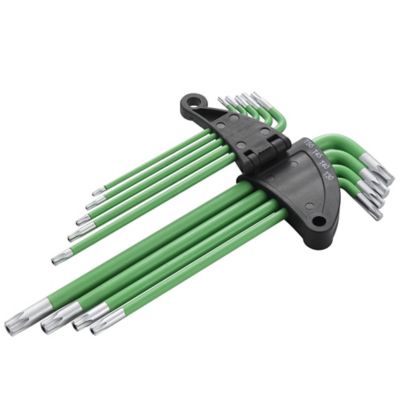
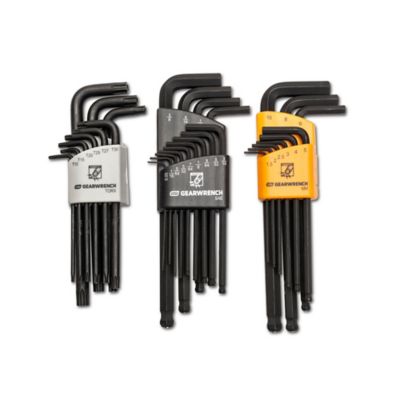
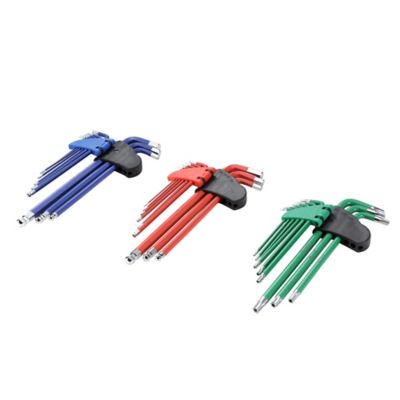
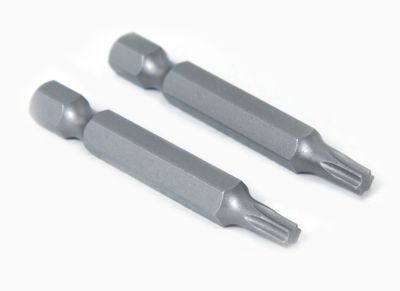
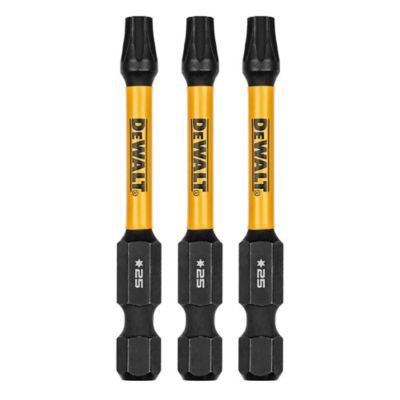
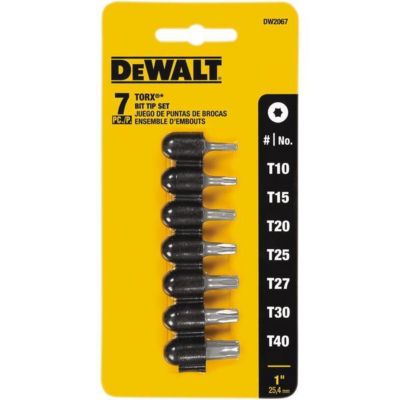
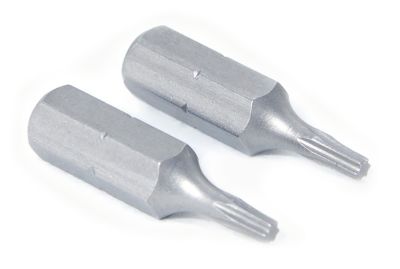
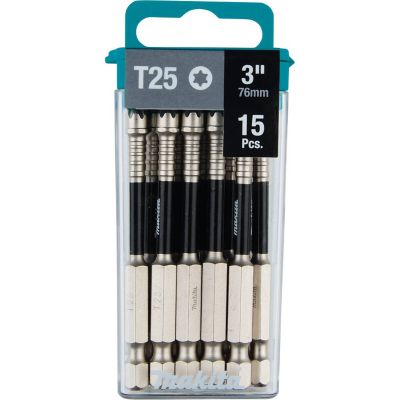
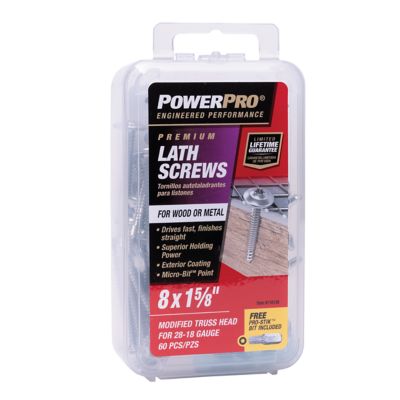
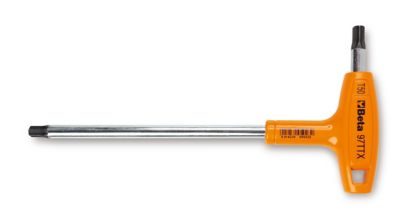
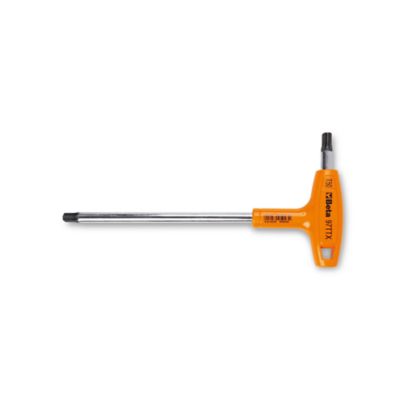
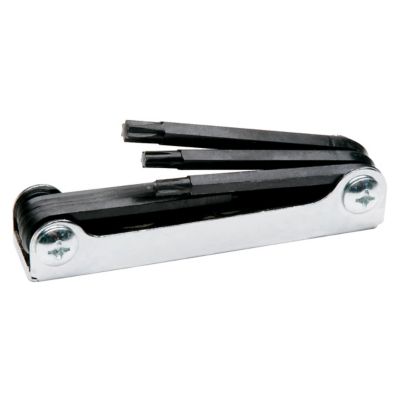
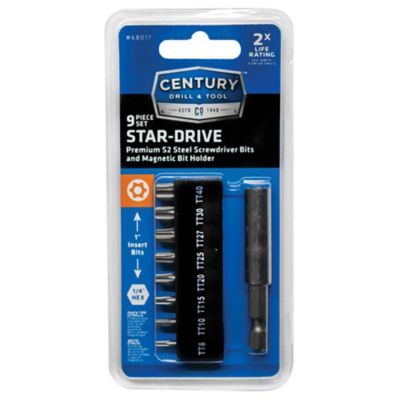
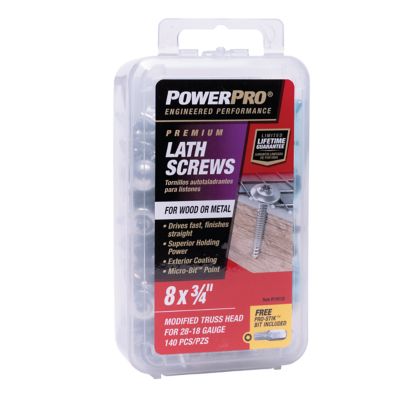
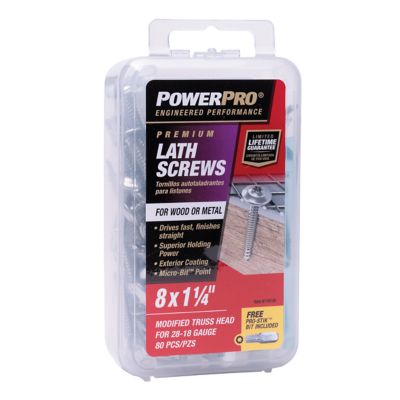
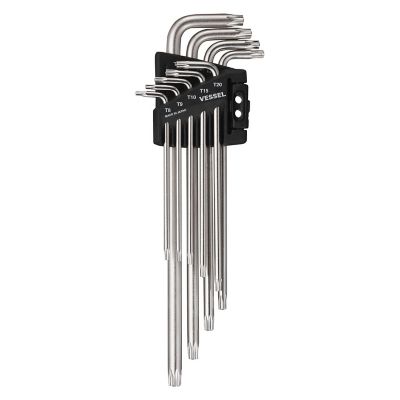
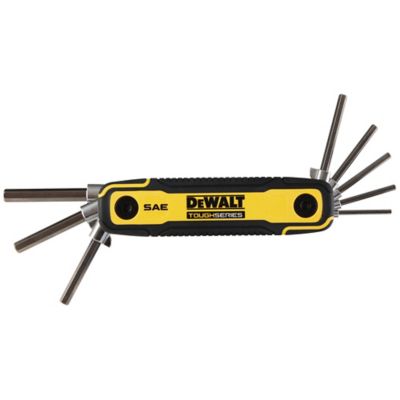
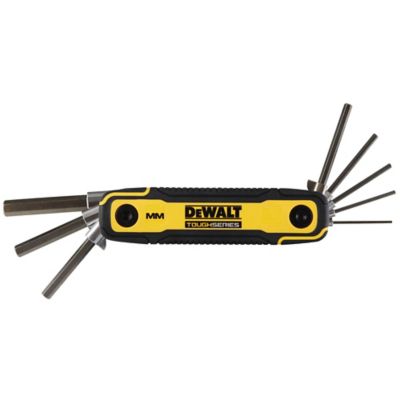
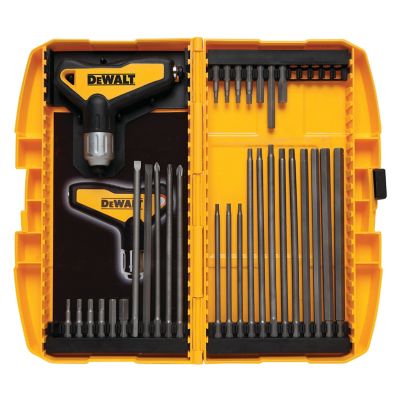
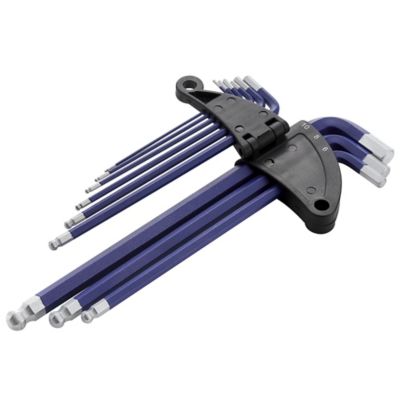
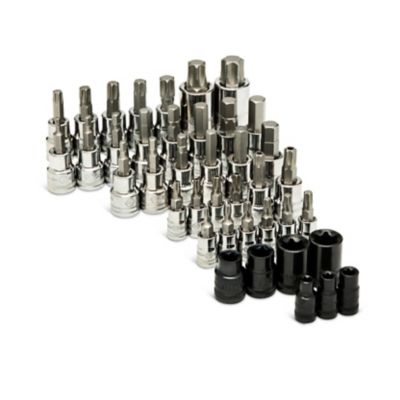
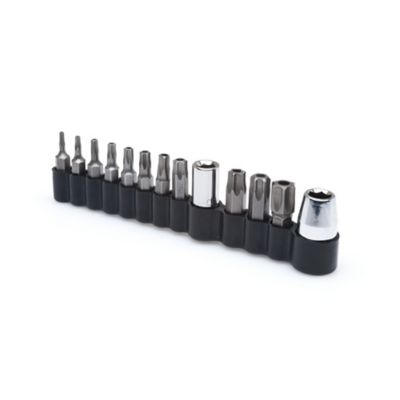
Torx fasteners are built around a six-point, star-shaped drive that gives a driver or socket more contact with the fastener head than a traditional slotted or Phillips-style design. That added contact helps spread turning force across several points instead of concentrating it in one small area, which can reduce slipping, rounding, and damage when a screw needs to be tightened firmly or removed after years of use. They are a handy choice for farm repairs, equipment maintenance, woodworking, construction, automotive work, and general projects around the home or shop. A Torx drive also tends to stay engaged with less downward pressure, making it easier to keep a steady hand when working overhead, in a tight corner, or on a long screw that needs to pull two pieces of material together. You may see sizes marked with a “T” or “TX” designation, such as T25 or T30. Unlike many other fastener systems, internal Torx drive sizes generally use the same designation across standard and metric applications, but the size still needs to match the fastener head exactly. A driver that is too small can damage the star-shaped recess, while one that is too large may not seat fully. Before starting a job, compare the fastener size with the driver size and make sure the tool reaches the bottom of the recess. This small step makes a big difference when you are working with tough materials, coated screws, or hardware that has to hold up under vibration and weather.
The right Torx fasteners depend on the material, the load, the surroundings, and the way the finished work will be used. For decking, fencing, framing, barn repairs, and other outdoor jobs, look for fasteners suited to exposure, moisture, and the materials being joined. Corrosion-resistant construction can be especially important around livestock areas, garden beds, trailers, gates, and equipment that gets washed, rained on, or parked outdoors during the cooler months. For indoor cabinets, furniture, shelving, and shop fixtures, the finish and length may matter more than heavy weather resistance, while structural repairs call for hardware with the proper strength and thread design for the material. Coarse threads are commonly useful in wood and softer materials because they bite quickly and help hold securely; finer threads may be better suited to some metal or machine applications. Length matters, too. A fastener should provide enough bite to hold the joint without pushing through the back side or striking wiring, moving parts, or another hidden component. Torx fasteners are widely used in automotive trim, brake-related assemblies, machinery, appliances, computers, hard drives, and other equipment where a compact head and dependable torque transfer are useful. Always follow the equipment maker’s specifications for critical repairs, especially on brakes, steering, suspension, engines, and load-bearing assemblies. When removing older hardware, brush away packed dirt, paint, rust, or sawdust from the drive recess before setting the tool. Debris can keep the driver from seating all the way, and even a strong star-shaped drive can slip if the recess is clogged. A clean, square fit, firm hand pressure, and a controlled turn are the best ways to protect both the fastener and the tool.
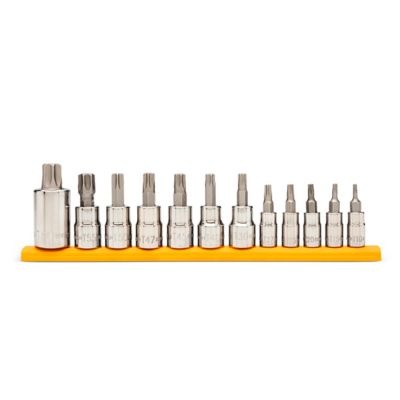
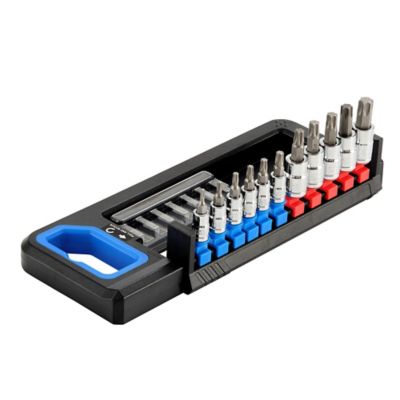
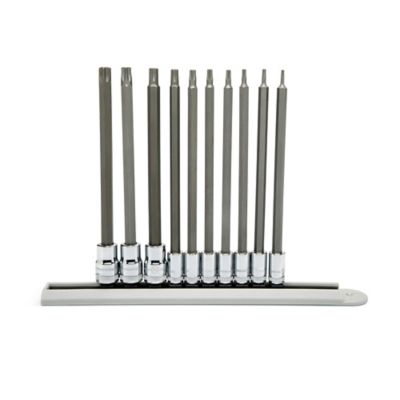
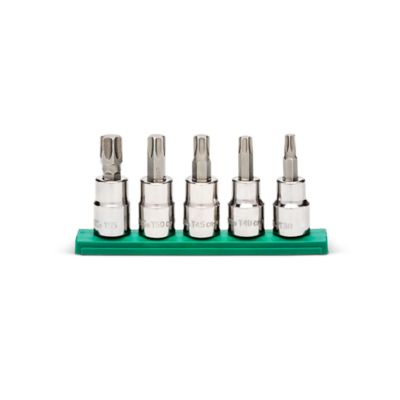
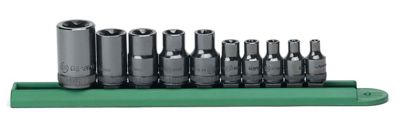
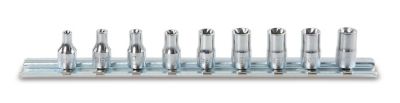
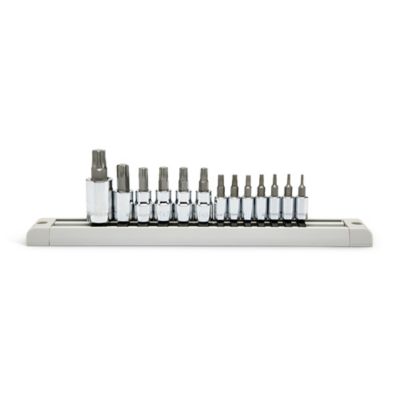
Torx fasteners can be a welcome addition to a toolbox for anyone who likes keeping a pickup, tractor, trailer, workshop, or homestead in good working order. They are useful for the weekend builder assembling a gate or repairing a deck, the mechanic servicing a vehicle, the woodworker building shop storage, and the homeowner handling small fixes that seem to come up whenever the weather warms. They also make a practical gift for a new homeowner, apprentice, hobby mechanic, farmer, or do-it-yourselfer who is building out a first tool collection. A fastener assortment can help cover common repair sizes, while a matching set of drivers or
Torx Sockets helps ensure the hardware can be installed and removed without making repeated trips back to the store. Keep fasteners sorted by size and length so a T25 screw does not get mixed with a similar-looking T27, and store them in a dry place away from fertilizer, feed dust, and damp concrete floors. It is also smart to keep a few spare sizes on hand for routine maintenance, since a small replacement screw can be hard to find once a machine is already taken apart. When selecting hardware, check the head style, drive size, thread type, length, material, coating, and package quantity, along with whether the fastener is intended for wood, metal, masonry, machinery, or another application. Matching the hardware to the job helps prevent stripped heads, loose joints, premature rust, and repairs that need to be redone. From a quick fence fix to a detailed shop project, well-matched Torx fasteners provide a clean fit, dependable grip, and the steady performance needed for work that has to hold up season after season.