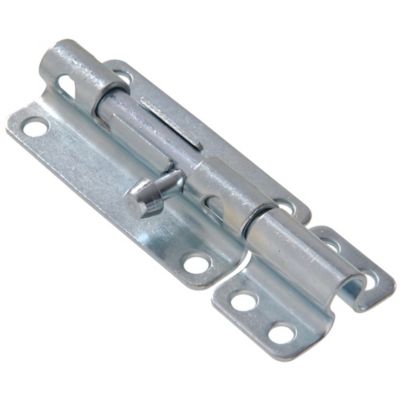
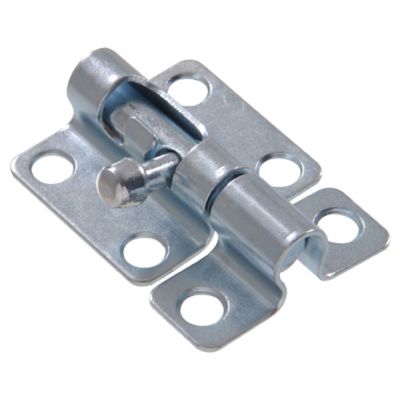
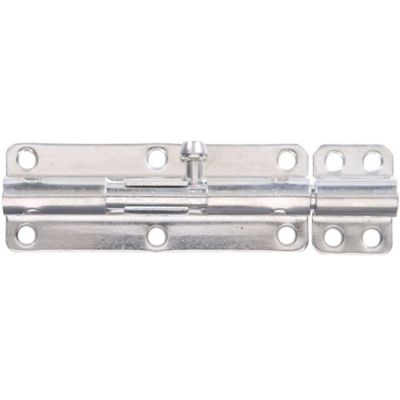
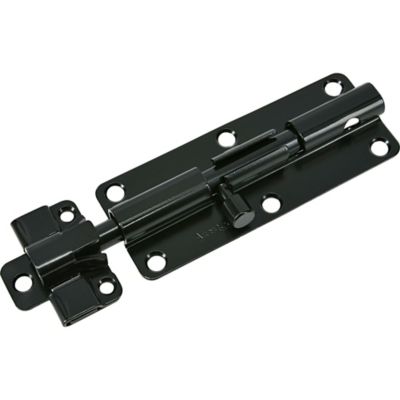
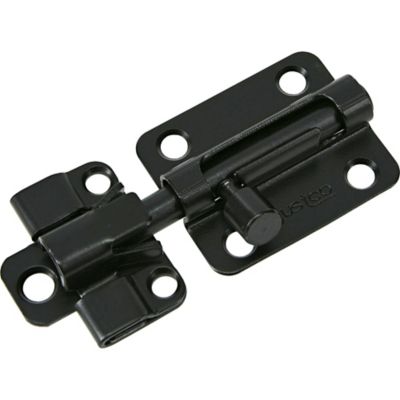
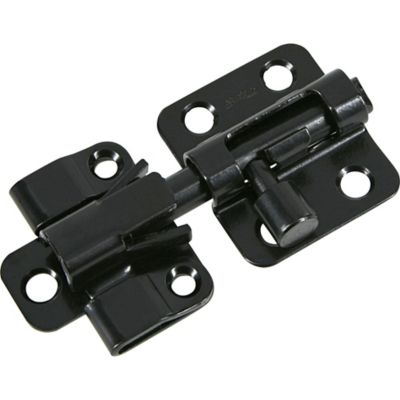
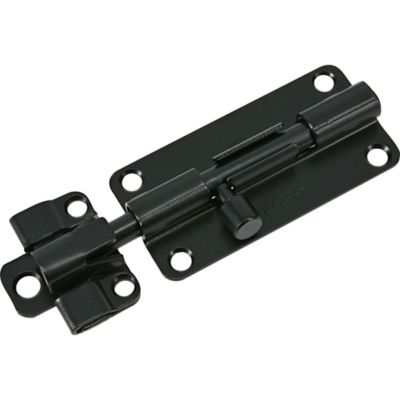
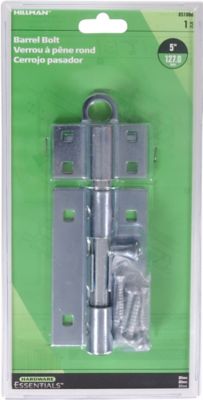
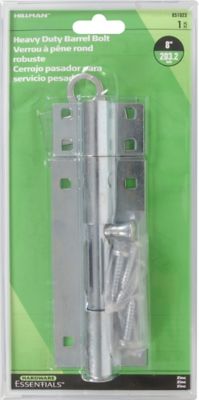
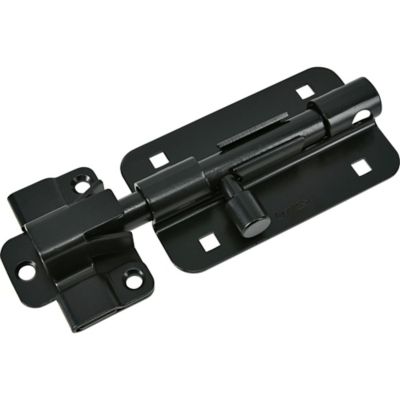
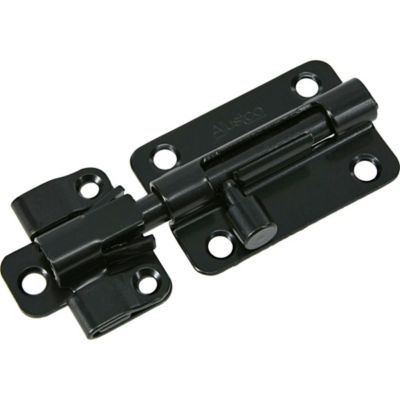
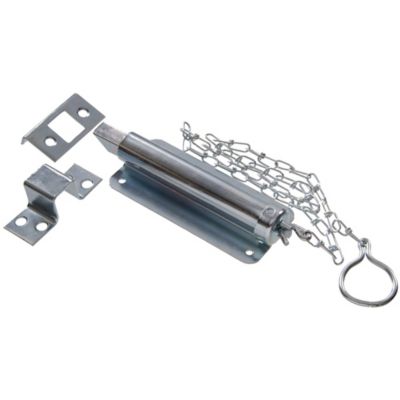
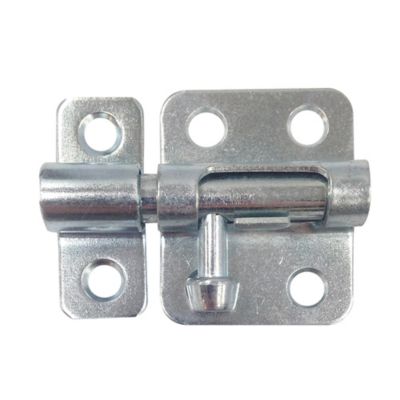
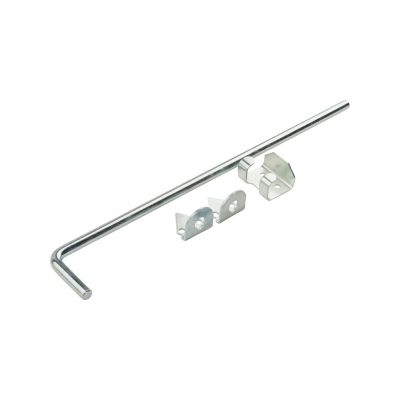
Barrel bolts are simple, dependable sliding latches used to hold doors, gates, cabinets and other hinged panels closed. A long metal pin slides through a rounded sleeve, or barrel, and into a catch plate mounted on the adjoining surface. When the pin is fully seated, it keeps the door or gate from swinging open. Some styles include a hole that can accept a padlock for an added measure of security, while others are meant for everyday privacy, child safety or keeping animals out of places they should not be. Around a farm, homestead or workshop, barrel bolts can be handy on shed doors, tack rooms, feed storage areas, chicken-coop access panels, garden gates and double doors that need to stay aligned. They also work well on utility closets, bathroom partitions, cabinets and indoor doors where a straightforward manual latch is all that is needed. Because these latches do not rely on springs, complicated mechanisms or electricity, they are easy to operate with a gloved hand and can keep working through busy days, power outages and changing weather. They are a practical choice for homeowners, renters, farmers, ranchers, maintenance crews and do-it-yourselfers, and they make a useful addition to a general hardware bin for future repairs.
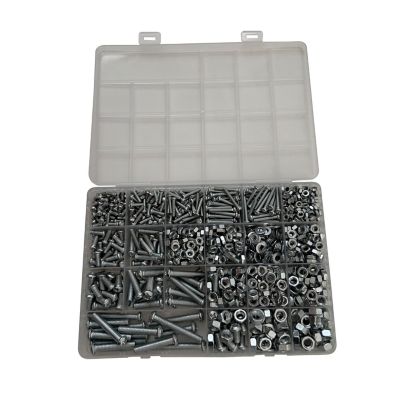
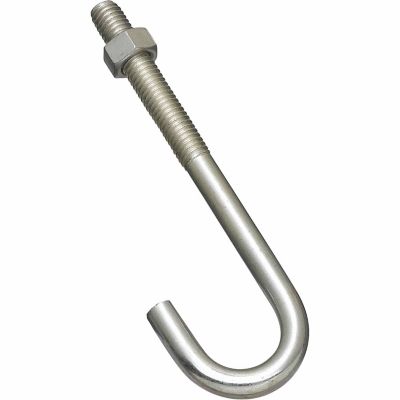
Choosing the right barrel bolt starts with looking at the door or gate, the surrounding frame and the conditions where the latch will be used. Straight barrel bolts are commonly used on flat, even surfaces, while offset styles help bridge a gap or clear a door stop, trim piece or weather seal. Flush bolts sit closer to the surface or install along the edge of a door for a neater appearance, which can be helpful on cabinets, double doors and areas with limited clearance. Measure the available space before buying, including the distance from the edge of the door to the point where the catch plate will be installed. Shorter bolts can suit lightweight cabinet doors, small access panels and interior projects, while longer bolts generally provide more reach for wider gaps, heavier doors or outdoor gates. The bolt should have enough length to seat firmly in the catch without binding, but it should not be so long that it strikes the frame or becomes difficult to slide. Pay attention to the material and finish, too. Zinc-plated steel offers a practical balance for many everyday uses; brass can bring a traditional look to indoor woodworking projects; and stainless steel is a strong option where moisture, mud or humidity may be part of the job. For projects that call for zinc-coated hardware in a variety of sizes and shapes, browse
Zinc Bolts as another way to find a suitable fastening solution.
Before installation, hold the bolt and catch plate in place and test the movement with the door fully closed. This small step can save a lot of aggravation, especially on older sheds and gates that have settled, shifted or picked up a little seasonal swelling. Mark the screw holes, drill pilot holes when working with wood, and use fasteners suited to the door and frame material. Mount the bolt on the inside of a door or gate whenever possible, keeping the handle at a comfortable height and away from areas where clothing, leads or tools could catch. On a double door, check that both panels meet cleanly before positioning the catch. Outdoor hardware deserves a little extra attention during wet weather and the cooler months: wipe away grit, inspect for surface rust, and apply a light lubricant if the pin starts to drag. A barrel bolt should close smoothly without forcing it, and a misaligned latch is often a sign that the hinges, gate posts or frame need adjustment. Whether you are securing a backyard gate before the weather warms, keeping a workshop closed during a stretch of wind, or finishing a late-season repair before cold conditions settle in, the right barrel bolt adds a dependable layer of everyday control with very little fuss.