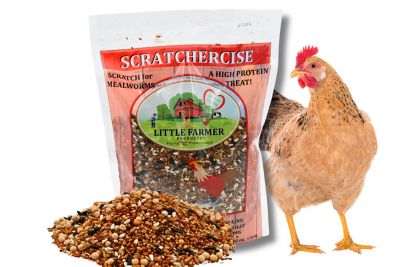
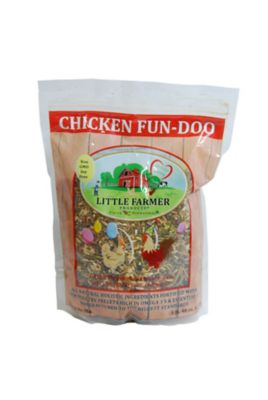
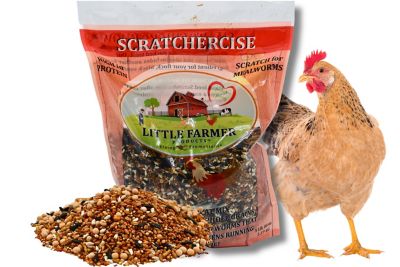
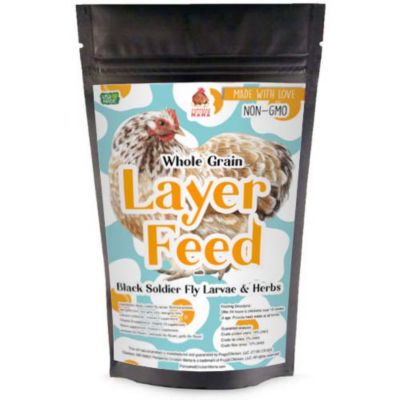
Soy free chicken feed is made for poultry keepers who want to leave soybean meal out of the ration while still providing the protein, energy, vitamins, and minerals chickens need. In many formulas, plant proteins such as field peas and lentils take the place of soy, while fish meal or other animal-based ingredients may provide another source of amino acids. Grains such as wheat, barley, and oats can supply energy and fiber, though the exact recipe varies from one feed to the next. When shopping, start by checking the label for a clear statement that the feed contains no soy, then look at the intended life stage. Chick starter is made for young birds, grower feed supports developing pullets, layer feed is meant for hens producing eggs, and meat-bird rations are formulated with a different growth pattern in mind. A flock of laying hens usually needs a complete layer ration rather than a general grain mix, especially as the days grow shorter and birds spend more time in the coop. A complete feed is designed to provide the main nutrients in the proper proportions, so extra scratch grains, table scraps, or treats should remain a small part of the daily routine. If a feed is labeled for a particular age or purpose, follow that direction instead of offering it across the whole flock. Roosters and nonlaying birds may have different needs, and chicks should not be given layer feed because its calcium level is too high for growing birds. For keepers who are comparing protein levels, the
High Protein Chicken Feed selection can provide another place to browse when a flock needs more protein during growth, feather regrowth, or periods of extra demand.
The right soy free chicken feed depends on the birds, the setting, and the way the feed will be stored and served. Check the crude protein percentage, calcium level, feeding directions, and ingredient list rather than judging a bag by a single ingredient. Laying hens often benefit from a ration with about 16% to 18% protein, though flock needs can vary with age, breed, weather, and egg production. Calcium is especially important for firm shells, and many layer formulas include added calcium; oyster shell offered separately can help hens adjust their intake when it is needed. Some recipes include flaxseed as a source of omega-3 fatty acids, while added probiotics may support normal digestion. These additions are not found in every feed, so the label is the best place to learn what is included. Pellets can help reduce sorting, since birds are less able to pick around ingredients they do not favor. Crumbles are often easy for pullets and smaller birds to eat, while mash can work well for keepers who prefer a loose texture, though it may create more waste if feeders are not kept at the right height. Store feed in a clean, dry container with a tight-fitting lid, raised off the floor and protected from rain, rodents, and damp bedding. During the cooler months, a dry feed room or covered shed helps keep moisture from turning feed stale or caked. Offer fresh water beside the feeder, rinse drinkers often, and keep the feeding area clear of droppings and spilled grain. A sturdy scoop, a lidded storage can, and a feeder that limits scratching can make the daily chore easier for anyone caring for a backyard flock.
Soy free chicken feed may suit families managing a soy-sensitive household, poultry keepers following a particular ingredient plan, or anyone who wants to compare alternative protein sources for a small flock. It can also be a practical gift for a friend who has just brought home pullets, started a laying flock, or taken on care of chickens for the first time. Feed is most helpful when paired with the basics a flock needs: clean water, secure housing, ventilation without drafts, suitable bedding, and room to move. In early fall, hens may be finishing a molt and growing new feathers, which can increase their need for protein. As colder weather settles in, birds spend more hours near the coop, and keeping their ration dry and easy to reach becomes part of the regular morning and evening routine. Avoid sudden feed changes whenever possible; blend the former ration with the new one over several days so the flock has time to adjust. Watch the birds at feeding time, since a sudden drop in appetite, loose droppings, thinning body condition, or a sharp change in egg production may point to a health or management concern that feed alone will not solve. Store only as much as can be kept fresh, rotate older bags forward, and follow the label for serving amounts. Whether the flock includes a few hens behind the garden or a larger group around the barn, choosing a soy free ration with the right protein, calcium, texture, and life-stage directions can help make everyday poultry care more straightforward through the changing seasons.