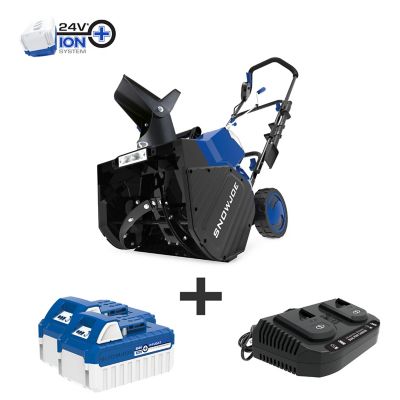
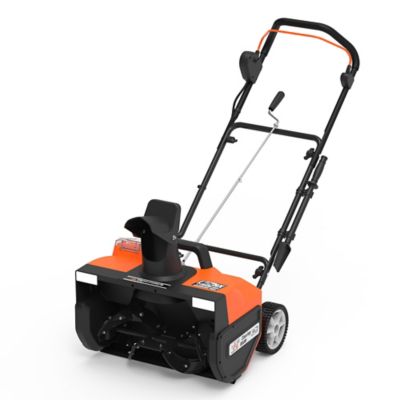
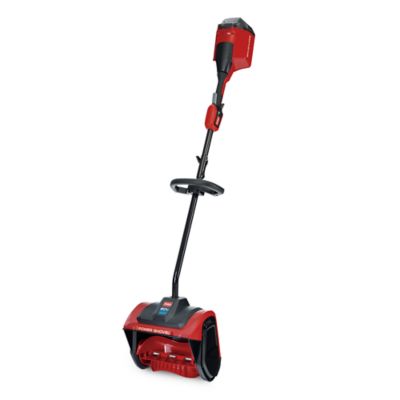
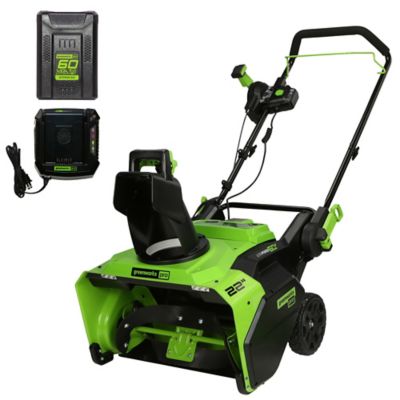
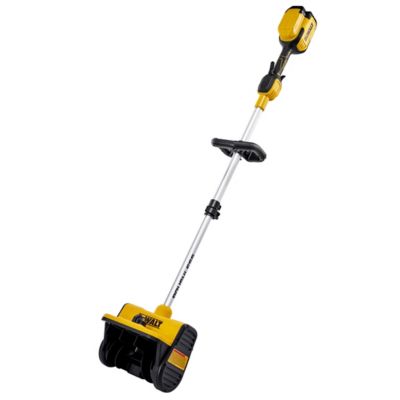
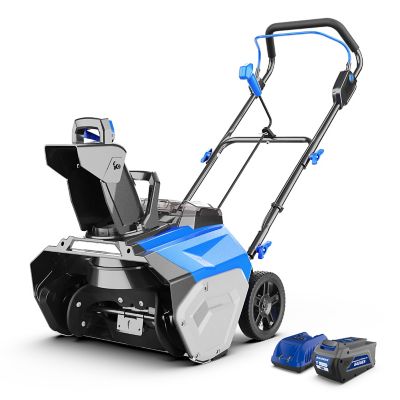
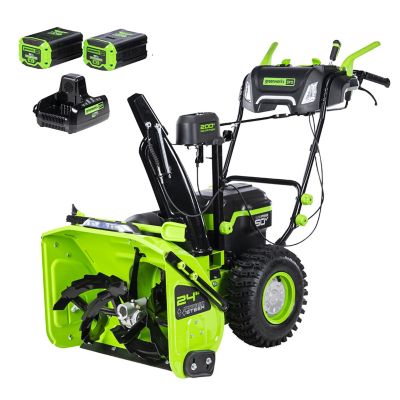
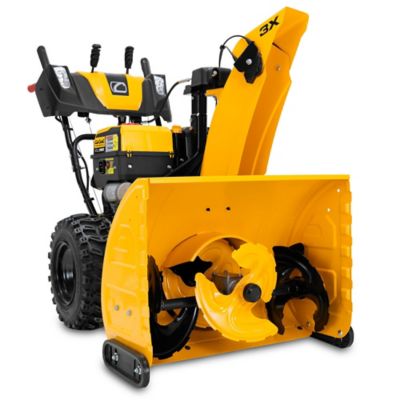
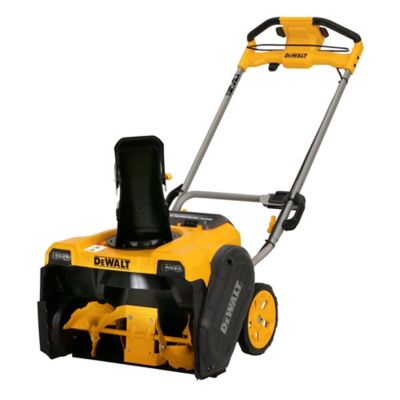
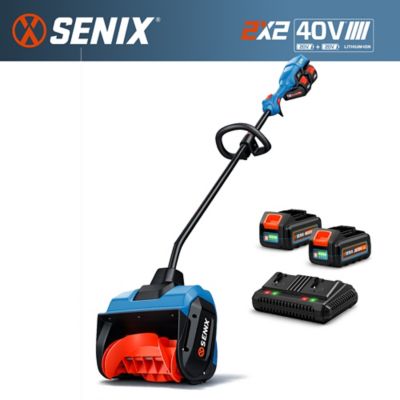
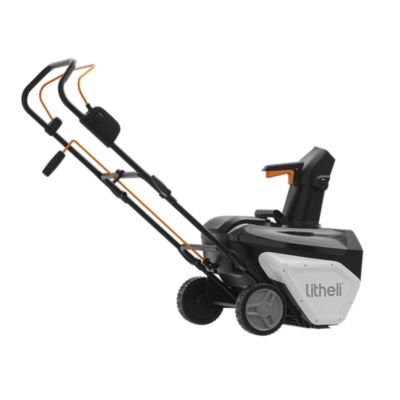
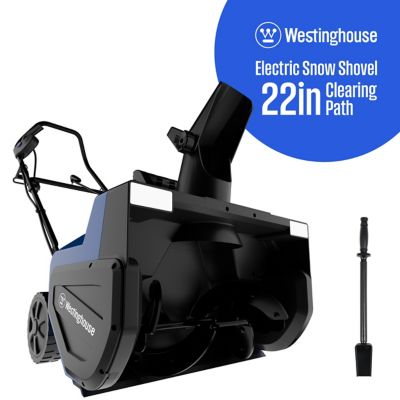
Cordless snow blowers are battery-powered machines that gather snow with an auger and send it through a discharge chute, clearing a path without a power cord trailing behind. They run on rechargeable battery packs rather than gasoline, so there’s no fuel to mix, gas tank to fill, or engine pull cord to wrestle with before getting to work. For homes with a driveway, a stretch of sidewalk, or a paved walk between the house and garage, that makes them a practical part of the winter equipment lineup. The terms cordless snow blowers and
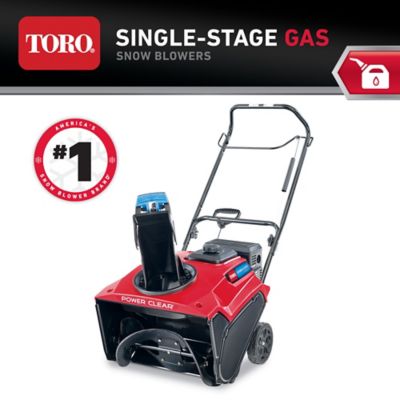
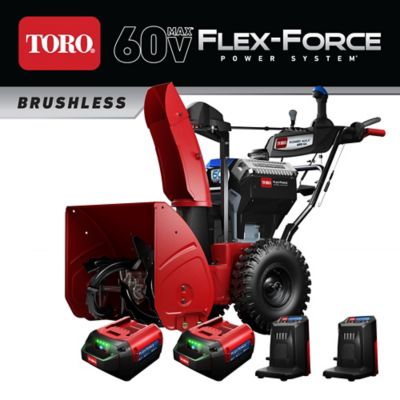
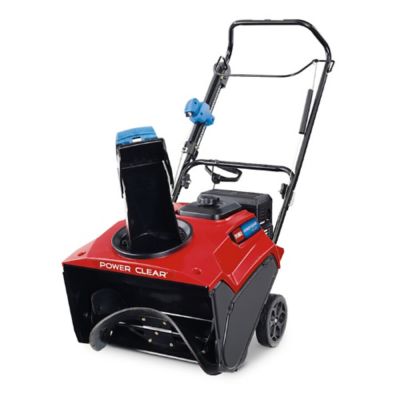
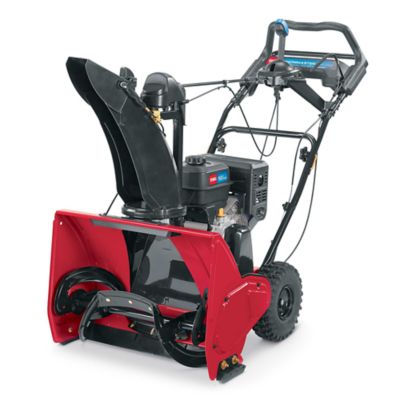
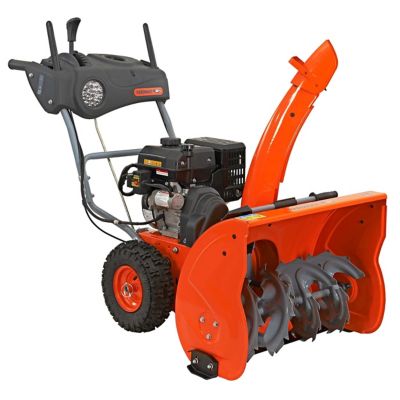
Battery Operated Snow Blowers generally describe the same category, with differences coming down to clearing width, intake height, drive system, battery capacity, and snow-handling design. Single-stage machines gather and discharge snow with an auger, making them a good fit for lighter snowfall on paved surfaces within the machine’s stated limits. Some have paddles that contact the pavement and help move the machine forward, though that action isn’t the same as powered wheels. Two-stage machines pair an auger with a separate impeller that sends snow through the chute. They’re generally better suited to larger areas, deeper accumulation, and heavier snow, with self-propelled designs helping move the machine along. On a rural property, the difference might be clearing a short concrete apron outside the mudroom versus opening a long lane from the garage to the road. Surface fit matters just as much as area: many single-stage designs belong on smooth pavement, while certain two-stage machines can work on gravel when their skid shoes are adjusted to the clearance specified by the manufacturer. Neither design makes every patch of ice or frozen plow ridge an easy job. Snow density, ground conditions, and the machine’s rated capability all shape what it can handle, especially where tire tracks have packed yesterday’s snowfall into a hard layer.
The right size cordless snow blower fits both the space being cleared and the person behind the handles. A wider clearing path can cut down on passes across an open driveway, while a narrower housing can be easier to steer through a gate, along a sidewalk, or around parked equipment. Intake height describes the size of the opening at the front, but it doesn’t guarantee that a machine can take a full-width bite through snow that deep under every condition. Light, dry powder moves differently from wet snow that clings to a shovel, and dense accumulation asks more of the motor and battery. Battery voltage alone doesn’t tell the whole performance story, either. Motor design, available battery energy, auger configuration, and the load on the machine all matter. Runtime varies with snow depth and weight, outdoor temperature, travel speed, and how much of the clearing width is engaged. A stated runtime is best understood alongside its test conditions rather than as a promise for every storm. Machines that accept multiple packs may offer more working time or require more than one battery to operate, depending on their design. Battery and charger compatibility is specific to the equipment platform, and matching voltage by itself doesn’t establish compatibility. For someone clearing a path before chores, controls that work comfortably with winter gloves can matter as much as a large intake. Handle height, machine weight, balance, and the effort needed to turn at the end of a pass all affect comfort. Self-propelled drive can reduce pushing effort, while adjustable travel speed helps match the pace to changing snow conditions. Chute rotation and deflector adjustment help place discharged snow away from the area just cleared. Throw distance changes with snow consistency and wind, so directing snow safely away from people, animals, vehicles, windows, and roadways matters more than reaching a maximum distance. Headlights can help illuminate the path during low-light chores, though they don’t replace a clear view of the work area.
Construction and upkeep also shape how a cordless snow blower fits everyday life around the place. Steel housings and augers are common on larger machines built for demanding snow removal, while molded polymer components can help limit weight and resist rust. Rubber or composite paddles appear on some single-stage designs, and scraper bars, skid shoes, and other ground-contact parts take the wear as the machine moves over pavement. Replaceable wear parts can help keep the equipment working as intended over time. Wheel size and tread affect traction, but packed snow and ice can still be slick; sturdy winter footwear and operation within the manufacturer’s slope limits remain important. Around a barnyard or shop entrance, loose stones, baling twine, branches, and other debris can turn a routine pass into a jam or thrown-object hazard, making a clear work area especially valuable. Cordless operation removes gasoline-engine chores, but the machine still needs care. Snow buildup, worn paddles, loose hardware, and damaged components deserve attention according to the owner’s manual. Before clearing a blockage or servicing the auger area, the machine must be shut off, its batteries removed, and all moving parts allowed to stop; a designated clearing tool, never a hand, belongs in a clogged chute. After the job, removing accumulated snow and allowing the equipment to dry helps limit corrosion and keeps meltwater from collecting in storage. Battery packs need their own care, including protection from moisture and charging and storage within the manufacturer’s temperature limits. A battery brought in from a cold shed may need time to reach an approved charging temperature before going on the charger. Folding handles, where included, can help a machine fit alongside lawn equipment without taking over the garage. For homeowners and folks maintaining paved paths around outbuildings, these details make cordless equipment easier to work into a regular snow-clearing routine. As a practical gift for someone handling their own winter chores, fit depends on their property, physical comfort, and compatible batteries—not simply the biggest machine. From a short front walk to a broad parking pad, a well-matched cordless snow blower helps keep the route between home, vehicle, and daily chores open when snow settles in.