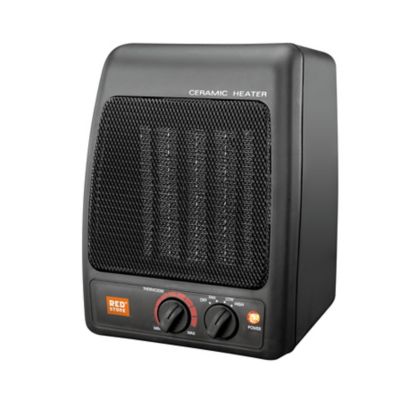
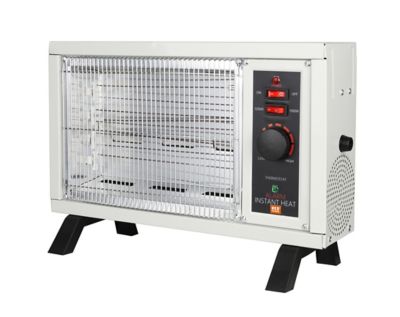
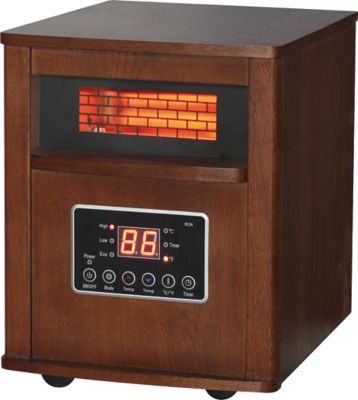
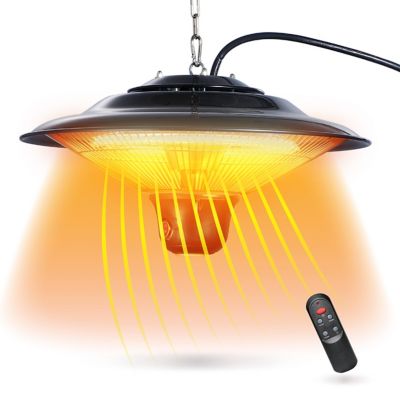
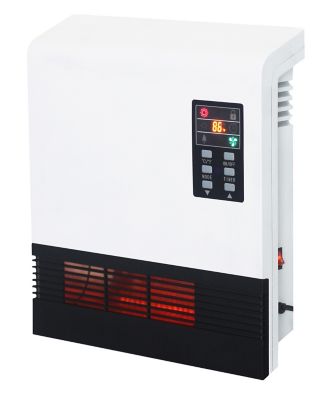
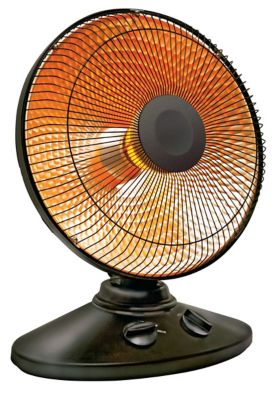
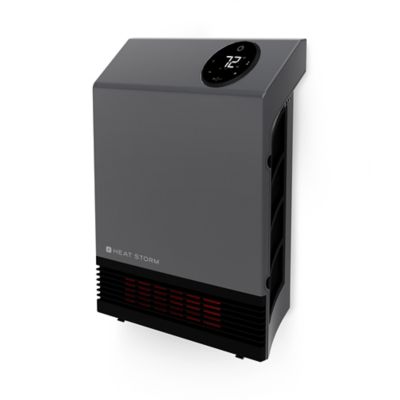
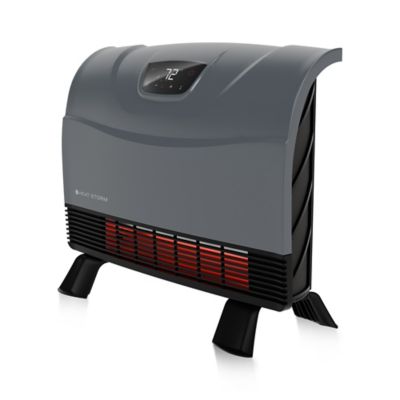
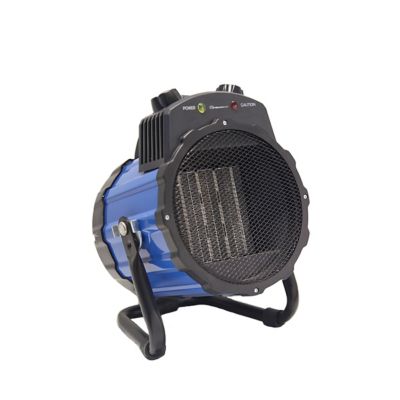
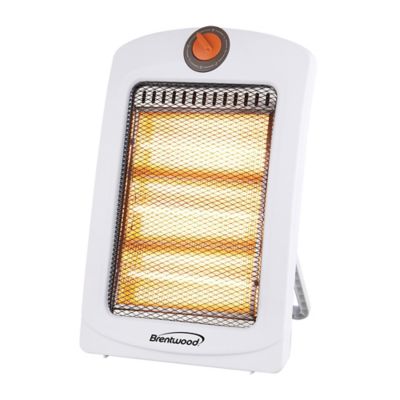
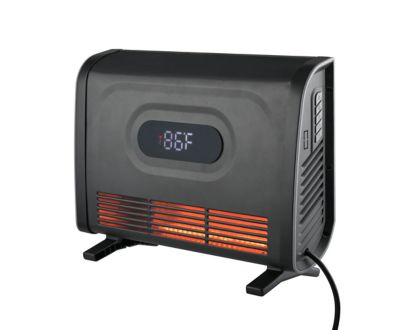
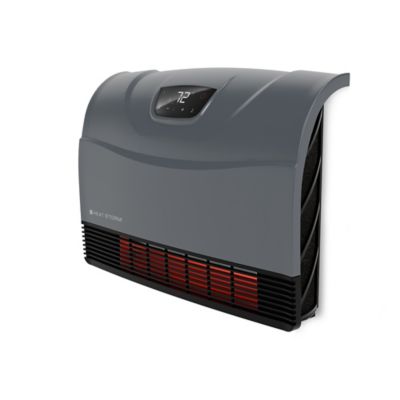
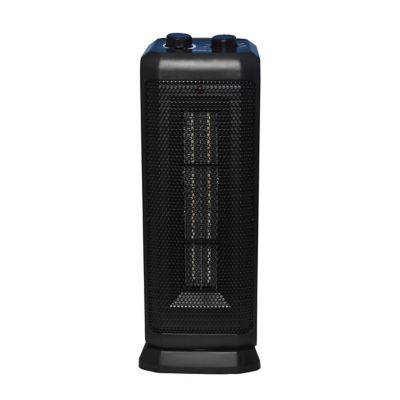
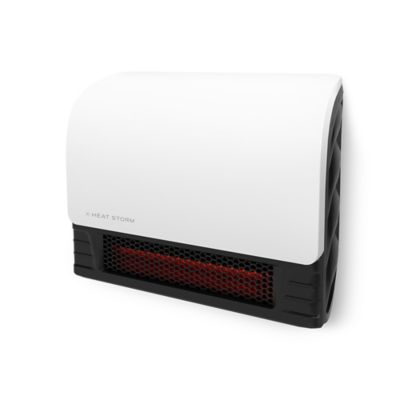
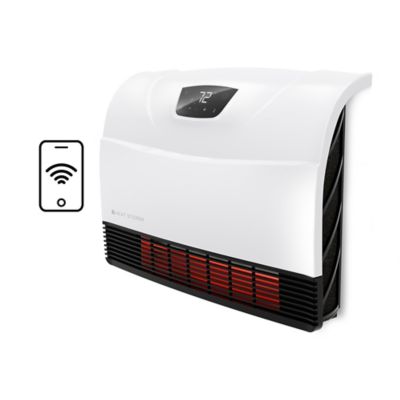
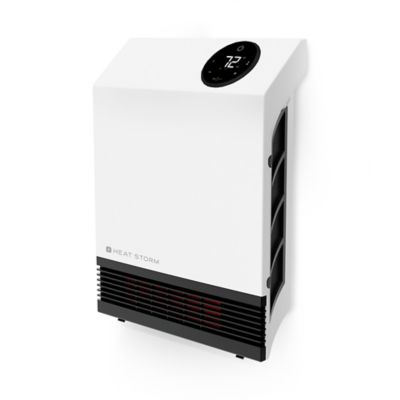
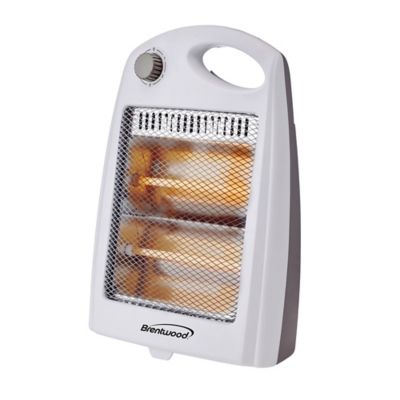
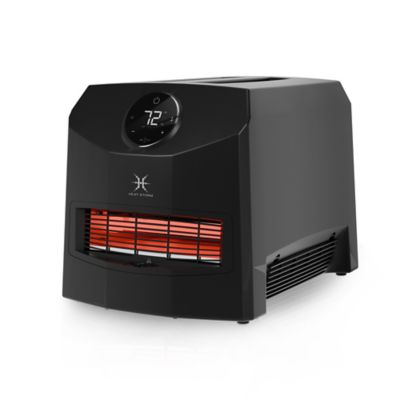
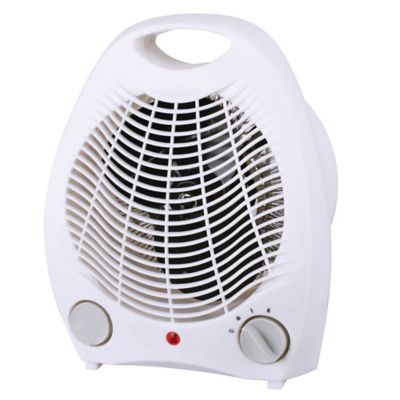
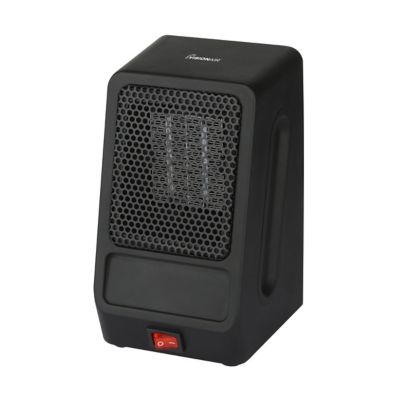
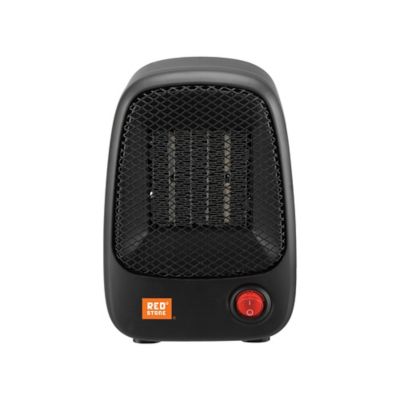
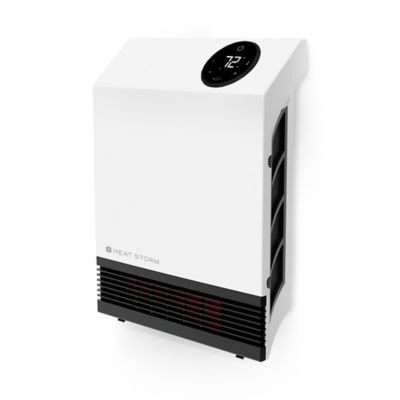
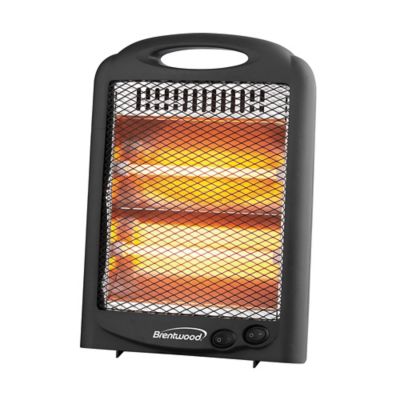
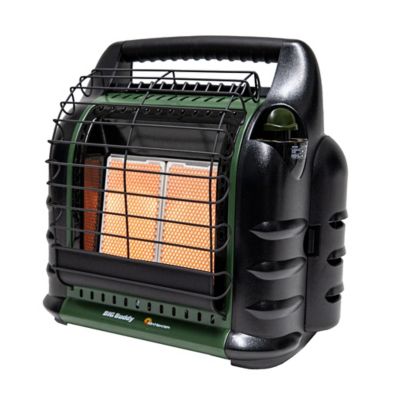
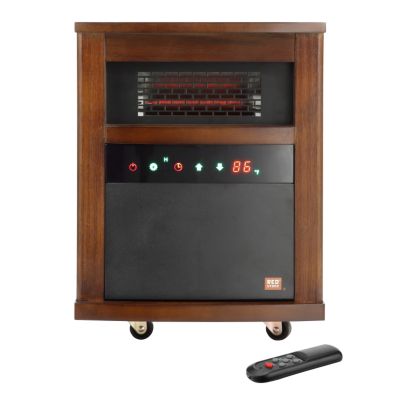
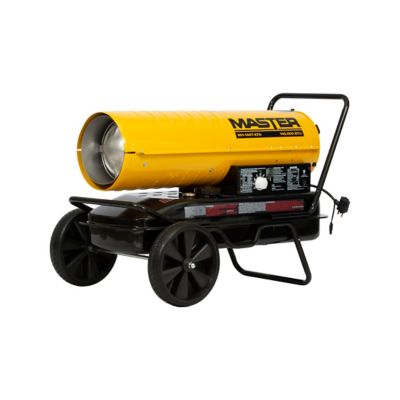
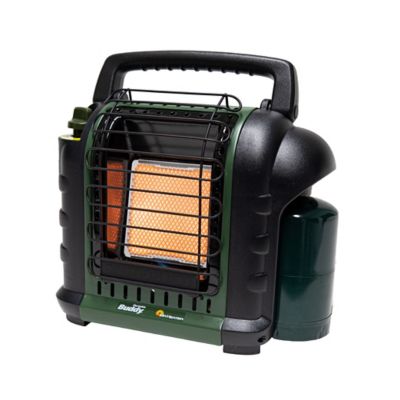
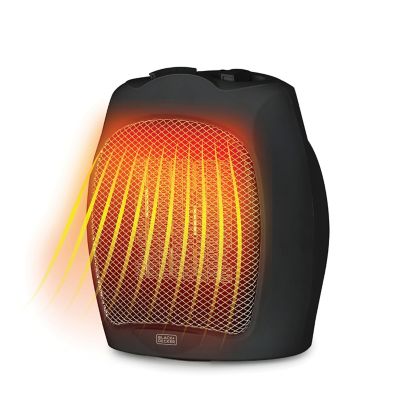
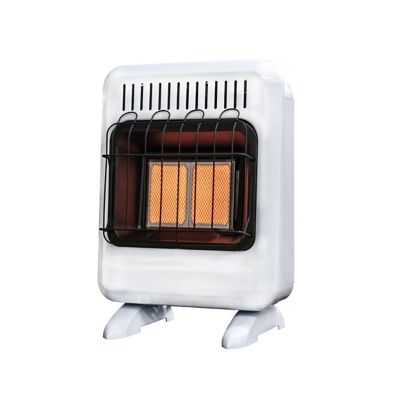
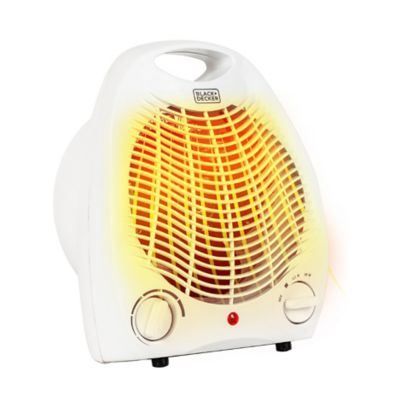
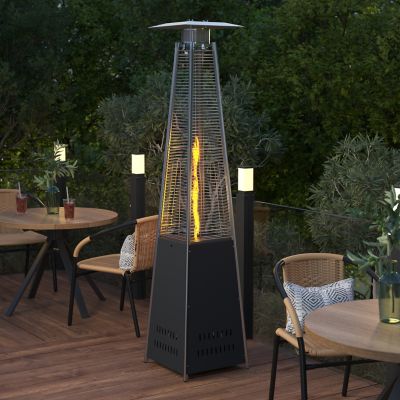
Cool touch heaters are space heaters designed with housings that help limit heat buildup on the outside while an internal heating element warms the surrounding area. Insulation, cabinet construction, and airflow can all play a part in keeping certain exterior surfaces cooler than the heat source inside. The term “cool touch” does not mean every part stays cold or that touching the heater is always safe. Outlet grilles, vents, and nearby surfaces can still get hot, and the manufacturer’s instructions identify which parts are meant for handling. That distinction matters in a farmhouse living room, a home office beside a drafty hallway, or a sitting area where people pass close to furniture. These heaters provide supplemental warmth for occupied spaces rather than replacing a whole-home heating system. Depending on the design, a ceramic element and fan may send warmed air into the room, while an infrared heating system may deliver radiant warmth or combine it with fan-assisted circulation. The exterior designation alone does not tell you how the heater produces heat, how much space it serves, or how quietly it runs. Those details come from its heating method, wattage, controls, and stated operating limits. A compact housing can fit more easily into a smaller room, while a taller or wider cabinet needs a larger clear area around it. Neither shape alone establishes heating performance. For someone settling down with the farm records or reading after evening chores, the practical benefit is warmth close to the activity without turning up heat throughout the house. Even so, a cool touch exterior is only one part of a heater’s safety design. Children and pets still need distance from the appliance, and a heater should never become a perch, footrest, or place to drape gloves. Keeping its purpose straightforward—supplemental room heat with open space around it—helps make sense of the category without giving the casing more credit than it deserves.
Room size and layout are useful starting points when comparing cool touch space heaters. A closed bedroom with standard-height ceilings presents a different heating task than an open living area with a stairway, tall ceilings, and several doorways. Drafts, insulation, and window area also affect how much warmth stays in the space. Manufacturer room-size recommendations offer a reference, but they are not a promise of the same results in every home. Check the wattage along with the intended application; many household electric space heaters draw substantial power at their highest setting. Adjustable heat levels let you choose a lower output when full heat is unnecessary, while a thermostat cycles or adjusts operation around a selected temperature. A digital display can make settings easier to read, especially when the heater sits across a small room. For shoppers who prefer a visible temperature setting and electronic controls,
Digital Heaters offer another way to compare those features, though a digital control panel does not establish whether the housing has a cool touch design. Oscillation, where included, changes the direction of airflow to spread warmth across a wider area. Fan sound deserves attention in a bedroom, television room, or office where phone calls are part of the day. Remote controls and timers can simplify adjustments, but neither takes the place of supervision or proper placement. Physical fit matters just as much as the control panel: allow for the full base, cord routing, access to controls, and every clearance listed in the manual. Housing materials may include heat-resistant plastics, metal components, or cabinet-style construction, depending on the design. Material alone does not establish how hot the outside becomes. A stable base, securely fitted housing, and a designated carrying handle can make everyday handling more manageable. If the heater moves between rooms, its weight and grip matter, too; switch it off, unplug it, and let it cool before carrying it.
Safe placement and regular care are central to getting steady service from a cool touch heater. Set a portable heater on a firm, level surface approved by its manufacturer, away from foot traffic and places where a cord could catch a boot or chair leg. Keep combustible materials at least three feet away, and follow any greater clearances in the instructions. That includes curtains, bedding, newspapers, upholstered furniture, and baskets of laundry. Plug an electric space heater directly into a suitable wall outlet, not an extension cord or power strip, and avoid running the cord beneath a rug. A loose-fitting plug, discolored outlet, damaged cord, or unusual heat at the connection calls for stopping operation and having the problem checked. Tip-over protection and overheat shutoff are valuable features to compare: one interrupts operation when the heater tips beyond its designed limit, and the other responds to excessive internal heat. Neither makes blocked vents or unattended operation acceptable. Look for a recognized testing laboratory’s certification mark and read the operating instructions before the first use. Turn portable space heaters off before leaving the room or going to sleep. Ordinary indoor heaters also do not belong near hay, bedding, fuel, solvents, or heavy airborne dust; a cool touch housing does not establish suitability for a barn, livestock area, or workshop. Damp locations require equipment specifically approved for those conditions. For upkeep, unplug the heater and allow it to cool before clearing lint, pet hair, and dust from accessible vents according to the manual. Keep water and cleaning spray out of the housing, and avoid opening the cabinet unless the manufacturer expressly directs it. Periodic checks of the base, grille, handle, plug, and cord help catch damage before the next run. When the heater is put away, a dry storage spot and a loosely gathered cord help protect it from moisture and strain. For a reading corner, home office, or everyday living space, the best fit brings together suitable heat output, manageable size, straightforward controls, and placement that leaves plenty of breathing room.