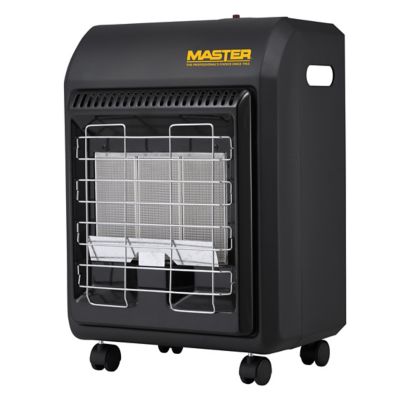
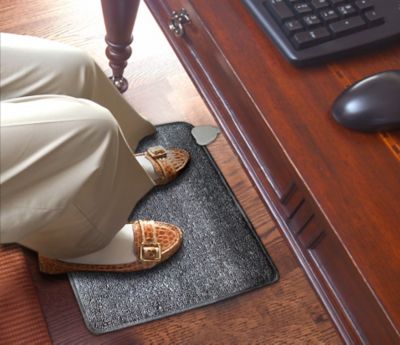
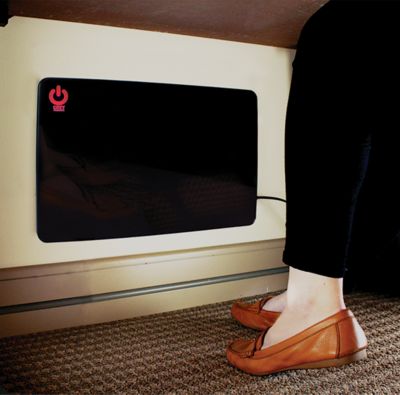
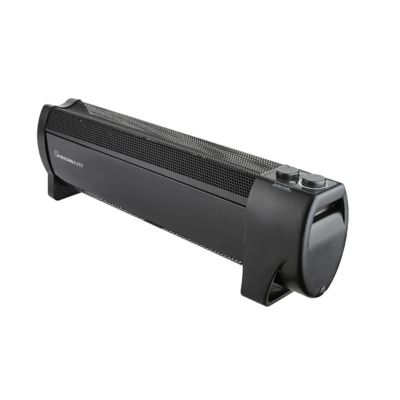
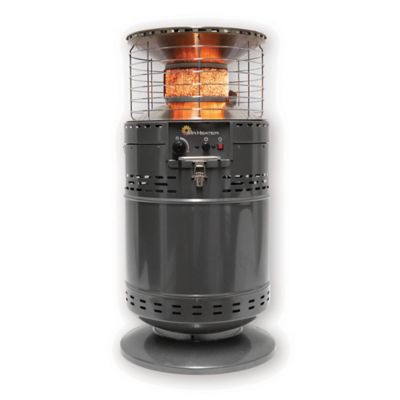
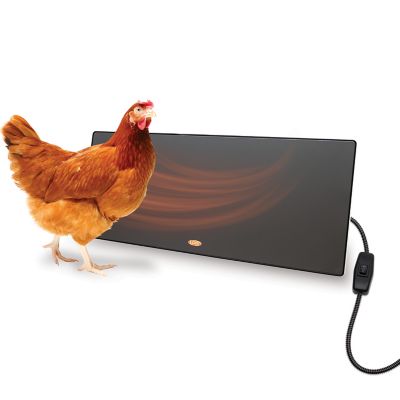
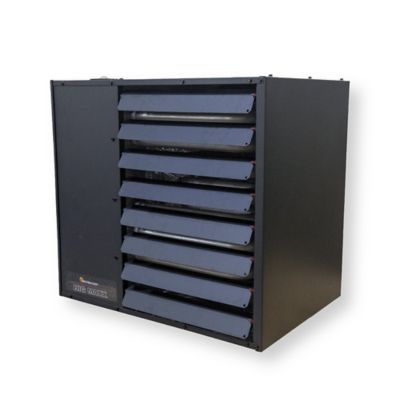
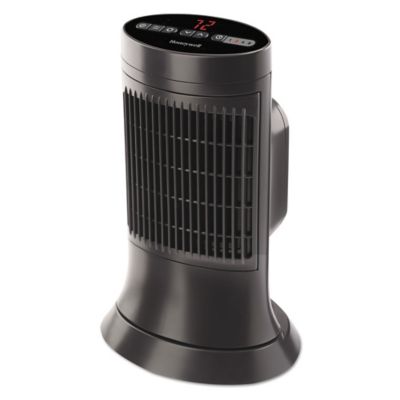
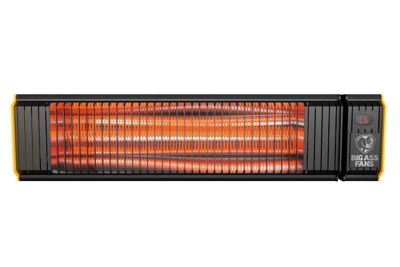
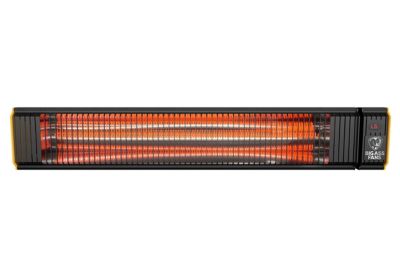
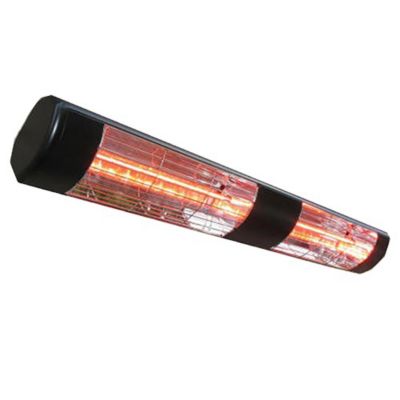
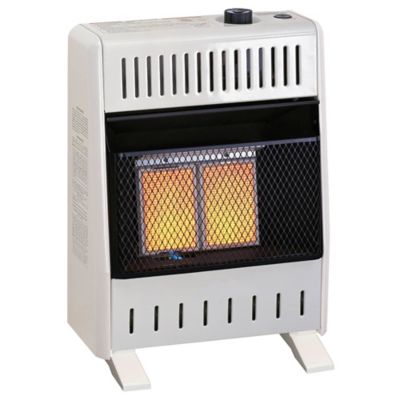
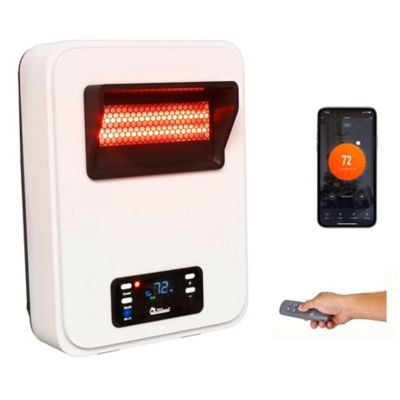
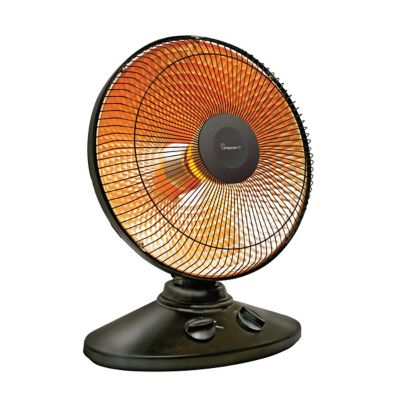
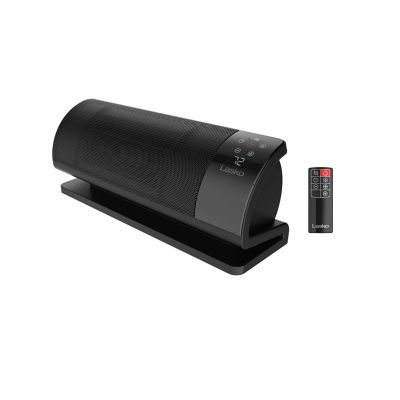
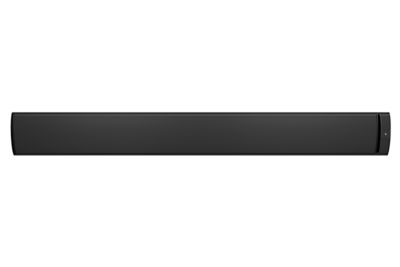
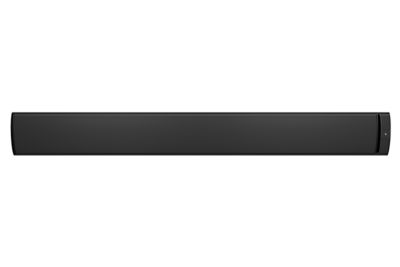
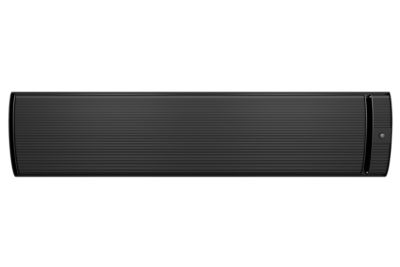
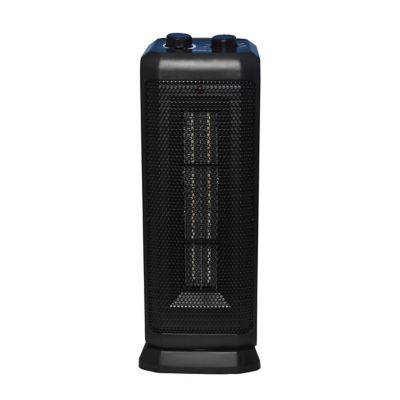
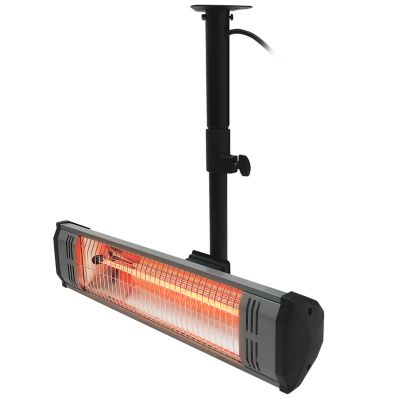
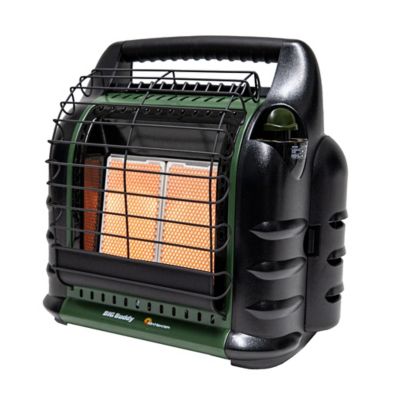
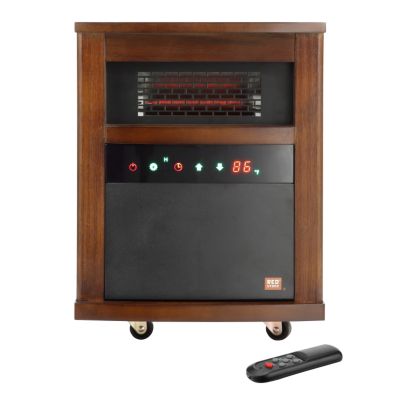
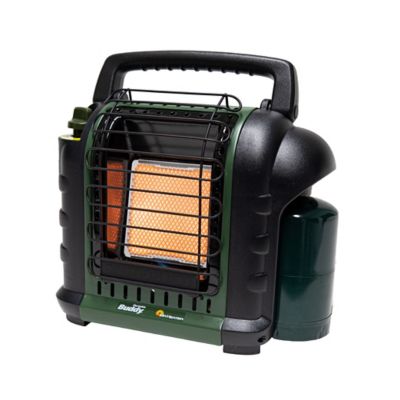
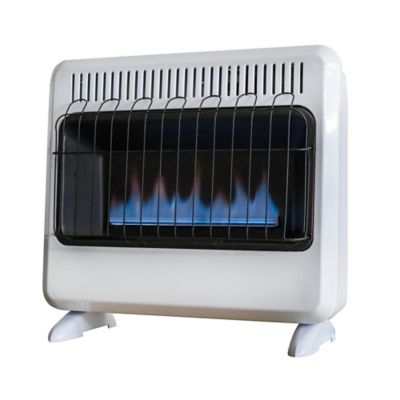
Low-profile heaters bring supplemental warmth to a room without the tall cabinet or broad footprint of a larger heating unit. Their shape is the main distinction: some sit low along a wall, some have a shallow panel body, and others fit into a properly prepared recess beneath cabinetry. That smaller profile can make a difference in a farmhouse office, a chilly sitting room, or a finished utility room where floor space already has a job to do. During the cooler months, a little extra heat near a desk or reading chair can make those spaces more comfortable without changing the thermostat setting for the whole house. Low-profile electric heaters generally deliver warmth through convection, radiant heat, fan-forced airflow, or a combination of these methods. Convection moves warmed air through the room, radiant heat warms people and nearby surfaces in its path, and a fan helps circulate heated air. The heating method affects how the warmth feels, how quickly it reaches a seating area, and how much operating sound comes with it. A quiet convection design may suit evening reading, while fan-forced heat may appeal in a room where quicker air circulation matters more than silence. Baseboard-style heaters have a long, low shape that follows the edge of a room; slim panel heaters keep their depth modest; and kickspace heaters are intended for compatible cabinet recesses. These styles are not interchangeable, even when their dimensions look similar. A portable heater belongs only in the locations permitted by its instructions, while a recessed unit needs the mounting space, ventilation, and electrical connection specified for that design. Low profile describes the heater’s physical shape, not a promise of lower electricity consumption or greater heating capacity. For shoppers comparing other small-footprint shapes alongside these low-slung options,
Compact Heaters offers a related category to explore. The right fit comes down to the room, the heating method, and the amount of open space the unit needs to operate safely.
A heater that fits the wall still needs enough output for the space around it. Room dimensions, ceiling height, insulation, drafty windows, and exterior doors all affect how much supplemental heat feels comfortable. A closed home office with a standard ceiling presents a different job from a large room with an open stairway and a door that swings open throughout the day. Published room-size ratings offer a starting point, but they do not account for every building or every cold spell. Wattage describes electrical input, and higher wattage generally means more heat output among electric resistance heaters; a slimmer housing alone does not make the same wattage heat a larger room. Adjustable heat settings and a thermostat can help match operation to changing conditions, whether the room needs a short warm-up before morning paperwork or steady comfort through an afternoon at the desk. Thermostat placement matters, too, since a sensor close to the heater may read differently from the air across the room. Fit includes more than width and height. A long baseboard-style body needs an unobstructed stretch of wall, a panel needs the proper mounting support or approved feet, and a kickspace installation needs the correct opening and service access. Outlet position, cord reach, floor coverings, and nearby furniture all belong in that picture. A heater should not have to share its breathing room with a feed sack, a hanging coat, or the edge of a sofa. For portable electric heaters, safety guidance generally calls for at least three feet of separation from combustible materials, with any greater manufacturer-specified clearance taking priority. Fixed heaters have their own installation clearances. Metal housings, protective grilles, stable bases, and firmly attached controls are practical construction details worth attention, especially where boots and daily foot traffic are part of the setting. A metal exterior can still become hot, and a compact body does not make a heater suitable beneath every desk or beside every walkway. Enough room for airflow and safe passage matters just as much as a tidy footprint.
Everyday convenience shows up in the small details once a heater becomes part of a room. Easy-to-read controls help when adjusting warmth before settling in with a seed catalog or a stack of household paperwork. Multiple output settings allow a gentler level of heat when the chill is mild, while a timer can limit a heating period without standing in for supervision. Fan sound, indicator-light brightness, handle placement, and access to the controls can all affect whether a design feels at home in a bedroom, office, or sitting area. Depending on the heater, safety features may include overheat protection, a tip-over shutoff on portable designs, or an exterior engineered to limit surface temperatures. Those features add protection but do not replace clearance requirements, proper installation, or care around children and pets. Portable electric space heaters belong directly in a suitable wall outlet rather than an extension cord or power strip, and their electrical load needs to suit the circuit. Hardwired installations call for a qualified electrician and compliance with local requirements. Bathrooms, damp rooms, garages, and outbuildings require particular attention to the heater’s listed applications; an ordinary indoor heater is not automatically suitable for moisture, heavy dust, or freezing conditions. Areas containing hay, bedding, gasoline, solvents, or airborne combustible dust need heating equipment specifically appropriate for those hazards. Care is usually straightforward but matters for service life: dust and lint can collect at intake openings, along grilles, and around a low-mounted body. Cleaning should follow the manufacturer’s directions with power disconnected and the heater fully cool, without letting water enter electrical parts. An intact cord, a sound plug, clear air openings, and secure mounting hardware help keep the unit ready for routine operation. Portable heaters also need a dry storage spot where cords will not be pinched beneath tools or boxes between seasons. For households looking to take the chill out of a frequently occupied room, low-profile heaters offer a practical balance of supplemental warmth and space-conscious design, provided their heating capacity, placement requirements, and intended setting all line up with the job.