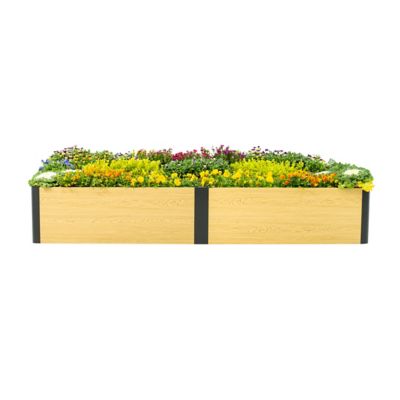
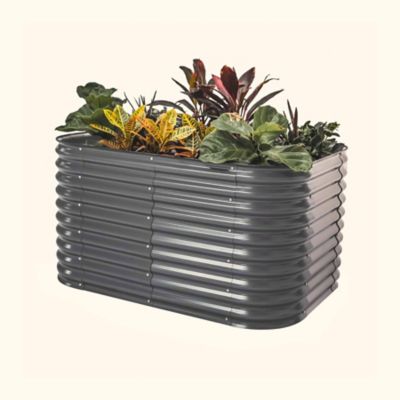
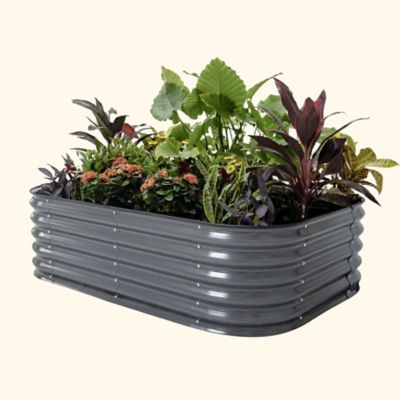
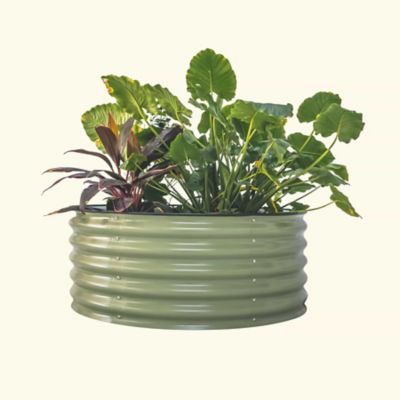
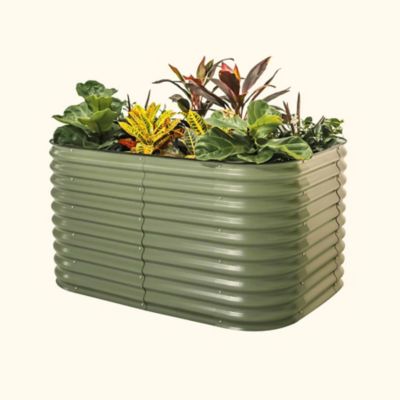
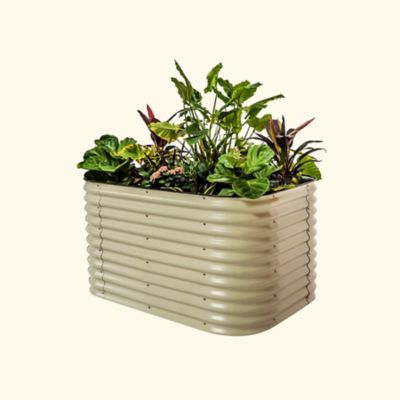
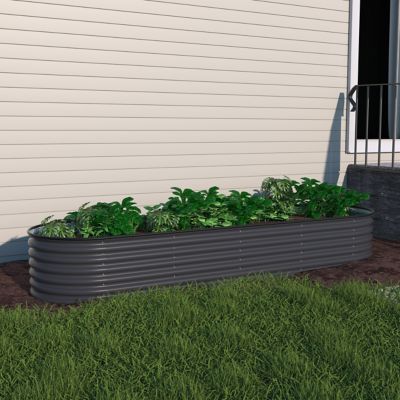
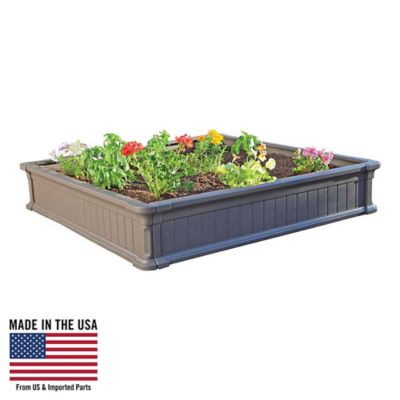
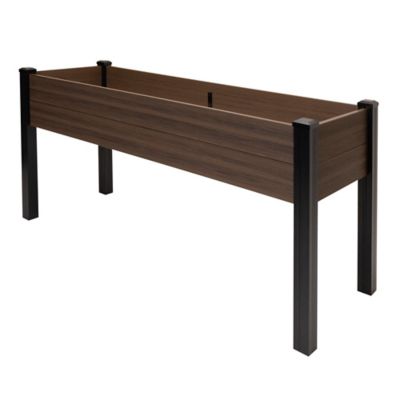
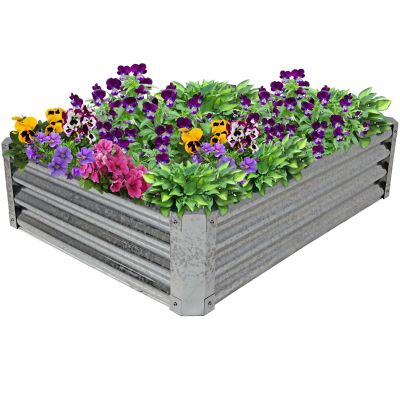
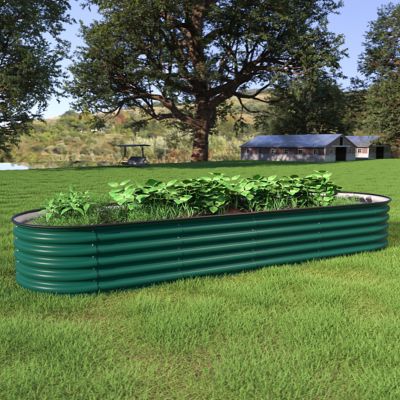
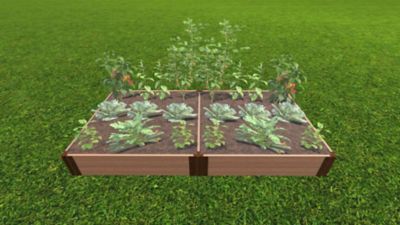
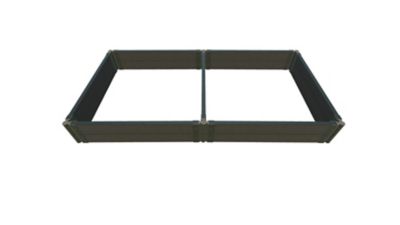
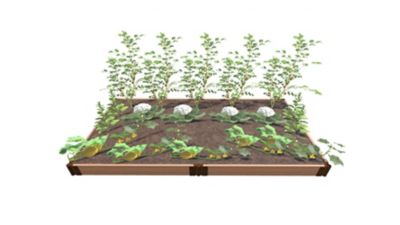
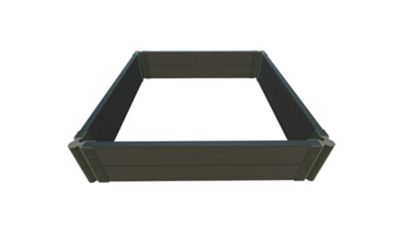
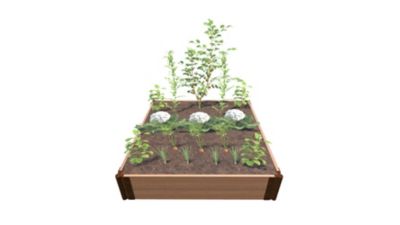
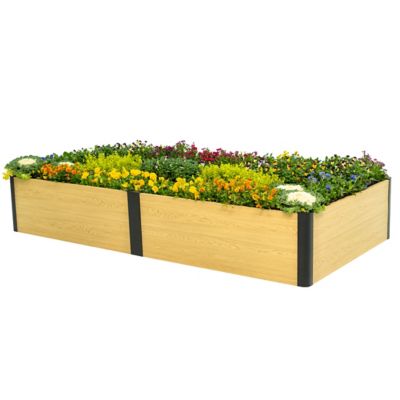
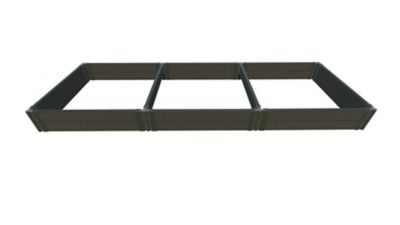
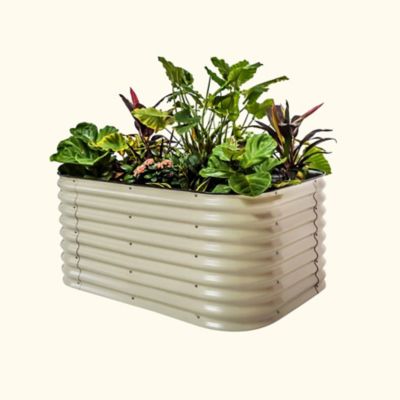
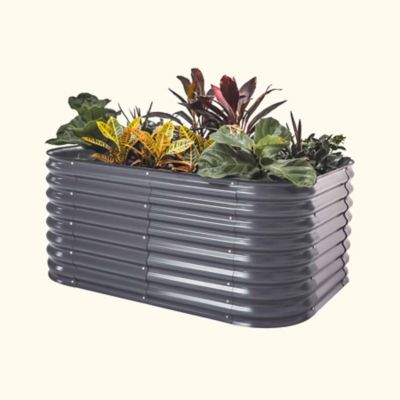
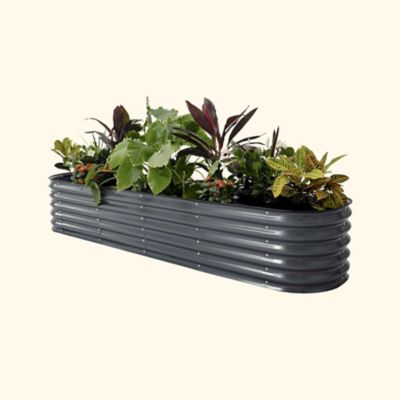
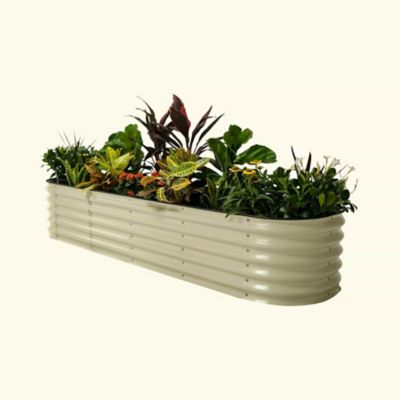
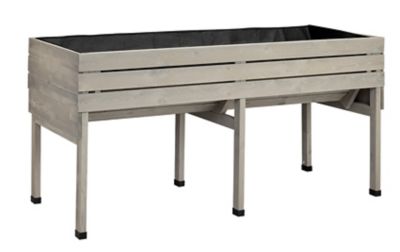
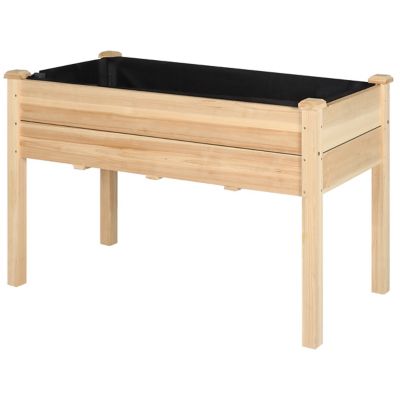
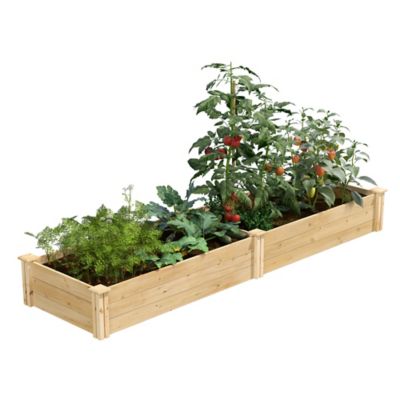
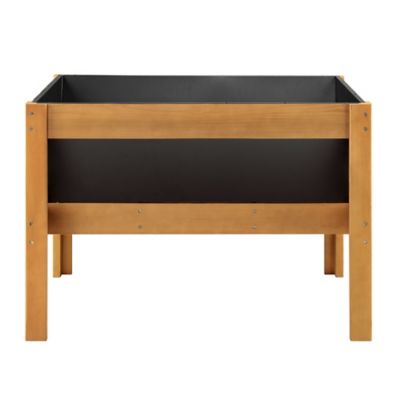
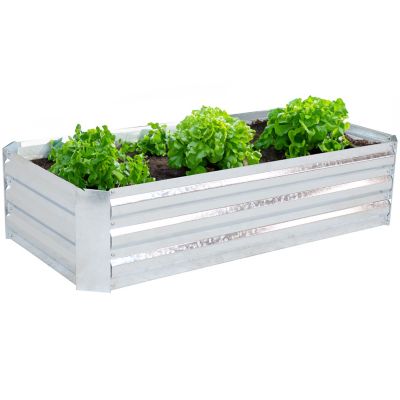
Composite raised garden beds give gardeners a sturdy, tidy way to grow vegetables, herbs, flowers and pollinator plants without building a permanent garden wall from lumber or masonry. These beds are generally made from a blend of recycled plastic and reclaimed wood fibers, creating a material that looks at home beside a farmhouse, shed or back patio while standing up well to everyday outdoor use. Unlike untreated wood, composite boards resist moisture, rot, insects and weather-related wear, and they do not need regular painting, staining or sealing. The surface is also smooth and splinter-free, which is handy when little ones are helping tuck in lettuce seedlings or when you are tending plants with bare hands. Composite raised garden beds come in several shapes and sizes, from compact frames for a porch or small yard to wider modular layouts that can hold a serious crop of tomatoes, peppers, greens and root vegetables. Low-profile beds work well in open ground, where their defined edges help keep soil and mulch in place. Elevated and stand-up designs bring the growing surface closer to waist height, making them a practical choice for patios, balconies, small-space gardeners and anyone who prefers less bending and kneeling. When choosing a bed, start with the space available and the kind of plants you want to grow. Measure the area carefully, leaving room to walk around the outside and reach the center without stepping into the soil. A narrow bed is often easier to tend than a very wide one, especially if it will sit against a fence or wall. Taller sides provide more room for rich soil and deeper-rooted crops, while shorter frames may be all that is needed for herbs, salad greens and flowers. Gardeners comparing layouts may also want to browse
Rectangular Raised Garden Beds when planning a straight, space-efficient arrangement along a sunny stretch of yard.
One of the biggest advantages of composite raised garden beds is their low-maintenance construction. They are a good fit for busy households, first-time gardeners and experienced growers who would rather spend time planting than repairing garden borders. The boards will still need a level foundation and sensible placement, but they are not likely to demand the seasonal upkeep associated with many natural wood beds. Set the frame on firm, well-drained ground with plenty of sunlight, then fill it with quality garden soil or a suitable blend of topsoil, compost and organic matter. Avoid filling a deep bed with plain topsoil alone, since it can become heavy and compacted; a looser mix gives roots room to spread and allows water to move through the bed. Check the assembly instructions for the specific kit, since corners, connectors and support pieces vary by design. On uneven ground, leveling the site before assembly helps prevent stress on the frame and keeps irrigation from collecting at one end. If burrowing pests are common in your area, a layer of hardware cloth or chicken wire beneath an in-ground bed can help discourage digging animals while still allowing drainage. Use a fine mesh for smaller pests, and secure the edges so there are no easy gaps. Raised beds do not automatically eliminate weeds or insects, but their defined growing area makes it easier to add compost, inspect leaves, rotate crops and keep pathways clear. During the cooler months, they can be prepared for the next growing season with a top layer of compost or mulch. Hardy greens, garlic and other cool-weather plantings can make good use of the space, while empty beds can simply rest under mulch until the weather warms. Composite frames are also useful for organizing a cutting garden, a small kitchen garden or a dedicated patch for plants that need different soil conditions from the rest of the yard.
A composite raised garden bed can make a thoughtful gift for a new homeowner, a neighbor with a sunny patio, a grandparent who enjoys growing herbs or a family ready to try gardening together. It is especially useful for people who have limited yard space, want a cleaner garden layout or need a more comfortable alternative to working directly at ground level. Pairing a bed with garden soil, compost, hand tools, seeds, plant supports or a watering wand can turn it into a practical housewarming or birthday gift without requiring a large backyard. Before giving one, consider where the recipient plans to place it, whether they can assemble it themselves and how much soil the finished bed will require. A small elevated frame may suit an apartment balcony, while a larger modular bed is better for someone with open ground and room to grow several crops. Keep weight in mind for decks and balconies, since soil becomes considerably heavier after watering; the support surface should be checked before installation. For food gardens, choose growing media labeled for vegetables and follow the manufacturer’s care and use instructions. Composite material is valued for its resistance to rot and splintering, and quality garden-bed construction is designed to provide a durable growing border without routine chemical treatments such as wood preservatives, paint or stain. Good drainage remains important, so do not block drainage openings or place a bed where standing water collects. With a little planning, these beds can bring order to a sprawling garden, turn an unused corner into a productive growing spot and make planting easier to manage from one season to the next. As the weather shifts through the cooler part of the year, a well-placed composite frame can serve as a neat foundation for fall crops, winter preparation and the garden plans waiting for warmer days.