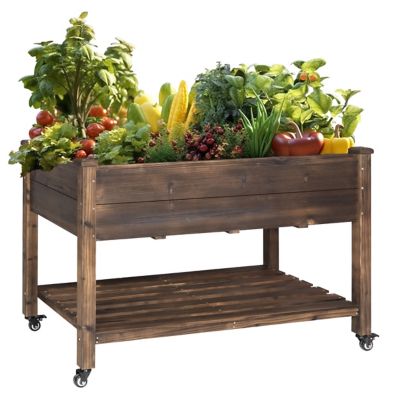
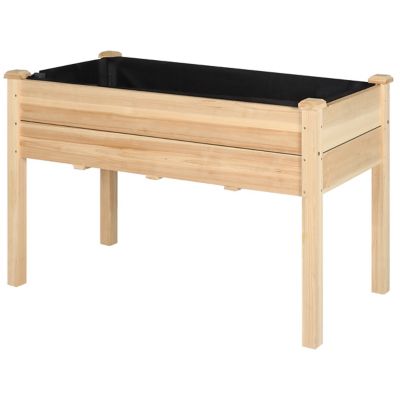
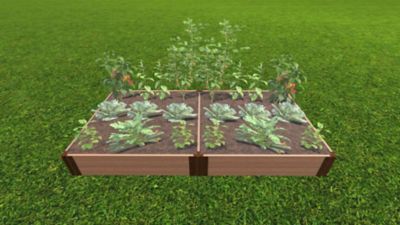
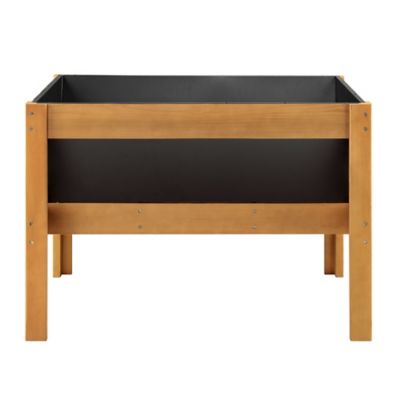
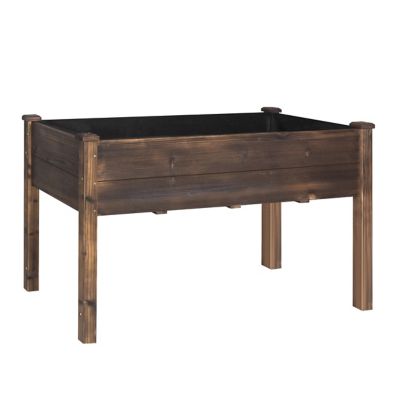
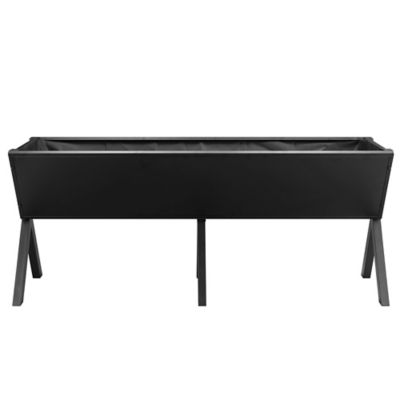
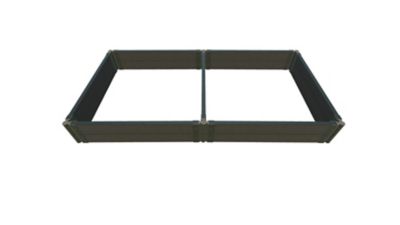
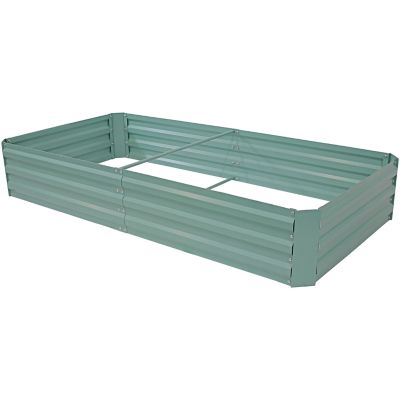
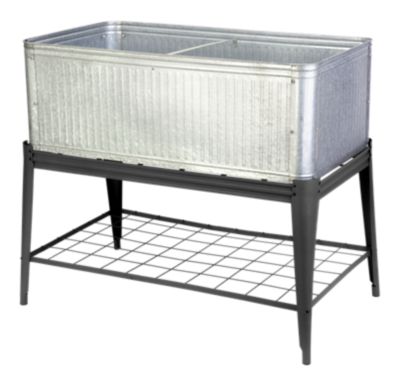
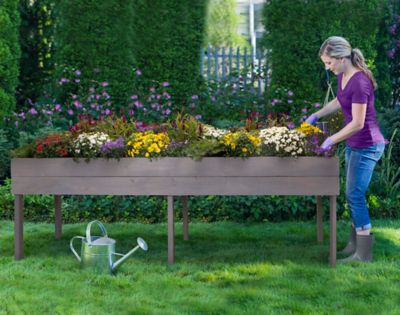
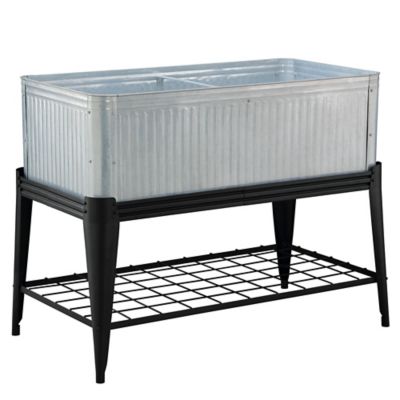
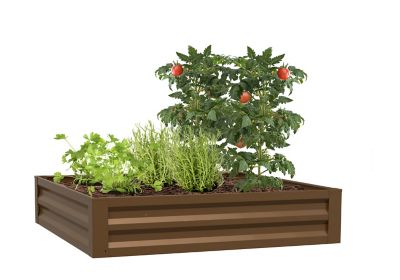
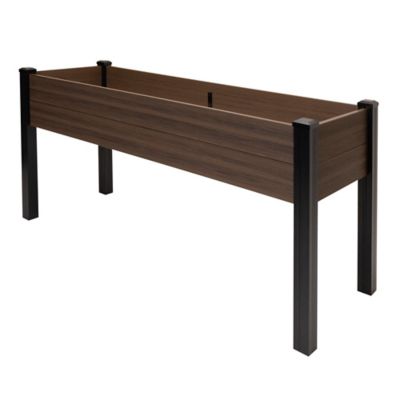
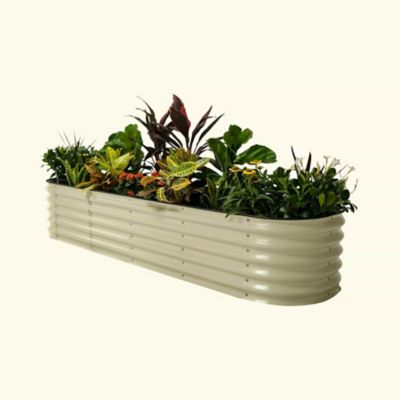
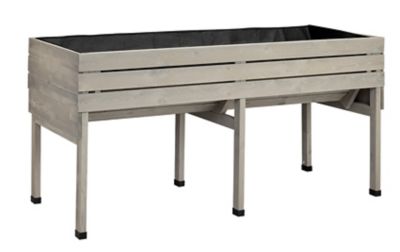
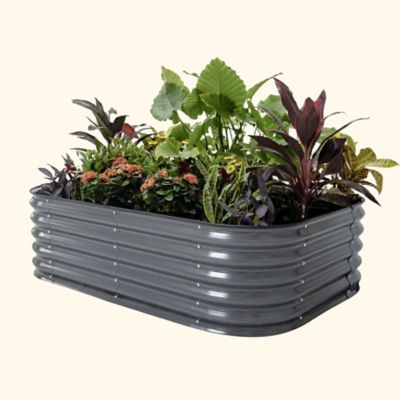
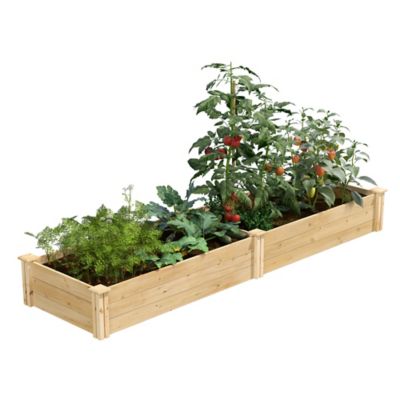
Raised garden beds give vegetables, herbs, and flowers a defined growing space above the surrounding ground. Most consist of a wood, metal, or composite frame filled with soil, though some sit on legs with an enclosed planting box. That distinction matters: an open-bottom bed rests directly on the ground, while an elevated planter holds its soil above the surface beneath it. Both can bring a kitchen garden closer to the back door, turn a patch of hard-packed ground into a planting area, or keep rows of greens separate from the rest of the yard. Raising the planting area allows more control over soil texture and drainage, especially where the existing ground is heavy clay, rocky, or difficult to work. Keeping feet outside the frame also helps limit soil compaction around roots. A raised bed does not eliminate weeds, but its clear boundaries make stray grass and unwanted growth easier to spot and manage. For a household growing salad greens and a few peppers, one manageable bed may be plenty; a larger vegetable patch can take shape as several beds with walking paths between them. Rectangular frames suit straight rows and tidy layouts, while square and rounded shapes can fit smaller spaces or soften the edge of a patio. The best fit depends as much on access as on planting space. Beds about 2 to 4 feet wide are common because the center stays within reach from either side, though a comfortable reach varies from person to person. A bed against a fence generally needs to be narrower because only one side is accessible. Length can follow the space at hand, provided there is room to walk around the ends. For most fruiting vegetables, a location with about 6 to 8 hours of direct sunlight each day supports productive growth. Nearby access to water makes tending the bed less of a chore, especially when the garden sits a good distance from the house.
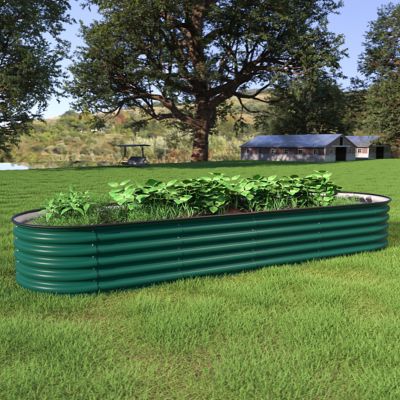
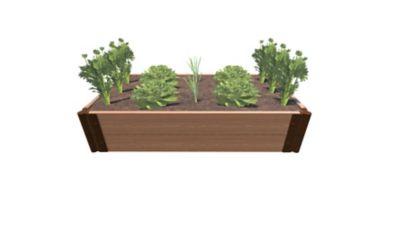
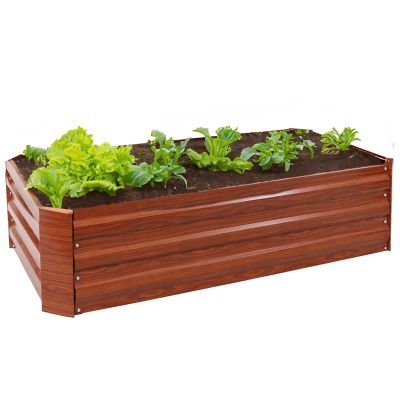
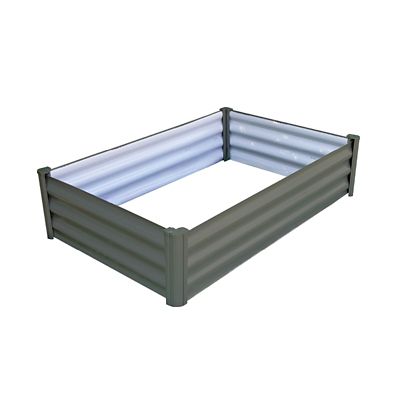
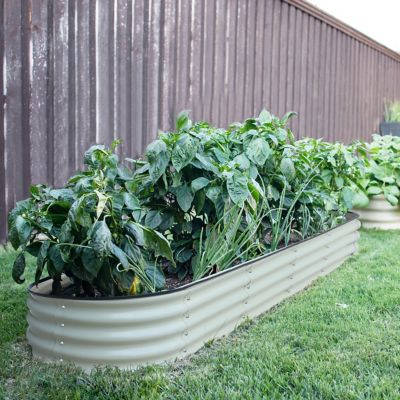
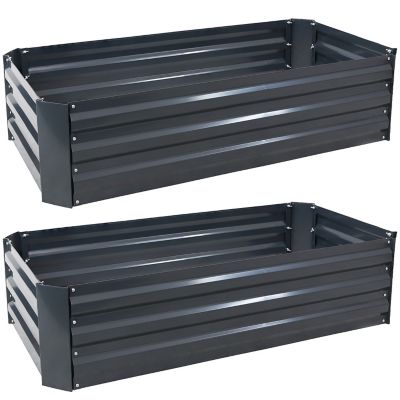
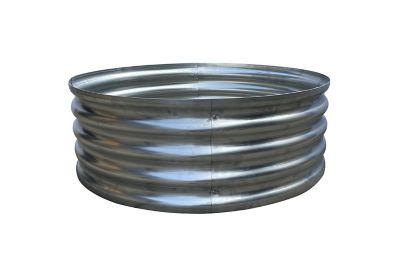
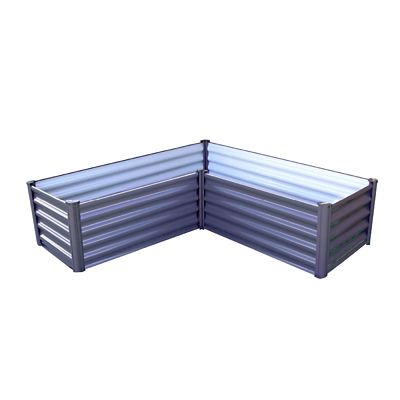
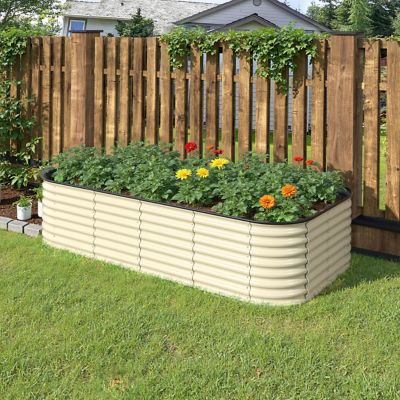
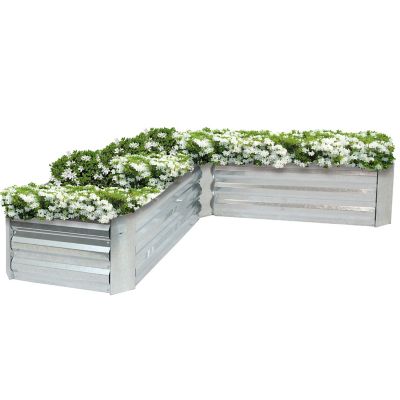
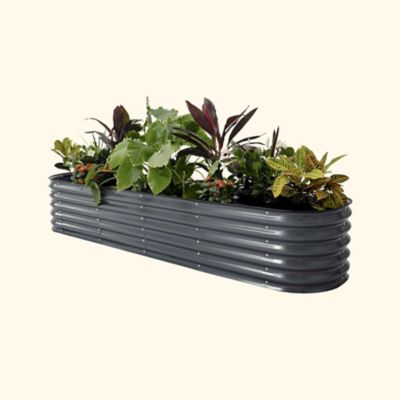
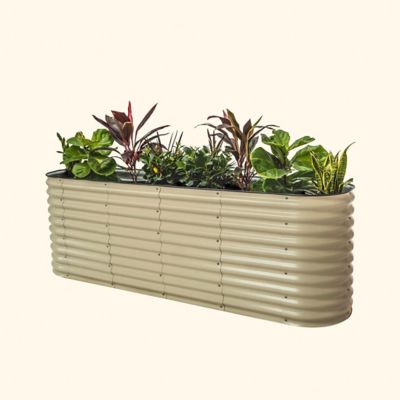
Material affects how a raised garden bed looks, how it goes together, and what attention it needs over time. Wood offers a familiar look alongside a fence, shed, or gravel path, with substantial boards that give the planting area a solid outline. Cedar and redwood have natural resistance to decay, but no wood stays unchanged indefinitely in contact with damp soil. Board thickness, corner construction, and suitable hardware all contribute to how well a wooden frame holds its shape. Galvanized steel offers comparatively thin walls that leave more of the footprint open for planting, and its protective zinc coating helps resist corrosion. It is not rust-proof; scratches, exposed edges, and prolonged contact with certain soil amendments can affect that protection. Finished top edges or protective trim deserve attention anywhere hands and forearms will rest during planting and harvest. Composite frames vary in their ingredients and construction, with some combining wood fibers and plastic. They can offer an alternative to solid lumber, though support spacing and assembly requirements still matter. Across materials, taller or longer walls may need braces to resist outward pressure from the soil. Secure corners, snug connections, and level placement help keep the frame steady once filled. Assembly can range from fitting panels into corner posts to fastening several sections together, so checking the required tools and finished dimensions helps prevent an awkward fit beside the walkway. Care is generally straightforward: clear soil from exposed joints, check fasteners periodically, and follow the manufacturer's directions for cleaning or protective finishes. For food gardens, materials and any coatings should be suitable for the intended planting use. A bed chosen for herbs near the porch may call for a different finish and footprint than a roomy vegetable bed beside the barn, but both benefit from sound construction and easy access for upkeep.
Bed height and usable soil depth are separate measurements worth comparing. An elevated planter may stand at a comfortable working height while offering a relatively shallow planting box, whereas a tall ground-level frame can hold a much deeper layer of soil. Shallow-rooted greens and many herbs can grow in roughly 6 to 12 inches of suitable soil, while carrots and other root crops need enough loose depth for the variety being planted. Tomatoes and other large vegetables benefit from a deeper root zone, adequate spacing, and room for supports. In an open-bottom bed, roots may extend into the ground below if that soil is suitable and has not been blocked by a barrier. Enclosed planters depend entirely on the depth and drainage of their planting box. Taller beds can reduce bending, and raised planters may bring small gardening tasks within easier reach, though legroom and approach space matter for anyone tending plants from a seated position. Filled soil is heavy, so elevated designs need an appropriate load rating, and placement on a deck requires attention to the structure's capacity. Drainage outlets should remain open, with consideration for where excess water will go. A loose growing mix that holds moisture without staying waterlogged supports root growth; the right blend depends on whether the bed connects to the ground or functions as a large container. For gardeners interested in a built-in water reservoir, a
Self Watering Raised Garden Bed offers another approach to moisture management. Reservoir designs can reduce watering frequency, but they still need monitoring and refilling according to plant needs and the planter's directions. Trellises, plant supports, and protective covers also need to fit the bed's dimensions and attachment points without crowding the path. For a gardener setting up a first vegetable patch, a family giving children a small space to tend, or someone looking to spend less time bent over garden rows, the most useful raised bed is one that matches the plants, the space, and the person doing the growing.