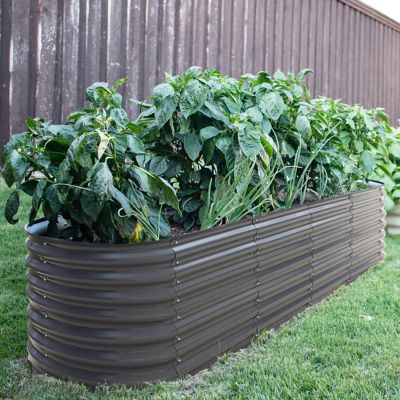
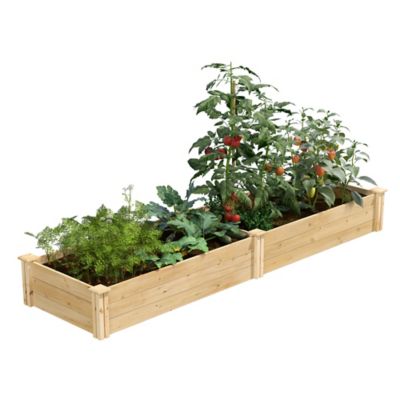
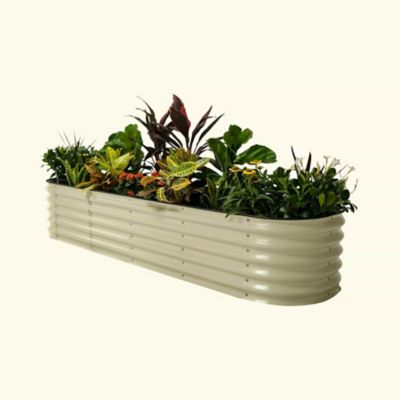
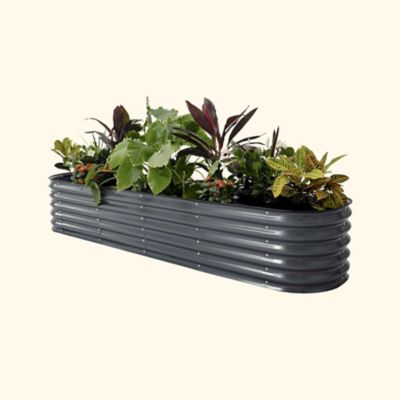
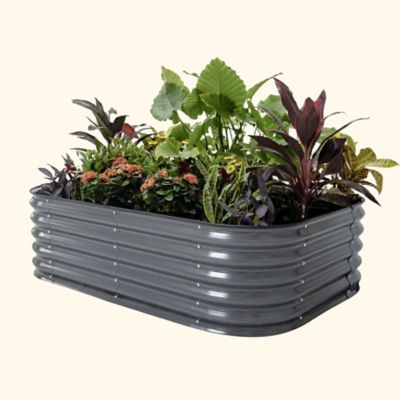
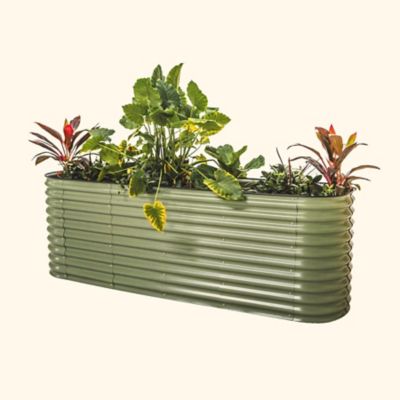
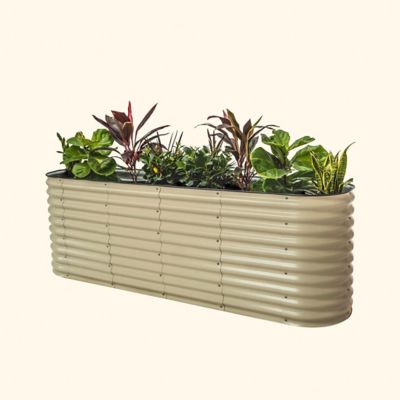
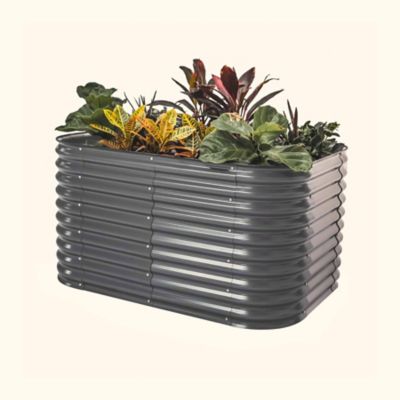
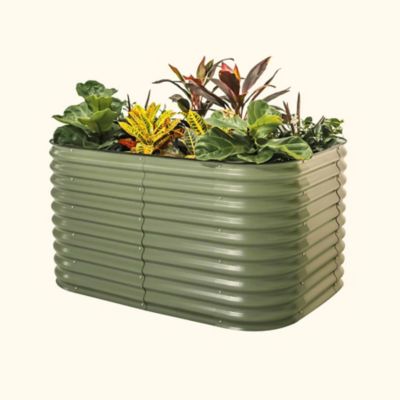
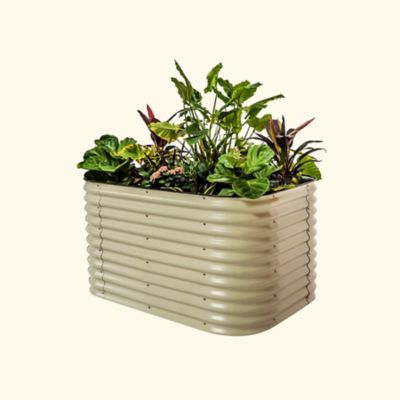
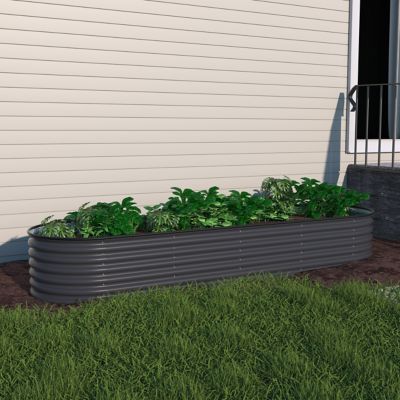
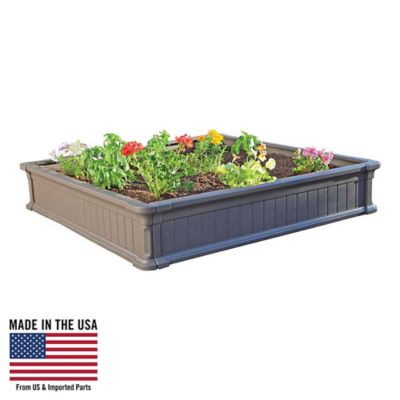
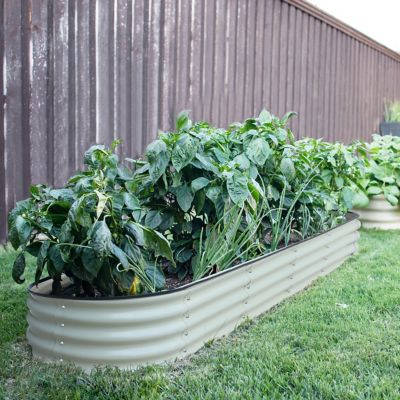
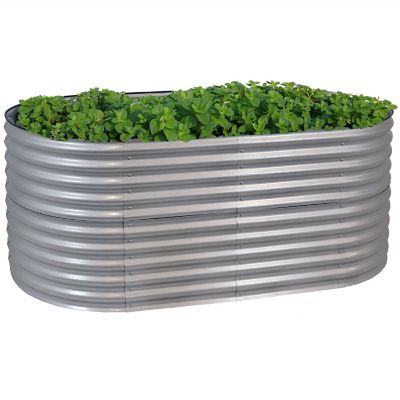
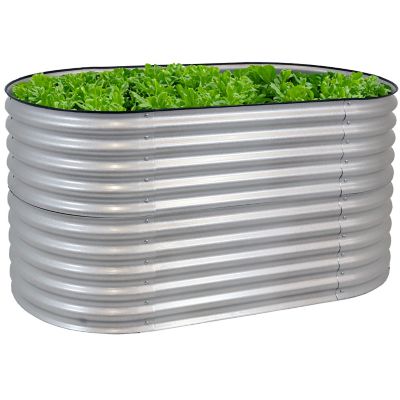
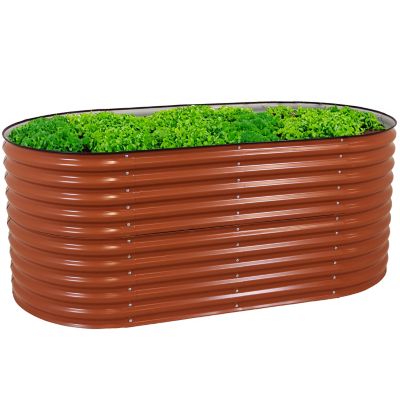
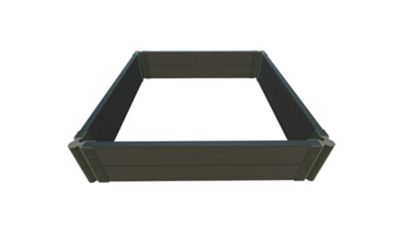
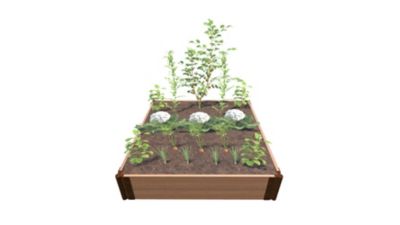
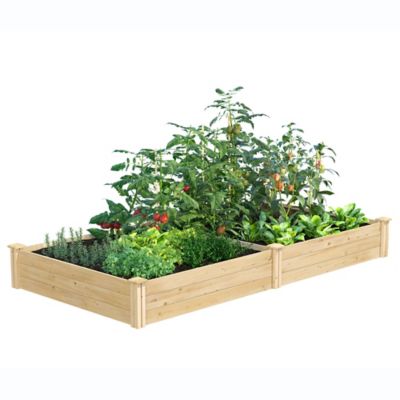
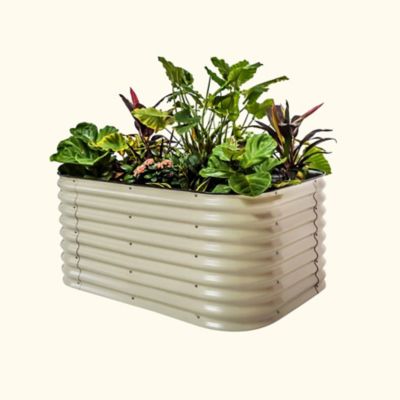
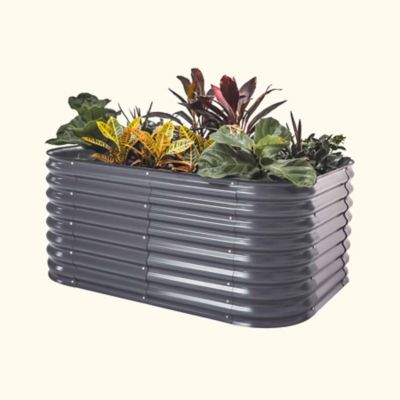
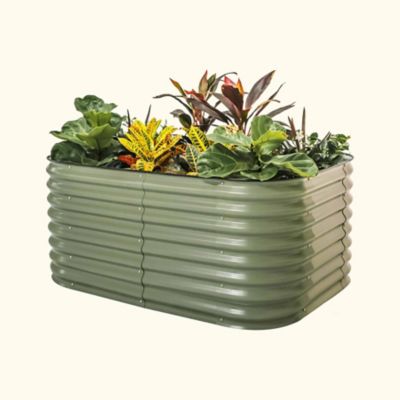
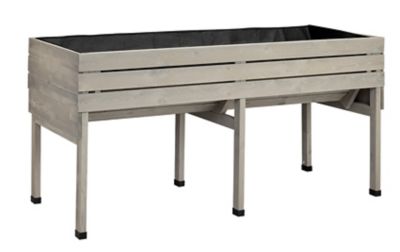
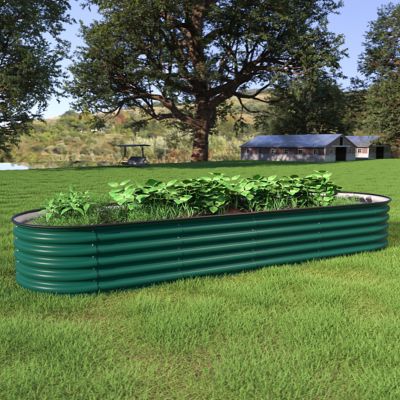
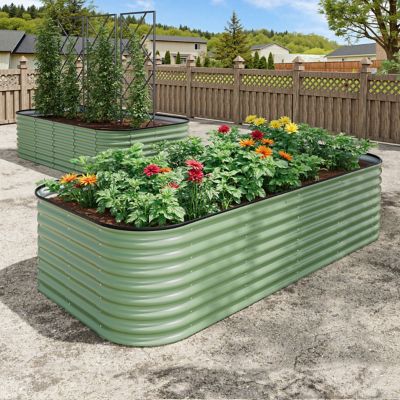
Stackable raised garden beds make it easier to grow a productive garden when ground space is limited, soil conditions are poor, or bending down to tend plants has become a chore. Built with modular sections, these beds can be stacked to create one taller growing area or arranged in tiers for a stepped, vertical layout. Add a single layer for shallow-rooted herbs, salad greens and flowers, then build upward when you need more planting depth for carrots, radishes, onions or other crops that develop below the soil line. Taller configurations can also make planting, watering and harvesting more comfortable, especially for gardeners who prefer to spend less time kneeling or stooping. They fit neatly into backyards, side yards, patios and other small growing spaces, while a well-planned arrangement can turn an unused corner near a shed, porch or fence line into a handy kitchen garden. Before choosing a setup, measure the space carefully and leave enough room to walk around the bed, carry a watering can and reach the center without stepping into the soil. Sunlight matters, too. Most vegetables and herbs perform best with several hours of direct light, while leafy greens and some flowers can handle a little more shade. A level surface helps stacked sections sit securely and keeps water from pooling on one side. On a patio, balcony or other hard surface, check the weight of the filled bed and use a liner or protective base when appropriate.
Material, size and construction all play a part in choosing the right stackable raised garden bed. Wood brings a warm, natural look that blends easily with a farmhouse garden, and naturally rot-resistant lumber is a practical choice for growing areas exposed to regular moisture. Resin or recycled plastic frames are lightweight, easy to clean and well suited to gardeners who want weather resistance without staining or sealing. Galvanized metal offers a sturdy, modern profile and will not rot or warp, though metal can warm in direct sun, so soil moisture deserves close attention during hot stretches. Look for strong corners, secure connectors and a design that allows sections to be added or removed without a complicated build. Interlocking joints, pins or other simple fastening systems can make assembly more manageable with ordinary household tools. Pay close attention to the interior dimensions and total height, not just the outside footprint. A shallow upper tier is useful for thyme, chives, lettuce and other compact plants, while deeper lower sections give roots more room to spread. Drainage is essential in every configuration; excess water should be able to leave the bed freely instead of collecting around plant roots. Fill the frame with quality garden soil or a raised-bed mix, and avoid using plain yard soil by itself if it is heavy or drains poorly. As the growing season winds down and the weather turns cooler, stackable beds can be refreshed with compost, covered with mulch or planted with cool-season greens where conditions allow. During winter, an empty bed is easy to inspect, clean and reposition, and modular sections can be adjusted before planting begins again as the weather warms.
These garden beds are a good fit for first-time gardeners, seasoned growers, renters, families and anyone looking for a more organized way to raise plants. A compact tiered arrangement can keep culinary herbs close to the back door, while a taller bed gives children a clear, manageable space to plant lettuce, strawberries or bright flowers. Gardeners with limited mobility may appreciate the raised working height, and apartment or townhouse residents can use a suitable configuration on a sunny patio when local rules and weight limits permit. The added height may also help make it harder for some ground-level pests, including slugs and snails, to reach plants, though no raised bed is completely pest-proof. Use mesh, netting or other appropriate protection when birds, rabbits or insects are a concern, and keep surrounding grass and weeds trimmed so pests have fewer hiding places. Stackable raised garden beds can be a thoughtful gift for a new homeowner, a retiree picking up gardening again, or a friend who enjoys fresh herbs but does not have room for a traditional garden. They are especially useful when paired with soil, hand tools, seeds or plant markers, giving the recipient a simple starting point without taking over the entire yard. For a longer, single-level planting area, compare these modular options with
Rectangular Raised Garden Beds. Whatever layout fits your space, plan crops according to root depth, group plants with similar water needs and keep frequently harvested herbs and greens within easy reach. With thoughtful placement and regular watering, a stackable raised bed can bring tidy rows, fresh flavor and a little bit of garden pride to spaces large and small.