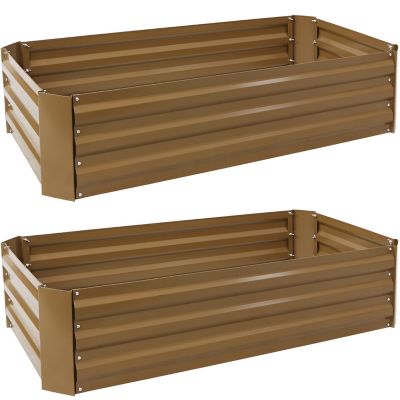
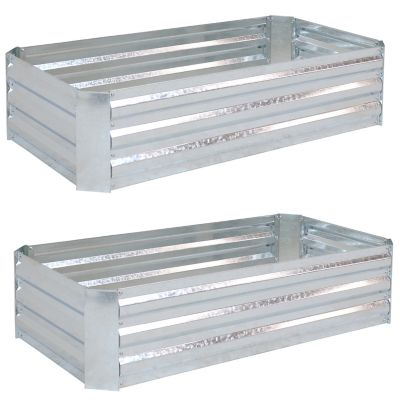
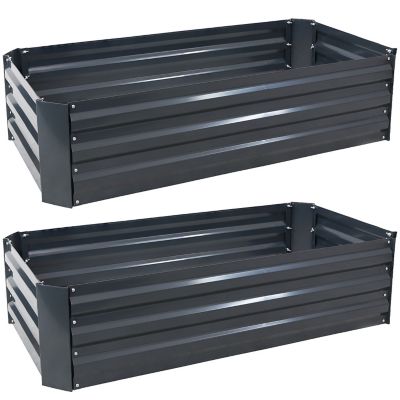
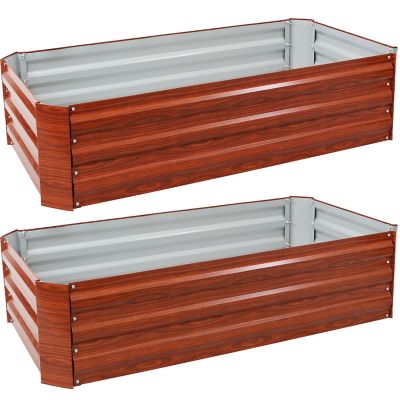
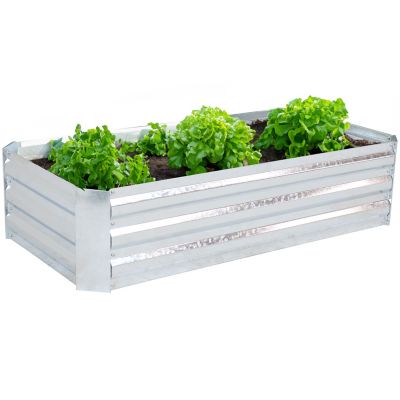
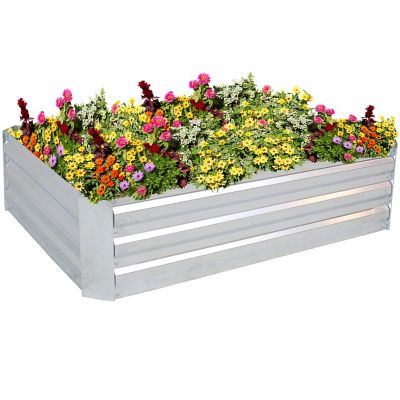
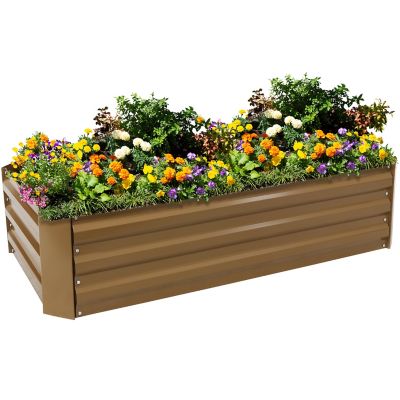
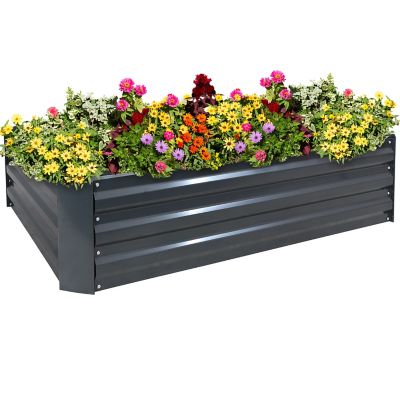
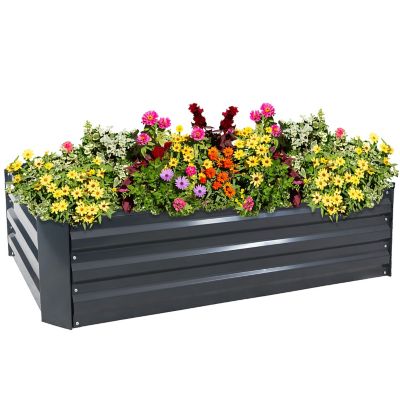
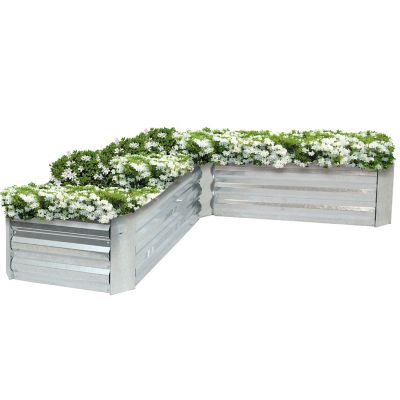
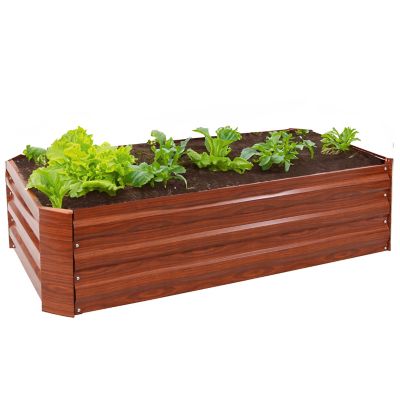
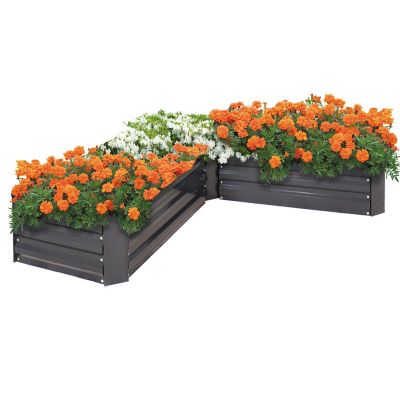
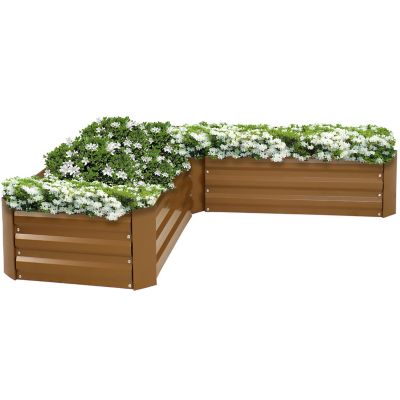
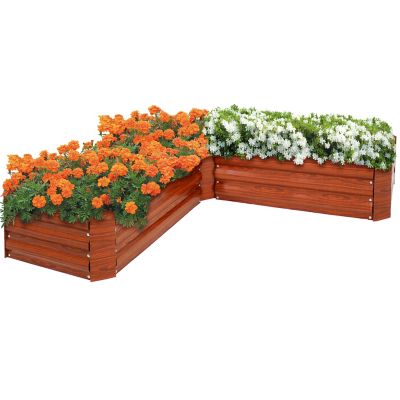
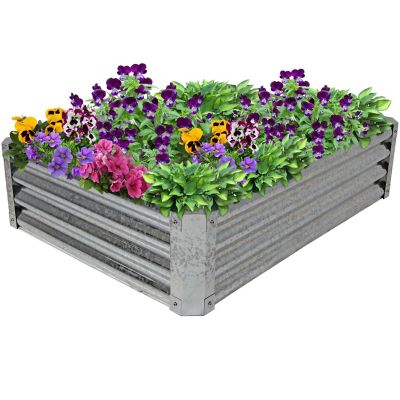
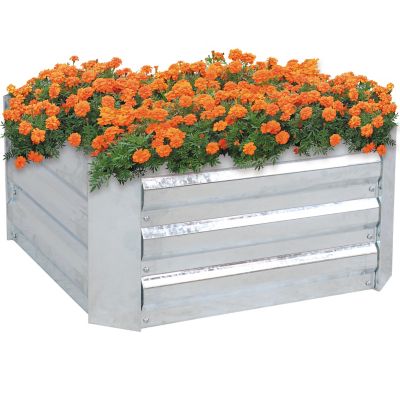
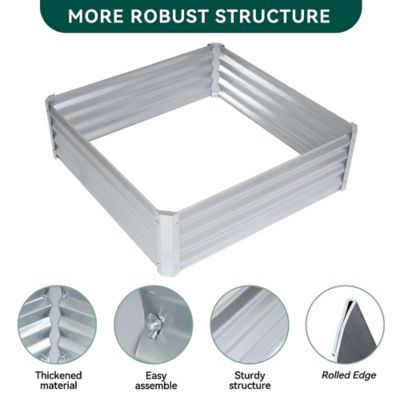
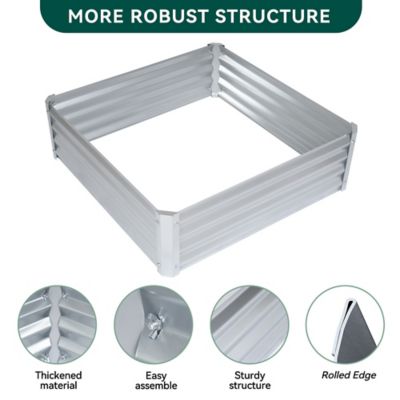
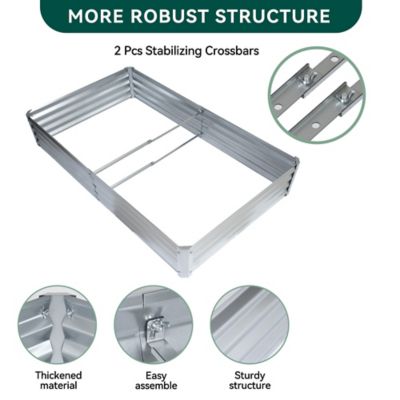
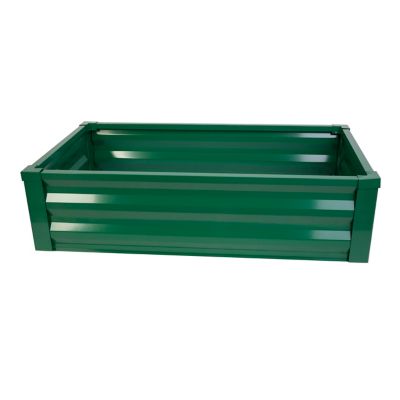
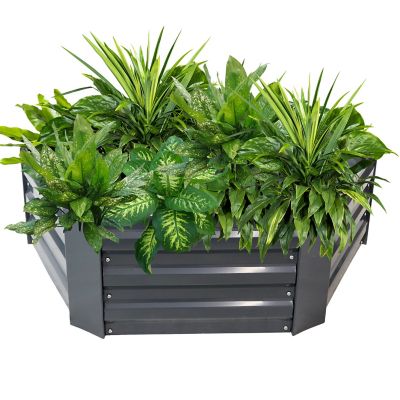
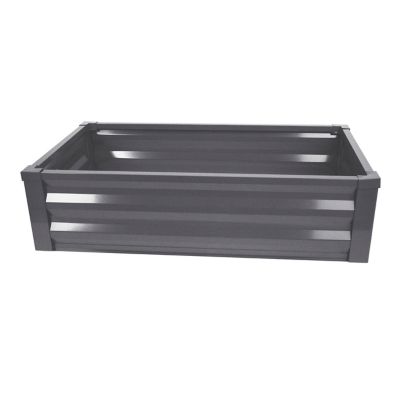
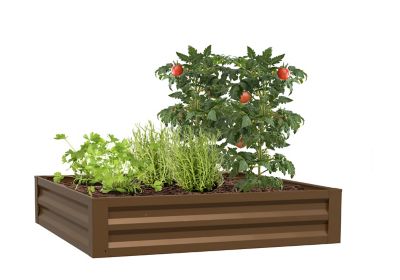
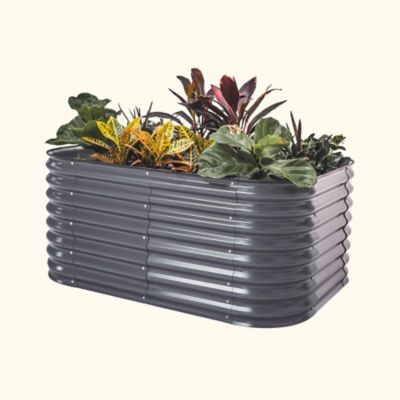
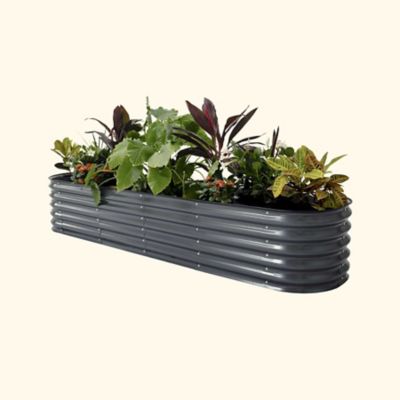
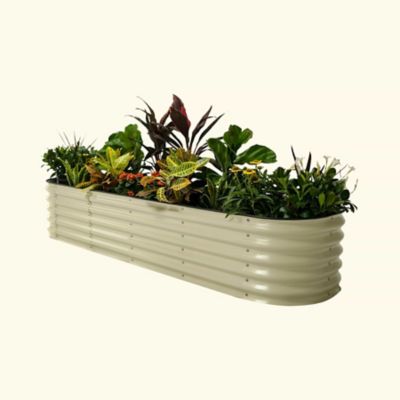
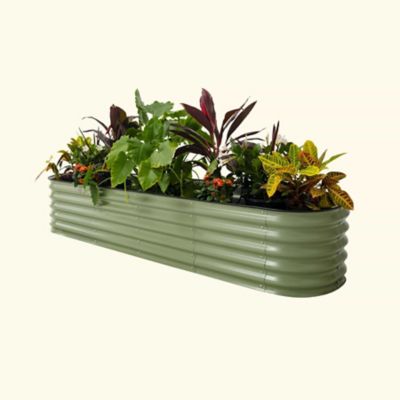
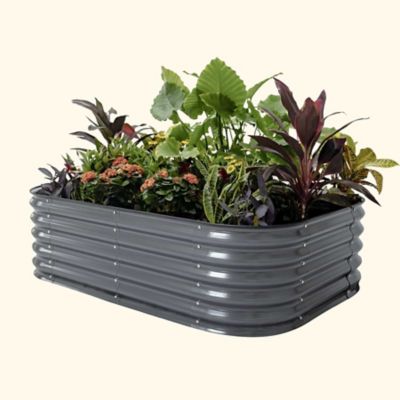
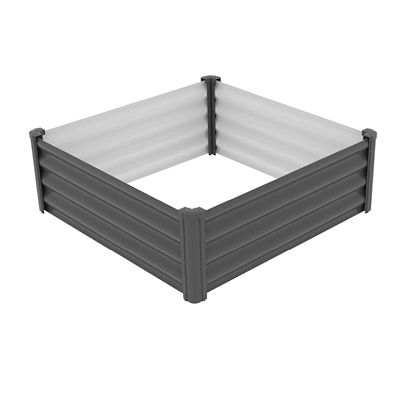
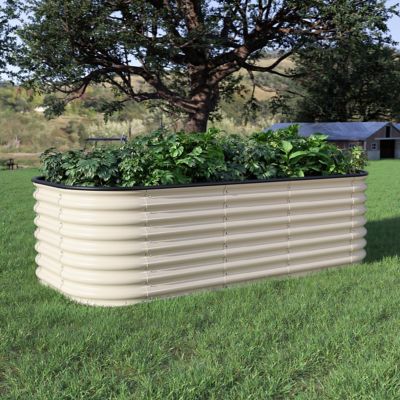
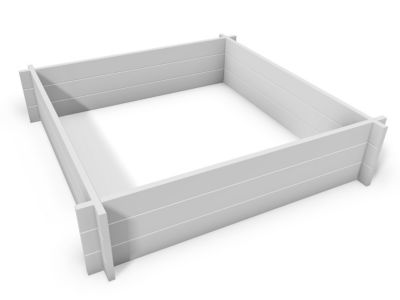
Corrugated metal raised garden beds are planting enclosures with ridged metal walls that hold growing soil above ground level. They give vegetables, herbs, and flowers a defined growing space, whether that means a small backyard patch or a larger kitchen garden beside a barn. The sides help keep planting areas separate from paths, lawn, and gravel while giving gardeners room to add a soil blend suited to what they want to grow. Many designs have an open bottom, allowing drainage and root growth into the ground below when site conditions permit. Others include a base, so checking the construction matters when comparing beds for a yard, patio, or other prepared space. The corrugation adds stiffness to the panels, helping them resist bending under the outward pressure of the soil. Galvanized steel is a common material, with a zinc coating that helps protect the underlying metal from corrosion. Other steel beds may have aluminum-zinc alloy coatings or additional finishes; the listed material and coating tell more about protection than color alone. No finish makes steel completely rustproof, and panel thickness, coating condition, hardware, and ongoing soil contact all influence how a bed holds up over time. Some designs also feature rounded corners, reinforced joints, cross braces, or a cap over the upper edge. Those details affect assembly, stability, and how comfortable the rim feels when tending plants. Metal sides do not rot like wood, but scratches, exposed cut edges, and loose connections still deserve attention. For food gardens, look for a bed intended for growing edible crops and follow the manufacturer’s information about coatings, liners, and soil contact. That keeps the focus on a garden enclosure built for the job, whether the harvest is a handful of parsley by the back door or enough beans to fill a few baskets.
Size and layout make a big difference in how a corrugated metal garden bed fits into everyday chores. A long rectangular bed can sit neatly along a garden path, while a square or rounded footprint may work better in a smaller planting area. Modular designs may allow several arrangements from the same set of panels, though the possible shapes depend on the kit’s instructions and hardware. Gardeners comparing curved layouts can also explore
Round Metal Raised Garden Beds for planting spaces that can be approached from several directions. Whatever the shape, outside measurements tell only part of the story. Interior planting dimensions, wall height, nearby gates, and room to move a wheelbarrow all matter once the bed is in place. A bed about 3 to 4 feet wide is often manageable when both long sides are accessible, while a narrower bed can make more sense against a fence where tending happens from one side. The goal is to reach plants without stepping into the growing area and packing down the soil. Taller walls can reduce bending, but comfortable access also depends on reach, rim height, and clear space around the bed. For someone gardening from a seated position, those measurements deserve a close look rather than an assumption that any tall bed will work. Height also affects how much growing material the enclosure holds. A deeper bed takes substantially more fill, especially across a large footprint, so interior volume is worth checking before settling on a size. Leafy greens and many herbs generally need less root space than larger vegetable plants, while root crops need enough loose soil for their expected size. Open-bottom beds over suitable ground may offer roots more room than their wall height suggests. Beds over hard surfaces need particular attention to drainage, soil depth, surface protection, and the weight of the filled enclosure.
The right bed should fit the way the garden gets tended, not just the space it occupies. A compact enclosure near a water source can make sense for someone who wants a few cooking herbs close at hand. Several beds with generous paths between them can suit a household growing a wider mix of vegetables, with room to carry a harvest basket or roll a garden cart alongside the plants. Sturdy supports for climbing crops may need their own anchors; a metal panel should not be expected to carry a loaded trellis unless the bed’s design specifically allows it. The same goes for accessories such as covers and irrigation attachments, which need to match the rim, dimensions, and attachment points. Assembly details matter, too, including the number of panels, fastener access, edge protection, and any required braces. Once filled, a raised bed is difficult to move, making its final position an important consideration before soil goes in. A level, stable base helps the enclosure sit square and keeps soil pressure more evenly distributed. For open-bottom beds, drainage still depends partly on the ground underneath; raised walls alone cannot fix a poorly draining site. Hardware cloth beneath an enclosure may help limit access by burrowing animals when properly selected and installed, but it does not replace fencing for rabbits or deer. Day-to-day care centers on the plants, the soil, and the condition of the enclosure. A loose growing mix, suitable irrigation, and mulch where appropriate help manage moisture around roots. Metal walls do not eliminate watering needs or prevent weeds from arriving. Gentle cleaning, periodic hardware checks, and attention to damaged coatings help keep the bed in working shape. For a gardener receiving one as a gift, the most thoughtful match is a manageable footprint with clear assembly information and enough room for the crops they enjoy growing. A well-matched corrugated metal raised garden bed becomes a practical part of the yard: a place to sow lettuce, tuck in pepper plants, and keep the next picking within easy reach.