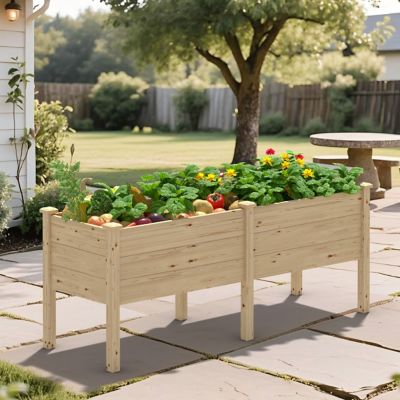
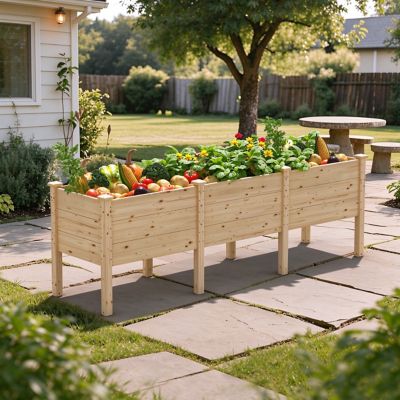
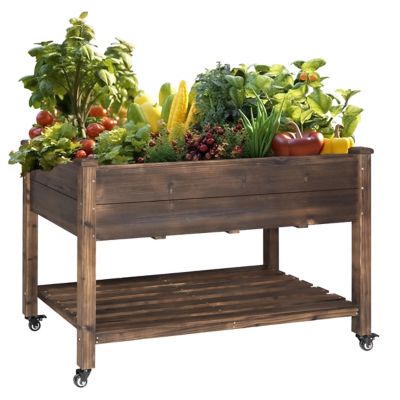
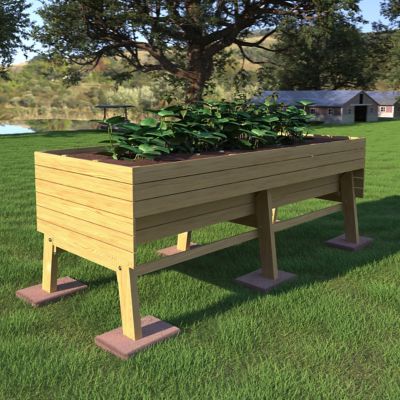
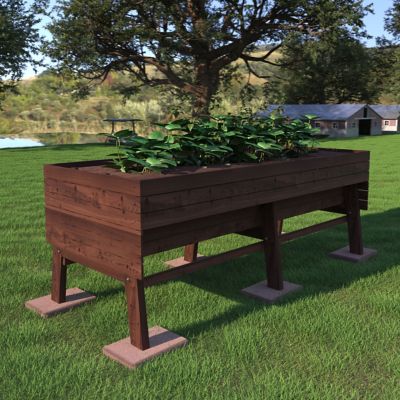
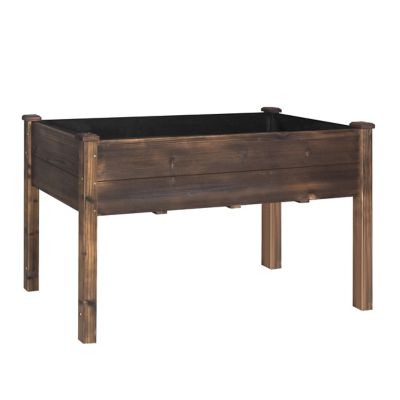
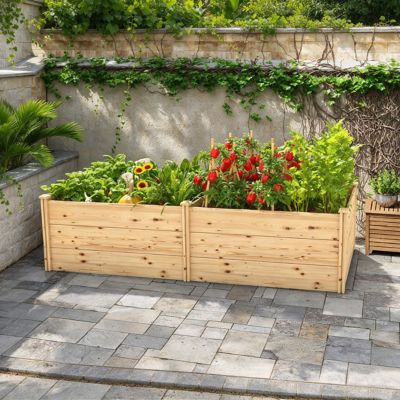
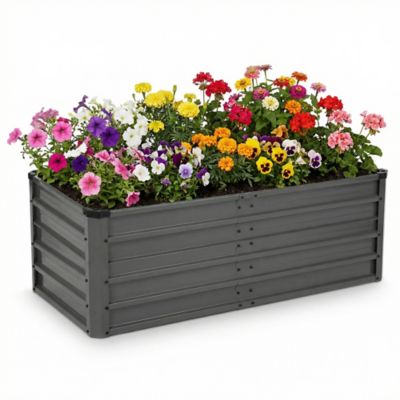
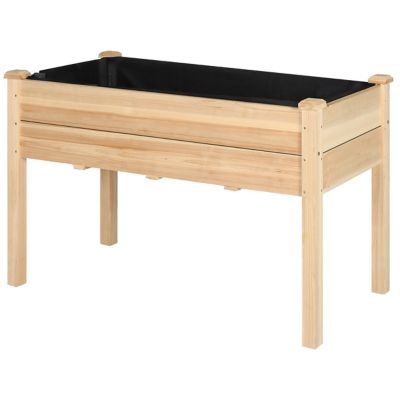
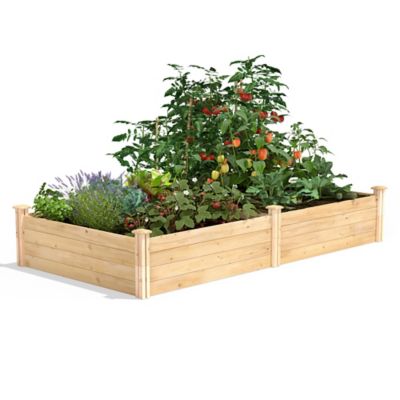
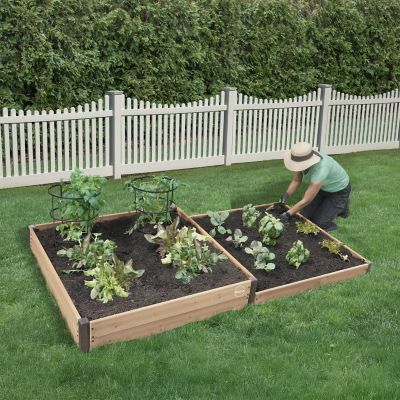
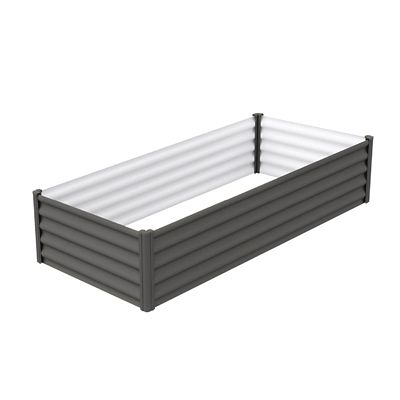
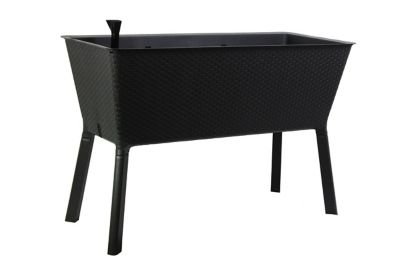
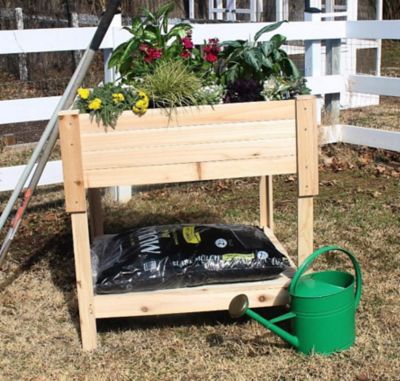
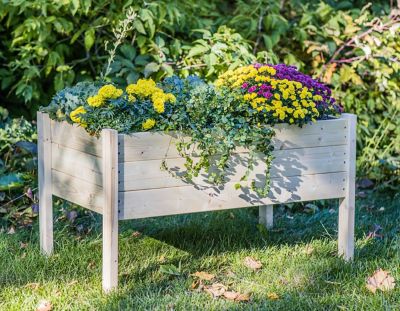
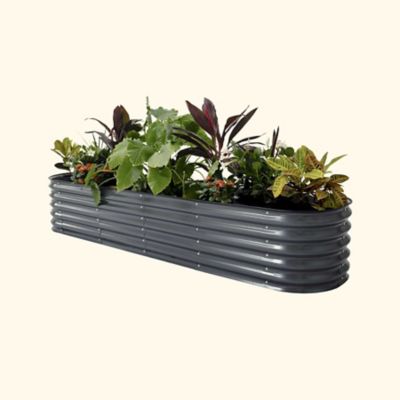
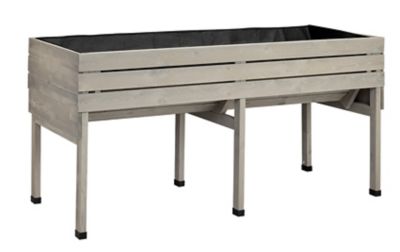
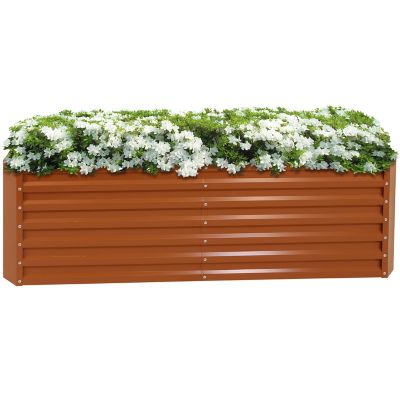
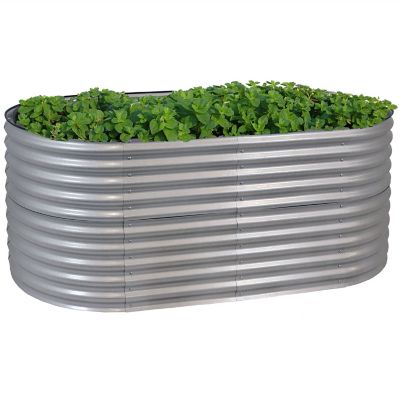
Deep raised garden beds give vegetables, herbs, and flowers a defined growing space with more room for soil than a low garden frame. Many have walls about 12 to 24 inches tall, while taller designs can bring the planting surface closer to a comfortable working height. That extra depth gives gardeners more control over the root zone, especially where the ground is rocky, compacted, or hard to dig. A deep bed can hold a loose planting mix that supports root growth without making the whole vegetable patch an excavation project. For crop planning, about 12 inches of workable soil can suit many herbs, leafy greens, and smaller vegetables, while 18 to 24 inches provides more room for longer carrots and larger plants such as tomatoes, peppers, and squash. Those measurements are useful starting points, not fixed limits: variety, spacing, soil conditions, and whether roots can reach the ground beneath the bed all matter. Tomatoes and squash can send roots well beyond the bed itself when the bottom is open and the underlying soil allows it. Deep raised beds also make sense for gardeners who want separate areas for kitchen herbs, salad greens, or a few carefully spaced vegetable plants. More depth does not replace adequate surface space, though. A tomato plant still needs room above ground, and sprawling squash can reach well past the frame. The best fit balances planting depth with the mature size of the crops, the amount of tending they need, and the space around the bed. Taller sides may reduce bending, but an open-bottom bed resting on the ground is different from an elevated planter with a floor and legs. On elevated designs, overall height and actual soil depth are separate measurements. Checking both helps match the bed to deep-rooted crops, seated gardening, or everyday tasks such as thinning seedlings and picking a handful of parsley for supper.
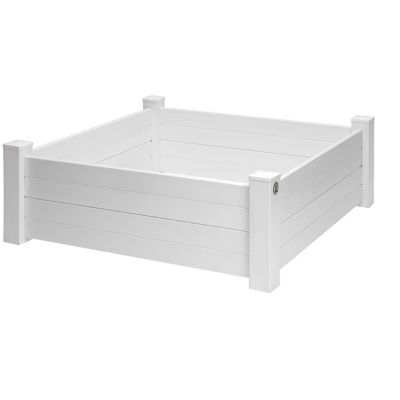
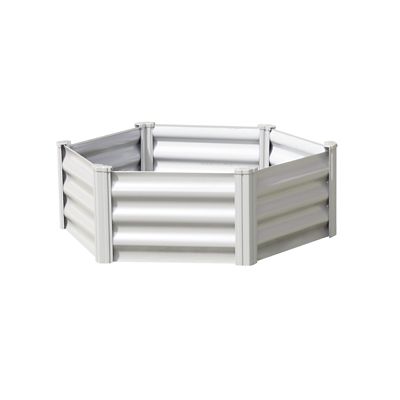
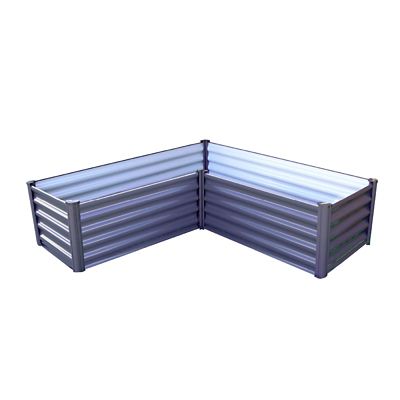
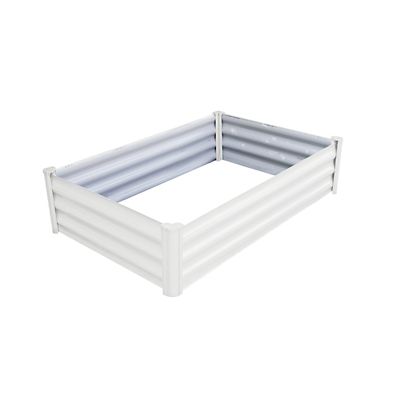
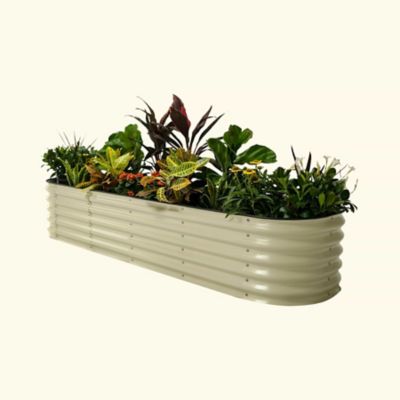
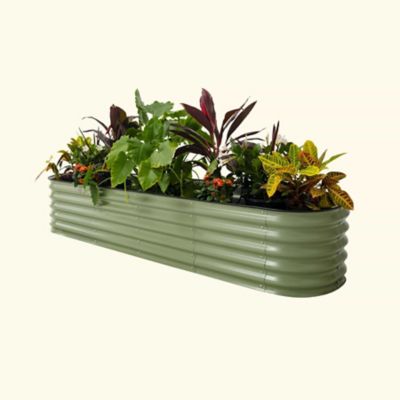
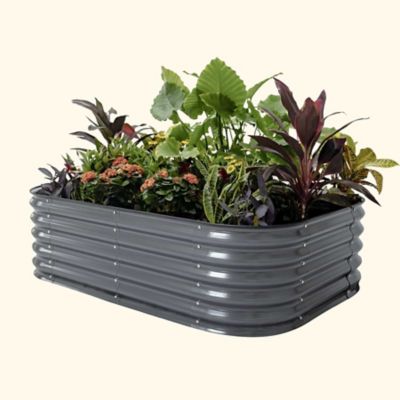
Materials and construction affect how a deep raised garden bed looks, feels, and holds up under the weight of its contents. Cedar and other woods selected for resistance to rot bring a familiar garden look and a broad top edge that may be comfortable to lean against, depending on the design. Board thickness, corner connections, and the suitability of any treatment or finish for edible gardening deserve a close look. Wood stays in contact with damp soil, so sound joinery and replaceable boards can matter as much as appearance. Galvanized steel beds offer a different approach, with formed panels, bolted connections, and protective coatings that help limit corrosion. Panel thickness alone does not tell the whole story; ribs, corner construction, and internal supports also influence how well the walls resist pressure from a deep fill. Finished top edges or protective trim are worth checking wherever hands, sleeves, or watering hoses will pass over the rim. Composite and plastic beds offer other looks and care requirements, with performance depending on the material, wall design, and fastening system. Whatever the material, deeper beds put considerable outward pressure on their sides. Braces, cross ties, and secure corners help keep a long wall from bowing, and the manufacturer's assembly and filling directions should account for those forces. For elevated beds, the legs, base, and hardware must support the full weight of moist planting mix, not just the empty planter. Drainage openings are another important detail because roots need both moisture and air. An open-bottom frame usually drains into the soil underneath, while a planter with a floor needs a clear path for excess water to leave. Neither arrangement should be treated as automatically suitable for every location. A bed intended for placement on bare ground may not work the same way on concrete, and a tall enclosure does not necessarily include a load-bearing bottom. Understanding that distinction helps narrow the choices before assembly begins.
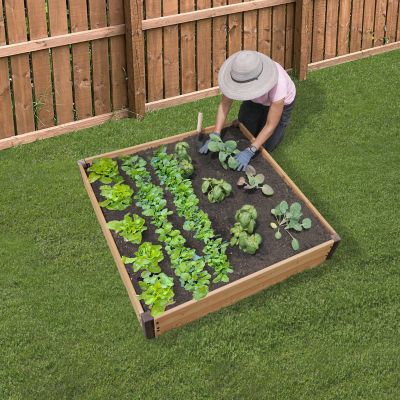
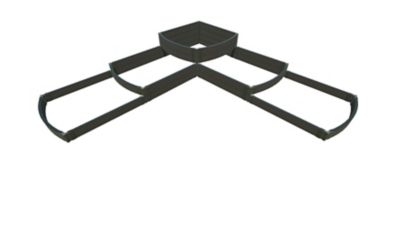
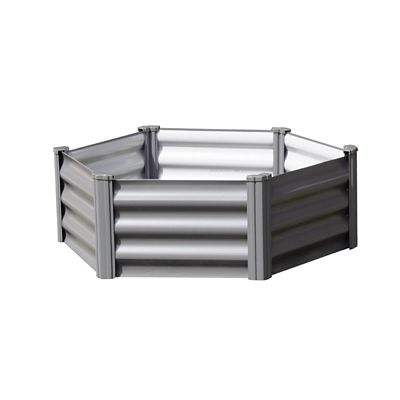
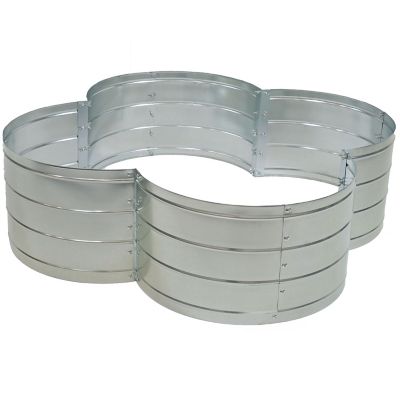
Size and placement determine how easy a deep raised bed will be to live with once it is filled. A bed roughly 3 to 4 feet wide often allows an adult to reach the center from both sides, while a narrower bed can work better along a fence or anywhere access is limited to one side. Comfortable reach varies, so the width should suit the person doing the planting rather than forcing a long stretch across the soil. Leave enough space between beds for a wheelbarrow, watering equipment, or mobility needs, and allow room to turn at the ends. For tighter spaces beside a porch or along a short garden path,
Small Raised Garden Beds offer another footprint to consider. Depth also affects how much planting mix a bed takes: a bed with interior measurements of 4 feet by 8 feet and a fill depth of 18 inches holds about 48 cubic feet. Actual fill needs depend on inside dimensions, the intended soil line, and settling. That volume becomes heavy when moist, making placement on a deck, balcony, or other raised structure a matter for a qualified professional to assess. For ground-level placement, a stable, level base helps the walls sit square and keeps soil from spilling beneath uneven edges. A loose mix suited to raised beds generally provides better aeration than heavy garden soil alone, while compost can contribute organic matter without replacing the need for a balanced growing medium. Deep beds still need moisture checks below the surface; a dry-looking top layer does not always tell the whole story. Soaker hoses or drip lines can help deliver water near the roots, and trellises should be compatible with the bed or independently supported. Routine care includes checking fasteners, keeping drainage paths clear, inspecting wood or coated surfaces, and topping up settled soil as needed. With the right dimensions and construction, a deep raised bed can serve as a manageable vegetable patch near the kitchen or anchor a larger garden with room to grow.