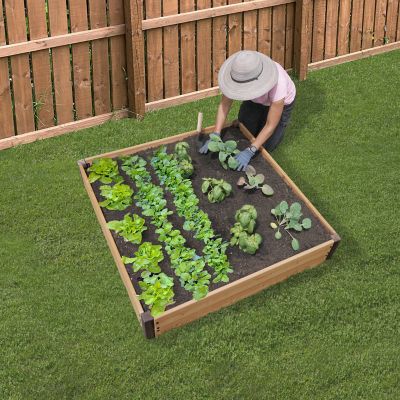
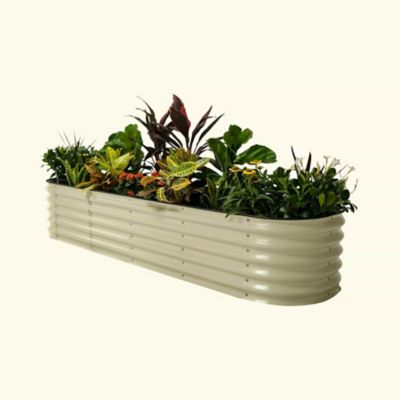
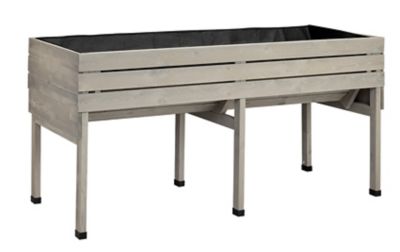
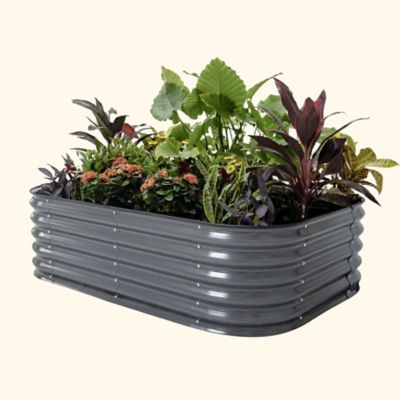
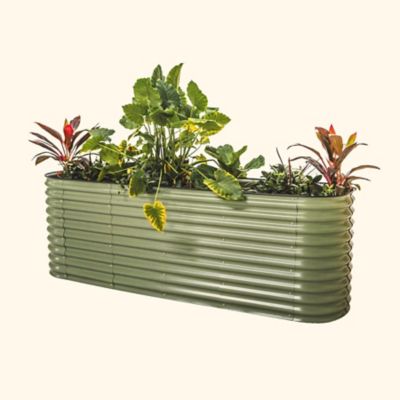
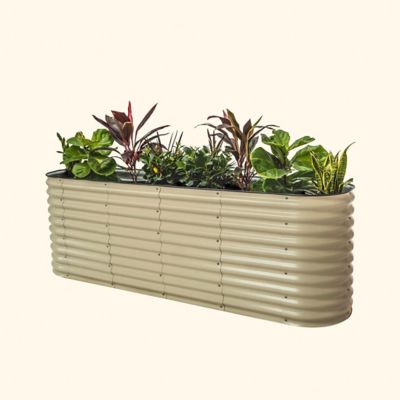
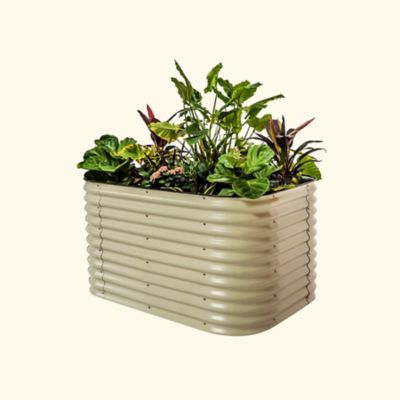
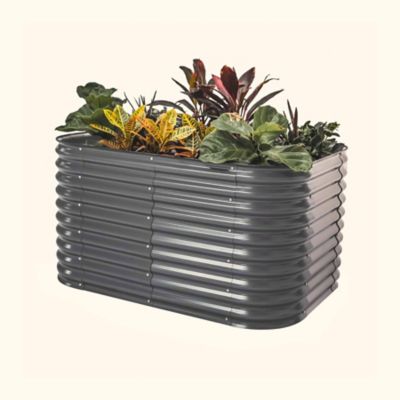
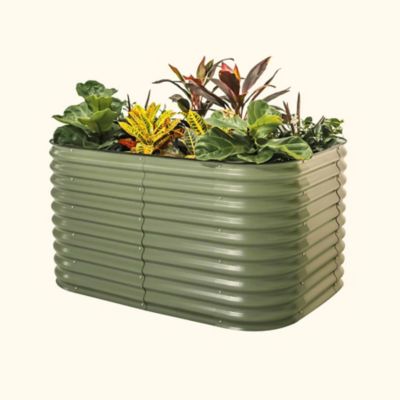
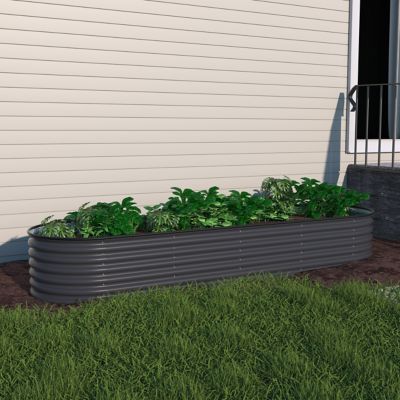
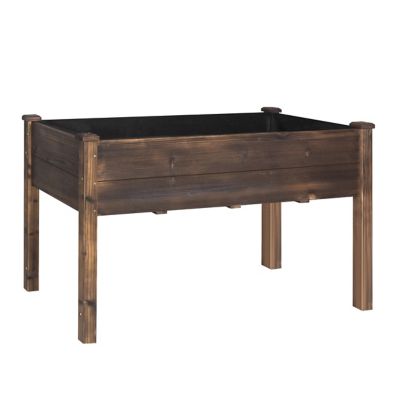
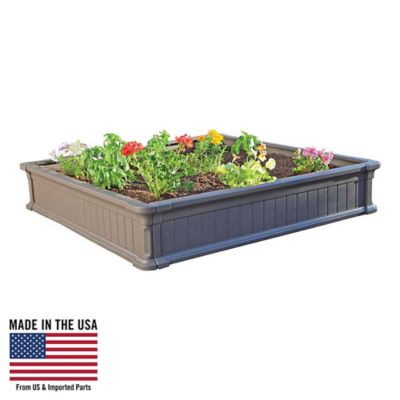
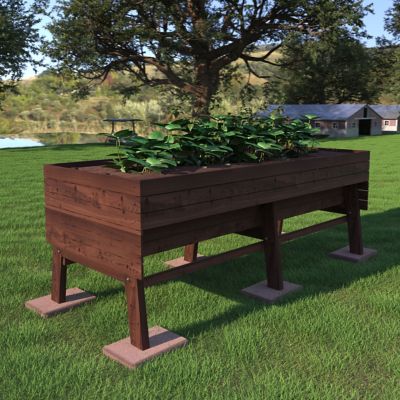
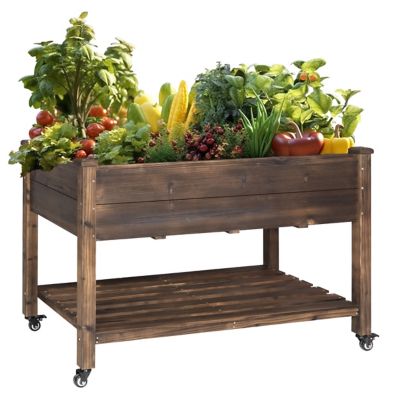
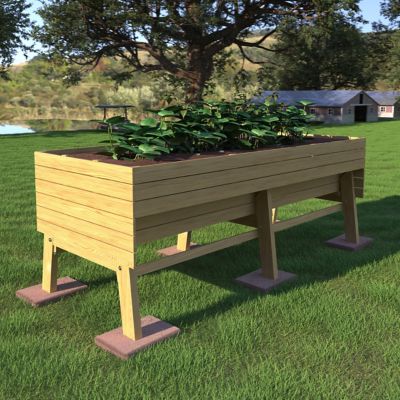
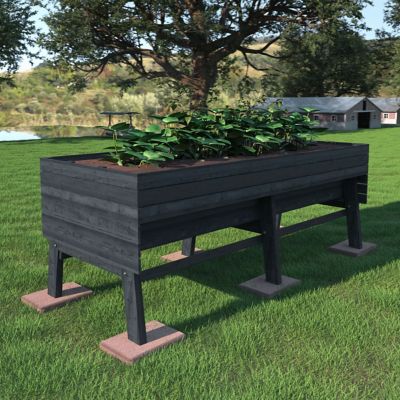
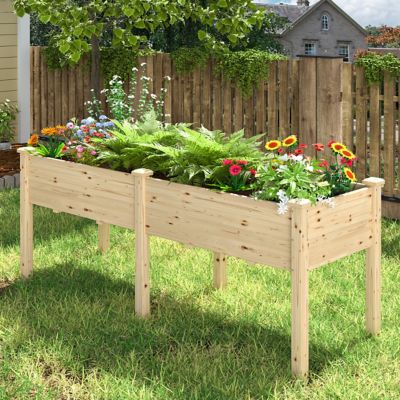
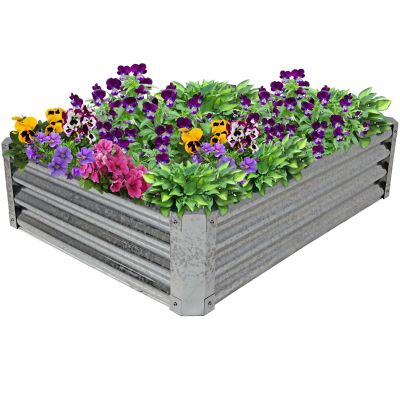
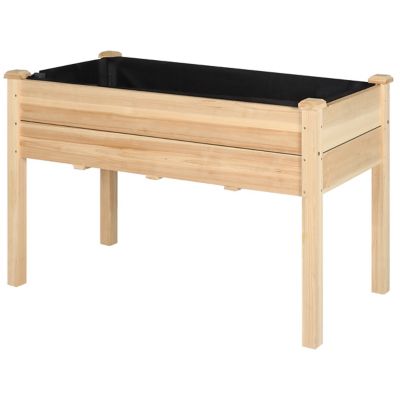
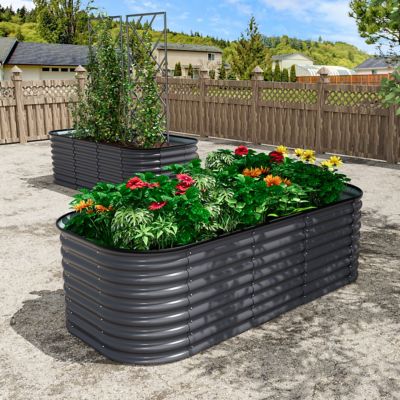
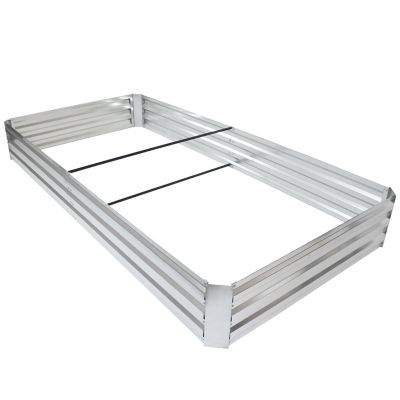
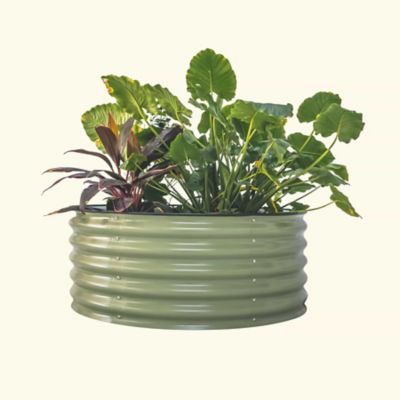
Rectangular raised garden beds make it easier to bring a productive garden into a backyard, side yard, patio, porch, or other outdoor space. Their straight sides fit neatly along a fence, beside a shed, or in a row near the house, while the raised growing area gives vegetables, herbs, and flowers a defined place to thrive. Gardeners often choose a rectangular layout because it makes good use of long, narrow spaces and leaves room for paths, watering, weeding, and harvesting. A bed about 2 to 4 feet wide is generally comfortable to reach from either side without stepping on the soil, which helps protect the loose growing mix and prevents it from becoming packed down around plant roots. Lengths around 6 to 8 feet are common for modular and home garden layouts, though a shorter bed can be a better fit for a small patio or first garden. Before choosing a size, measure the spot where the bed will go and leave enough clearance to walk around it, move a hose, pull a cart, or tend plants with both hands. Keep an eye on sunlight, too. Most vegetables and many flowers perform best with several hours of direct sun, while leafy greens and some herbs can handle a little afternoon shade. A level location with easy access to water will make everyday care more pleasant, especially when the soil is dry and the garden needs a thorough soaking. For gardeners who enjoy fresh-picked greens with dinner, a rectangular raised bed can turn an unused stretch of yard into a tidy little harvest spot; for families, it can also give children a hands-on place to watch seedlings emerge, flowers open, and pollinators move from bloom to bloom.
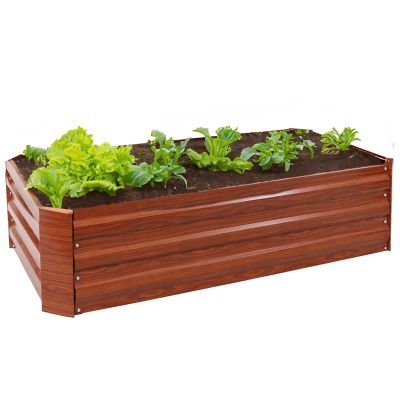
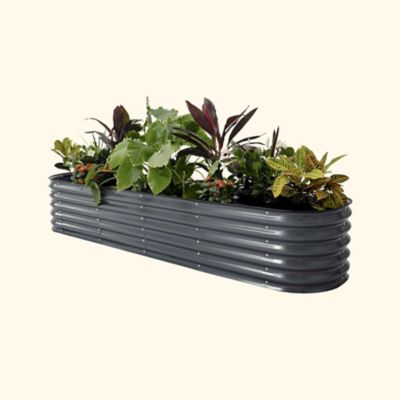
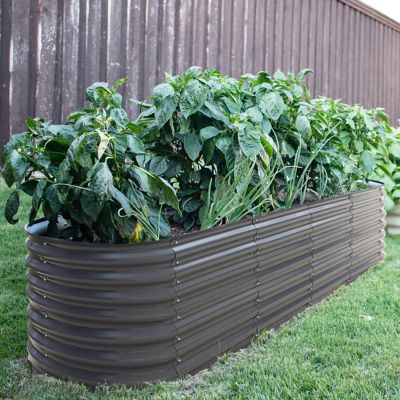
Depth is another important part of choosing rectangular raised garden beds. A bed around 11 to 12 inches deep can provide plenty of room for many herbs, salad greens, onions, radishes, strawberries, and other shallow-rooted plants. Deeper beds of roughly 16 to 18 inches or more are a better match for crops that develop longer or larger root systems, including carrots, potatoes, tomatoes, and some compact fruiting plants. The right depth also depends on the ground beneath the bed. Most outdoor raised beds have an open or bottomless design, allowing excess water to drain away and giving roots a chance to grow into the native soil below. That setup works well when the ground is reasonably healthy and free of large roots, rubble, or persistent weeds. If the bed will sit on a patio, gravel, concrete, or poor soil, a deeper frame can provide more usable growing space, but drainage still needs attention. Look for a design that will not trap standing water, and plan to fill it with a quality blend suited to the plants you want to grow. A simple mix of garden soil, compost, and other organic matter can support a productive planting area, while a layer of mulch helps hold moisture and keeps soil from splashing onto leaves. Material brings its own look and feel to the garden. Cedar and other naturally rot-resistant woods offer a warm, traditional appearance that blends easily with farmhouse landscaping. Galvanized metal provides a clean, sturdy profile and is often a good fit for gardeners who like a more modern or hardworking look. Resin and plastic frames are lightweight, easy to handle, and useful where simple assembly or convenient seasonal rearranging matters. Gardeners looking for another low-maintenance material can also compare rectangular layouts with [
Vinyl Raised Garden Beds] when choosing a frame for the space.
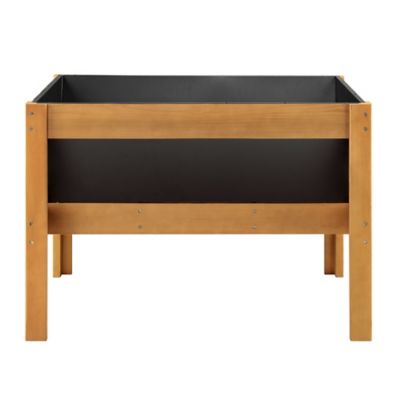
Rectangular raised garden beds can serve seasoned growers, new gardeners, renters with a suitable outdoor area, and anyone who wants a more organized way to grow food or flowers. They are especially handy for gardeners who prefer to keep crops separated by use: one bed for kitchen herbs, another for salad greens, and a longer bed for tomatoes, peppers, beans, or pollinator-friendly flowers. A raised frame can make planting and harvesting easier on the back and knees, particularly when the growing surface is set at a comfortable height or paired with a sturdy support nearby. It can also help define the garden for older children, turning a few square feet into their own patch for snap peas, pumpkins, or bright annual flowers. These beds make thoughtful gifts for a new homeowner, a family settling into a rural property, a parent or grandparent who enjoys gardening, or a friend who has talked about growing fresh produce but has not found a good way to begin. During the cooler months, a bed can be planned, assembled, and filled so it is ready when the weather warms, or used for hardy greens and other cool-season plantings where local conditions allow. As seasons change, the frame remains useful for rotating crops, refreshing soil with compost, covering plants when frost threatens, and keeping a garden area neat after annual plants are finished. When comparing options, consider the available footprint, finished height, bed depth, material, drainage, assembly needs, and the weight of the filled bed. Think about how far you will need to carry soil and whether the location is close enough to a hose or rain barrel. With the right fit, a rectangular raised garden bed offers a practical foundation for rows of tender seedlings, fragrant herbs, sturdy vegetables, and flowers that bring a little color and life to the landscape.