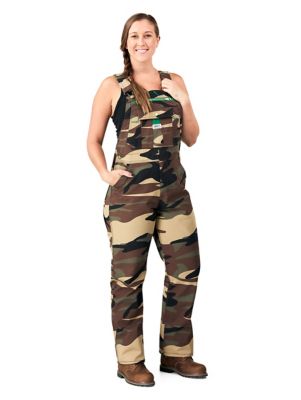
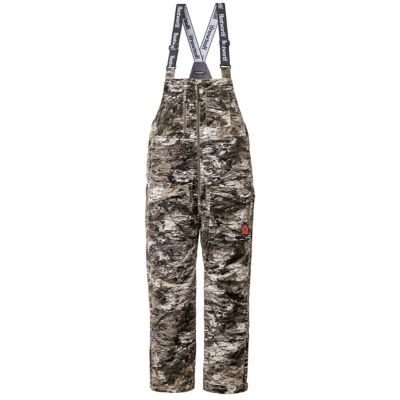
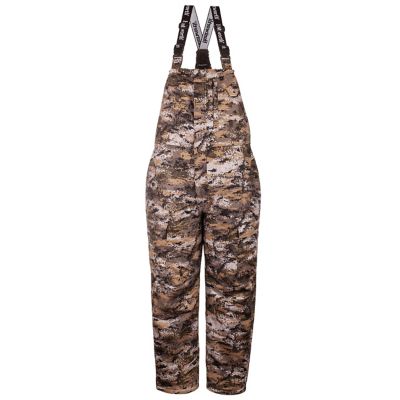
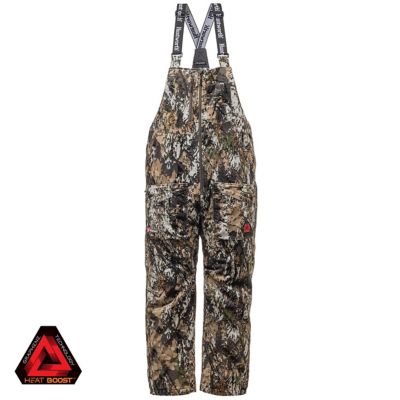
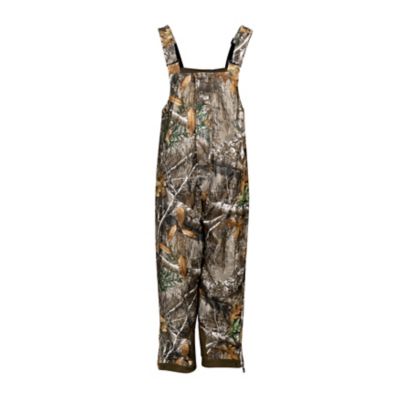
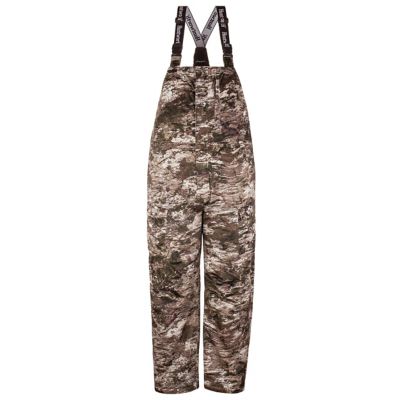
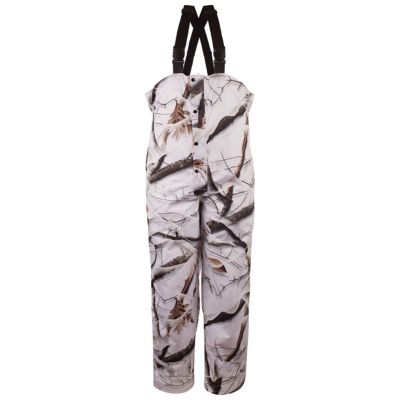
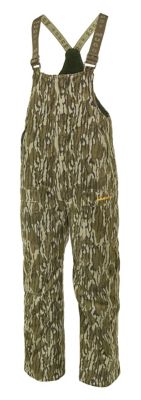
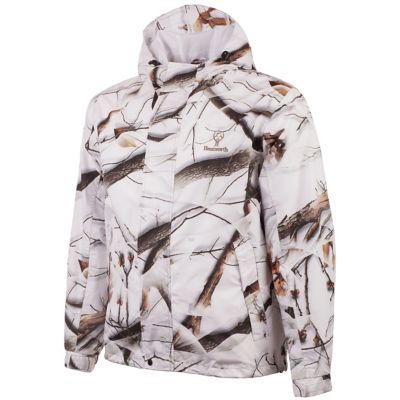
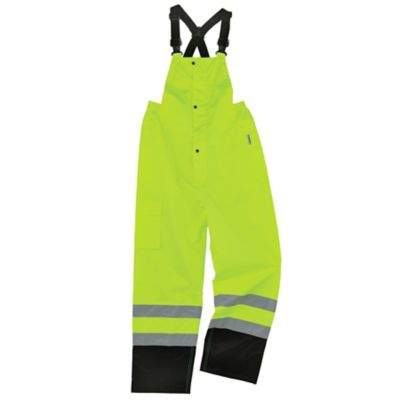
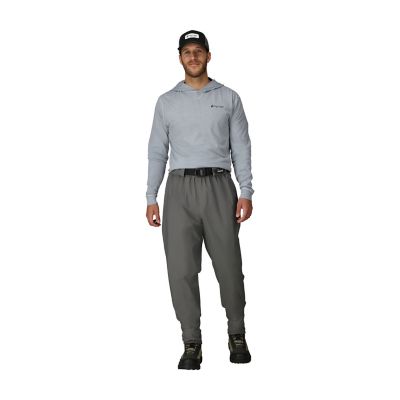
Cold weather camo bibs combine coverage through the chest and back with insulated legs and camouflage patterns for hunting and other outdoor activities in low temperatures. Their raised waist helps close the gap that can open between a jacket and pants when bending, climbing or reaching, while shoulder straps help keep the garment in place over layers. For a hunter sitting against a tree before daylight or waiting in a ground blind, that extra coverage can make a difference when movement is limited. Camouflage patterns range from branches and leaves to broken shapes suited to different surroundings, including bare timber, grassy field edges and brush. Pattern choice is only part of concealment; a quiet outer fabric also matters when turning toward a sound or shifting position on a seat. Brushed polyester and other soft-faced fabrics can limit rustling, while heavier woven shells may better suit contact with rough boards, briars and equipment. Some bibs pair insulation with a wind-blocking layer to reduce the chill that works through clothing across an open pasture or exposed ridge. Water-resistant finishes help shed light moisture, but they are not the same as waterproof construction. For wet snow, steady precipitation or long contact with damp ground, protection depends on the fabric, membrane, seams and closures working together. Synthetic insulation is common because it can provide warmth without the weight of several thick layers, though performance varies with its type, amount and placement. Fleece linings can add a soft feel, while smooth linings make it easier to pull bibs over pants. More insulation is not automatically better for every outing. A long walk carrying gear creates much more body heat than an afternoon sitting still, and a pair suited to one situation may feel too warm or too light for the other. The right balance comes from matching the garment’s construction to the activity, expected exposure and clothing worn underneath.
Fit matters just as much as insulation, especially when cold weather camo bibs go over thermal underwear, work pants or a fleece layer. Enough room through the seat, thighs and knees allows for stepping over a downed limb, kneeling beside a fence or settling onto a low hunting seat without pulling the straps tight. Too much extra fabric, though, can bunch behind the knees, catch on brush or crowd the tops of boots. Adjustable shoulder straps help position the bib correctly, while waist adjustments can bring the middle closer without squeezing out room for layers. The fit should still feel comfortable when seated, not just when standing in front of a mirror. Insulation compressed tightly against the body has less room to trap warm air, so a snug fit is not always a warmer fit. Inseam length also deserves attention with the footwear that will actually go along. Hems should cover the boot opening without dragging through mud or catching beneath a heel. Leg zippers can make dressing easier over boots, and longer openings may provide ventilation during a hard walk when the design allows it. Storm flaps over zippers help limit drafts, while cuff adjustments can reduce loose fabric around the ankle. Reinforced knees, seat panels and lower legs add protection in spots that often rub against the ground or equipment. Pocket placement makes a difference once a coat, safety harness or seated position enters the picture. Chest pockets can keep small essentials within reach, and secure closures help prevent a glove or license holder from slipping out while climbing or bending. Zipper pulls that are easy to grip with gloves can spare bare fingers unnecessary exposure. Shoppers comparing warmth-focused options can also explore
Warmest Insulated Bibs, keeping in mind that insulation, wind protection, fit and activity level all affect how warm a complete outfit feels.
Cold weather camo bibs work best as part of a clothing system that handles both exposure and exertion. A moisture-managing base layer helps move perspiration away from the skin, while a middle layer adds warmth as conditions call for it. Starting a long walk dressed too heavily can leave clothing damp before the sitting begins, so accessible vents and adjustable layers have practical value beyond comfort on the trail. A compatible jacket should overlap the bib without making the shoulders so crowded that raising an arm becomes difficult. Gloves, head coverage, socks and boots matter, too; insulated legs cannot make up for exposed hands or wet feet. For hunting, camouflage does not replace required visibility clothing, and bib straps are not a substitute for a properly fitted fall-arrest harness when hunting from an elevated stand. Around the farm, close-fitting cuffs and secured straps help keep loose clothing away from moving equipment, though machinery-specific safety practices still apply. After a muddy walk or a stretch of chores, care starts with the garment’s label. Washing instructions can differ for insulated shells, waterproof membranes and special finishes. Mud and debris should come off according to those directions, with zippers and other closures secured as instructed before laundering. Fabric softeners and strong detergents may interfere with certain performance treatments, so the recommended cleaning method matters more than a familiar laundry routine. Thorough drying before storage helps prevent lingering dampness and odors, and excessive heat can damage some fabrics, coatings or insulation. Small tears, worn cuffs and loose strap attachments deserve attention before another long outing, especially where moisture or wind could get through. For a hunter or family member who spends time outdoors in cold conditions, camo bibs can make a practical gift when sizing, layering habits and intended activities are known. A comfortable fit, useful features and straightforward care help make them a regular part of getting ready for time outside.