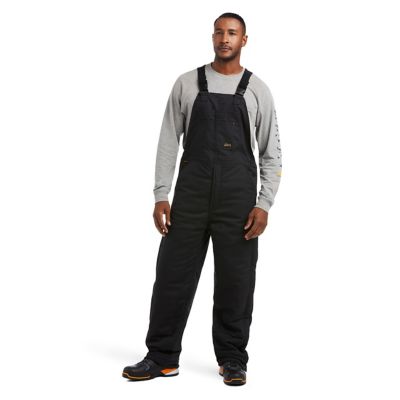
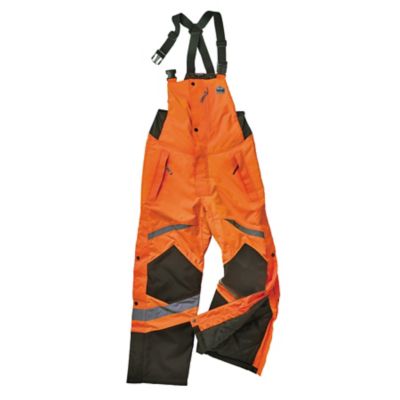
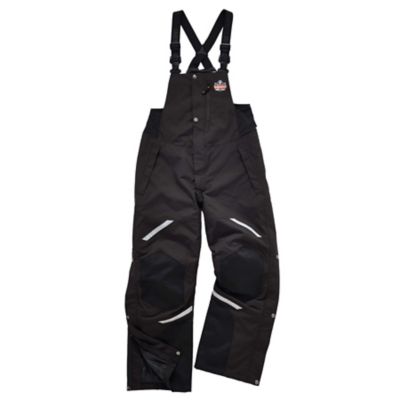
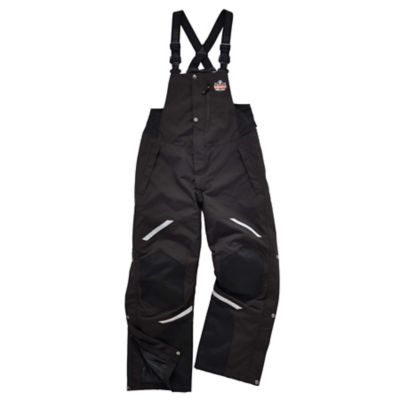
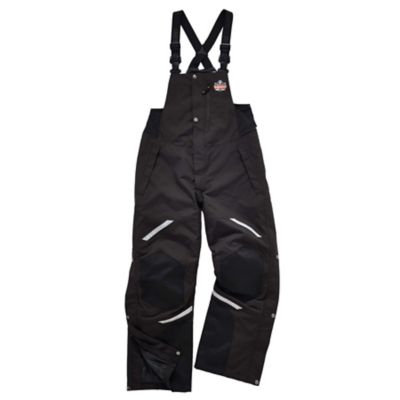
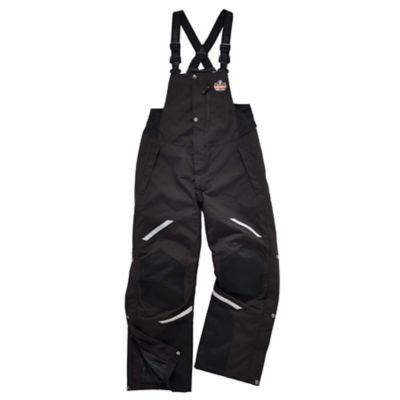
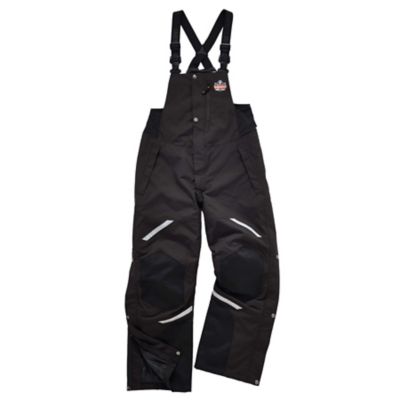
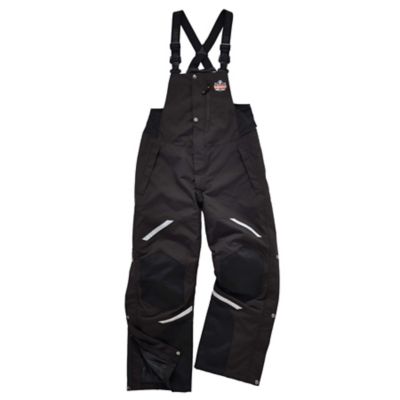
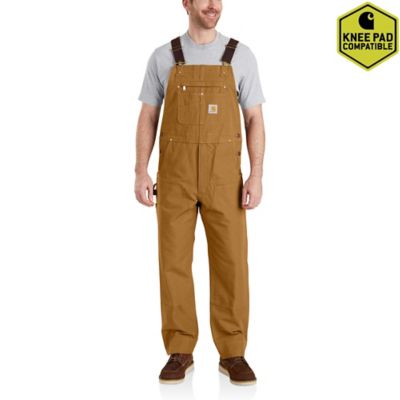
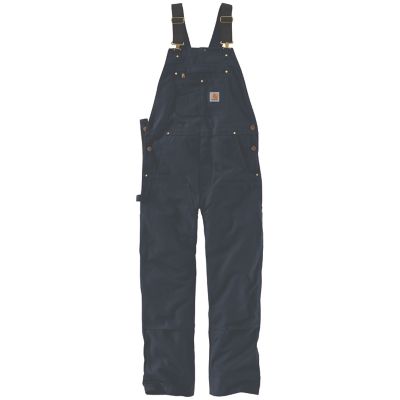
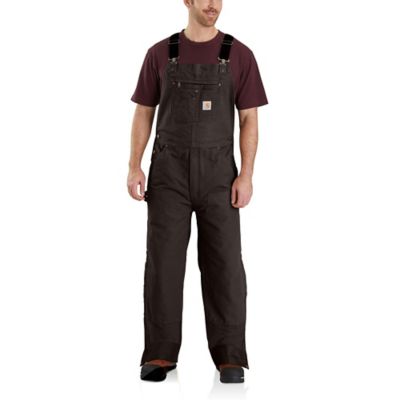
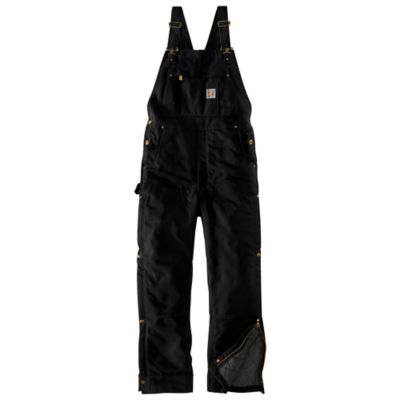
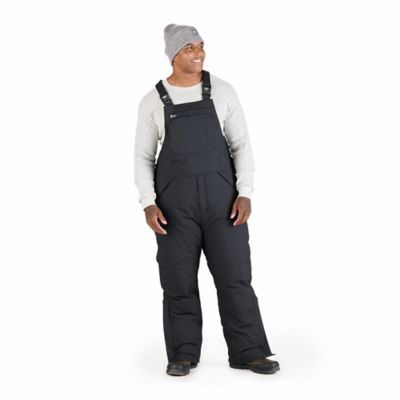
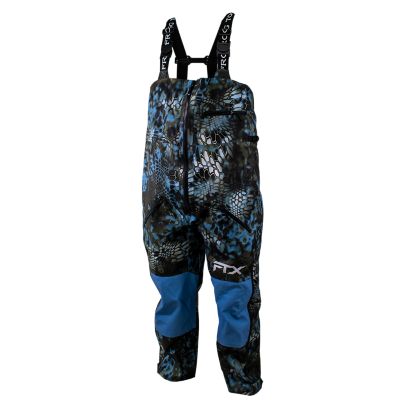
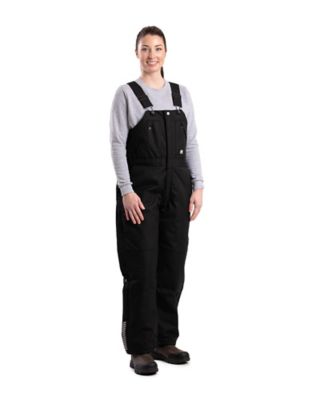
The warmest insulated bibs for a long day outside bring together substantial insulation, a wind-blocking shell, and enough room for layers without leaving big gaps where heat can escape. That combination matters when the tractor seat is cold, the stock tank needs attention, or a fence repair takes longer than planned. Bib overalls extend coverage above the waist, helping keep the lower back and midsection covered when bending, reaching, and climbing. Cotton duck shells have a tightly woven feel suited to chores around rough lumber, hay bales, and equipment, while nylon and polyester shells can offer lighter weight and less resistance to movement. Fabric weight alone does not tell the whole story, though. A heavy outer shell helps stand up to abrasion, but insulation and protection from wind do much of the work of holding warmth close. Quilted synthetic fill is common in insulated work bibs because it provides loft without needing a thick stack of separate layers. Insulation weight can help compare options with similar construction, but a higher number does not automatically mean greater warmth across different materials and designs. Lining, coverage, fit, and exposure all play a part. Water-repellent finishes help shed light moisture; waterproof construction offers a different level of protection and depends on details such as sealed seams and protected closures. Wet snow against the knees or a long stretch in sleet calls for more moisture protection than a dry walk between outbuildings. Breathability matters, too, since sweat trapped during hard work can leave clothing damp when the work slows down. There is no single pair of insulated bibs that is warmest for every person and every task. Standing beside a gate in a stiff wind calls for different protection than pitching bedding or carrying feed. Temperature ratings offer context where provided, but they are not a promise of comfort under every condition. Activity level, wind, moisture, base layers, and time outside all affect how warm a pair will feel.
Fit makes a real difference in how insulated bib overalls feel through a full workday. A little breathing room around the seat, thighs, and torso lets thermal underwear and work clothes sit comfortably underneath without flattening the insulation. Too much extra fabric can bunch behind the knees, catch on equipment, or make climbing awkward. Adjustable shoulder straps help set the bib at the right height, while side adjustments can fine-tune the fit around the waist. The best check is movement that matches the job: a deep bend to pick up a feed sack, a high step onto a tractor platform, or a crouch beside a water line. Those motions should not pull hard through the crotch or drag the straps into the shoulders. Inseam length also matters, especially with tall work boots. Hems need enough coverage to meet the boot without trailing through slush or under a heel. Ankle openings and longer leg zippers make pulling bibs on over boots less of a wrestling match, and zipper flaps help limit drafts along those openings. Two-way front zippers can make adjustments easier when seated or layered under a coat. Reinforced knees and seat panels add protection where kneeling, sitting, and repeated contact put fabric to work. Pocket placement deserves a look beyond the number of pockets: a chest pocket that stays reachable under a jacket or a tool pocket that clears the thigh when climbing can be more helpful than extra storage in the wrong spot. Glove-friendly pulls and secure closures are welcome when fingers are stiff from the cold. For hunters,
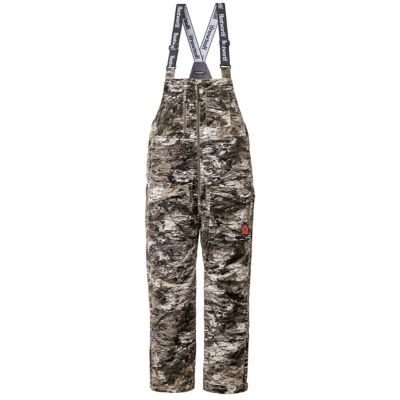
Cold Weather Camo Bibs bring camouflage patterns into the same conversation about insulation, coverage, and fit. Quiet fabrics matter when shifting on a stand seat, while room through the hips and knees helps keep a seated position comfortable. Long, still stretches often call for more insulation than an active walk across pasture, even when the air temperature is the same.
Insulated bibs suit plenty of folks whose day does not stop at the back door, from livestock owners and fence crews to equipment operators and people tending a few acres. Their value is easy to see during jobs that mix movement with waiting: loading supplies, driving an open tractor, then standing still while a repair gets sorted out. For active chores, a setup that allows excess heat to escape can be more comfortable than the heaviest insulation available. For extended sitting or standing, fuller coverage and protection from drafts become especially important. Bibs also work as a practical gift for someone who spends long hours outside, provided the size accounts for the layers worn underneath and the length works with their boots. Care helps preserve the features that make insulated workwear worth reaching for. The care label takes priority because shells, linings, waterproof layers, and insulation can need different treatment. Fastening closures before washing can reduce snagging, and avoiding fabric softener when the label advises it helps protect moisture-management features. High dryer heat can harm certain finishes and components, so the recommended drying setting matters as much as the wash cycle. Mud and grit around hems, zipper tracks, and knee panels deserve attention before they grind into the fabric. Small tears and loose stitching are easier to address before another day of climbing, kneeling, and hauling opens them farther. Water-repellent finishes may need renewal over time with a treatment suited to the garment, following its care directions. Bibs should be fully dry before storage rather than packed away damp after a snowy day. Between chores, hanging them where air can circulate helps the lining dry without crowding it against a direct heat source. With the right construction, fit, and care, warm insulated bibs make cold-weather work more comfortable while leaving room to bend, climb, and get the job done.