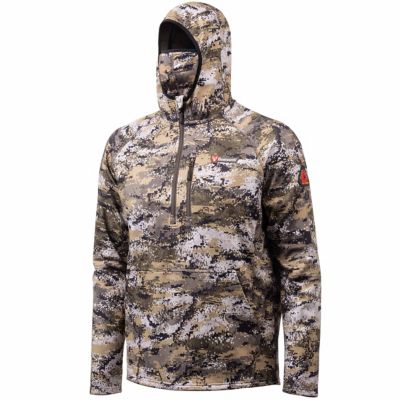
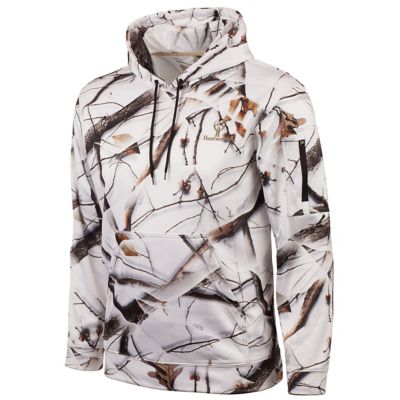
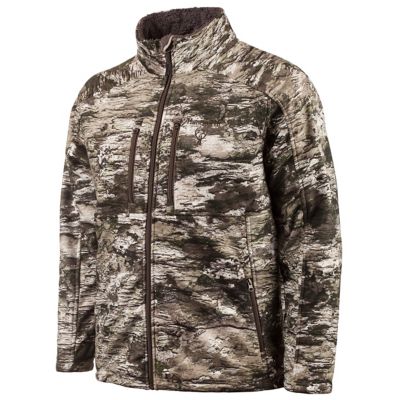
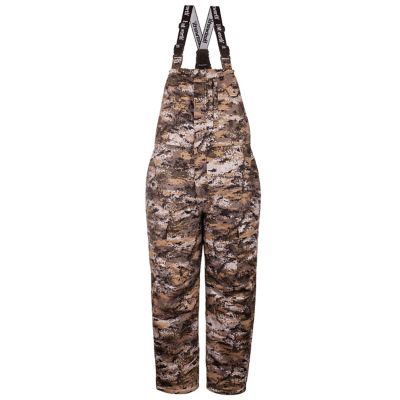
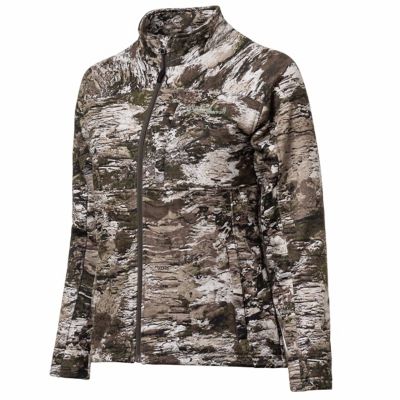
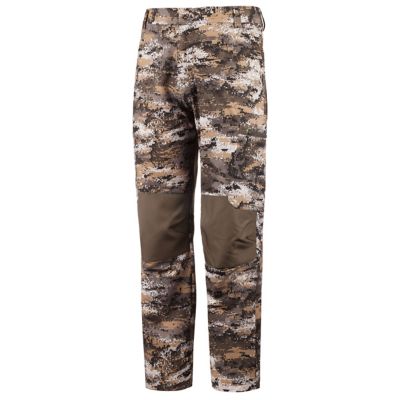
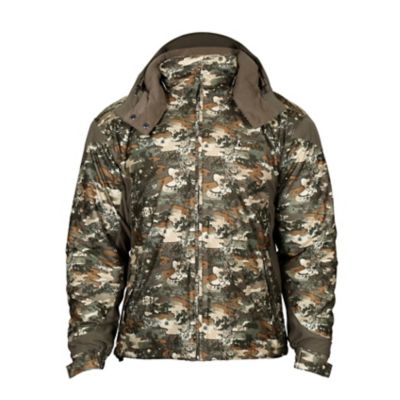
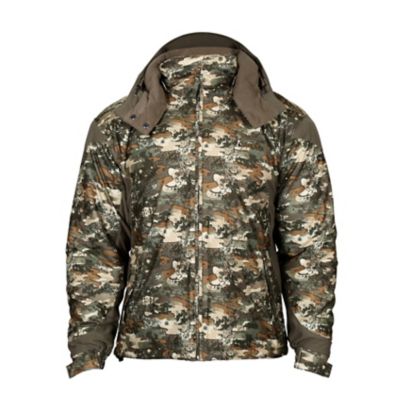
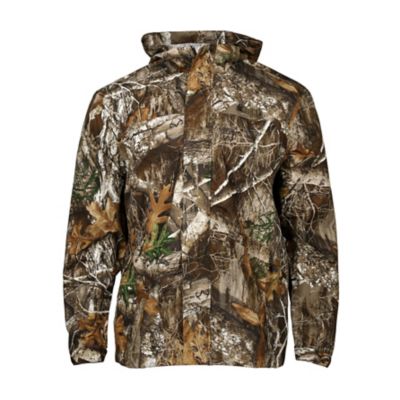
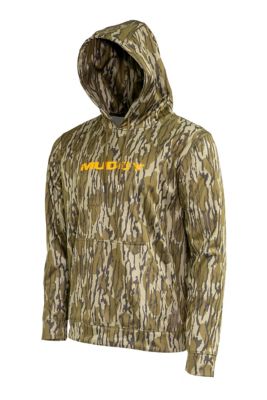
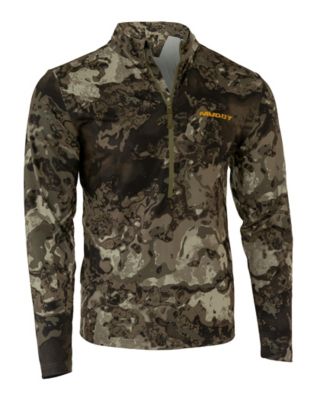
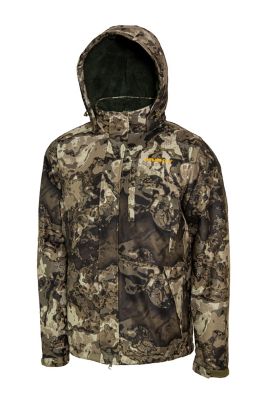
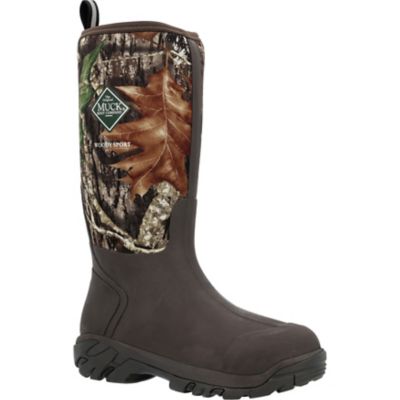
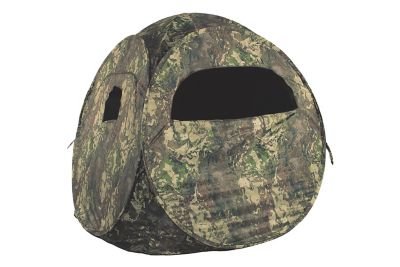
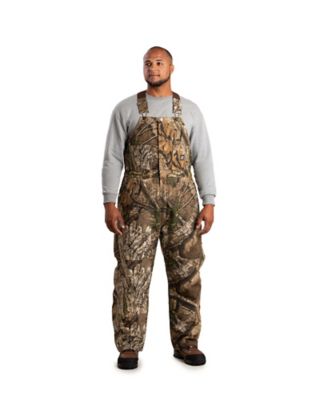
Snow camo hunting clothes help break up a hunter’s outline against snow-covered ground, pairing white backgrounds with darker branch, brush or mottled patterns that blend with winter cover. The category includes lightweight overwhites that slip over an existing hunting outfit and insulated outerwear that combines concealment with warmth. Those two approaches serve different needs: an overwhite shell changes the look of the layers underneath without necessarily adding much insulation, while an insulated jacket or pair of bibs helps hold body heat during a long sit. Neither a white pattern nor a thick fabric alone guarantees protection from wind or wet snow; those features depend on the garment’s construction. Pattern coverage matters, too. A mostly white design can suit an open, snow-covered field, while a pattern with more gray or brown may fit better along brushy fence lines, patchy snow or timber where trunks and exposed ground interrupt the white backdrop. These clothes have a place in late-season deer and elk hunting, predator calling and waterfowl setups where snow covers the surrounding ground. A hunter watching a field edge from a stand has different clothing needs than someone crossing rolling pasture to reach a calling spot. Long periods without much movement call for more insulation, while a steady walk puts more emphasis on breathability and room to shed layers. Lightweight snow camouflage shells can be handy when ground conditions vary, since they can ride in a pack until the setting calls for them. Their main job is concealment, not replacing a cold-weather clothing system. A moisture-managing base layer and an insulating middle layer still do much of the work beneath an uninsulated shell. Even a well-matched pattern cannot hide every movement or replace attention to wind direction and position, but clothing suited to the terrain helps keep an otherwise dark silhouette from standing out against bright snow.
Materials and construction make a real difference once snow camo hunting clothing leaves the truck and heads across a field. Polyester and nylon fabrics are common shell materials, though fabric weight, weave and finish affect how they handle brush, moisture and repeated wear. Soft, brushed surfaces can reduce the scratchy sound of sleeves rubbing together, an important detail when reaching for a call or settling into position near watchful game. Smooth shell fabrics may shed loose snow more readily, but sound and flexibility vary by design. Water-resistant finishes can help with light moisture; waterproof construction involves a protective barrier, and seam sealing helps keep water from entering through stitching. Breathability matters during exertion because sweat trapped inside clothing can leave a hunter chilled after stopping. Insulation adds warmth, but the amount needed depends on activity, wind exposure and the layers worn beneath it. Fit should account for that complete setup rather than just a shirt and jeans. Enough room through the shoulders, seat and knees supports stepping over a low fence, kneeling beside a tree or climbing into a stand without pulling the fabric tight. Too much loose material, though, can catch on brush or interfere with handling equipment. Articulated knees, gusseted panels and adjustable waists can help balance movement with a closer fit. Bibs extend coverage above the waist, while a jacket with a longer back helps limit gaps when sitting or bending. Adjustable cuffs and hems help keep loose snow from working inside. A hood needs room for a warm hat without blocking side vision or hearing, and pockets are most helpful when their openings remain reachable with gloves on. Reinforced knees, seat panels and sturdy seams are worth considering for contact with frozen ground, rough bark and repeated kneeling. For elevated hunting, clothing also needs to work with a properly fitted fall-arrest harness and the stand manufacturer’s safety directions, without bunching or obstructing necessary connections.
A useful snow camo outfit feels like a connected set of layers rather than several heavy garments competing for space. Zipper pulls that are easy to grasp with gloves, closures that stay clear of the chin and cuffs that fit comfortably over or under gloves all become noticeable during a long stretch outdoors. Pants that accommodate winter boots without dragging through slush can make walking easier, while leg openings with secure adjustments help manage snow at the ankle. Venting or easy-to-open outer layers can help release heat during a walk to a hunting spot, with insulation ready when activity slows. Hunters comparing everyday camouflage with snow-specific outer layers can also browse
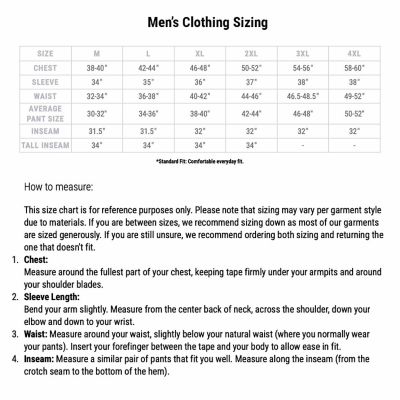
Men's Camo Clothing for the broader clothing category. Snow patterns are a setting-specific choice, not a substitute for required visibility clothing. Blaze orange or other legally required safety colors still belong in the outfit according to state rules, hunting season and species, even when concealment is a priority. Care deserves the same attention as fit, especially because pale fabric makes mud, grease and field stains easy to see. The garment’s care label is the starting point for wash temperature, detergent and drying method. Fabric softeners and high dryer heat can interfere with some technical materials or finishes, so neither belongs in a routine unless the care directions allow it. Drying clothing fully before storage helps prevent musty odors, and checking seams, zippers and stressed areas after a hunt can catch small problems before another outing. Clean, dry storage away from direct sunlight also helps protect fabric between trips. For a hunter receiving snow camo clothing as a gift, familiar sizing and the layers already worn underneath matter more than guessing from a regular shirt size. The most practical choice reflects how that person hunts: long watches from a sheltered spot, walks across open ground or a mix of both, with enough freedom to move and suitable protection for the conditions.