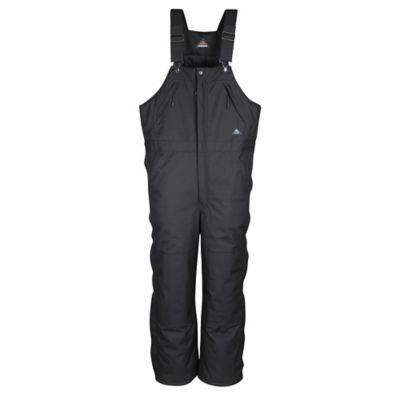
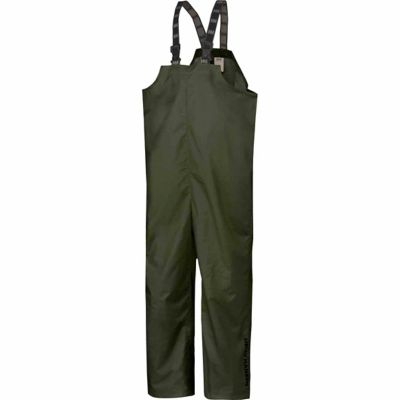
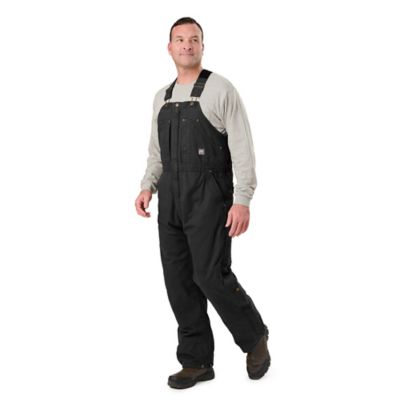
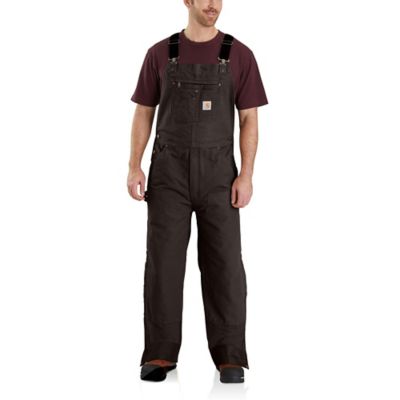
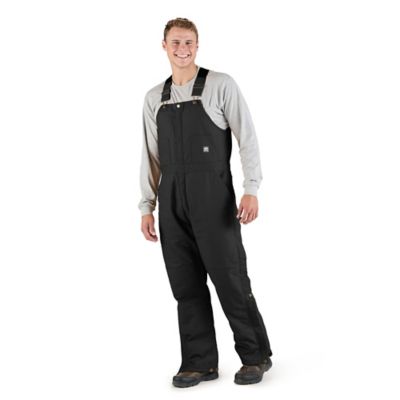
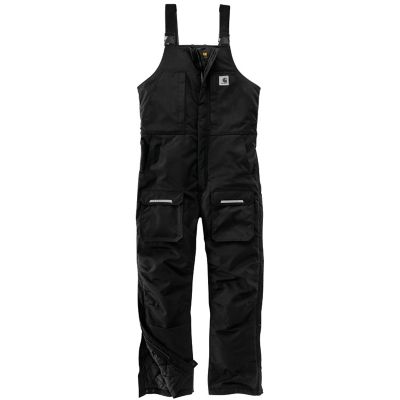
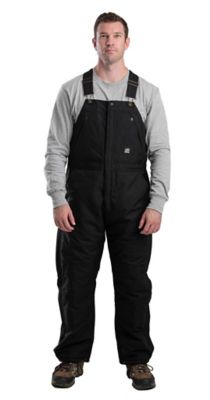
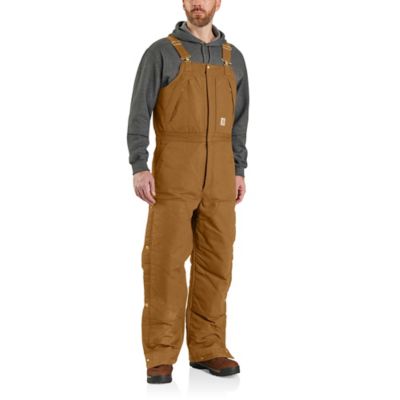
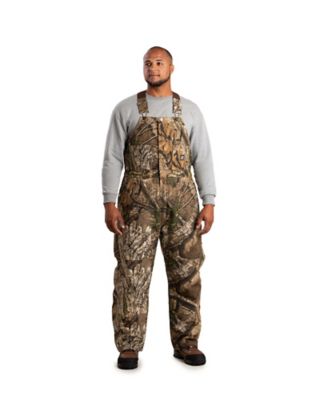
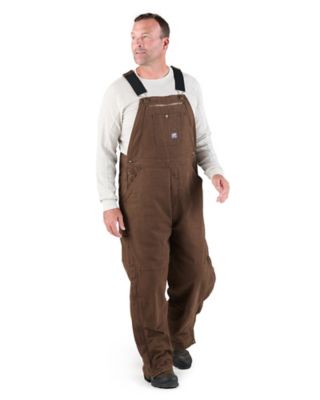
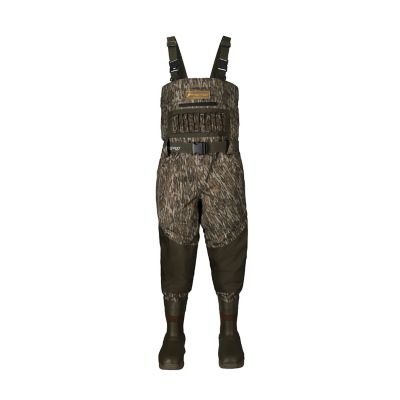
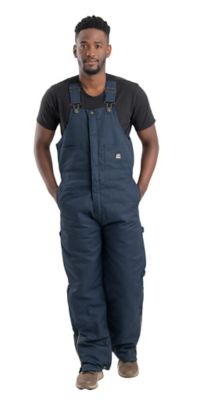
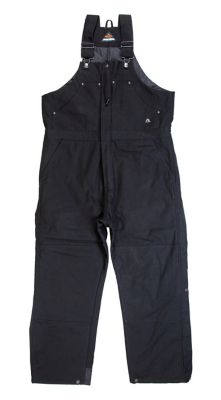
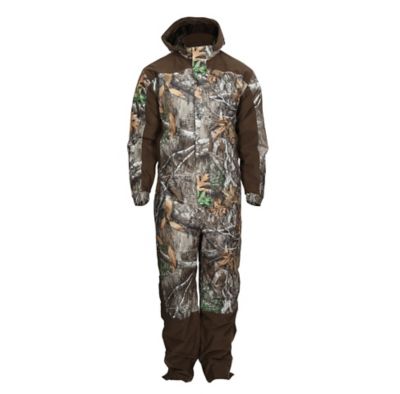
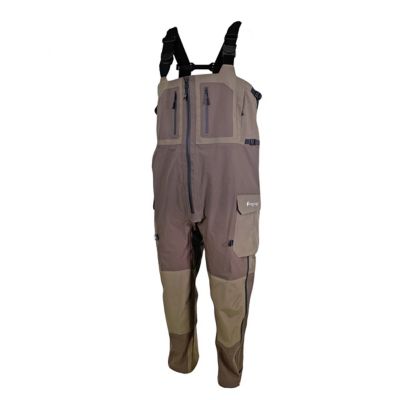
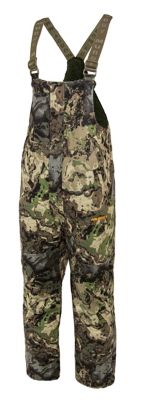
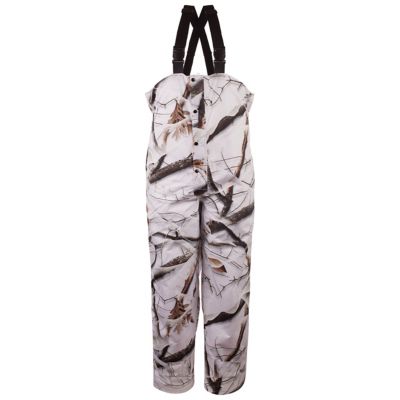
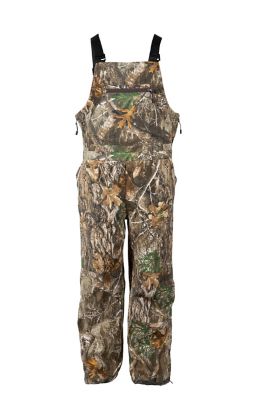
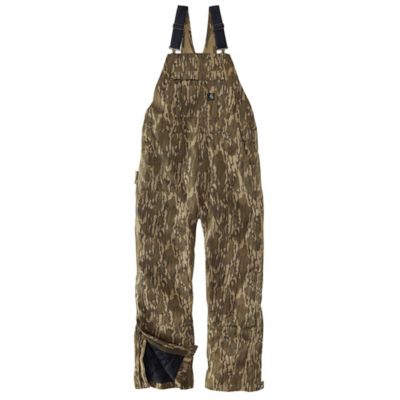
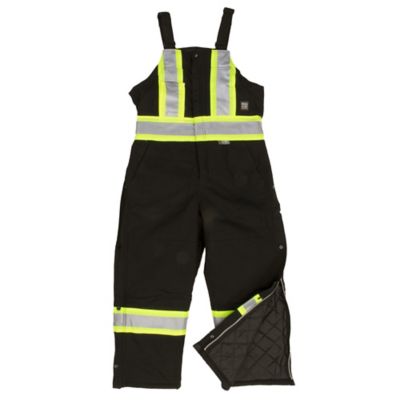
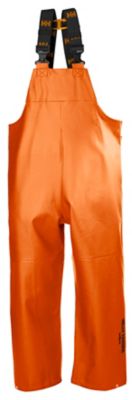
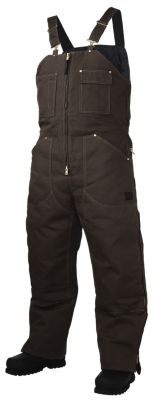
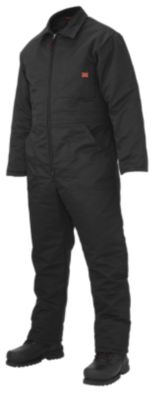
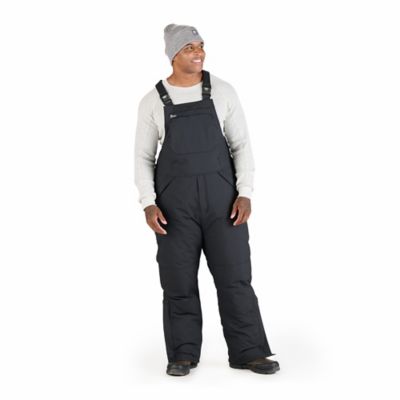
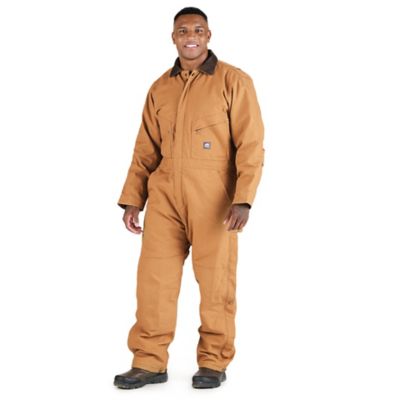
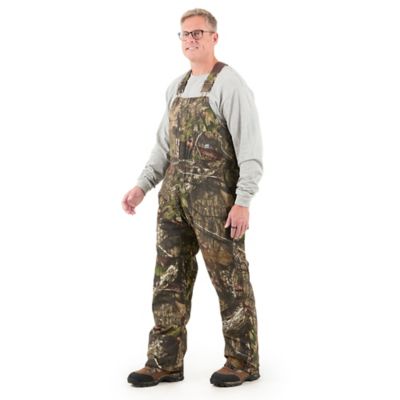
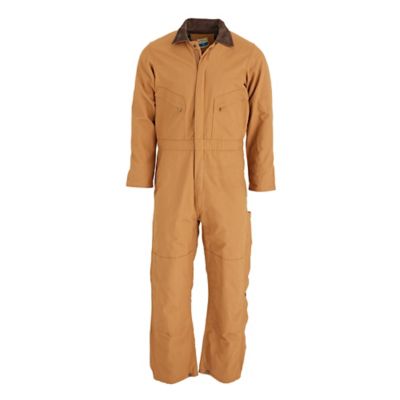
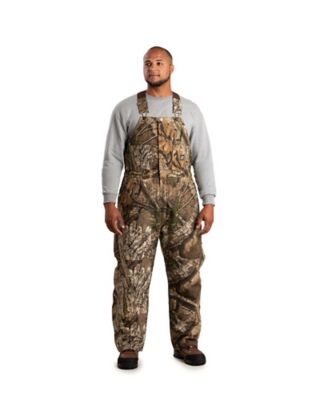
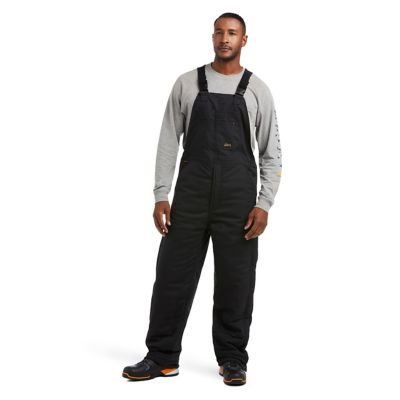
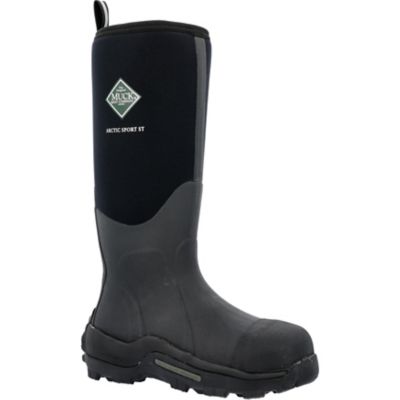
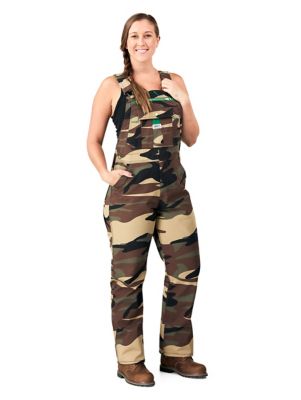
Men’s insulated waterproof bibs are built for the kind of cold, wet weather that finds every gap in ordinary work clothes. The bib design reaches higher on the chest and back than regular pants, helping keep out wind, rain, melting snow, mud, and drafts while you work, hunt, fish, or spend long hours outdoors. Insulation adds dependable warmth without requiring several bulky layers, which makes a noticeable difference when you are climbing into a tractor, walking a fence line, loading feed, clearing snow, or standing on a chilly dock. They are a practical choice for farmers, ranchers, construction crews, utility workers, warehouse staff, hunters, anglers, snow-sport fans, and anyone who works outside through the cooler months. A good pair should feel protective without making it hard to bend, kneel, climb, or sit. Look for adjustable shoulder straps, a comfortable bib panel, and a cut that leaves enough room for a base layer or sweatshirt underneath. Some styles are shaped for a closer athletic fit, while others offer a roomier workwear cut for layering and movement. Pay attention to the inseam and rise, especially if the bibs will be worn over boots. The leg opening should cover the top of the boot without dragging on the ground, and a boot zipper or generous snap adjustment can make it easier to get dressed when your hands are cold. Men’s insulated waterproof bibs also make a thoughtful gift for a dad who spends weekends in the woods, a neighbor who handles outdoor chores in every kind of weather, or a hard-working friend who is always the first one out to clear a driveway or fix a gate. For a broader look at durable options for the job, explore
Workwear Bibs.
Waterproof protection depends on more than a fabric that feels slick to the touch. Check for sealed or taped seams, a water-resistant outer finish, and a construction designed to keep moisture from working its way through high-wear areas. A waterproof rating, when listed, gives you a useful point of comparison; ratings around 10,000 mm or higher are commonly suited to steady rain, wet snow, and active outdoor use, though the overall design matters just as much. A bib with well-sealed stitching, a storm flap, and snug cuffs can keep you drier than one with a high rating but open zippers and exposed seams. Insulation is another important consideration. Synthetic insulation, often made from polyester or similar fibers, provides warmth while drying faster than natural fills if the garment gets damp. Heavier insulation can be helpful for slow-moving jobs, ice fishing, or long periods of standing, while lighter insulation may be more comfortable for active work, hiking, or snow sports where you build heat as you move. Consider the conditions you normally face and how much layering you prefer. A person running a chainsaw or loading hay may need freedom through the hips and knees, reinforced panels, and insulation that does not feel overly bulky. Someone sitting in a blind or waiting over a fishing hole may value maximum warmth, wind protection, and deep pockets more than a trim silhouette. Reinforced knees, seat panels, cuffs, and scuff guards help bibs hold up against rough lumber, ice shanty floors, machinery steps, and gravel. Roomy pockets are handy for gloves, a phone, keys, or small tools, while zippered pockets add security when you are riding, climbing, or moving across uneven ground. Full-length side zippers can make a big difference when you are pulling bibs over work boots, and they also help release heat during a hard stretch of work. Reflective accents, high-visibility colors, or contrasting trim may be worth considering for roadside tasks, low-light chores, and busy jobsites.
The best men’s insulated waterproof bibs match the work to the weather rather than simply offering the thickest construction available. For farm and ranch use, choose a durable outer shell that can handle brush, gates, hay bales, and repeated contact with equipment, along with enough flexibility for climbing in and out of a cab. For hunting, quiet fabric, camouflage or earth-tone coloring, secure pockets, and warmth that does not restrict a seated position can make long hours outdoors more comfortable. For fishing, look for strong waterproof protection, corrosion-resistant hardware, easy-clean surfaces, and room to move while casting, hauling gear, or stepping across a wet deck. Snowboarding, skiing, sledding, and other winter recreation call for bibs that balance insulation with mobility, plus cuffs that fit over snow boots and a shell that sheds wet snow. At the end of a long day, proper care helps preserve that protection. Follow the garment label, close zippers and fasteners before washing, use a cleaner made for technical outerwear when recommended, and avoid fabric softener if it can interfere with the water-shedding finish. Let bibs dry fully before storing them, and inspect the seams, straps, snaps, and cuffs after heavy use. If the outer fabric begins absorbing water instead of letting it bead and roll away, a compatible reproofing treatment may help restore performance. Whether they are headed to a jobsite, deer stand, frozen pond, snow-covered trail, or a morning chore that cannot wait for better weather, insulated waterproof bibs provide coverage where ordinary pants fall short. With the right fit, insulation level, waterproof construction, and durable details, they can become the dependable layer you reach for whenever the ground is wet, the wind cuts across an open field, and outdoor work still needs doing.