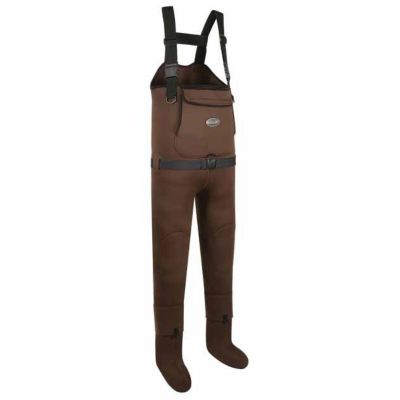
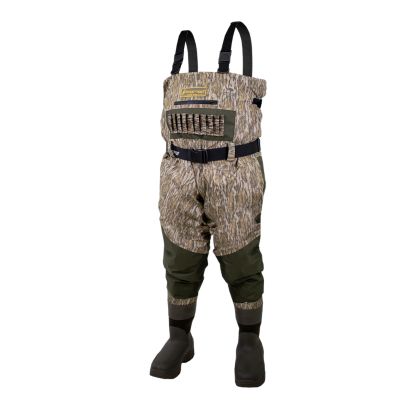
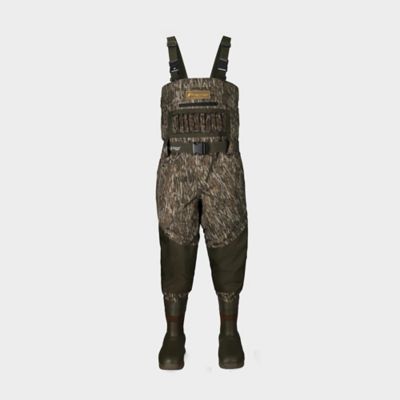
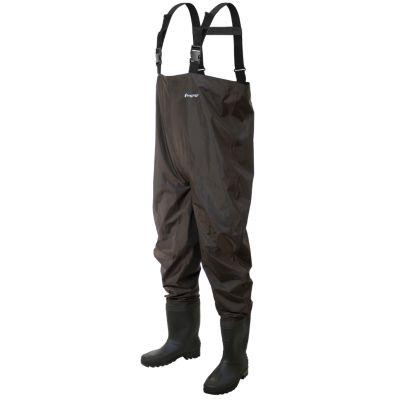
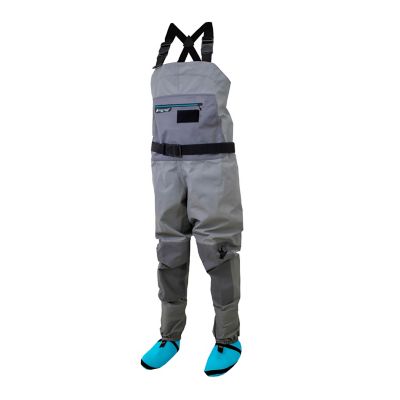
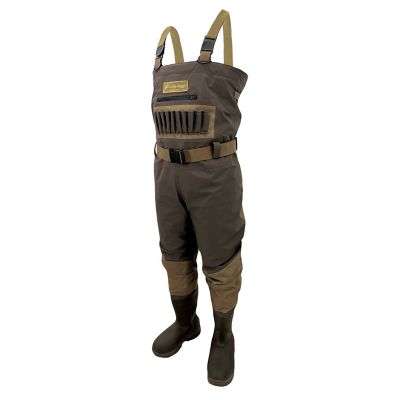
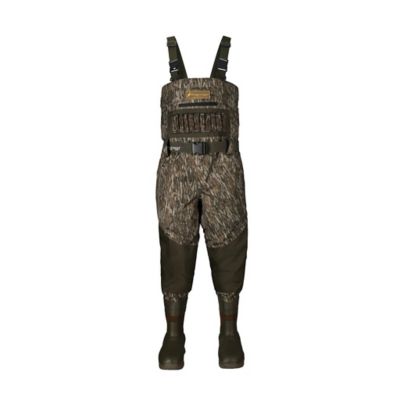
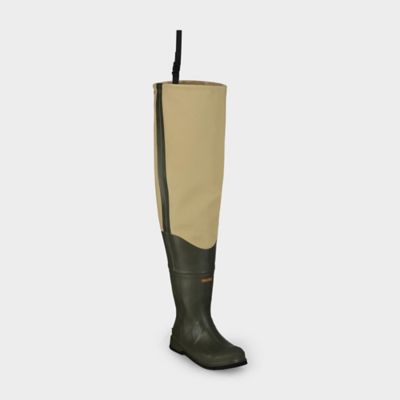
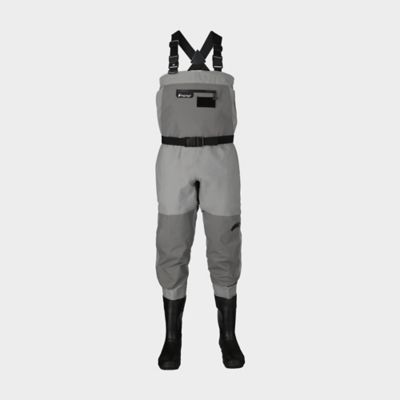
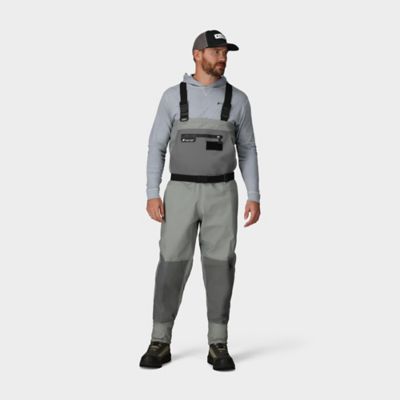
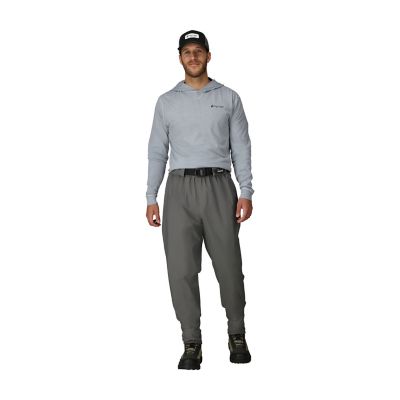
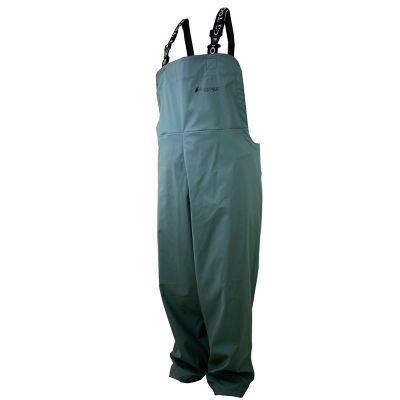
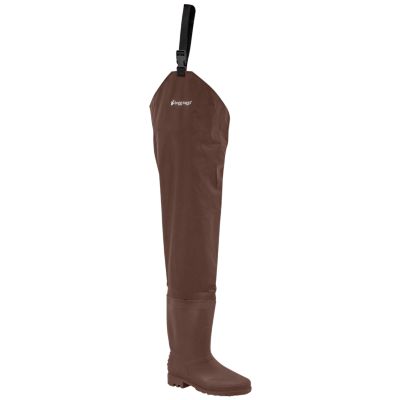
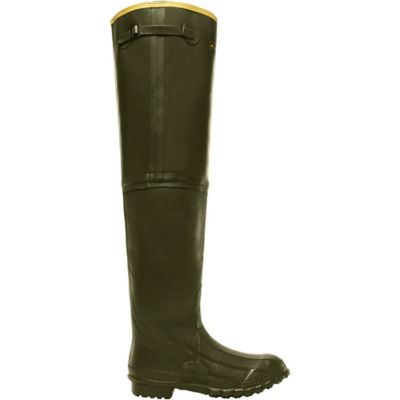
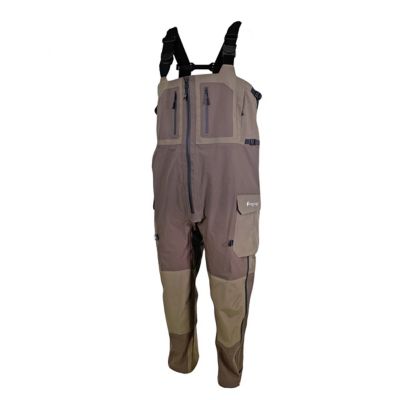
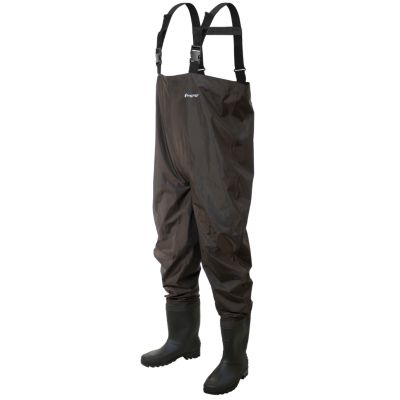
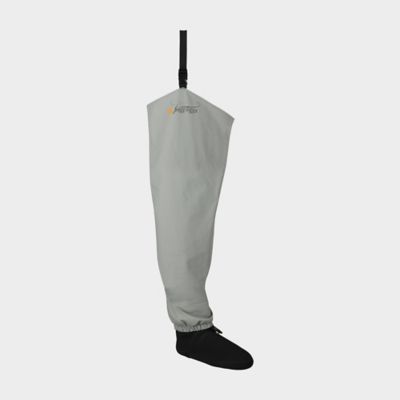
Cold weather fishing waders help keep water out while giving anglers room for the layers that make a long morning along the creek more comfortable. Whether the day calls for working a fly through a trout run or waiting on a bite beside a farm pond, the right balance of waterproof protection, insulation and freedom of movement matters. Neoprene fishing waders provide built-in insulation, with thicknesses commonly ranging from 3 mm to 5 mm. Thicker neoprene generally offers more insulation, though it can also feel heavier and less flexible when walking a good stretch of bank. That makes insulated neoprene waders a practical match for anglers who spend more time standing in cold water than hiking between fishing spots. Breathable fishing waders take a different approach: Their waterproof fabric allows some moisture vapor to escape, helping manage perspiration during activity. Breathable fabric alone does not provide much warmth, so comfort depends on the insulating layers underneath and any insulation built into the garment or footwear. For someone climbing down a wooded trail, crossing gravel bars and moving from pool to pool, that layering flexibility can be especially helpful. Neither material makes an angler immune to cold, and no single thickness suits every water temperature, activity level or person. Chest waders extend coverage above the waist and help shield clothing from splashes, while waist-high styles offer less coverage for shallower water. Extra coverage is not a reason to venture deeper; current, footing and water temperature still set the limits. For fall and winter fishing, the most useful choice is one that matches both the time spent in the water and the work it takes to reach it. A sheltered pond edge and a swift, rocky stream place different demands on the same pair of waders, even when the air feels about the same.
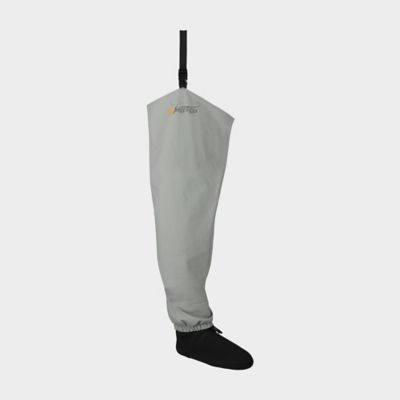
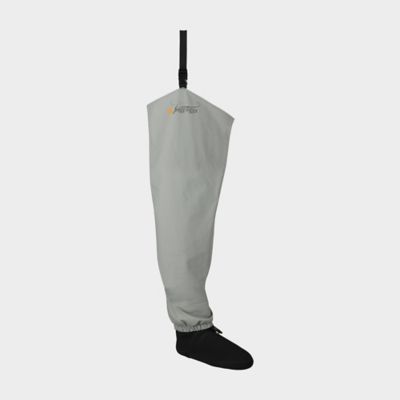
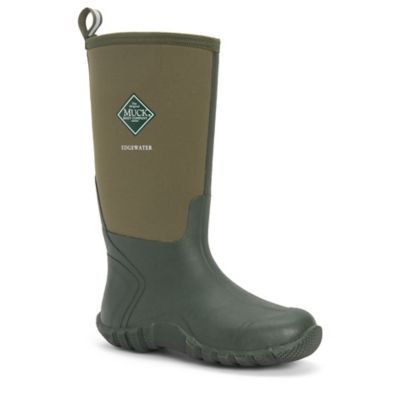
Fit deserves just as much attention as insulation in cold weather fishing waders. There needs to be space through the seat, thighs and chest for thermal layers without pulling at the seams when stepping over a log, bending to land a fish or climbing back onto the bank. Too much loose fabric can bunch at the knees and make walking awkward, while a tight fit can compress insulating layers and limit movement. Adjustable suspenders help position chest waders comfortably, and a properly fitted wading belt helps limit water entry if an angler takes a spill. A belt does not replace a personal flotation device or sound judgment around moving water. Bootfoot waders have attached boots, making them straightforward to pull on for a short trip to a nearby fishing hole. Insulated boots can add warmth around the feet, but insulation weight alone does not establish a dependable temperature rating for every wearer. Stockingfoot waders have waterproof foot sections, often made from neoprene, and require separate wading boots for traction and support. That arrangement lets anglers select footwear for their terrain, though boot sizing needs to account for the wader foot and socks. In either style, toes need room to move. Packing thick socks into a snug boot can squeeze the foot, compress insulation and leave feet colder rather than warmer. Wool or synthetic socks and moisture-wicking base layers help manage dampness, while fleece pants can add warmth without the stiffness of heavy everyday trousers. Cotton holds moisture and dries slowly, making it a poor match for a sweaty walk followed by a long stand in cold water. Underfoot, tread suited to mud may behave differently on slick rock, and no sole grips every surface. Felt soles may be restricted by local rules, while studs require care around boats and other surfaces they could damage. Thoughtful sizing and footwear choices help keep attention on the drift of a float instead of a pinched toe or a strap digging into a shoulder.
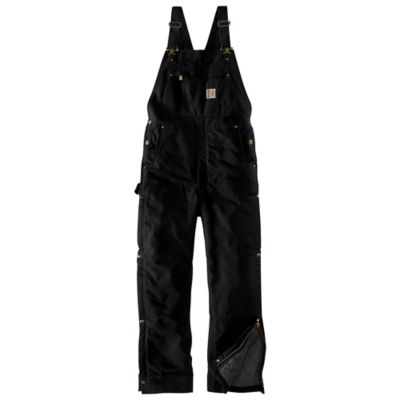
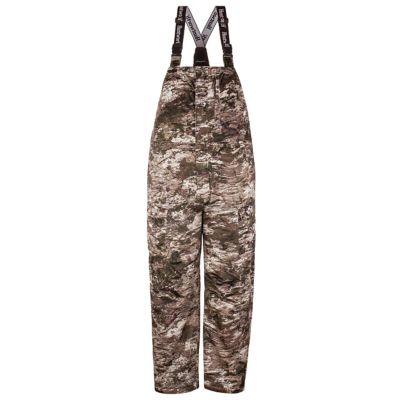
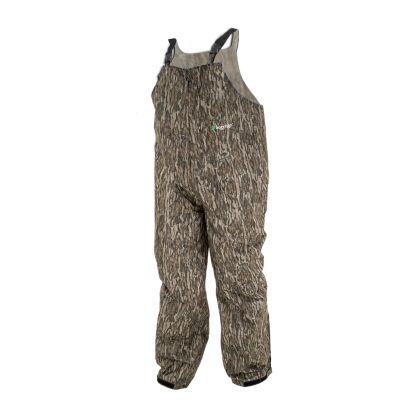
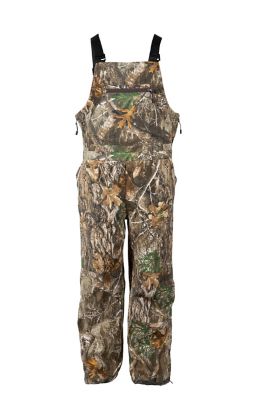
Construction and care shape how well fishing waders hold up to repeated trips across brushy banks, gritty shallows and rough ground. Reinforced knees and seat panels can help protect high-wear areas, while well-finished seams and securely attached straps matter whenever the fabric bends or carries tension. No wader fabric is puncture-proof, so barbed wire, thorn patches and sharp tackle still call for care. Pockets add convenience for small essentials, but a water-resistant pocket is not necessarily waterproof or suitable for keeping a phone dry during immersion. Handwarmer pockets can offer a welcome break between casts, provided hands and pocket linings stay reasonably dry. After a trip, rinsing away mud and grit helps keep abrasive particles from lingering in folds and around the boots. Cleaning methods should follow the garment’s care label, especially with breathable fabrics, waterproof membranes and seam treatments. Both the inside and outside need to dry fully before storage; trapped perspiration can leave the lining damp even when the shell looks ready to put away. Gentle airflow is a better choice than a hot stove, radiator or other direct heat source that could harm fabric, adhesives or boot materials. Hanging waders as directed or storing them loosely helps avoid sharp creases and unnecessary strain. Small leaks may be repairable with materials approved for the wader fabric, giving an otherwise sound pair more trips to the water. For a fishing gift, knowing the recipient’s measurements, preferred footwear and usual fishing routine is more helpful than guessing from everyday clothing size alone. Anglers who also spend time watching a pond from shore or handling outdoor chores may find
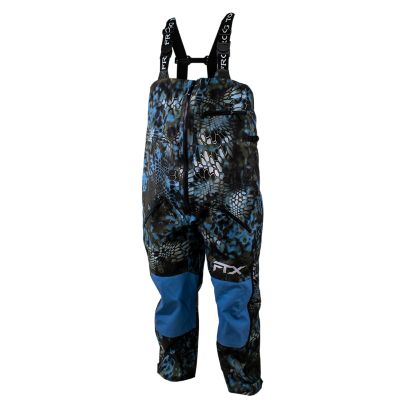
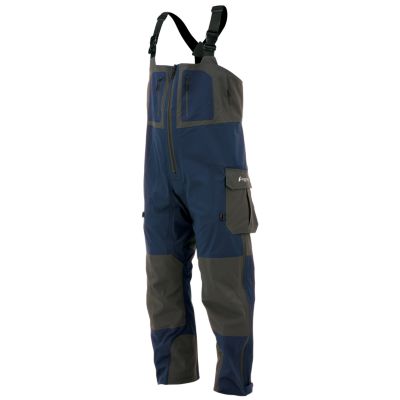
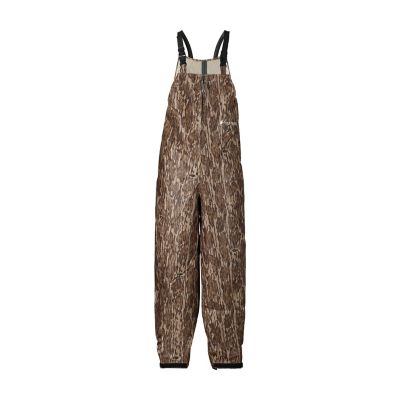
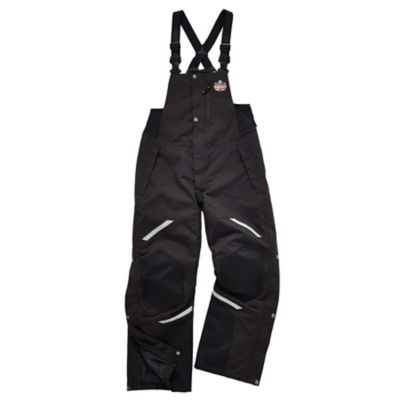
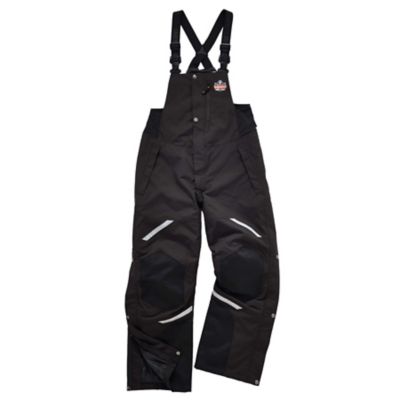
cold weather camo bibs useful for those dry-land hours, though insulated bibs are not a substitute for waterproof waders in the water. For wading itself, a comfortable fit, suitable insulation and traction matched to the bottom make a practical foundation for time spent fishing in the cold.