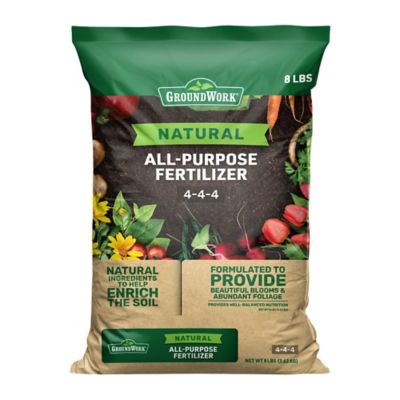
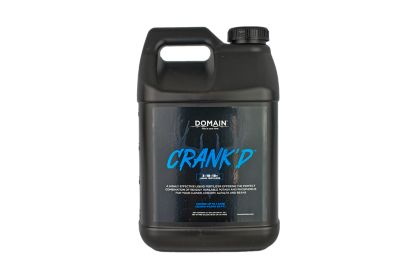
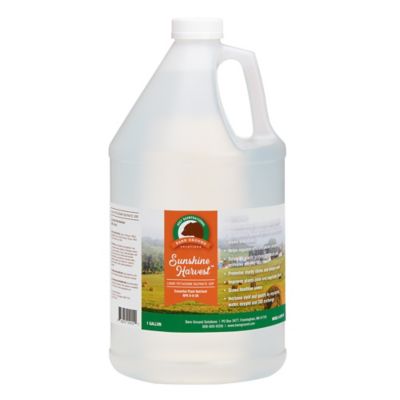
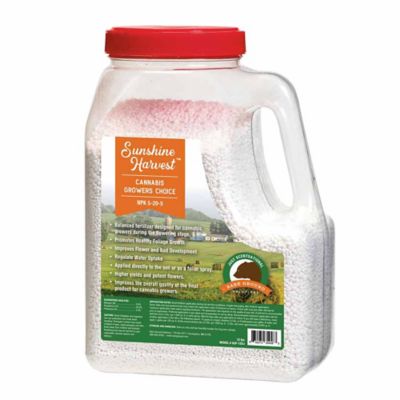
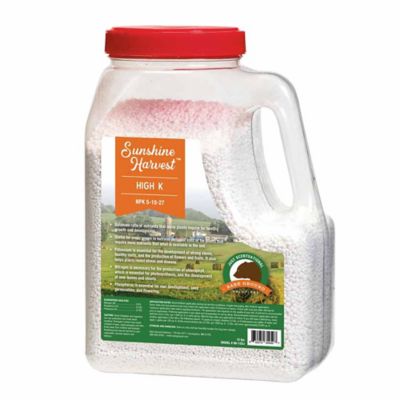
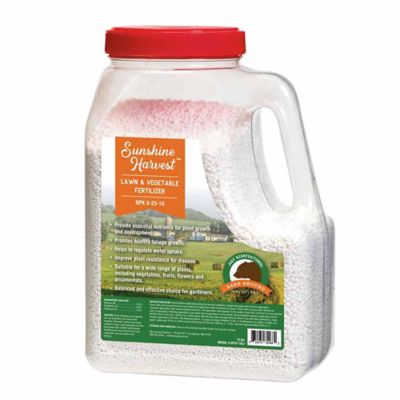
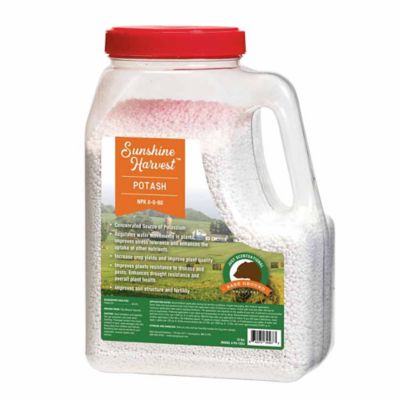
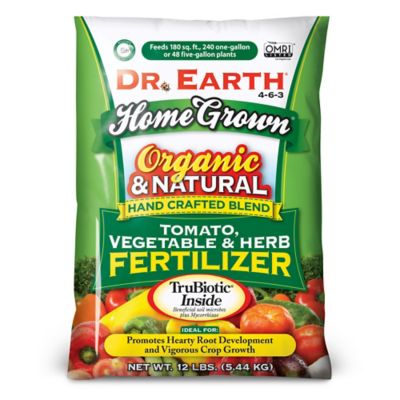
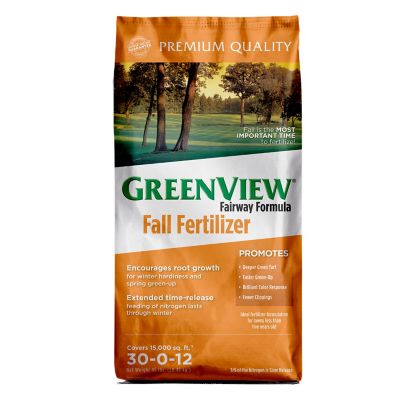
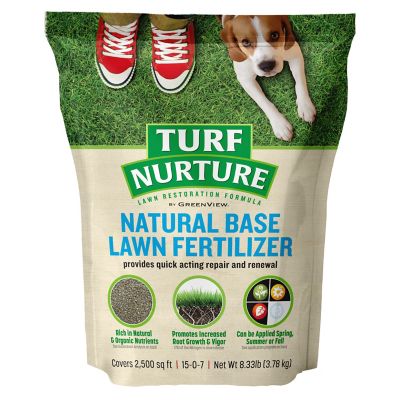
Fertilizers for agricultural crop production help supply the nutrients that crops need to build roots, stems, leaves, grain, and fruit. For row-crop growers, hay producers, and market gardeners, the right fit depends on what is growing, what the soil already holds, and how nutrients will reach the root zone. Nitrogen, phosphorus, and potassium are the three primary nutrients shown on a fertilizer label. The numbers in an N-P-K analysis represent the percentage by weight of nitrogen, phosphate, and potash, in that order; phosphate and potash are the conventional label expressions for phosphorus and potassium content. Nitrogen supports proteins, chlorophyll, and leafy growth. Phosphorus supports energy transfer and root development, while potassium helps regulate water movement, enzyme activity, and normal crop development. Each has a job, but a higher number does not automatically make a fertilizer a better match. A field with plenty of phosphorus may need little or no additional phosphorus, even when the crop has a substantial nitrogen requirement. Soil test results, realistic yield goals, crop history, and local recommendations give those label numbers meaning. Soil pH matters, too, because it affects how readily roots can take up several nutrients. Fertilizer does not replace lime where a soil test calls for a pH adjustment, and lime does not replace a crop’s nitrogen requirement. Nutrient needs also differ across crops and growth stages. Corn and small grains often require supplemental nitrogen, while well-nodulated soybeans and other legumes can obtain much of their nitrogen through their relationship with soil bacteria. Harvested hay carries nutrients off the field with every cutting, making replacement needs different from a field where crop residue stays behind. Those differences make crop fertilizers part of a field-specific nutrient plan rather than a one-formula answer for every acre. A small vegetable patch behind the barn and a broad stretch of grain ground may need the same essential elements, but not the same analysis, application rate, or delivery method.
Dry granular fertilizers, liquid fertilizers, and water-soluble materials offer different ways to deliver crop nutrients. Granules can suit broadcast spreading or placement through compatible planting equipment, while liquid materials fit certain sprayers, injection systems, and irrigation setups. Water-soluble fertilizers require complete dissolution and equipment suited to the intended application. Particle size, granule consistency, solubility, and handling characteristics all affect how a material fits the job. An even spread depends partly on how well the fertilizer flows through the hopper and how closely the spread pattern matches the equipment settings. Liquid applications depend on compatible plumbing, nozzle selection, filtration, and calibration. Among common nutrient sources, urea supplies concentrated nitrogen, while ammonium sulfate supplies nitrogen and sulfur. Surface-applied urea can lose nitrogen as ammonia gas unless placement, incorporation, irrigation, or another suitable management approach limits that loss. Phosphate fertilizers supply phosphorus, and some also contribute nitrogen that belongs in the total nutrient calculation. Potassium chloride and potassium sulfate both supply potassium, but they differ in chloride and sulfur content, which can matter for certain crops and soil conditions. Calcium, magnesium, sulfur, and micronutrients such as zinc or boron may also deserve attention when testing and crop requirements point to a need. Micronutrients belong in small, measured amounts; extra application can harm plants rather than help them. Fertilizers made from plant or animal materials bring another set of considerations, including nutrient concentration, release rate, and the contribution of organic matter. Nutrient release from these materials depends partly on biological activity, so their timing may differ from readily soluble sources. Manure and compost nutrient credits also count toward the field’s total supply. For certified organic operations, a material’s origin alone does not establish whether it fits the farm’s certification requirements. Reviewing the label and checking with the certifier keeps that choice tied to the operation’s actual standards. Across fertilizer types, a clear guaranteed analysis and application directions help connect the material in the bag or tank with the needs of the crop.
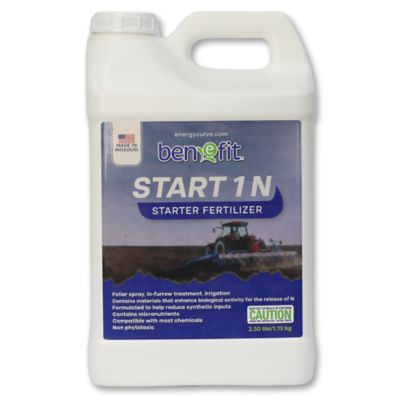
Practical fit goes beyond the nutrient analysis. A grower feeding sweet corn through irrigation has different equipment needs from a hay producer covering open ground with a spreader. A starter application near the row calls for attention to placement and seed safety, since concentrated fertilizer too close to seed can injure developing plants. A sidedress application can bring nitrogen closer to a period of active crop uptake, while broadcast applications may suit nutrients that need distribution across a larger area. Split applications can help align nitrogen supply with crop demand, but the best approach depends on the crop, soil, equipment, and local recommendations. Fertilizer rates also need a clear unit of measure: pounds of nutrient per acre are not the same as pounds of fertilizer per acre. Keeping that distinction straight helps avoid a heavy application when the soil test calls for a modest nutrient addition. Handling and storage matter before the first pass across the field. Intact packaging, legible labels, and a storage area protected from moisture help keep dry materials free-flowing and easier to measure. Liquid materials need suitable containers, attention to label storage limits, and mixing checks before combination with other inputs. Fertilizers belong apart from feed and food, with access controlled around children and livestock. Equipment care counts as well, since fertilizer residue can encourage corrosion on metal parts; cleaning according to equipment directions helps keep spreaders and applicators ready for the next job. Responsible crop nutrition also means accounting for nutrients from previous crops, manure applications, irrigation water where relevant, and fertilizer already applied. Keeping nutrients near the crop’s root zone and away from drainage paths supports efficient uptake and helps protect nearby water. Field records and soil testing show how nutrient levels change across repeated harvests, giving growers a firmer basis for future purchases. For nutrient choices that fit a longer view of soil stewardship, explore
Fertilizer For Sustainable Farming. The aim is a practical match between the field, the crop, and the fertilizer—not simply more nutrients on every acre.