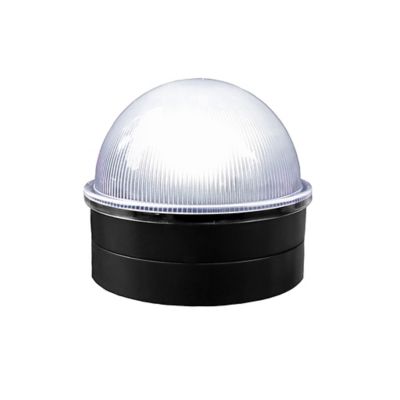
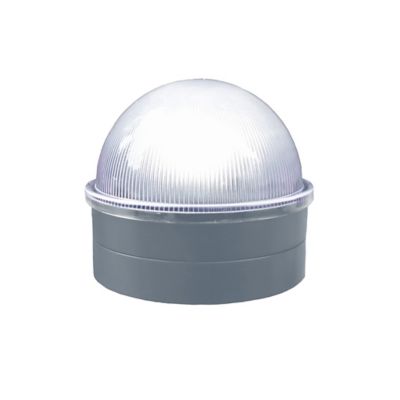
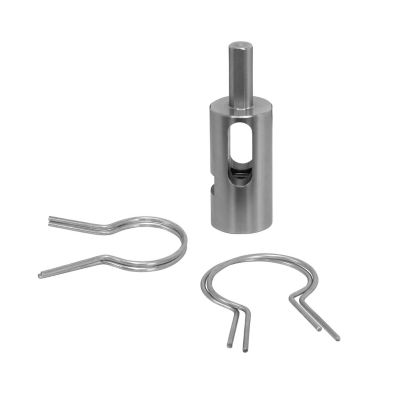
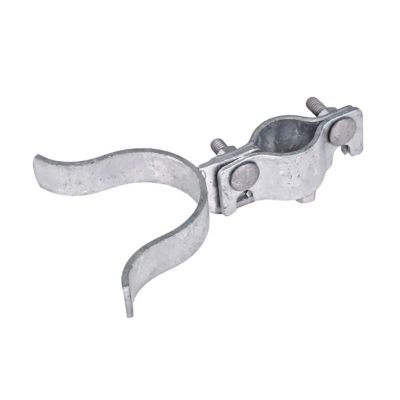
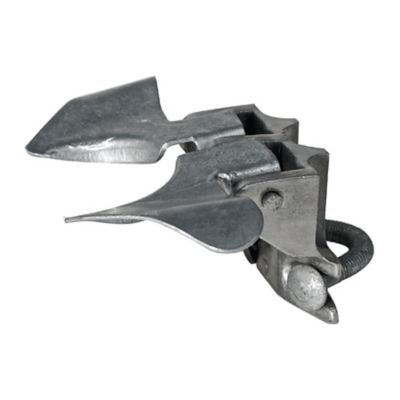
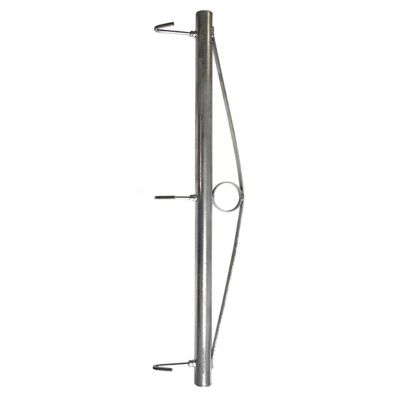
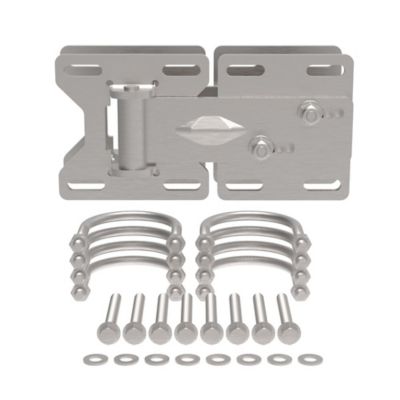
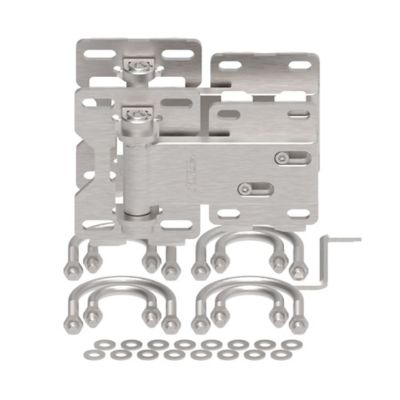
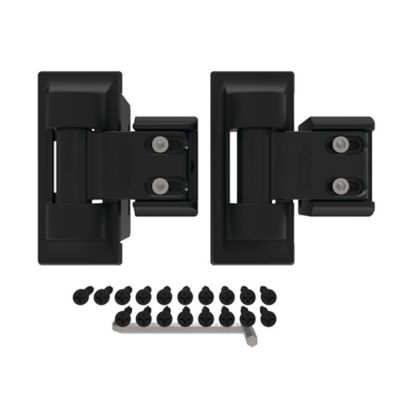
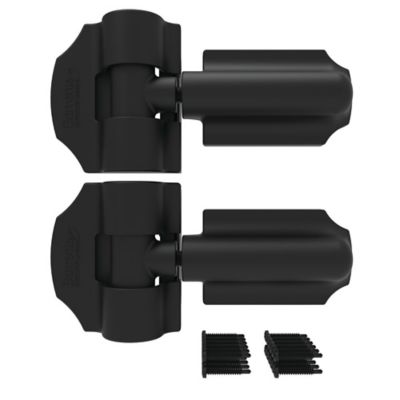
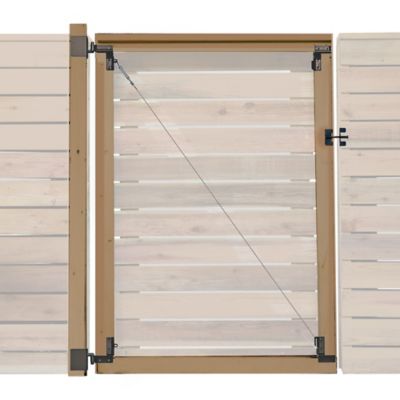
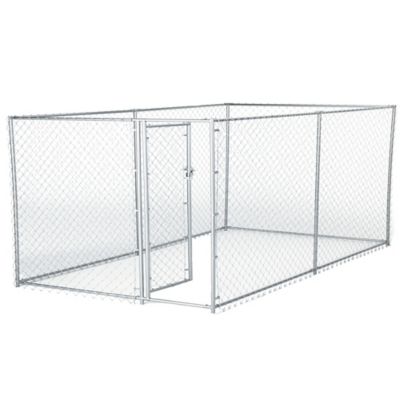
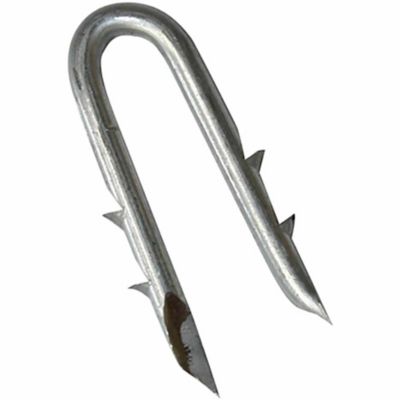
Chain link fence hardware brings together the small but important parts that help a fence stand straight, hold its shape and work smoothly day after day. Whether you are putting up a new run around a backyard, enclosing a garden, securing a livestock area or repairing a gate at the edge of the property, the right fittings make the job more dependable. Chain link fencing relies on several connected pieces, and each one has a purpose. Tension bars slide through the end of the woven fence fabric and give it a firm edge. Tension bands wrap around terminal posts to hold those bars in place, while brace bands connect rails, braces and other horizontal framework to the posts. Carriage bolts, nuts and washers fasten the bands securely, helping the fence stay tight through wind, rain and everyday use. Post caps fit over the tops of line posts and terminal posts to keep out moisture, give the finished fence a cleaner look and guide the top rail where needed. Rail ends and related fittings help join the horizontal rail to the terminal posts, creating a more stable frame along the upper edge of the fence. These parts are useful for homeowners, farmers, kennel owners, property managers, contractors and anyone taking care of a fence that sees regular wear. A few replacement fittings can also be handy to keep on the shelf in a barn, shed or garage, especially when a storm, fallen limb or busy gate leaves a fence needing attention before the next trip to town.
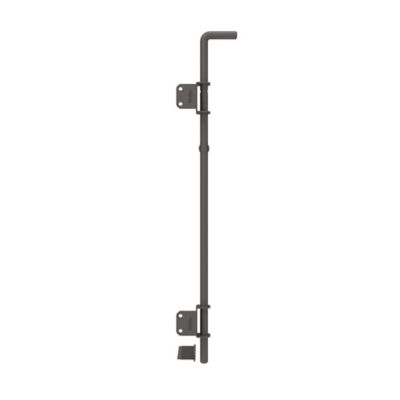
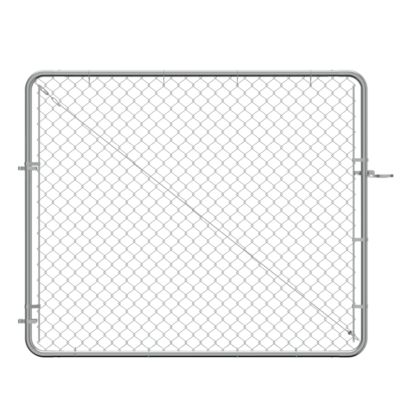
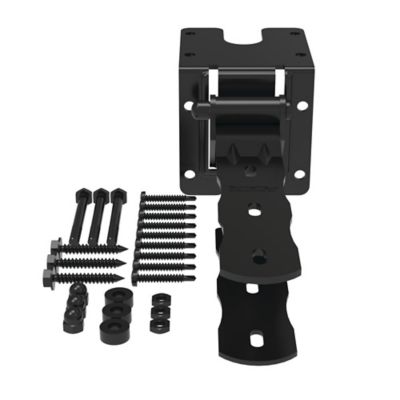
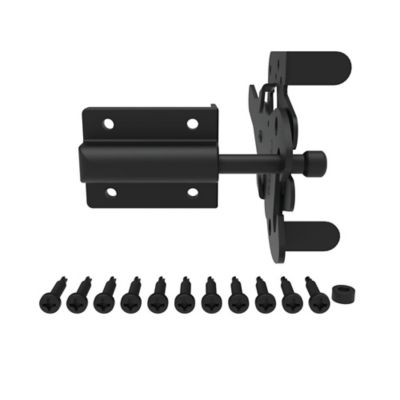
Matching the hardware to the fence is one of the most important parts of a successful repair or installation. Begin by checking whether the project uses line posts, terminal posts, gate posts or a combination of all three, since fittings can serve different jobs depending on where they are installed. Measure post diameter before ordering, and compare the measurements with the hardware specifications rather than relying on appearance alone. Common residential and farm fence systems may use different post sizes, rail dimensions and fabric heights, so a band or rail end that is too large can shift, while one that is too small may not fit over the post. It also helps to count every connection before starting: corner posts, end posts, gate posts and changes in direction usually need more fittings than a straight stretch of fence. For chain link gates, look for compatible hinges and latches that match the gate frame and post size. Hinges allow the gate to swing, while a fork-style or similar latch keeps it closed and gives you a convenient handhold when bringing in feed, tools, pets or equipment. Fence ties and hog rings fasten the mesh to line posts and rails, keeping the fabric from bowing away from the frame. Galvanized or corrosion-resistant hardware is a practical choice for outdoor use, particularly in damp areas, near irrigation, or anywhere the fence will be exposed to wet grass and muddy ground. When replacing only a few parts, take an old fitting or a clear measurement with you; that simple step can save a return trip and make the repair go much smoother.
A solid chain link fence is built one connection at a time, and careful preparation makes even a modest repair feel more manageable. Lay out the parts before beginning, separate fittings by post or gate, and keep the needed wrench, pliers, socket or fence tool close by. When attaching fabric to a terminal post, the tension bar should sit evenly through the mesh, with the bands and bolts positioned so the load is spread across the post rather than concentrated in one spot. Tighten hardware firmly, but avoid over-tightening to the point of bending a band or crushing the fence fabric. For a long run, work in sections and check the fence line as you go; a straight top rail and evenly tensioned mesh will look better and hold up better than a rushed installation. Gate hardware deserves extra attention because a gate moves every time someone enters the yard, opens a pasture or wheels a mower through. Check that the gate hangs level, swings freely and closes without dragging on the ground. During the warmer part of the season, growing grass and shifting soil can hide low spots, while cooler, wetter weather may soften the ground around posts, so a quick inspection can catch trouble before a loose hinge or leaning post becomes a larger repair. For more ways to finish, maintain or improve a fencing project, browse
Fence Accessories. With the proper chain link fence hardware on hand, routine upkeep, a fresh enclosure or a gate repair can be handled with confidence and built to keep serving the property through changing weather and busy days.