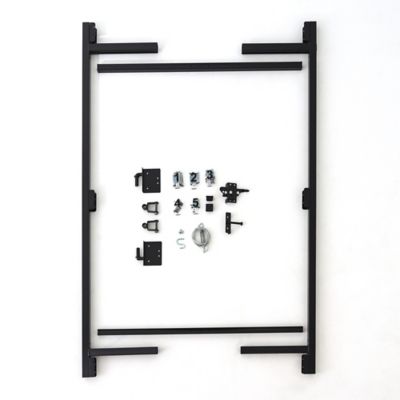
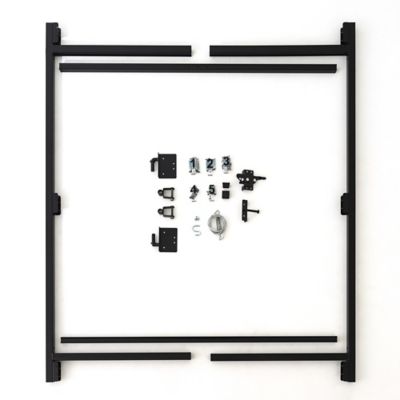
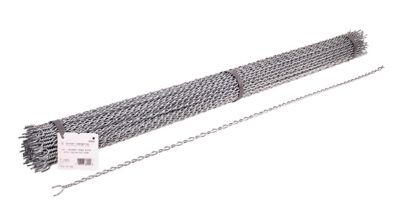
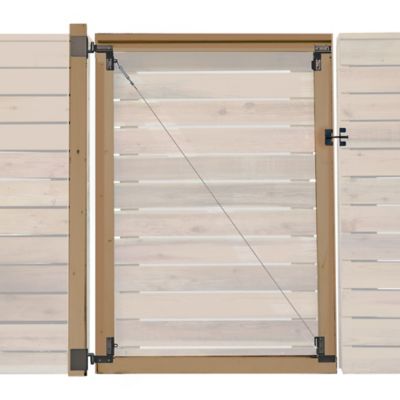
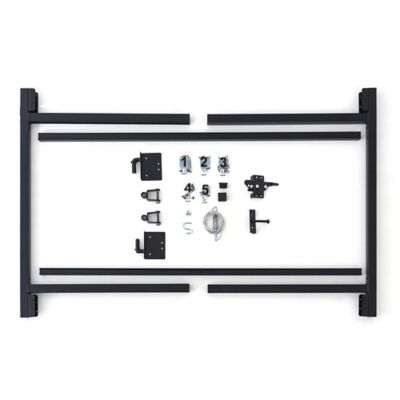
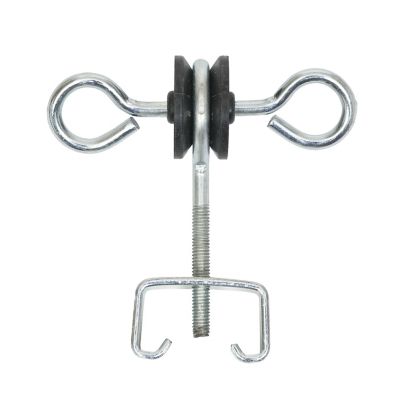
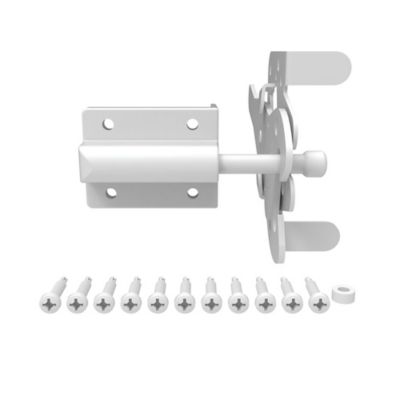
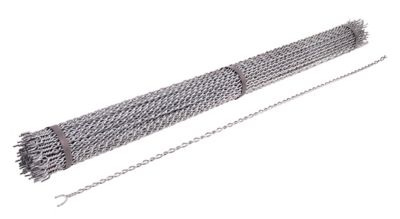
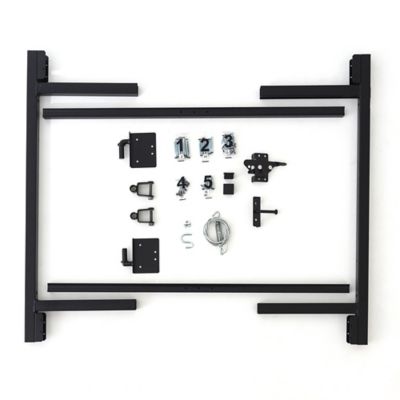
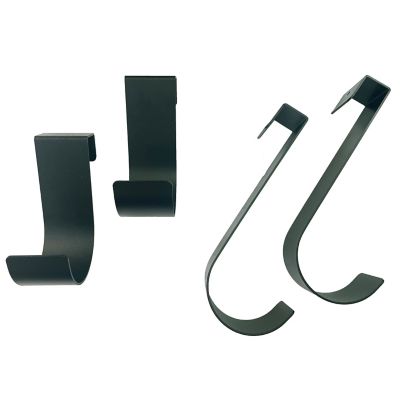
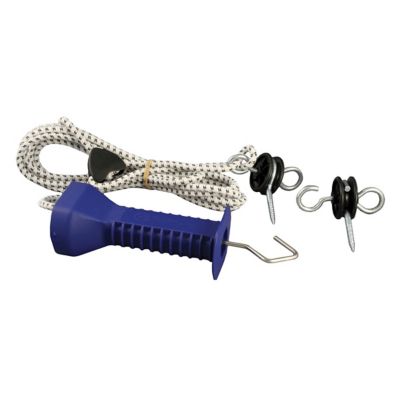
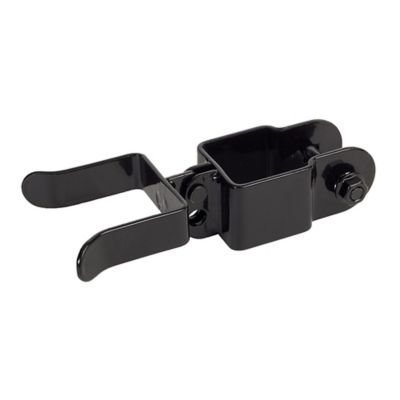
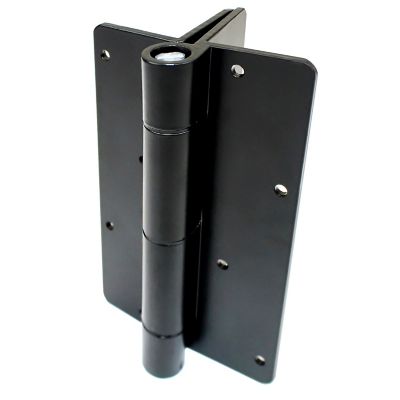
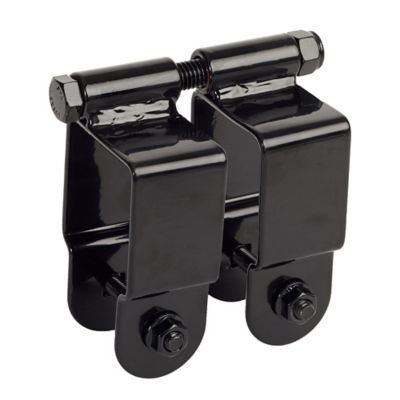
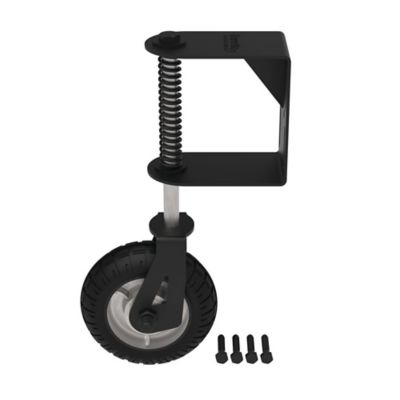
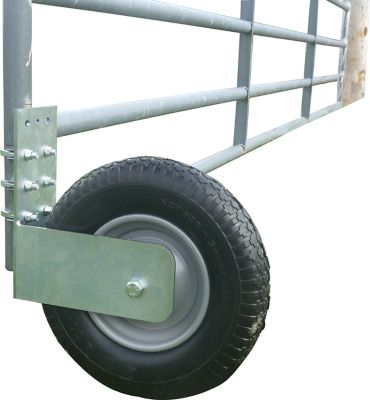
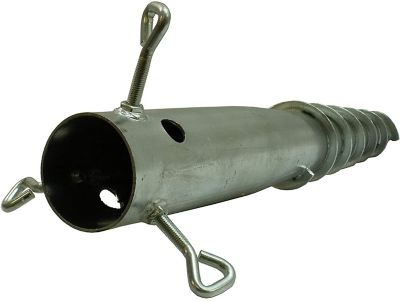
Fence hardware handles the small connections that keep a whole fence working, from the hinge supporting a pasture gate to the latch on a backyard enclosure. On a farm, ranch or rural property, those connections get plenty of attention every time someone heads out to feed livestock, moves equipment between fields or closes up after chores. The right fit starts with the job the fence needs to do. A wide equipment entrance puts different demands on its hardware than a narrow walk-through gate beside the barn, and an animal enclosure calls for attention to gaps, latch placement and the way the gate closes. Hinges, brackets, latches and other fittings need to work with the gate’s size, weight and construction, as well as the posts carrying the load. A heavy gate needs more than a sturdy hinge; sound posts and proper support matter just as much. Hardware made for a round metal frame may not fit a square frame or a wood gate, even when the pieces look close at a glance. Post diameter, frame thickness, mounting-hole spacing and attachment style all affect how the parts come together. Gate swing matters, too, especially along a narrow lane or near a feed bunk where there isn’t much room to spare. A latch that sits neatly out of the traffic path can make everyday access less awkward, while hinge placement helps determine clearance above the ground and beside the post. For property owners replacing a worn connection, matching the existing dimensions can help keep a straightforward repair from turning into a larger fence project. For a new enclosure, hardware that suits the layout from the start helps keep gates and fence sections working together. Whether the fence marks a property line, separates paddocks or keeps a yard organized, well-matched connections support the work that happens around it every day.
Material and finish deserve a close look because fence hardware stays in contact with posts, wire and gate frames for long stretches of time. Steel provides strength for many gate and fence connections, while galvanized finishes help protect the underlying metal against corrosion. Stainless steel can be worth considering where corrosion resistance is a priority, though the full assembly still needs compatible parts. A protective coating is only one part of the picture: the thickness of the metal, the construction of a moving joint and the manufacturer’s load rating also matter. Hardware should suit the materials it touches, including treated wood, coated wire or metal tubing. Mixing metals without checking compatibility can contribute to corrosion at the connection, and an attachment that fits poorly may scrape a finish or concentrate pressure on a small area. The
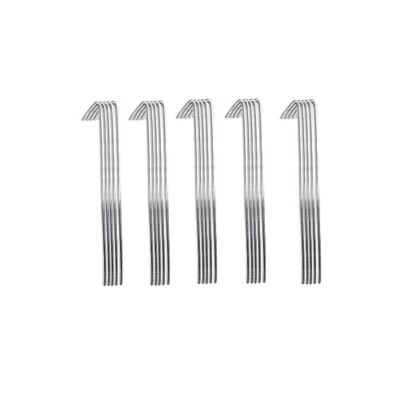
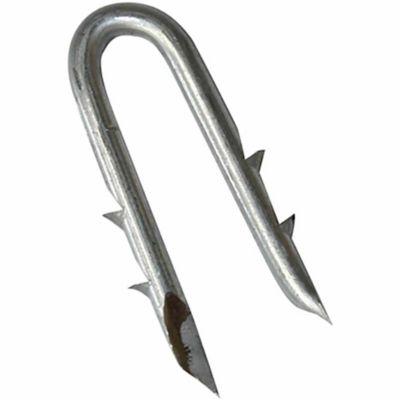
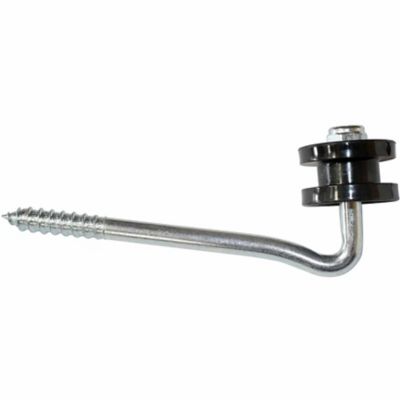
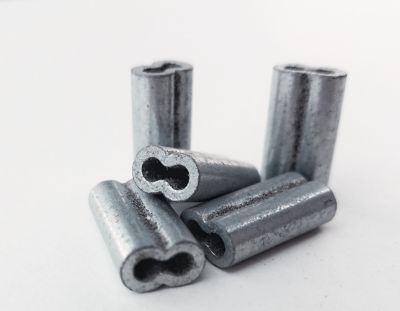
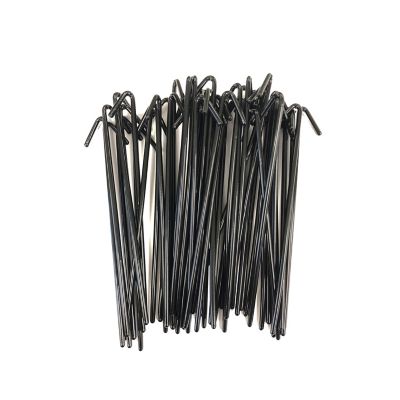
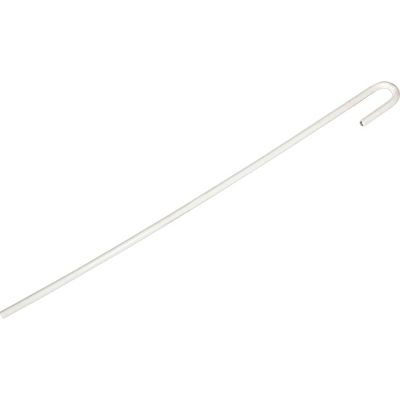
Fence Fasteners category addresses another important part of the setup, with connections that need to match both the fencing and its supports. Wood posts, metal posts, woven wire and chain-link fencing each call for attachment methods suited to their construction. Fence hardware isn’t interchangeable just because two pieces have similar dimensions. A fitting intended to hold a stationary fence section may not handle the repeated movement of a gate, and a part meant for one post profile may leave too much play on another. With electric fencing, connections also need to respect the fence system’s insulation and electrical requirements rather than treating every attachment like a plain wire connection. For livestock areas, exposed edges and projecting ends deserve particular attention wherever animals rub, reach or pass through. Around a driveway or equipment lane, clearance for tires, trailers and implements matters alongside the strength of the connection itself. These details help narrow the choice to hardware that belongs on that fence, rather than something that merely looks close enough.
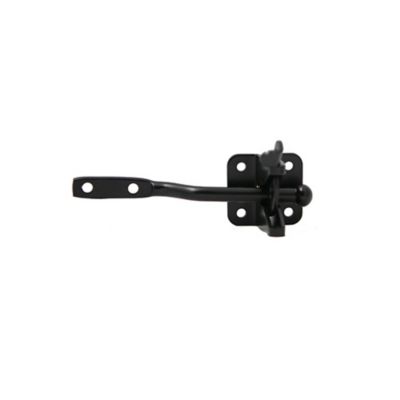
Everyday handling is another part of choosing fence hardware that earns its keep. A gate beside a feed area might open several times before breakfast, while a boundary gate may stay closed until it’s time to move a trailer or check another pasture. Both need suitable support, but their latches and moving parts face different routines. An easy-to-grasp latch can be helpful when carrying a bucket, and a gate that closes without dragging saves effort on a busy chore route. Where cattle, horses, goats or other livestock have access to a gate, latch design and placement should account for animals nudging, rubbing or investigating the closure. A simple catch may be convenient for people but may not suit an animal that has learned to nose it open. Areas with children, pets or public access can call for additional attention to how a closure operates and whether a separate locking provision is appropriate. No hardware choice takes the place of regular fence checks, especially around livestock. Movement at a post, loose mounting points, bent pieces and uneven wear can all affect the way a gate hangs or closes. Routine care often includes clearing dirt from moving joints, checking attachment points and applying lubrication where the manufacturer recommends it. Coated parts benefit from attention to scratches and worn contact areas, while corroded or distorted pieces may need replacement rather than another adjustment. A sagging gate can point to a support problem, not just a hinge problem, so the surrounding structure matters when planning repairs. Keeping track of gate dimensions and hardware specifications can make later maintenance simpler across a property with several entrances. From a small garden enclosure to working livestock pens, fence hardware serves best when it fits the structure, handles the daily routine and stays easy to inspect. Those practical details help keep the focus on chores instead of wrestling with a stubborn gate.