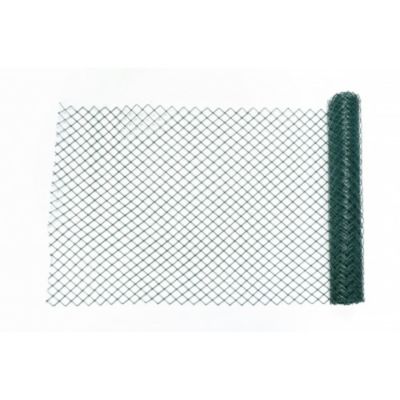
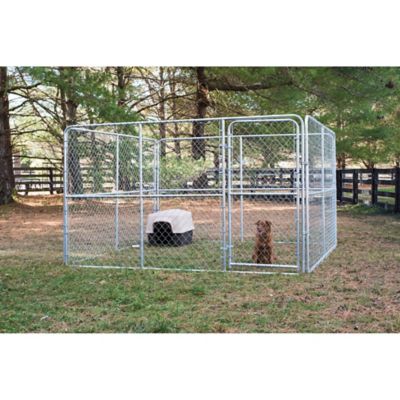
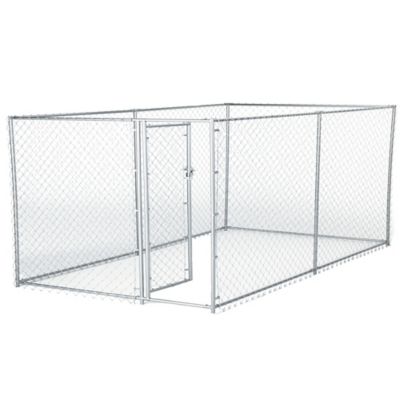
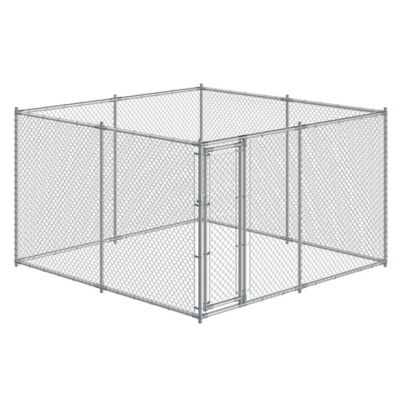
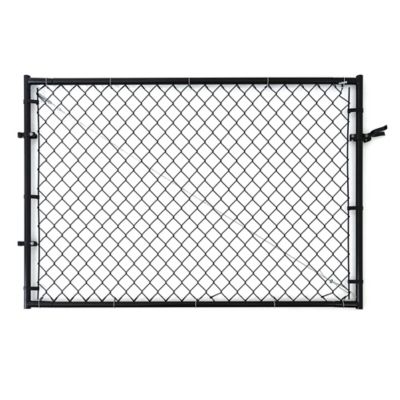
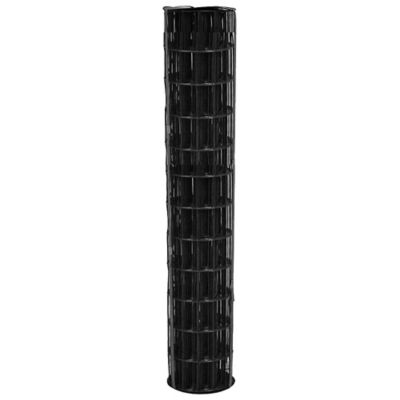
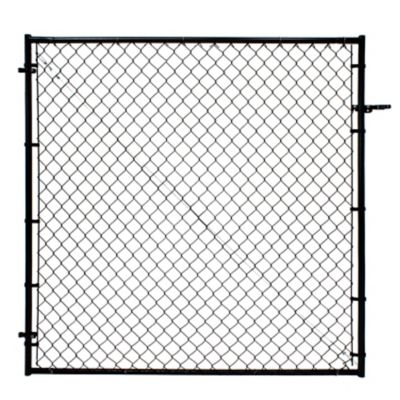
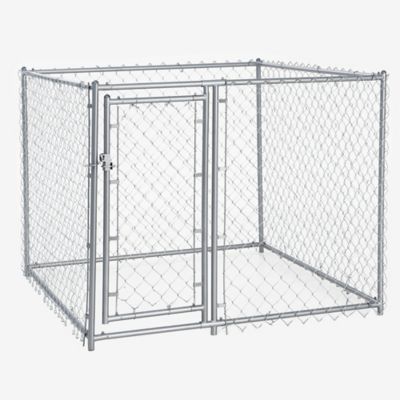
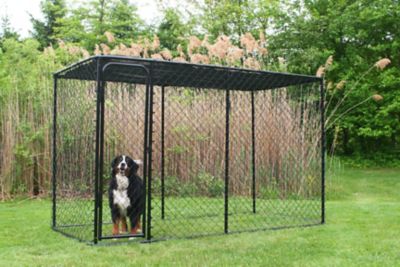
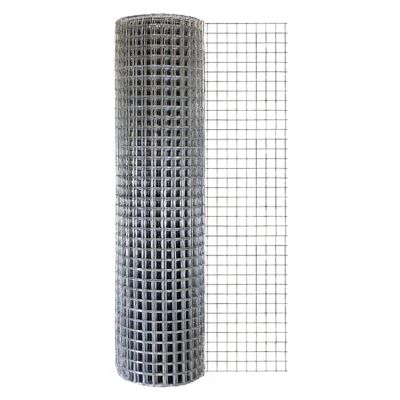
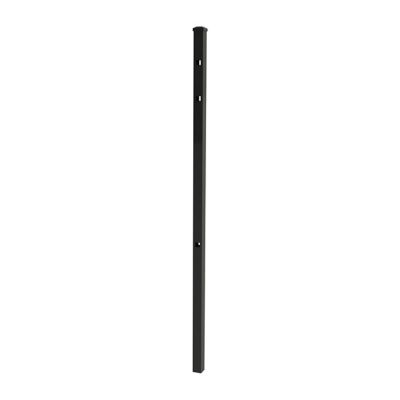
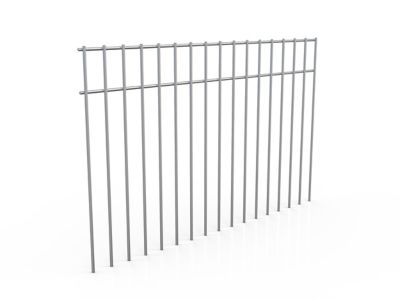
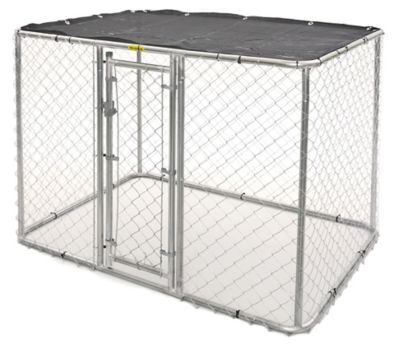
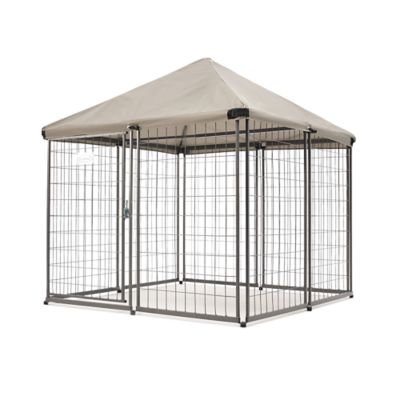
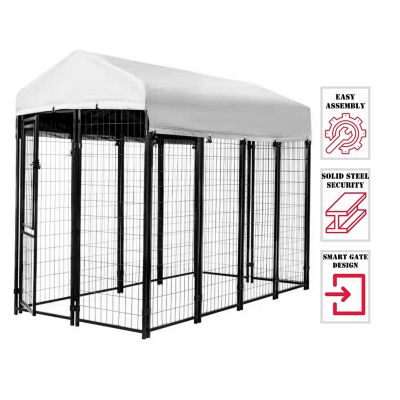
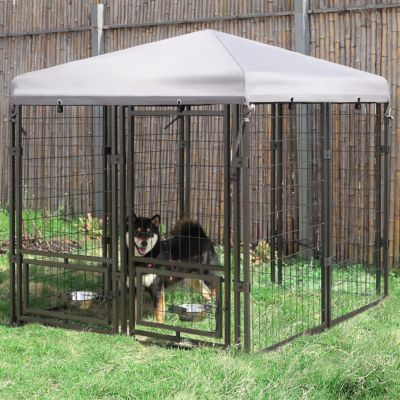
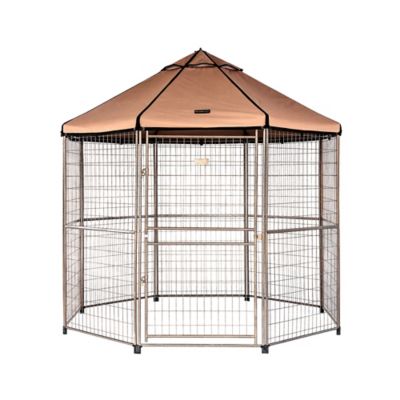
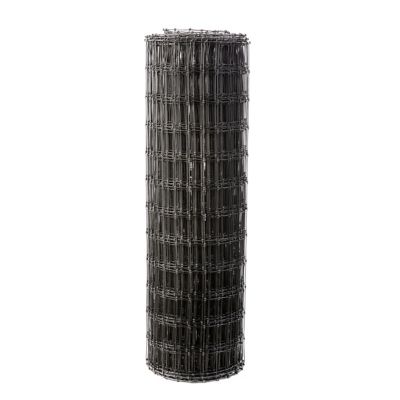
Chain link fences create a clearly defined boundary with woven steel mesh, giving yards, work areas and animal enclosures a barrier that leaves the view open. The familiar diamond pattern lets daylight and air pass through while keeping the fence line easy to see across a backyard or beside an equipment shed. That open construction suits properties where keeping an eye on the other side matters more than screening it from sight. A chain link fence system brings together several parts: fabric is the woven wire mesh, posts provide vertical support, and rails and fittings hold the assembly together. Terminal posts anchor the ends, corners and gate openings, while line posts support the stretches between them. A top rail helps steady the fence and supports the upper edge of the fabric. Galvanized chain link fencing has a zinc coating that helps protect the steel against rust and gives it the familiar silver finish. Polymer-coated fencing, often called vinyl-coated chain link, adds a colored outer layer, commonly black or green, for another measure of protection and a different appearance. Dark finishes can blend into a tree line or shaded yard, while silver fencing fits naturally around barns, shops and utility areas. Fence strength depends on more than its finish. Wire thickness, mesh opening size, post dimensions and the way the system is anchored all affect how it holds up to everyday contact and exposure. For steel fence wire, a lower gauge number generally indicates thicker wire, though coated-wire specifications need a closer look because measurements may describe the steel core or the finished diameter. Smaller mesh openings can suit applications that call for less space between wires, but the right choice depends on what the enclosure needs to contain or keep out. Homeowners, property managers and folks maintaining rural acreage often choose chain link for its straightforward construction, visibility and relatively modest upkeep. It works especially well where a permanent boundary needs to mark off a space without making that space feel closed in.
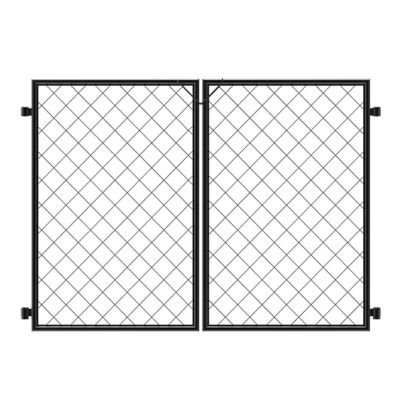
The right chain link fencing layout fits both the property and the work happening inside it. A backyard enclosure might need room for a mower to pass through, while a fence around a shop yard may call for a wider opening for a trailer, tractor or other equipment. Common residential fence heights include 4, 5 and 6 feet, with taller systems serving some commercial and security applications, subject to local requirements. Height alone does not determine containment or security; mesh size, ground clearance, gate hardware and the overall installation matter, too. A dog that climbs or digs presents different needs from one that stays well back from the boundary, and chain link is not the right answer for every animal. Livestock enclosures need fencing suited to the species, size and behavior of the animals rather than a choice based only on appearance. Fit is just as important where the components meet. Posts, rails, caps, tension bands, brace bands and gate fittings need compatible dimensions, and similar-looking pieces do not necessarily fit the same pipe diameter. Tension bars distribute the pull of the fabric at terminal posts, while fence ties secure the mesh to supporting members. Depending on the design, bottom tension wire or a bottom rail helps control movement along the lower edge. Across sloping ground, the layout needs to account for changes in elevation without leaving unintended gaps beneath the mesh. Gate openings deserve particular attention because they carry repeated movement as well as their own weight. A walk-through gate should allow comfortable passage with a wheelbarrow or feed cart when that is part of the daily routine. Wider gates need suitable support, hinges and latches, plus enough clearance to swing without dragging. Property lines, easements, underground utilities and local fence rules can all affect placement. Pool barriers have additional requirements, and a general-purpose chain link fence should never be assumed to meet them. These details help distinguish a fence that simply spans a distance from one that fits the way a place actually runs.
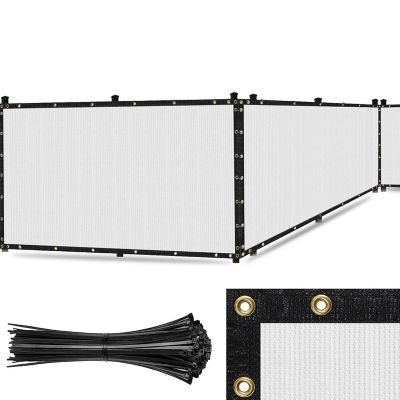
Chain link fence care centers on keeping the protective finish intact and catching movement before it becomes a bigger repair. Galvanized and polymer-coated surfaces resist weathering, but neither makes steel immune to corrosion, especially where scratches expose the metal or moisture lingers around debris. An occasional rinse can clear away dirt, and mild soap can help with grime when the finish manufacturer's care directions allow it. Grass clippings, piled leaves and thick vines against the mesh can hold moisture and make damage harder to spot. Keeping that growth back also leaves room to check the bottom edge for lifted fabric, loose ties or gaps where a pet might push through. Around busy gates, hinges, latches and post alignment tend to need more attention than an undisturbed stretch along the back of the lot. A gate that starts scraping the ground may point to shifting support, loose hardware or changes in the soil rather than a problem with the gate alone. During the cooler months, wet ground, frost movement, fallen limbs and snow piled beside a fence can put extra strain on the system. Sound anchoring and footings suited to local soil and frost conditions help support long-term performance. Chain link's open weave allows wind to pass through more readily than a solid barrier, but adding privacy slats or screening changes that behavior and increases the load on posts and foundations. Those additions need to suit the fence design and site conditions, not just the desired level of privacy. The mesh also offers little protection from noise or blowing dust, so its strengths are best matched to spaces where visibility and separation are the main goals. For a changing work area or a boundary needed only for a limited stretch of time,
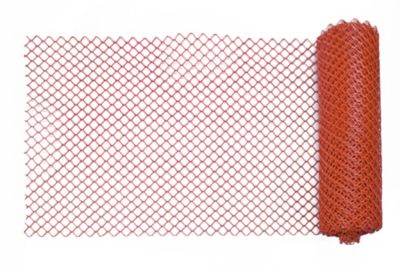
Temporary Fences serve a different purpose from a permanent, anchored chain link system. Where the boundary will stay put, well-matched materials, properly supported gates and regular attention to small repairs help chain link fencing stand up to the everyday traffic of a working property.