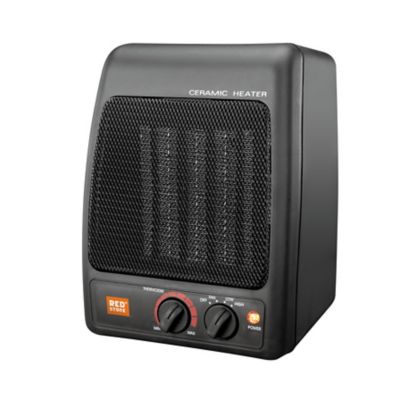
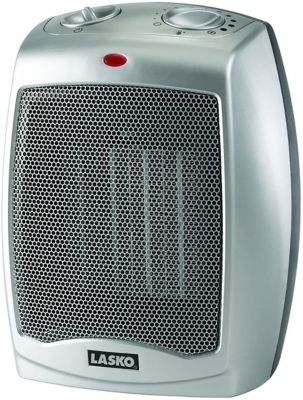
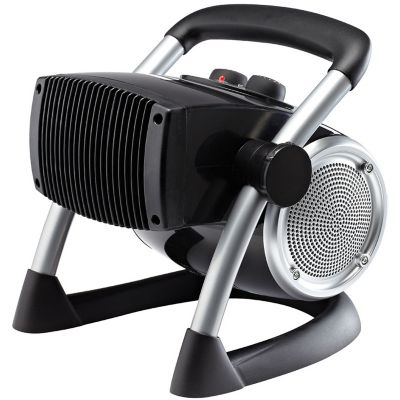
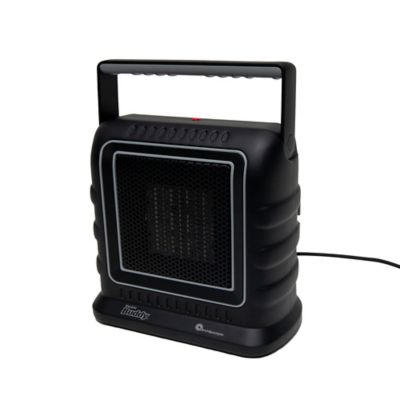
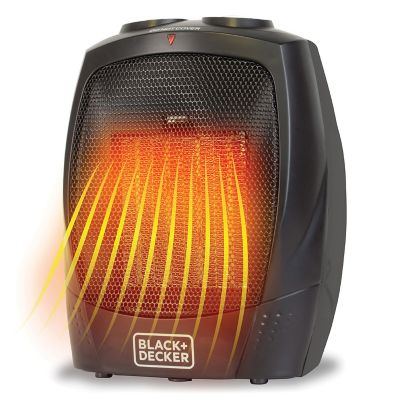
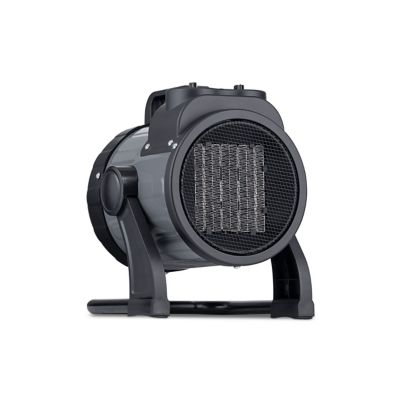
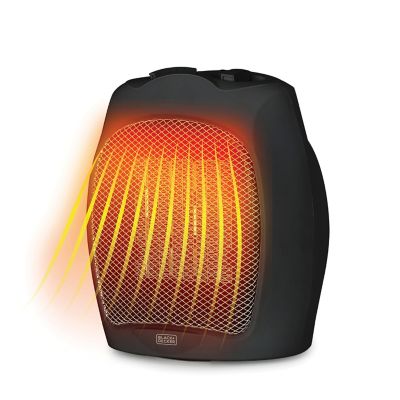
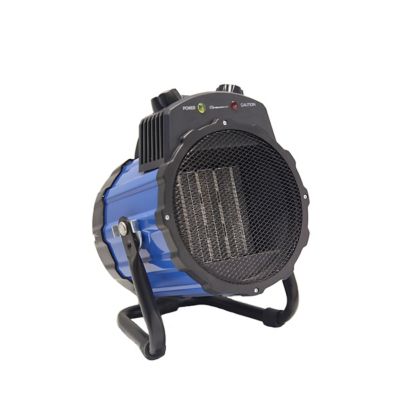
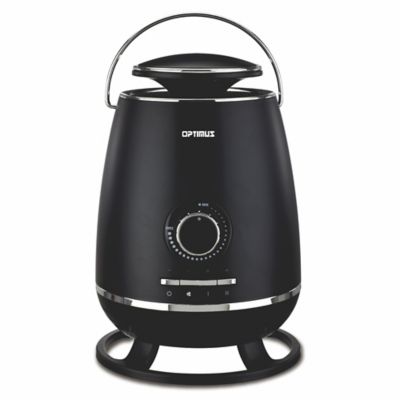
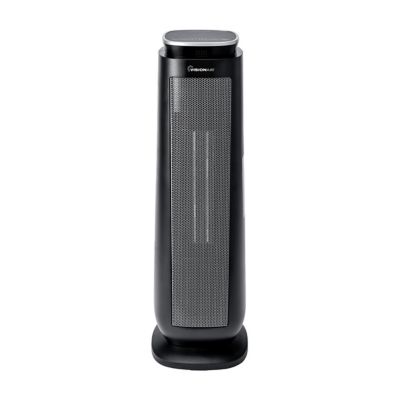
Ceramic element heaters provide electric heat for a particular room or occupied area, making them a practical choice when the chair beside the window or the desk in a back room needs a little extra warmth. A ceramic element heater passes electricity through a ceramic heating element, and many designs have a fan that moves air across the element and sends warmed air into the room. The ceramic in these heaters is typically a positive temperature coefficient material, often called PTC ceramic. As its temperature rises, its electrical resistance increases, which helps limit current through the element. That self-regulating behavior is a feature of the heating material, not a substitute for a thermostat, overheat protection or proper placement. Depending on the design, metal fins or aluminum components help transfer heat from the element to the passing air. The result is responsive, directed warmth without burning fuel at the point of use. Fan-forced ceramic heaters suit everyday situations such as reading in a sitting room, handling paperwork at the kitchen table or spending time in an enclosed home office. They provide supplemental heat rather than a replacement for a whole-house heating system. Many portable household designs have a maximum setting around 1,500 watts, although electrical requirements and heat output vary. Room size matters, but so do ceiling height, insulation, drafts and open doorways. A small room with a closed door generally holds warmth better than an open living area connected to a hallway and stairwell. For that reason, a square-foot coverage claim is only part of the picture. The best fit starts with the space being heated and the conditions inside it, not simply the height of the cabinet. Ceramic element heaters are especially useful for targeted comfort during cold weather, when someone needs warmth where they are sitting instead of trying to bring every room to the same temperature.
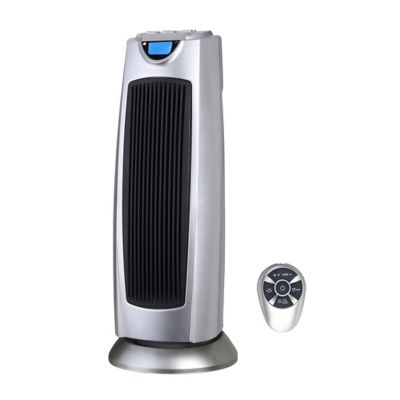
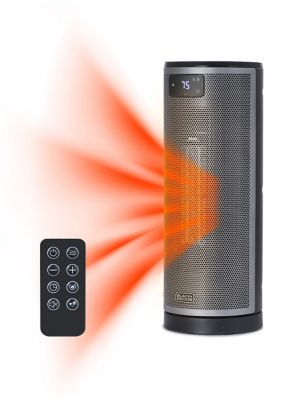
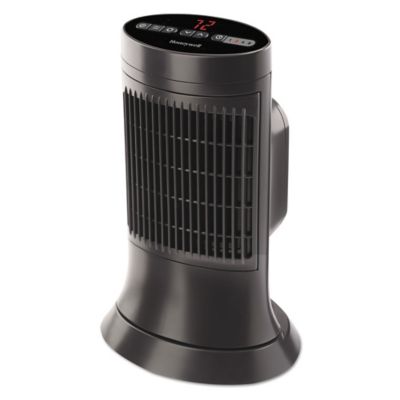
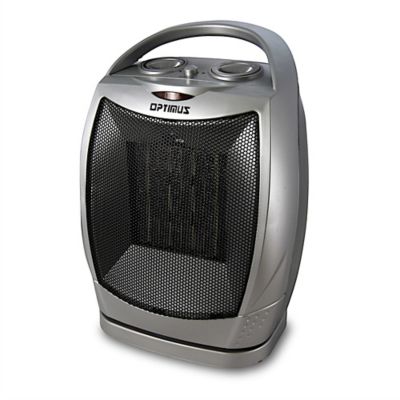
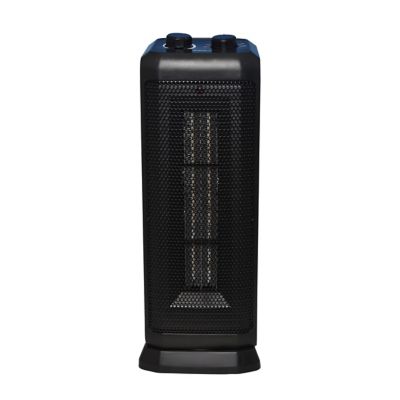
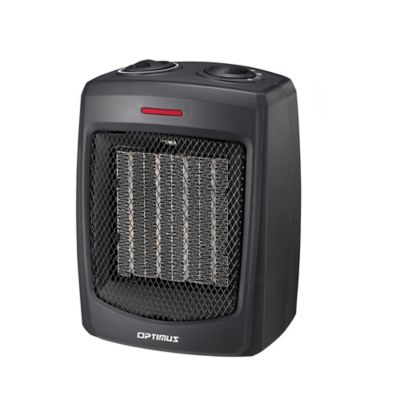
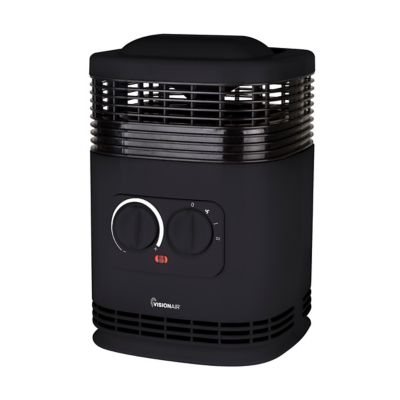
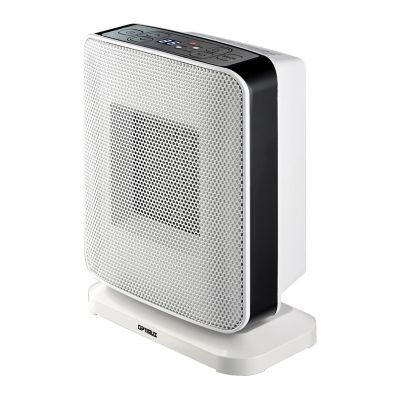
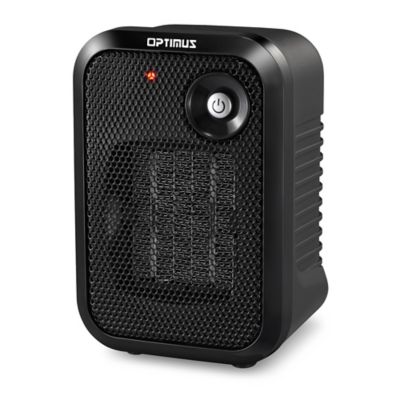
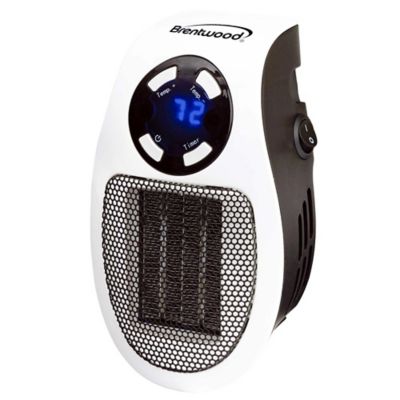
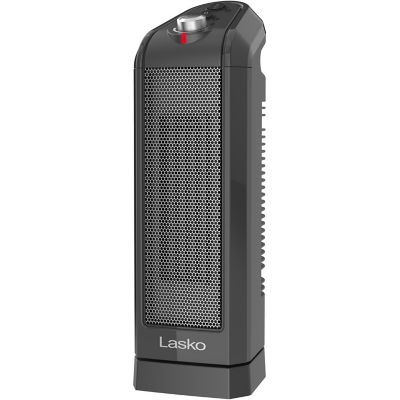
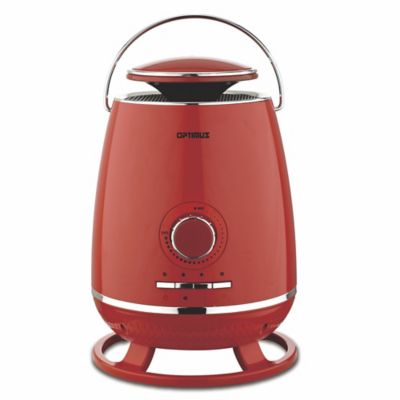
Shape, controls and airflow make a noticeable difference in how a portable ceramic heater fits into daily life. Compact housings take up less space, while taller tower designs direct airflow from a higher outlet and may offer oscillation to sweep warm air across a wider area. Oscillation spreads the airflow; it does not increase the heater’s maximum heat output. A broad base helps with stability, and a carrying handle makes moving a fully cooled heater between suitable locations more manageable. Housing materials can include heat-resistant plastics and metal, with protective grilles around the air openings. A cool-touch housing claim should never be taken to mean every surface stays cool, particularly near the outlet grille. Adjustable heat settings allow a choice between different output levels, while a thermostat cycles or regulates operation to help maintain a selected temperature. Digital displays, remote controls and timers can simplify adjustments, but their functions differ by design. For a quiet reading spot or a room where phone calls are part of the workday, fan sound may matter as much as the control layout. Clear markings and easy-to-reach buttons can be helpful when choosing a heater for an older family member, provided the recipient has a suitable location and can follow its safety directions. For a homeowner with an enclosed hobby room or someone doing bookkeeping after chores, steady airflow and straightforward controls may be more useful than extra settings. Related designs appear under
Ceramic Tile Heaters; check each heater’s power source, heating method and intended setting rather than assuming similar names mean identical operation. Energy use deserves the same attention. At an equal electrical draw, electric resistance heaters produce roughly the same amount of heat, so a ceramic element alone does not promise lower electricity consumption. Thermostat settings, operating time and the amount of space being heated determine much of the actual energy use. Targeted heating may help manage household consumption when it allows the main heating system to run less, but savings depend on the home and its heating setup.
Safe placement and regular care are just as important as the heating element inside the housing. A portable ceramic heater belongs on a firm, level surface in the position specified by its manufacturer, with open space around the intake and outlet. Keep it at least three feet from curtains, bedding, furniture, paper and other combustible materials, and follow any greater clearance stated in its instructions. A spot beside a desk may look convenient, but loose papers, a hanging coat or a blanket draped over the chair can make that location unsuitable. Keep cords out of walkways and never run them beneath rugs, where damage and heat buildup can go unnoticed. Plug a portable electric space heater directly into a properly rated wall outlet, not an extension cord or power strip. A 1,500-watt heater operating at 120 volts draws about 12.5 amps, a substantial load that leaves limited capacity on a shared household circuit. A loose plug, discolored outlet, burning smell or unusually hot cord calls for stopping operation and having the problem checked. Safety features worth considering include tip-over shutoff, overheat protection and certification from a recognized testing laboratory. None of those features makes a heater safe to leave running unattended or while sleeping. Children and pets need room to pass without brushing against the outlet grille or knocking the unit over. Ordinary indoor space heaters do not belong near hay, bedding, airborne sawdust, fuel containers or other combustible farm and shop materials. Bathrooms, damp outbuildings and exposed porches also require equipment specifically rated for those conditions. To keep airflow clear, switch the heater off, unplug it and let it cool before cleaning the exterior and accessible grilles according to the care instructions. Avoid spraying cleaners into openings or immersing any part in water. Check the cord, plug and housing periodically, and stop operation if anything is cracked, frayed or loose. When the heater is put away, a dry storage spot and a loosely arranged cord help protect it for its next stretch of service.