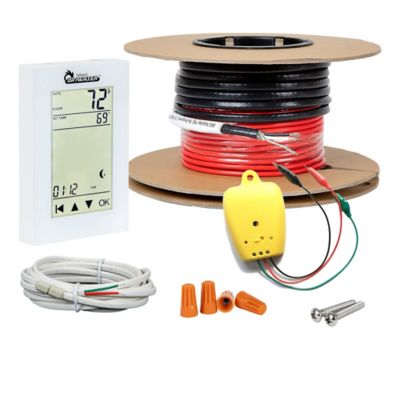
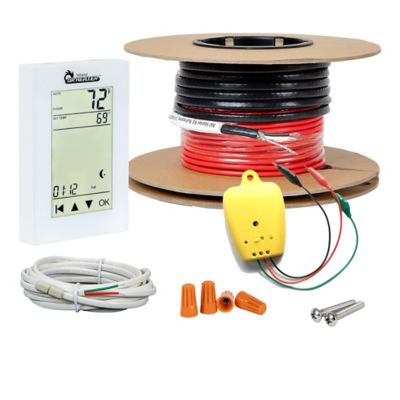
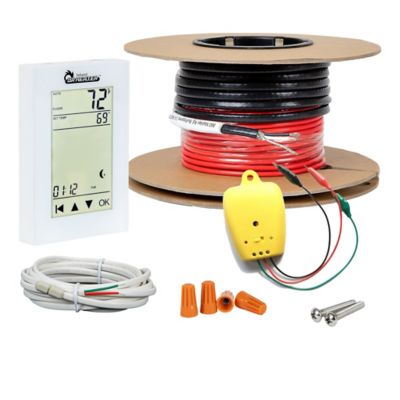
Ceramic tile heaters are generally electric radiant-heating systems installed beneath ceramic or porcelain tile, giving the floor a steady, gentle source of warmth from the ground up. Unlike a portable heater that warms the air around one spot, an under-tile system spreads heat across the floor surface, helping take the chill out of bathrooms, mudrooms, kitchens, laundry rooms, entryways, and other hard-surface areas. Ceramic and porcelain tile are especially well suited for this job because they transfer heat efficiently and hold that warmth for a while after the system cycles off. During the cooler months, that can make a tiled floor feel much more comfortable first thing in the morning, after coming in from the barn, or when wet boots and jackets are being brought through the back door. The heating elements stay hidden below the finished floor, so the room keeps its clean appearance without cords, fans, vents, or noisy moving parts. Depending on the layout and the installation plan, shoppers may see pre-spaced electric heating mats, flexible loose cables for oddly shaped rooms, or systems designed to work with an uncoupling membrane. Mats can be convenient for open, straightforward areas, while loose cable systems can be useful around cabinets, built-ins, drains, and other places where a standard mat may not fit neatly. An uncoupling membrane can provide a planned pattern for the cable and help manage movement between the subfloor and tile assembly. The right choice depends on the room size, floor shape, tile type, subfloor condition, and the amount of remodeling work involved. Measure the heated area carefully rather than simply using the room’s total square footage, since permanent cabinets, tubs, toilets, islands, and other fixtures generally do not need heating beneath them. Keeping a simple sketch of the room, including doors and fixtures, can make it easier to compare coverage and avoid ordering more material than the project calls for.
Before purchasing ceramic tile heaters, pay close attention to voltage, wattage, coverage area, cable spacing, and installation depth. These details affect how the system performs and whether it matches the electrical service and floor assembly already in place. A compatible floor-sensing thermostat is an important part of the setup because it regulates the temperature at the floor instead of relying only on the air temperature in the room. Many systems are paired with programmable controls and built-in ground-fault protection, which can help manage operating times and provide an added layer of electrical safety when installed correctly. The heating cable or mat is commonly set beneath the tile in thin-set mortar or a suitable self-leveling material, creating a smooth base for the finished surface. The cable should never be cut, crossed, overlapped, or placed where it is not intended to go, and the system must be tested at the proper stages of installation. Electrical connections and thermostat work should be handled by a qualified electrician, while tile preparation and setting may call for an experienced tile installer. Following the heating-system instructions, mortar requirements, tile manufacturer recommendations, and local electrical codes matters more than trying to rush the job. Allowing mortar and grout to cure fully before turning up the heat helps protect the bond and reduces the chance of stress in the floor. A comfortable operating range is often around 80 to 85 degrees Fahrenheit at the floor, although the correct setting depends on the system, tile assembly, room use, and manufacturer guidance. Gradual temperature changes are usually kinder to the installation than immediately running a new floor at its highest setting. In a bathroom or mudroom, warmer tile may also help surface moisture dry more readily, which can make the space feel fresher and easier to maintain; it is not a replacement for proper ventilation, waterproofing, or regular cleaning. Check that the subfloor is sound, dry, level, and able to support the added layers before beginning, since cracks, movement, or moisture problems below the tile can affect the finished floor regardless of the heating system.
Ceramic tile heaters can be a practical comfort upgrade for homeowners, farm families, contractors, and anyone planning a remodel where tile is already part of the room. They are particularly handy in a farmhouse bathroom, a chilly enclosed porch, a hard-working laundry room, or an entryway where cold tile meets muddy boots and paws. Families with young children may appreciate a warmer floor during bath time, while older adults may enjoy taking the bite out of a cold bathroom or kitchen surface. They can also make a thoughtful housewarming gift when given as part of a larger renovation plan, especially for someone building a new mudroom or updating a bathroom, though the system should be selected around the project’s measurements and installed by the appropriate professionals rather than chosen as a one-size-fits-all present. As the weather warms, the same floor can simply remain off, tucked out of sight until cooler days return. For shoppers comparing related heating options,
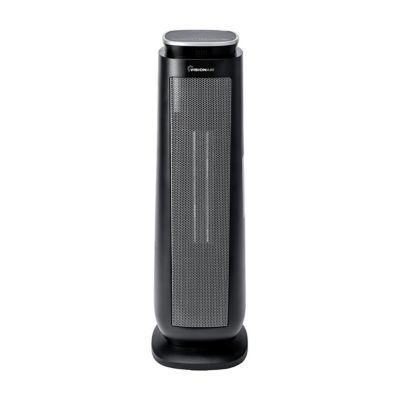
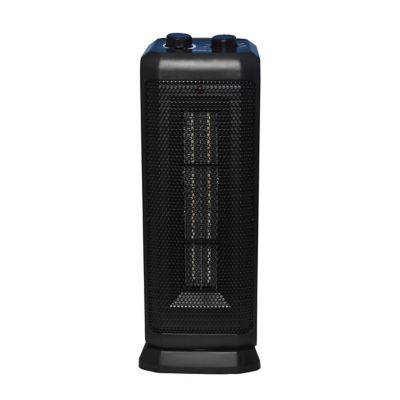
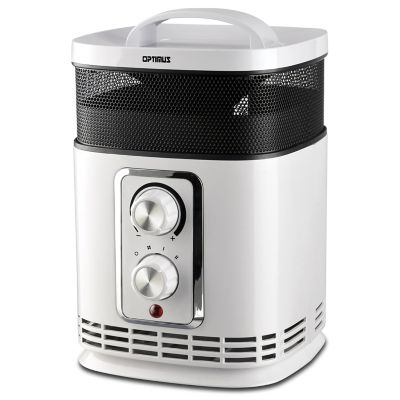
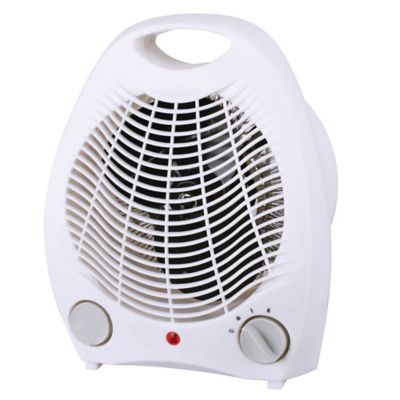
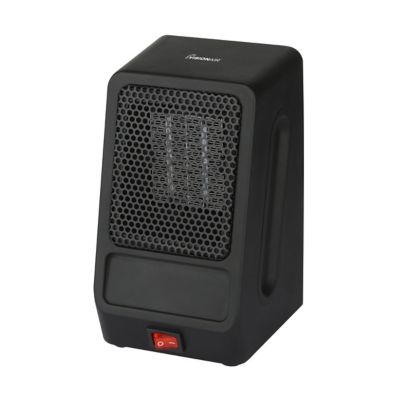
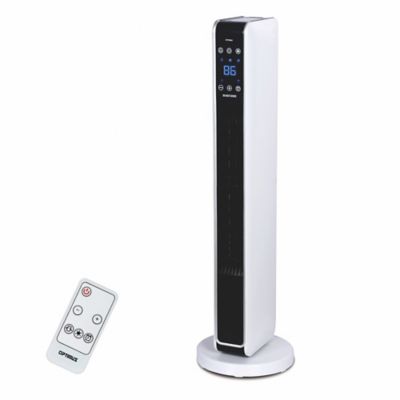
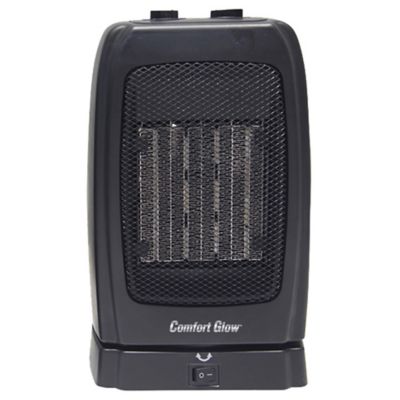
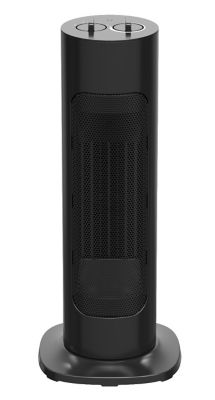
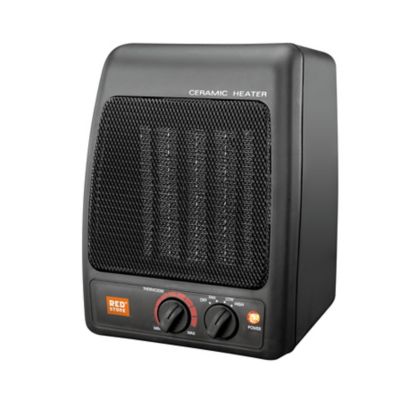
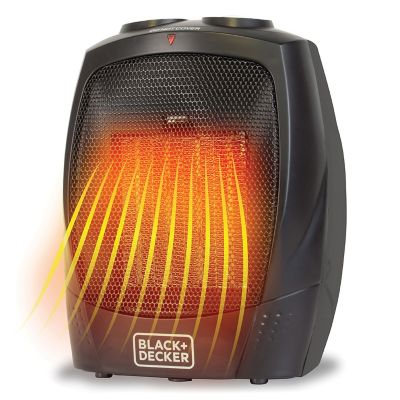
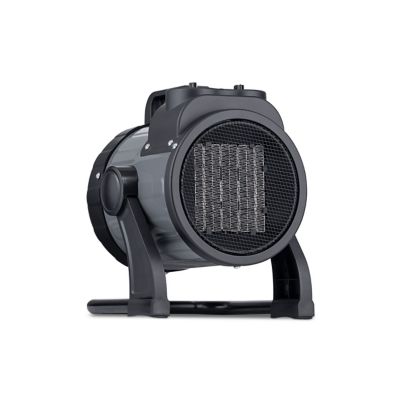
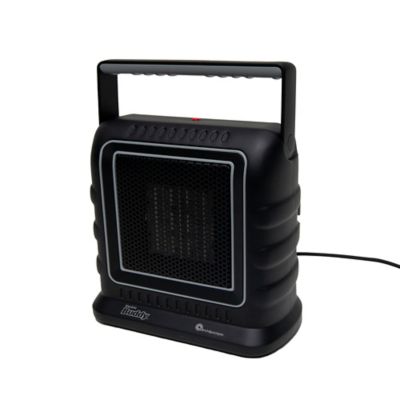
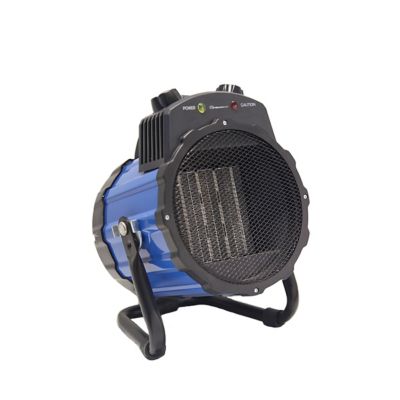
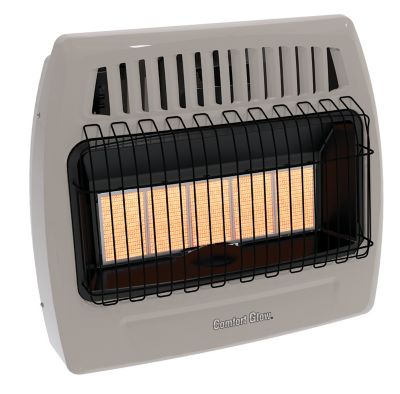
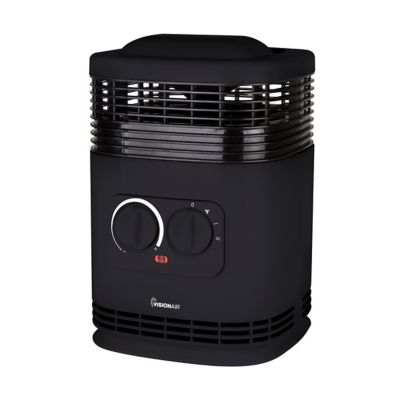
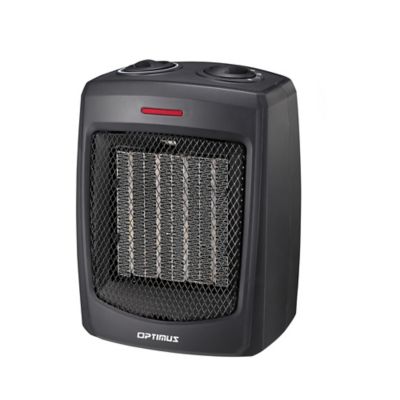
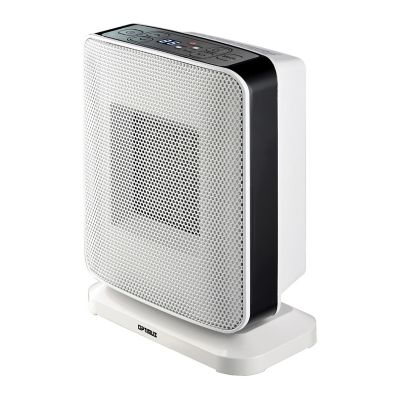
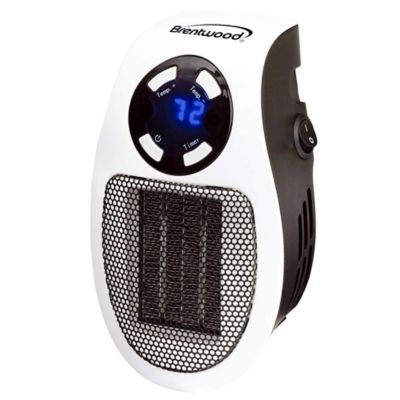
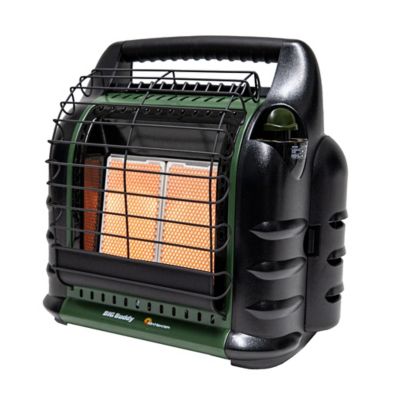
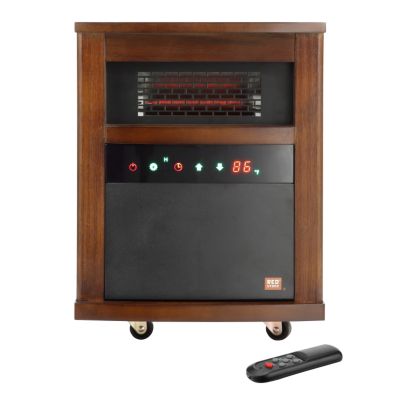
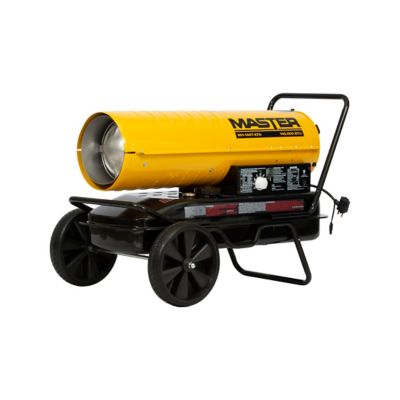
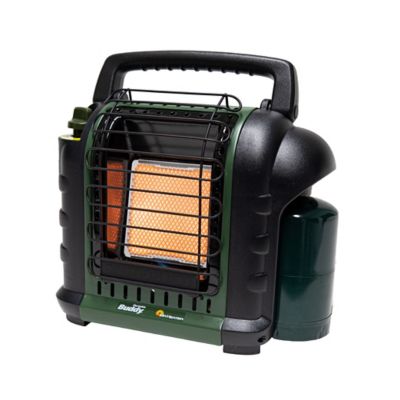
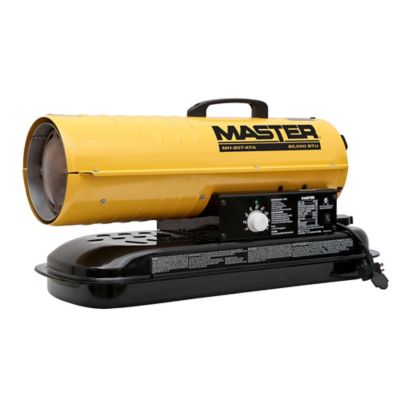
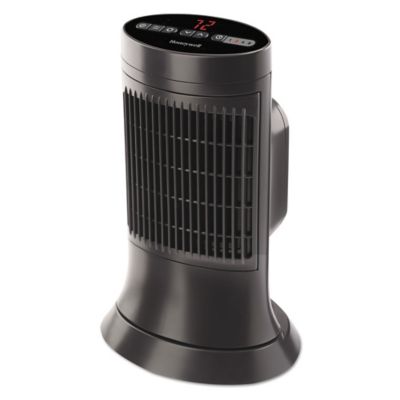
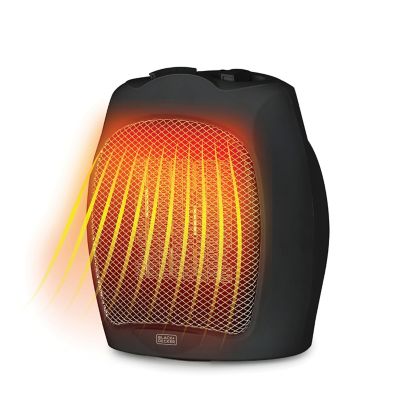
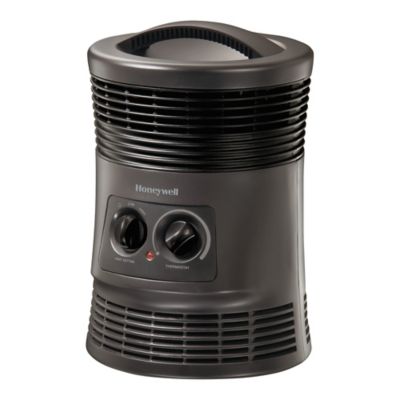
Ceramic Element Heaters may be useful when a room needs direct electric heat from an appliance rather than warmth beneath a tiled floor. Ceramic Tile Heaters are best suited to planned, permanent installations where the floor itself becomes the heat source, while portable or surface-mounted heaters may be better for temporary use, workshops, outbuildings, or spaces that are not being remodeled. Think about how the room is used throughout the day, whether heat needs to be scheduled for early mornings, how much floor will actually be uncovered, and whether the existing electrical panel can support the added load. Good planning makes the finished result feel almost effortless: tile that looks just like tile, a quiet thermostat keeping temperatures steady, and a warm surface waiting underfoot when the rest of the room feels crisp.