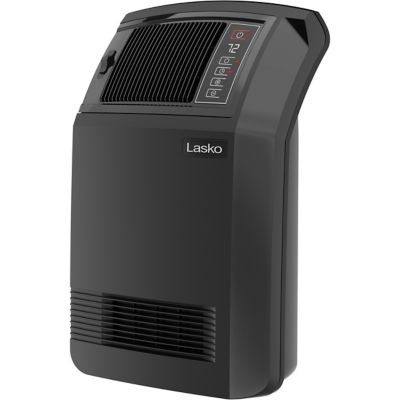
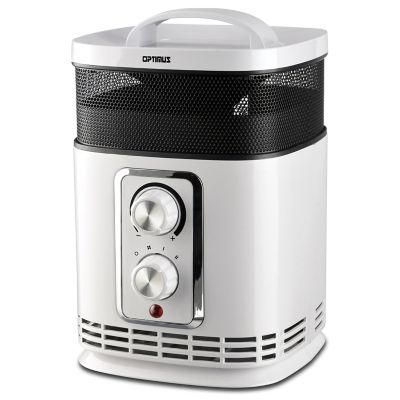
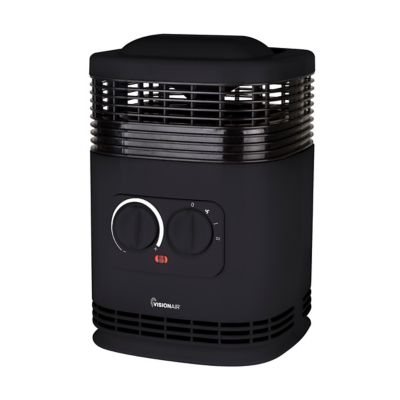
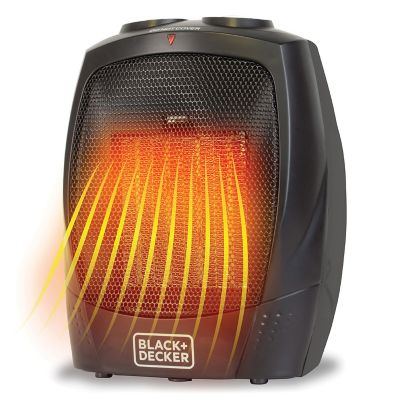
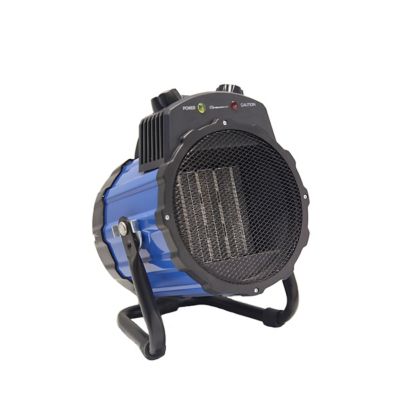
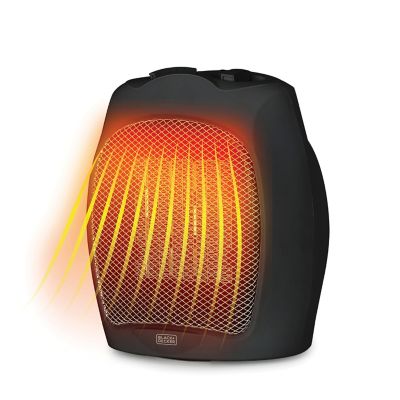
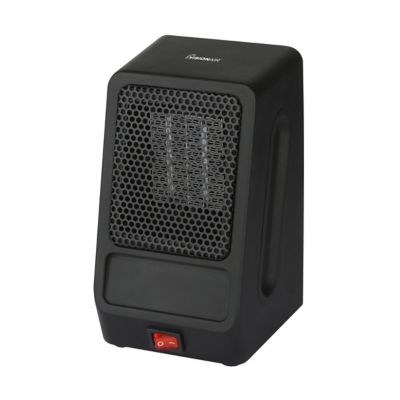
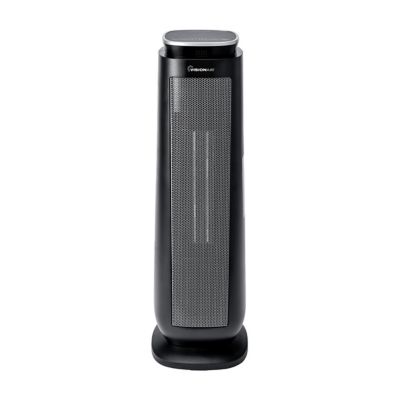
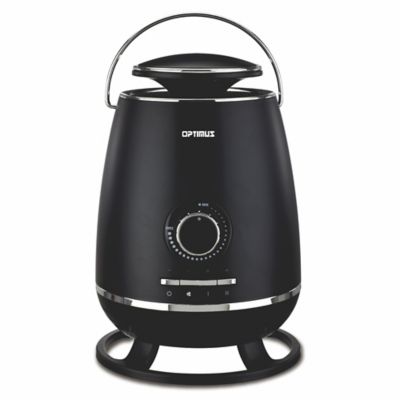
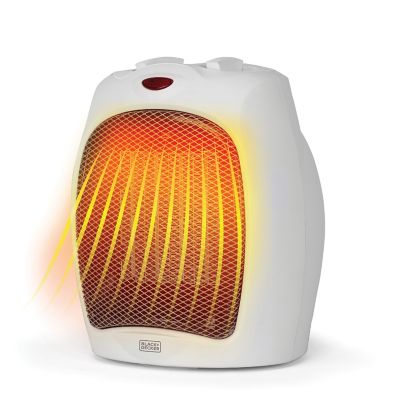
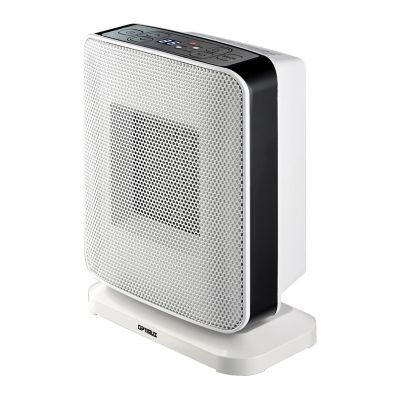
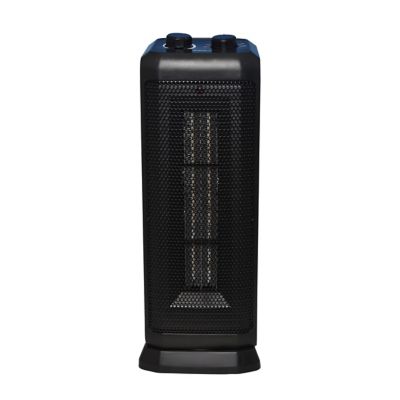
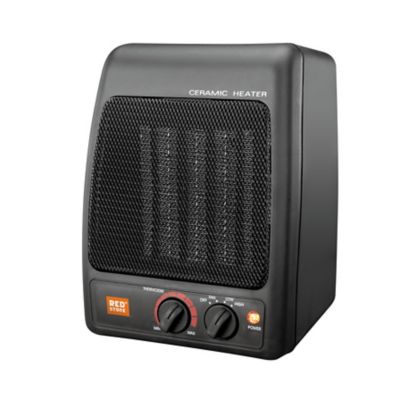
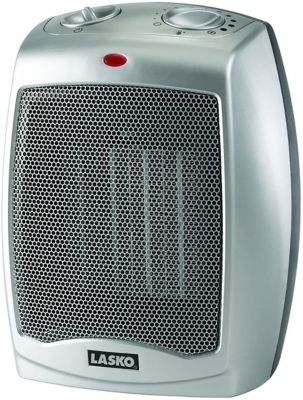
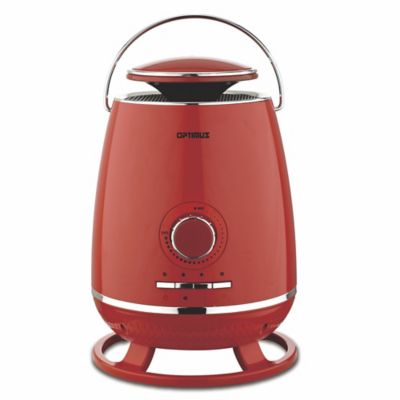
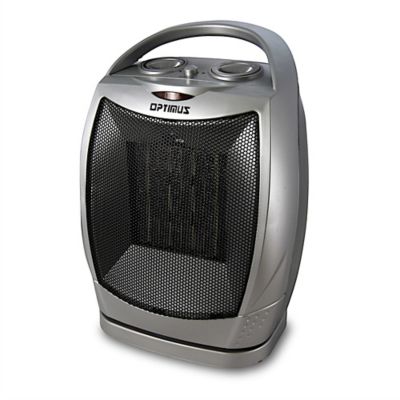
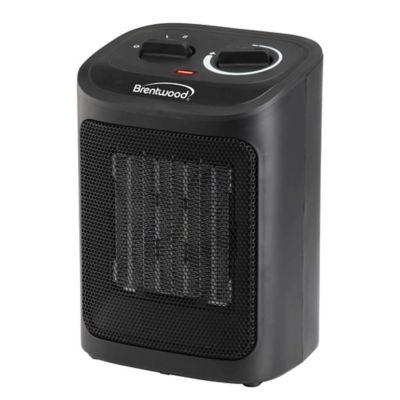
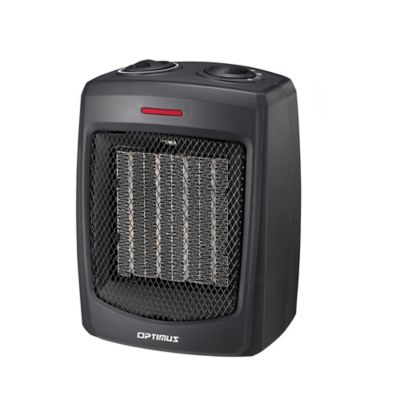
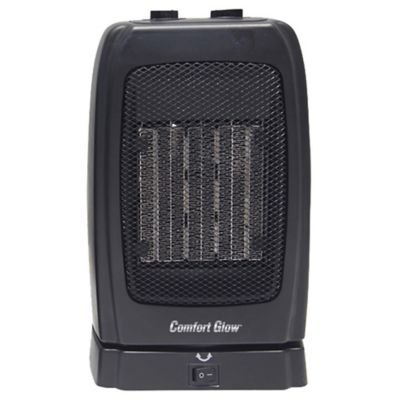
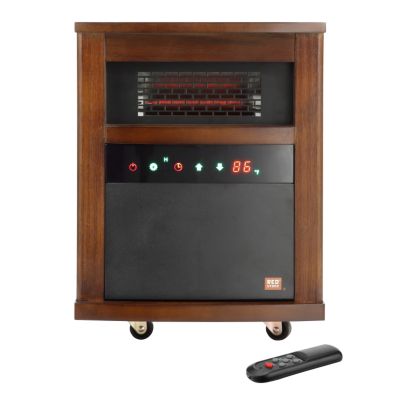
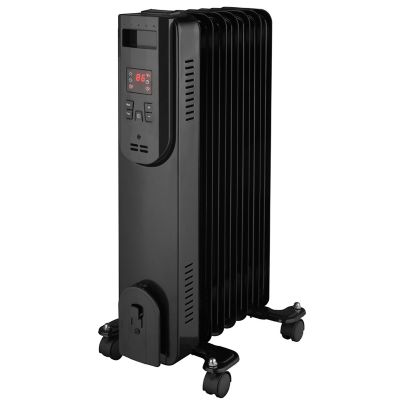
Ceramic heaters are electric space heaters that generate warmth with a ceramic heating element, often paired with aluminum fins and a fan that moves heated air into a room. Many feature positive temperature coefficient, or PTC, ceramic elements, which increase electrical resistance as they get hotter. That characteristic helps regulate the element’s temperature, but it does not replace a thermostat, overheat protection, or safe placement. These heaters generally provide supplemental heat for an occupied space rather than serving as a whole-house heating system. A reading corner, home office, or sitting area can benefit from warmth close to where people spend time, especially when central heat leaves one spot feeling chilly. After outdoor chores, a comfortable chair near a properly positioned heater can make a welcome place to settle in without turning up the thermostat throughout the house. The right fit depends on room dimensions, ceiling height, insulation, drafts, and the heater’s rated output. Many household models have a maximum setting of 1,500 watts, equal to about 5,100 BTUs per hour, though ratings vary. Two electric resistance heaters drawing the same wattage produce roughly the same amount of heat; differences in airflow, controls, and placement affect how that warmth feels. A fan helps circulate heated air, while an oscillating design sweeps airflow across a wider area without increasing total heat output. Compact shapes can fit smaller rooms, but the heater still needs all the open space its instructions require. Tabletop placement is appropriate only when the manufacturer permits it, on a firm, level surface away from edges and combustible materials. Floor-standing designs need a steady spot outside walking paths, where a boot, chair leg, or passing pet will not knock them over. Look beyond the heater’s footprint and consider where its cord will run, which outlet it will reach, and whether furniture will block the airflow. A heater that fits the room should also fit the way that room gets lived in.
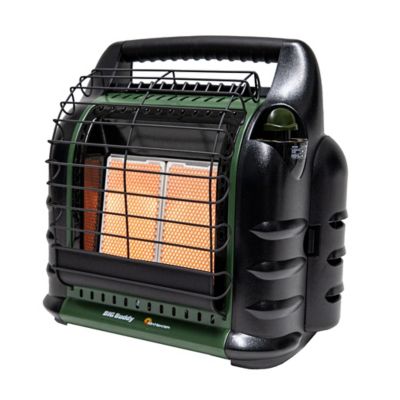
Controls and construction make a difference in everyday comfort. A thermostat cycles the heater to help maintain a selected temperature, while separate heat settings let you choose among the output levels the heater provides. Some controls have a simple dial; others offer a digital display, timer, or remote. Easy-to-read markings and straightforward buttons can be especially handy beside a desk or across a sitting room. A timer can limit a heating session, but it is not a reason to leave a portable heater running without supervision. Fan sound matters, too, particularly for phone calls, television, or quiet reading. Check the listed operating details rather than assuming that every ceramic heater runs silently. The outer housing may combine metal, molded plastic, and protective grilles, with ceramic components inside. A sturdy base, secure handle, and well-fitted housing are practical details to consider, although carrying handles do not mean a heater should be moved while operating or before it has cooled. Surface temperatures vary, and a cool-touch claim should never take the place of keeping children and animals clear. Tip-over switches and overheat shutoffs add protection, but neither feature makes unsafe placement acceptable. For electrical fit, check the voltage, wattage, plug requirements, and circuit instructions before choosing a spot. A 1,500-watt heater on a 120-volt circuit draws about 12.5 amps, so other appliances on that circuit can matter. Plug a portable electric heater directly into a suitable wall outlet, not an extension cord or power strip, and stop operation if the plug or outlet becomes hot. A loose outlet connection needs attention from a qualified electrician rather than a workaround. Ceramic elements also appear in other heating designs, so when comparing
Ceramic Tile Heaters, check the fuel source, heating method, and approved location. The word ceramic describes part of the heater’s construction; it does not establish that every heater shares the same power requirements or operating instructions.
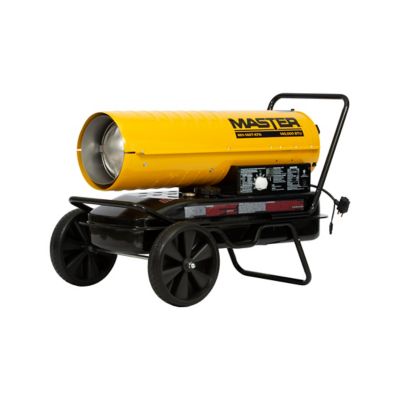
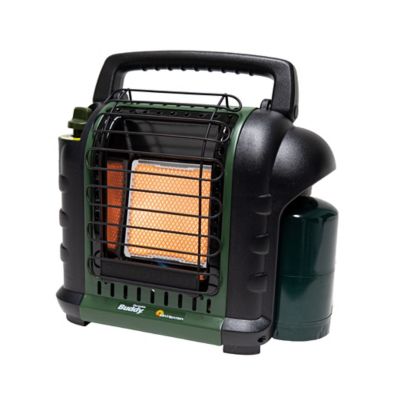
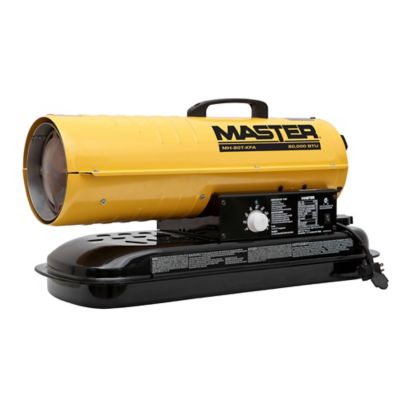
Intended use deserves just as much attention as heat output. A household ceramic heater belongs only in locations permitted by its labeling and manual. An enclosed porch, garage, bathroom, barn, or workshop may introduce moisture, dust, temperature limits, or other conditions that an ordinary indoor heater cannot handle. Sawdust, hay, bedding, fuel containers, paint, and solvents are particular concerns around heating equipment. Do not assume that a portable room heater is suitable for a feed room or animal enclosure simply because an outlet is nearby. For ordinary indoor placement, keep at least three feet between the heater and combustible materials such as curtains, blankets, furniture, papers, and clothing, or more if its instructions require it. Leave air inlets and outlets open, keep the cord out from under rugs, and never drape damp gloves or work clothes over the grille. A ceramic space heater is not a clothes dryer. Turn it off before leaving the room or going to sleep, and keep it away from water unless its instructions expressly allow the intended setting. Unlike fuel-burning heaters, electric ceramic heaters do not burn fuel in the room or produce combustion exhaust, but they still present electrical, burn, and fire hazards when operated incorrectly. Routine care starts with switching the heater off, unplugging it, and letting it cool completely. Follow the manual for removing dust from exterior grilles, often with a soft brush or vacuum attachment, and avoid spraying cleaner into openings. Clean airflow paths help the heater operate as intended; blocked vents can cause overheating and shutdowns. Inspect the cord, plug, housing, and base for damage, and stop operation if there are cracks, scorch marks, unusual smells, or repeated shutoffs. Do not tape over cord damage or bypass a safety switch. When the heater is not needed, store it clean and dry with its cord loosely arranged according to the instructions. Thoughtful sizing, sensible placement, and regular care help make ceramic heaters a practical source of extra warmth for the rooms where people gather, work, and unwind.