Cat hairball prevention products can help make grooming season easier for cats and the folks who care for them. Cats naturally swallow loose fur when they lick their coats, and that fur may collect in the stomach before being passed through the digestive tract or brought back up as a hairball. Long-haired cats, thick-coated cats and pets that groom often may need extra help, though short-haired cats can benefit from a simple hairball routine, too. Regular brushing is one of the most useful places to start because it removes loose hair before your cat has a chance to swallow it. A soft brush, grooming comb or deshedding tool can be matched to your cat’s coat and comfort level. Long-haired cats may do best with gentle daily brushing, while many short-haired cats need attention only a few times a week. Keep sessions calm and brief, especially if your cat is wary of grooming. A few strokes followed by praise, a favorite treat or a little play can turn a once-dreaded chore into a familiar part of the day. After brushing, a damp, fragrance-free cloth can pick up stray hairs left along the back, sides and tail. During the cooler months, cats often spend more time indoors, and indoor heat can leave skin and coats feeling dry. Keeping grooming tools close to a favorite sleeping spot makes it easier to catch loose fur before it gathers on blankets, furniture and the floor. A grooming kit, hairball-support item or cat care bundle can also make a thoughtful gift for a new pet parent, a family welcoming a rescue cat or anyone sharing the house with a fluffy barn companion that has moved indoors.
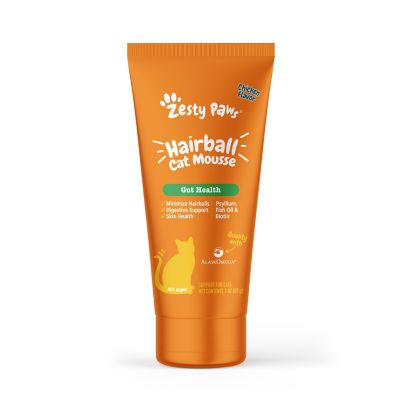
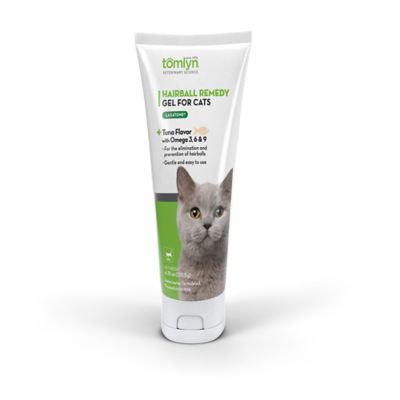
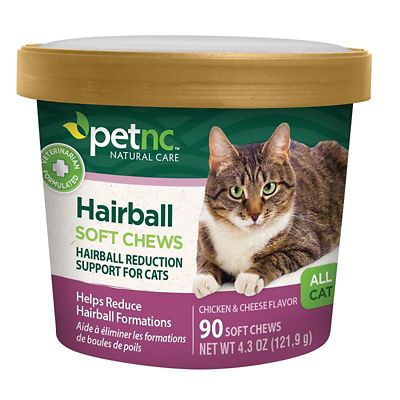
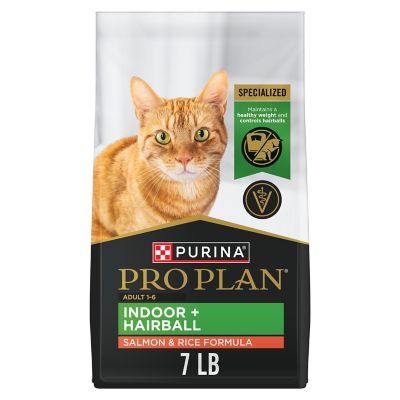
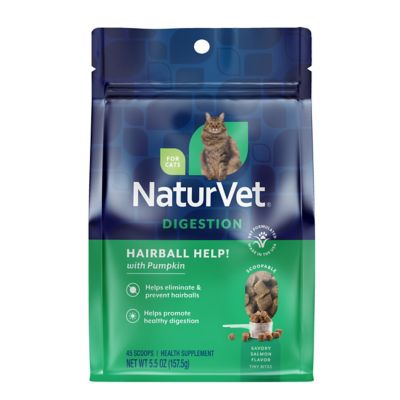
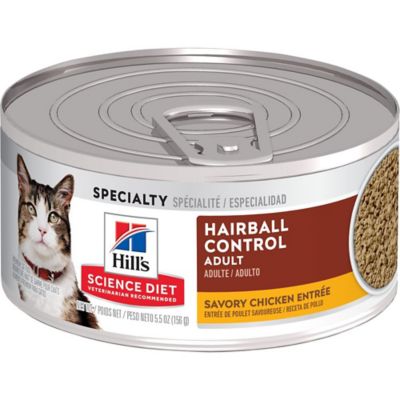
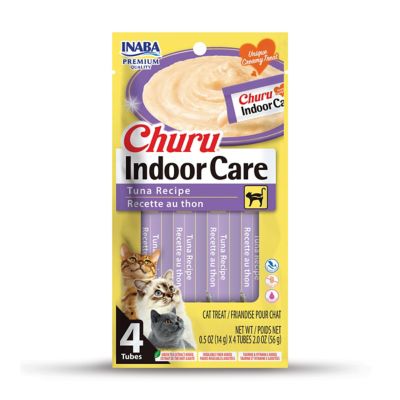
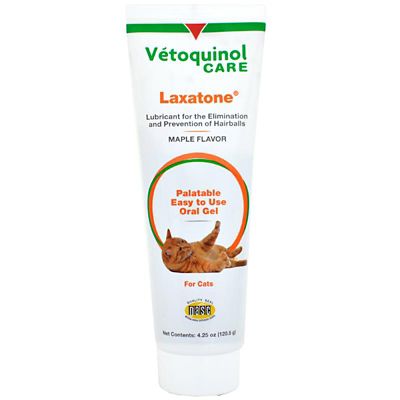
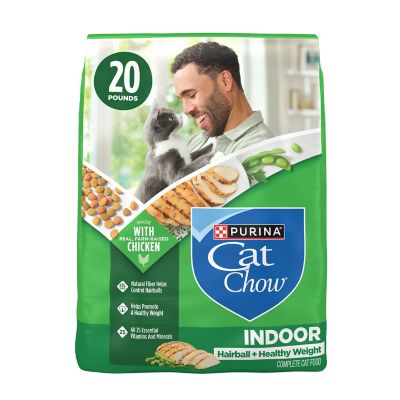
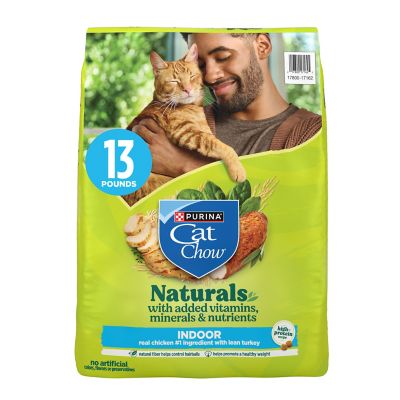
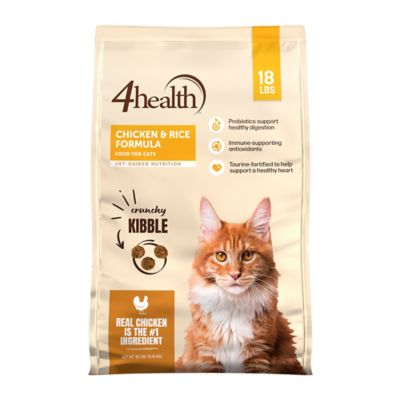
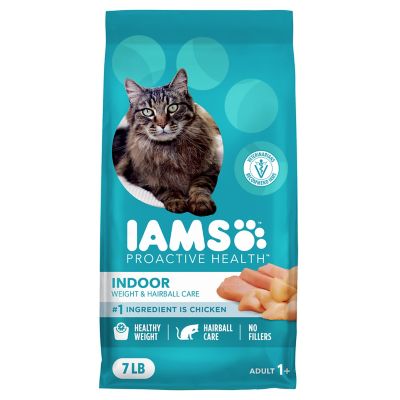
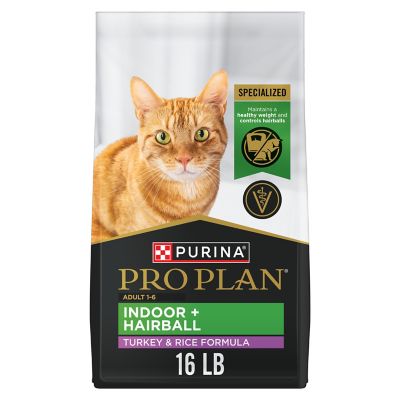
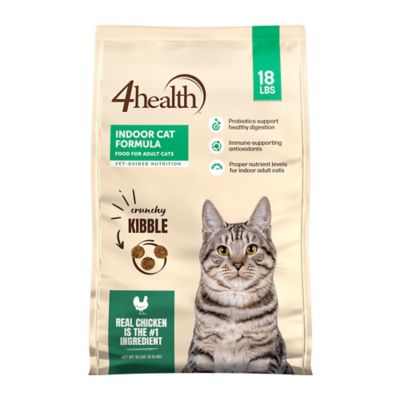
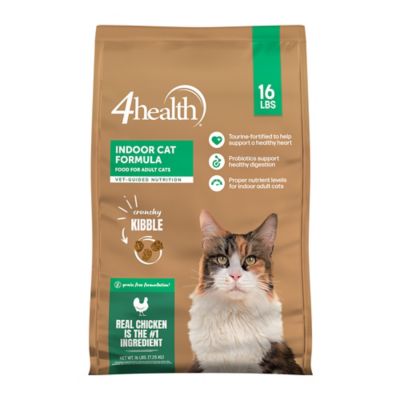
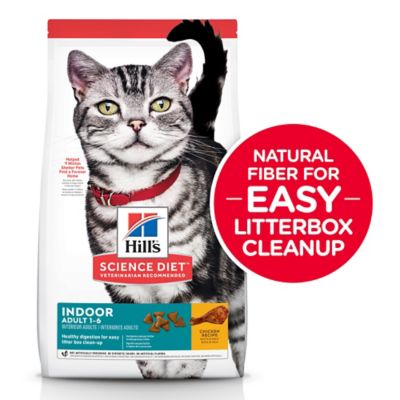
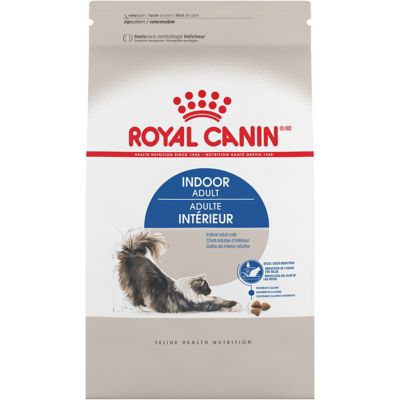
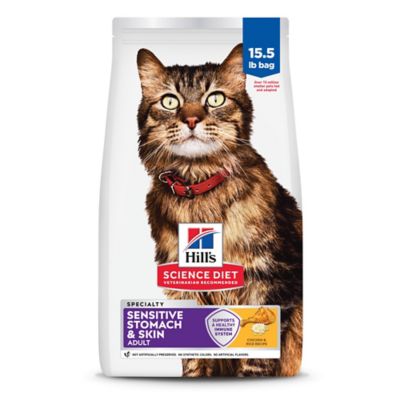
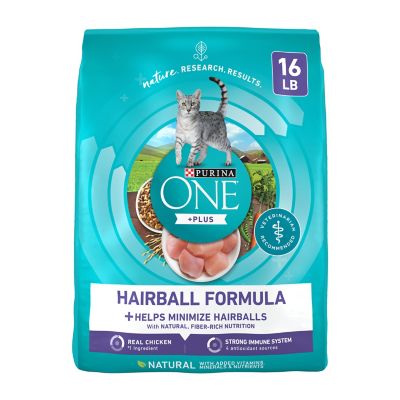
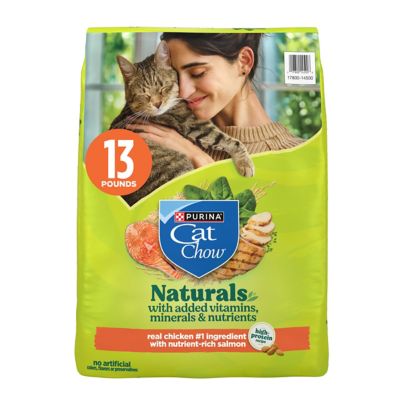
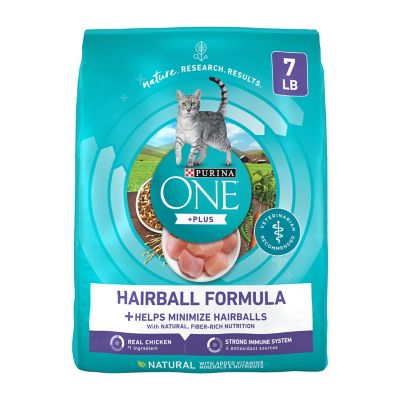
Diet and hydration are also important parts of a sensible cat hairball prevention routine. Some cat foods are made with added fiber to help move swallowed fur through the digestive tract, while hairball-control formulas may be useful for cats that regularly struggle with hairballs. When comparing food or treats, check the feeding directions, fiber information and age guidance, and make changes gradually so your cat’s stomach has time to adjust. A cat that eats both wet and dry food may benefit from a balanced feeding plan that supports moisture intake, and fresh water should be available every day. Many cats prefer water that is moving, clean and easy to reach, so a pet water fountain may encourage better drinking. Wide, shallow bowls can help cats that dislike having their whiskers touch the sides, and placing water in more than one quiet area can be handy in a busy home or farmstead. Hairball pastes and gels made for cats are another option found in this product category. These formulas are generally used according to the package directions to help swallowed fur pass more smoothly, but they should never be replaced with human laxatives, cooking oils or other household remedies. Follow the recommended amount, watch how your cat responds and check with a veterinarian before using a hairball product for a kitten, senior cat, pregnant cat or pet with an ongoing health condition. Food, grooming and hydration work best together rather than as a single quick fix. A cat that is brushed regularly, eats a suitable diet and drinks enough water may have fewer hairballs and less mess on the rug beside the woodstove or on the clean laundry pile.
Hairballs can sometimes be connected to overgrooming, and boredom, anxiety, skin irritation or fleas may lead a cat to lick more than usual. Give indoor cats safe outlets for their natural habits with scratching posts, climbing areas, window perches, chase toys and short sessions of interactive play. Rotating toys helps keep familiar objects interesting, while a quiet hiding place can give a nervous cat room to settle down. If several cats share a home, provide enough resting areas, litter boxes and feeding spaces to reduce competition and stress. Regularly washing bedding and vacuuming loose fur can also help keep the environment more comfortable, particularly when indoor heating and closed windows leave the house feeling dry during cooler weather. Good grooming and general wellness go hand in hand, so owners building a complete care routine may also want to explore
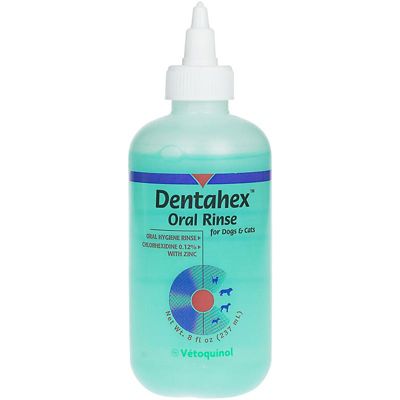
Cat Oral Health Products for everyday attention to the teeth and gums. Occasional hairballs can happen, but repeated vomiting, unproductive retching, loss of appetite, constipation, diarrhea, coughing, unusual tiredness or a swollen, painful belly deserves prompt veterinary attention. A cat may be trying to bring up a hairball when the real problem is something else, including a digestive blockage or illness, and home remedies can delay needed care. Choose cat-specific products, introduce new items slowly and keep notes on grooming, eating, drinking and litter box habits. With a steady routine and the right supplies on hand, cat owners can help reduce swallowed fur while keeping their pets comfortable, active and ready for a warm nap in a sunny window.