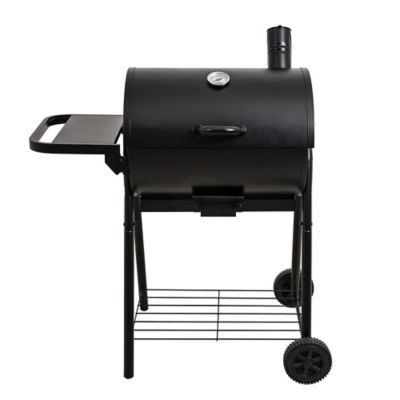
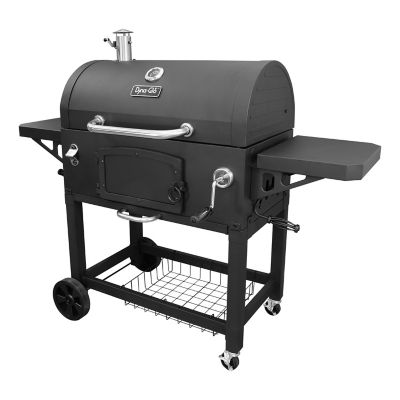
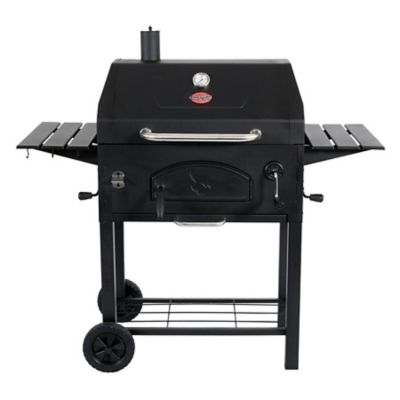
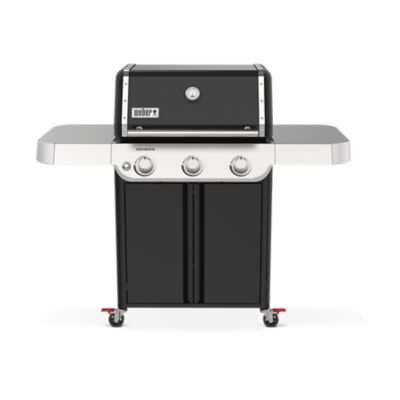
Grills with cast iron grates hold heat well and transfer it directly to food, making them a strong match for seared steaks, browned burgers, and vegetables with pronounced grill marks. Once the cooking surface is fully preheated, its weight helps it stay hot when food hits the grate. That steady contact heat is handy when supper means several pork chops, a row of bratwursts, and thick slices of onion all cooking together. Cast iron takes longer to heat than some lighter grate materials, but it also gives up that heat more slowly. The result is a cooking surface that rewards a little patience before the first batch goes on. Grates alone do not determine how a grill cooks, though. Burner placement, charcoal arrangement, airflow, lid design, and the amount of food on the surface all affect the results. A well-matched grill gives the cook room to sear over direct heat and move thicker cuts away from the strongest heat to finish cooking. Wide grate bars create broad contact marks, while narrower bars leave more open space for heat to reach food from below. Neither pattern replaces checking doneness with a food thermometer, especially with poultry, ground meat, and thick cuts. For everyday meals after chores or a full spread when family comes over, usable cooking space matters more than a large number on a specification sheet. Enough room to turn a burger without bumping the next one makes cooking easier, and a warming rack can hold buns or finished food while the last batch comes off. Cast iron grates suit cooks who enjoy a solid cooking surface and do not mind its weight or regular upkeep. They can handle much more than beef, too, including chicken thighs, firm fish portions, squash, peppers, and bread. Smaller or delicate foods may need a grill basket or another compatible cooking accessory to keep them from slipping between the bars. A broad surface also gives a spatula room to work without crowding the food.
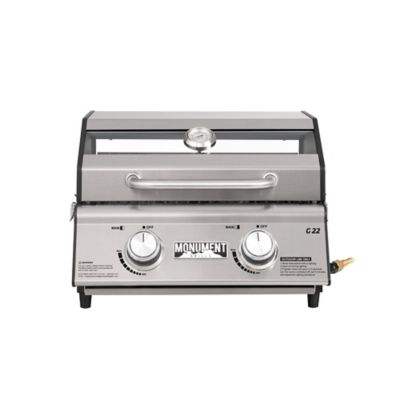
The choice between a complete grill and replacement cast iron grates starts with the equipment already in place and the way meals usually come together. A complete grill needs enough cooking area for the household, controls that are comfortable to reach, and a frame that sits firmly on a level outdoor surface. Gas grills offer adjustable burner controls, while charcoal grills give the cook a hands-on role in arranging fuel and managing airflow. For cooks who enjoy tending the fire,
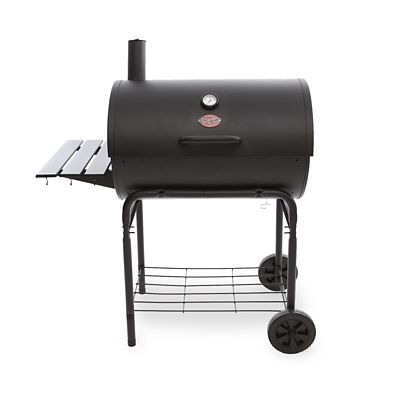
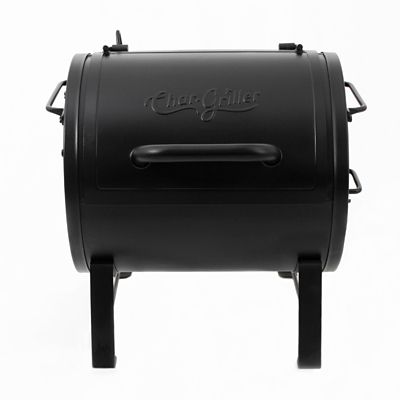
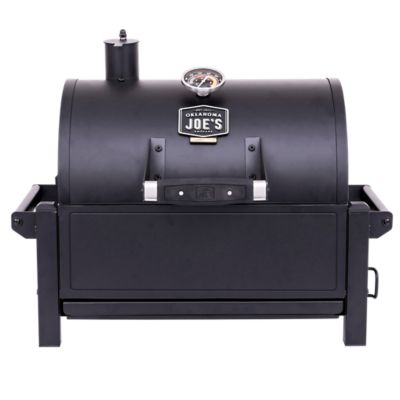
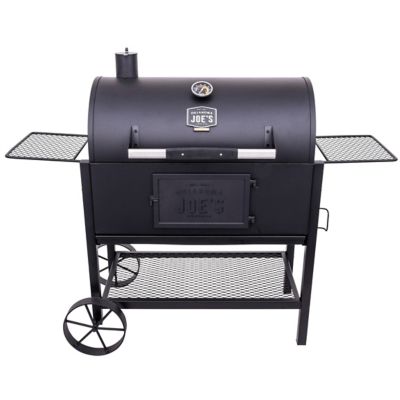
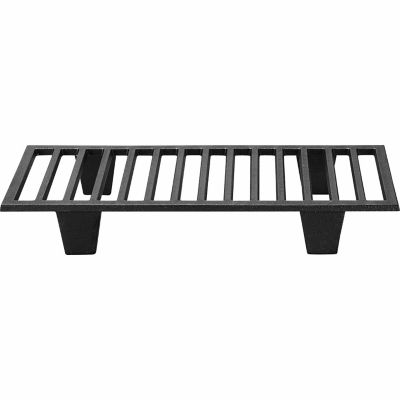
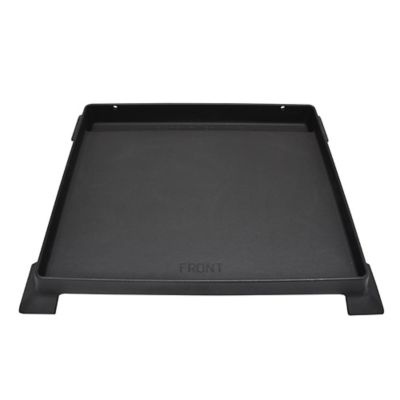
Charcoal Grills With Cast Iron Grates combine a heat-holding cooking surface with the flexibility to build direct and indirect cooking zones. The grate material itself does not create charcoal flavor; the fuel and cooking conditions contribute to that character. Burner count also deserves a closer look on gas models, since separate burners can make it easier to establish different heat zones, but grate dimensions and burner layout still matter. Replacement grates call for a different kind of attention. Overall width and depth, the number of grate sections, support ledges, and any locating tabs need to match the grill’s specifications. A grate that nearly fits can sit unevenly or leave gaps, so matching the grill model and the manufacturer’s listed dimensions is a better starting point than appearance alone. Some grates have a flat side and a more sharply ridged side, but flipping them is appropriate only when the manufacturer identifies both sides as cooking surfaces. Weight matters as well, especially when grate sections must come out for cleaning or access to the firebox. Smaller sections can be easier to lift and carry than one large piece. For a gift, a complete grill may suit someone setting up an outdoor cooking area, while replacement grates require the recipient’s exact grill information. Checking those details beforehand helps keep a thoughtful gift from turning into a fitting problem. Safe clearance from buildings and other combustible materials remains part of choosing where any outdoor grill belongs.
Bare cast iron and porcelain-enameled cast iron share a substantial feel, but their surfaces call for different care. Bare cast iron depends on seasoning, a thin layer of oil bonded to the metal through heating, to help protect against rust and support food release. That finish develops with proper care, and it can need attention after thorough cleaning or contact with moisture. A light oil coating is generally more useful than a heavy one, which can leave a sticky surface. Porcelain enamel covers the iron with a smooth coating that helps shield the metal, although it can chip if a grate is dropped, struck, or cleaned with an unsuitable tool. Seasoning requirements vary by coating, so the manufacturer’s care directions take priority over habits carried over from a cast iron skillet. Cleaning tools should match the surface, too. A scraper or brush approved for bare iron may not be appropriate for enamel, and any brush needs regular inspection for loose or damaged bristles. Routine cleaning is easier when food residue does not build into thick layers, but handling and washing should wait until the grate can be managed safely according to its care instructions. Sudden temperature changes, such as putting a hot grate into cold water, can damage cast iron or its coating. After washing, bare iron needs to be dried thoroughly and protected as directed before storage. Moisture trapped against the metal encourages rust, so a clean, dry cooking surface matters even when the grill has a cover. Cracked grates, badly damaged coatings, or loose surface material deserve attention rather than another round of cooking. Properly maintained cast iron can serve through many family meals, but its service life depends on handling as much as thickness. For the cook turning out burgers for neighbors or working on a better steak crust, the appeal is straightforward: substantial heat retention, a satisfying sear, and a cooking surface worth looking after. Matching that surface to the grill and the cook’s routine keeps those benefits practical, whether dinner is a quick batch of chicken or a full grate of food for company.