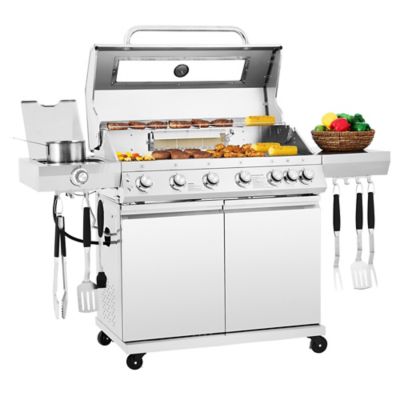
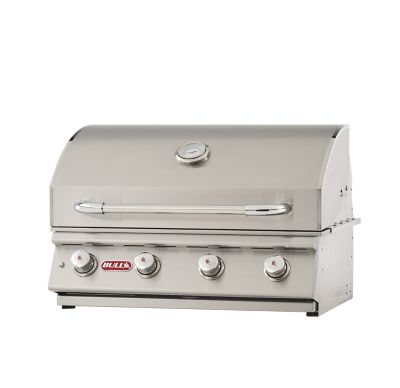
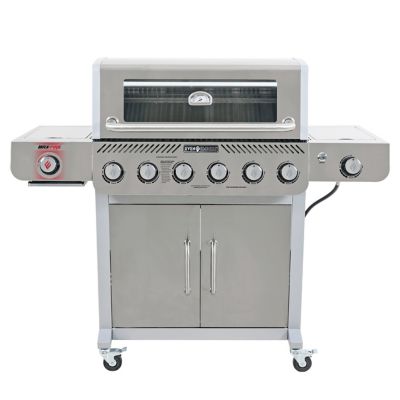
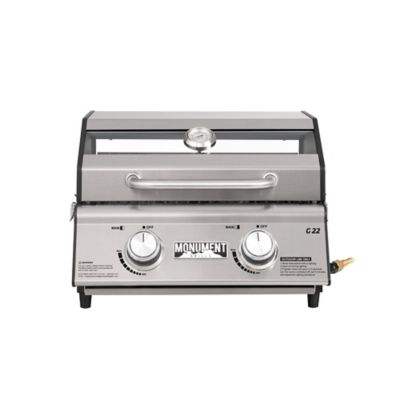
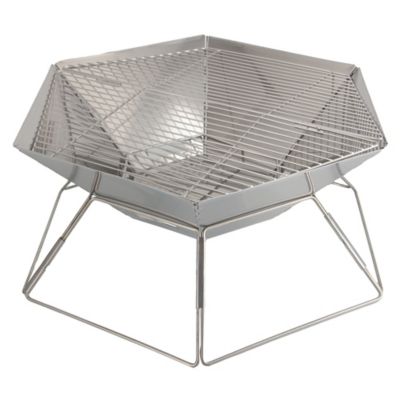
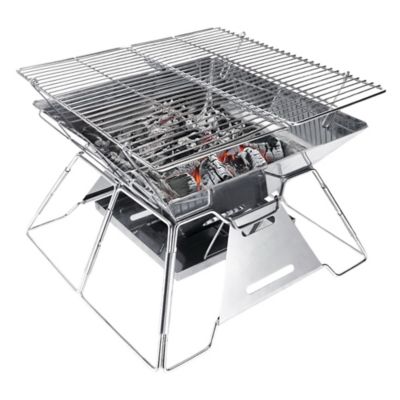
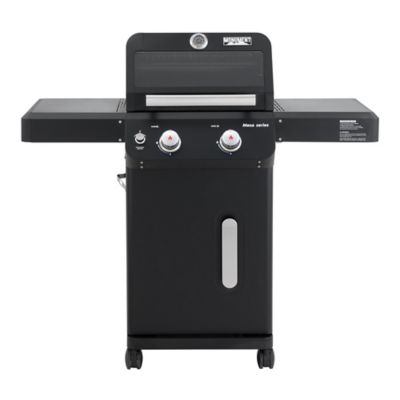
Grills with stainless steel grates put a practical cooking surface at the center of backyard meals, from burgers after chores to a full spread of chicken, corn and peppers for family coming over. Stainless steel resists corrosion, cleans up without the routine seasoning associated with bare cast iron and works well for cooks who want a straightforward grilling setup. The grate material matters on its own: a stainless steel lid or cabinet does not necessarily mean the cooking grates are stainless steel, so the grate specification deserves a close look. Construction can vary, too. Some grates have slender rods, while others have thicker bars or a heavier cooking grid. Thinner rods generally heat up faster and shed heat sooner; thicker rods have more mass to hold heat between batches and help maintain contact heat when cold food hits the surface. That difference becomes noticeable when several steaks go on together or a second round of burgers follows the first. Grate spacing also shapes everyday cooking. Closely spaced bars give smaller vegetables and delicate pieces of fish more support, while wider openings may call for a grill basket or another compatible cooking accessory. Where the steel grade is specified, 304 stainless steel contains chromium and nickel that help it resist corrosion, though no stainless grate is completely protected from staining or rust. Steel composition, surface finish, welds and ongoing care all contribute to how the cooking surface holds up. Smooth bars and accessible corners make cleanup less of a chore, especially after sticky barbecue sauce or a row of marinated chicken thighs. Stainless steel does not make food automatically release, either. A properly preheated grate, a little oil on suitable foods and enough cooking time before turning all help keep a piece of chicken from tearing apart. For everyday grilling, the appeal is a cooking surface that handles a broad range of meals without requiring an elaborate care routine after every supper.
The right grill size depends more on the meals going onto it than on how large it looks beside the porch. Primary cooking area is the space directly over the heat, while a warming rack serves a different purpose, such as holding toasted buns or moving finished food away from the main cooking surface. A household making four burgers and a few ears of corn has different space needs from someone feeding a group after a day of fence work. Extra room is helpful even for smaller meals because it leaves somewhere to move food away from flare-ups or finish thicker cuts over gentler heat. On a gas grill, independently controlled burners can create separate cooking zones; on a charcoal grill, the arrangement of the coals helps establish hotter and cooler areas. Stainless steel grates can suit either fuel style when that material is part of the grill’s stated construction. Propane offers a tank-fed setup, while natural gas requires a compatible grill and a suitable supply connection. Charcoal brings a different lighting and fire-management routine, with flavor influenced by the fuel and the way the food cooks over it. For shoppers comparing cooking surfaces as well as fuel types,
Charcoal Grills With Cast Iron Grates provides another option to consider; cast iron holds substantial heat but typically needs more attention to seasoning and moisture protection. Beyond the grate material, lid clearance matters for taller foods, and side shelves give plates, tongs and seasonings a place to land. A grill’s overall footprint should leave room for safe operation, with the clearances stated by its manufacturer. Stable legs, secure wheels and accessible controls matter when the grill sits on an approved, level surface near the outdoor eating area. Burner count and BTU ratings alone do not tell the whole cooking story. Burner placement, grate construction and the layout beneath the lid all affect how effectively a grill handles a crowded supper.
Care is part of keeping stainless steel grates ready for the next meal, but it does not have to turn into a lengthy project. Routine cleaning removes food residue and grease before they build into stubborn layers. Follow the grill manufacturer’s directions for heating, brushing and removing the grates, since cleaning methods and approved tools can differ. A suitable scraper or bristle-free grill brush can loosen residue, and removable grates may allow a more thorough wash when the instructions permit it. If a wire-bristle brush is permitted, inspect the brush and cooking surface carefully so loose bristles do not remain where food will sit. Grates that are washed should be rinsed and dried fully before returning to the grill. Stainless steel resists rust, but salt, food acids, harsh cleaners and trapped moisture can still cause trouble. Chlorine bleach and cleaners that are not approved for the cooking surface are best kept away, and plain steel wool can leave particles that later rust. Surface discoloration from cooking heat is not necessarily the same as corrosion; rough spots, loose connections or thinning bars warrant a closer inspection. Grease trays and the area below the grates need attention as well, because clean cooking bars alone do not prevent flare-ups from accumulated grease. When replacement grates become necessary, length, width, shape and support points need to match the grill, not simply come close to its overall size. Properly seated grates should rest securely without rocking or leaving unintended gaps. Those practical details matter whether the grill belongs to a first-time homeowner, a longtime backyard cook or someone who likes putting supper on while the kitchen stays free for side dishes. A grill can also make a thoughtful gift for a household that enjoys outdoor cooking, provided its fuel requirements, size and setup fit the recipient’s space. Stainless steel grates appeal especially to cooks who value manageable cleanup and a cooking surface suited to everything from a quick sausage supper to a leisurely meal shared around the picnic table.