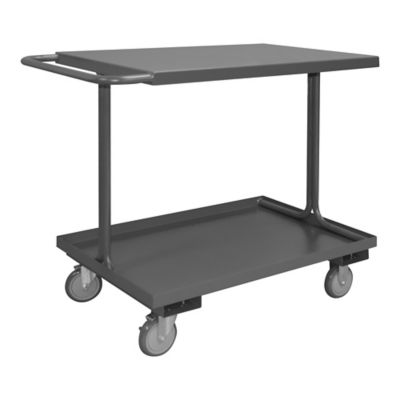
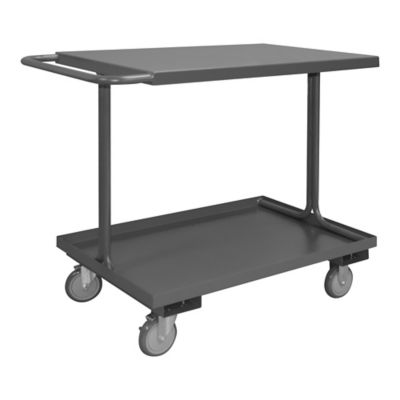
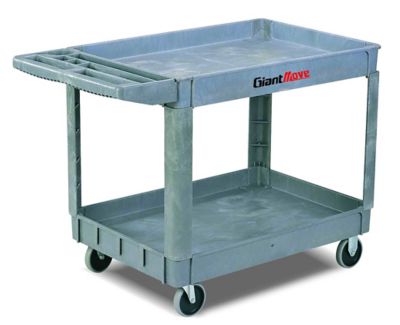
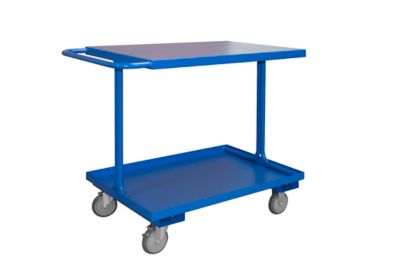
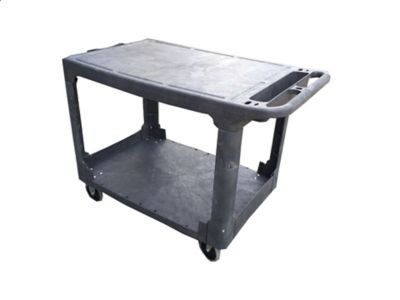
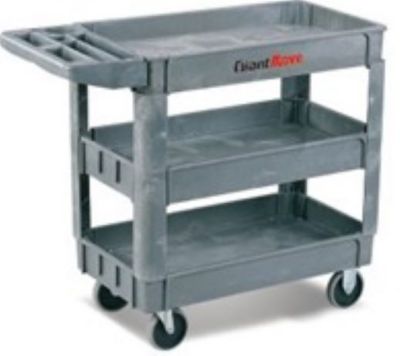
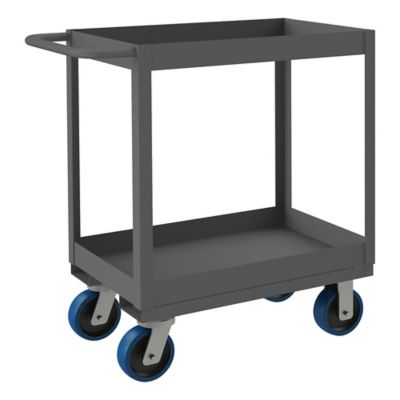
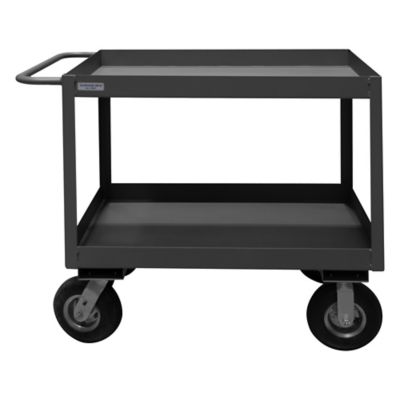
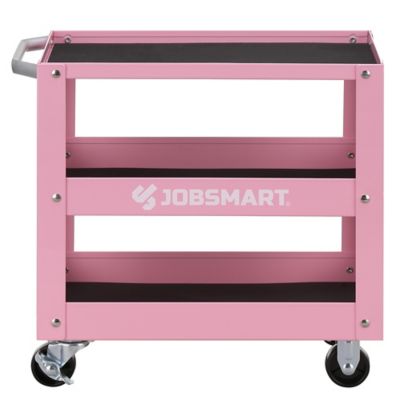
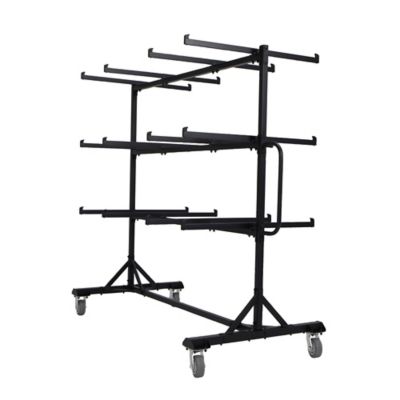
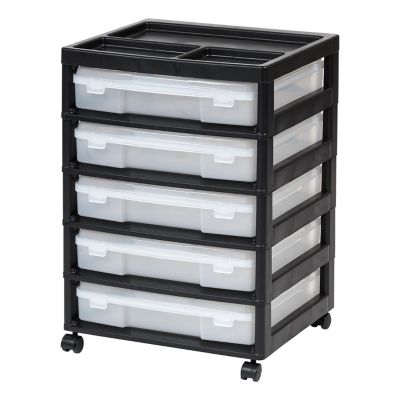
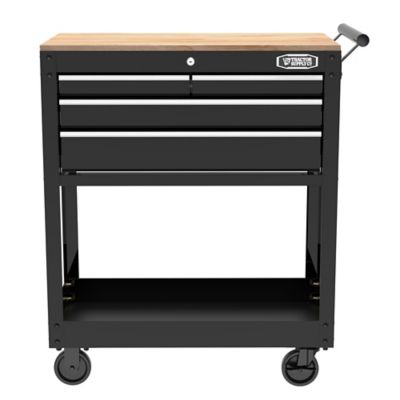
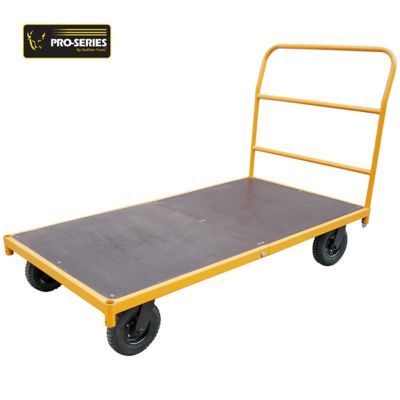
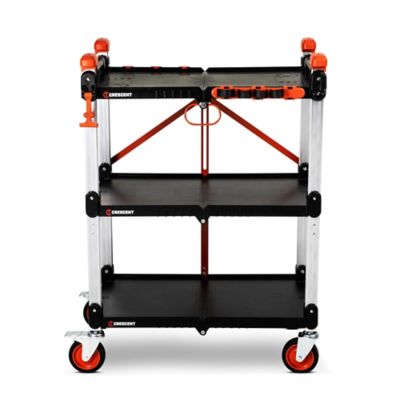
Carts with shelves combine a wheeled base with two or more storage levels, giving tools, supplies, and everyday gear a place to ride and a place to stay organized. Often called rolling utility carts, service carts, or mobile shelving carts, they bring storage closer to the job in a garage, workshop, barn, kitchen, or office. Instead of carrying a handful of supplies back and forth, a shelf cart keeps the things needed for a task together. In a home shop, that might mean hand tools on top, fasteners in small containers below, and room for a carrying case on the bottom shelf. In a feed room, a cart can hold grooming brushes, towels, and other animal-care supplies without taking over a workbench. Open sides make it easier to see and reach what is on each level, while shelves with raised edges help keep small containers from sliding off during an ordinary trip across the floor. Flat shelves offer a different advantage: boxes and bins can slide on and off without having to clear a lip. Shelf spacing matters just as much as the number of shelves. A three-tier cart may separate several groups of supplies nicely, but a two-tier layout can leave more headroom for tall bottles or equipment cases. Adjustable shelves, where included, provide more flexibility as storage needs change. The most useful layout leaves enough room above each load for a comfortable grip, not just enough space to squeeze it onto the shelf. Handles, shelf depth, and access from the sides also shape how a cart fits into daily work. A narrow cart can tuck beside a workbench, while a wider platform may better suit a task that calls for several containers within reach. Overall, carts with shelves work well when supplies need a consistent home but cannot stay in just one spot.
Materials and construction help determine where a shelf cart belongs and how much attention it needs. Steel frames and shelves are common choices for shop and workroom settings, with load limits depending on the cart’s design rather than the material alone. A painted or powder-coated finish helps protect the metal, though scratches and chipped areas deserve attention before corrosion spreads. Stainless steel can suit spaces where frequent wiping is part of the routine, but cleaning products still need to match the manufacturer’s recommendations. Plastic or resin shelves avoid metal rust on the shelf surface and can make cleanup straightforward; their weight limits and resistance to particular cleaners vary. Aluminum frames can reduce the weight of the cart itself, which may matter when it gets moved often. Wood shelving brings a different work surface and needs protection from standing moisture and spills according to its finish. Whatever the material, the stated load capacity should cover both the total load and any limit for an individual shelf. A cart rated for a certain overall weight does not necessarily allow that entire amount on its top level. Keeping heavier loads low helps with balance, especially when the cart is tall or narrow. Wheels deserve the same attention as the shelves. Smaller casters generally suit smooth, level floors, while larger wheels can make minor joints and thresholds easier to cross. Wheel material affects rolling effort, floor marking, and noise, so a cart for a concrete shop floor may need a different setup than one traveling over finished flooring. Swivel casters help with turning in tight spaces; fixed casters help a cart track along a straight path. Wheel locks can help hold it in place for loading or unloading, but they do not make a sloped surface a suitable parking spot. Overall width should include handles and any projecting hardware, and clearance should account for the turn into a doorway, not just the opening itself. Leaving enough aisle space makes a cart easier to live with once the shelves are filled.
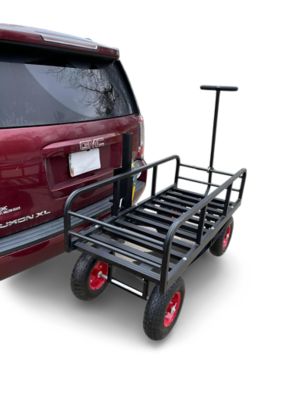
Day-to-day care is mostly about keeping shelves clean, wheels rolling freely, and the load settled securely. Dust, stray string, and other debris can collect around caster axles, making a cart harder to push even when its shelves are well below their weight limit. An occasional check of wheel hardware, handle connections, and shelf fasteners helps catch looseness before it becomes a bigger problem. Spills should be cleaned with a method suited to the shelf material, and surfaces should dry before supplies go back into place. Removable bins or trays can simplify cleanup and keep small parts from wandering between larger containers. In a kitchen or break room, shelf liners and containers should suit the task, and unpackaged food belongs only on surfaces intended for food contact. In a barn or workshop, separating grooming supplies, cleaning supplies, and tools keeps the cart’s purpose clear and avoids carrying residue from one job to another. A shelf cart can serve as a movable project station for a property owner handling repairs, a place for a craftsperson to keep supplies together, or a service cart for staff moving supplies between work areas. It can also be a practical gift for someone setting up a garage or workroom, particularly when its footprint and shelf clearances match the space. Keeping the top shelf open enough to set down a tool or sort a handful of parts often proves more useful than filling every inch. For trips centered on transporting boxes or larger loads rather than arranging supplies across several levels,
Cargo Carts provide another hauling option to consider. Shelf carts fill a different role: they keep several groups of supplies separated, visible, and close at hand while the work moves from one spot to the next. A cart that fits the floor, the load, and the available storage space can become a steady part of the routine without getting in the way.