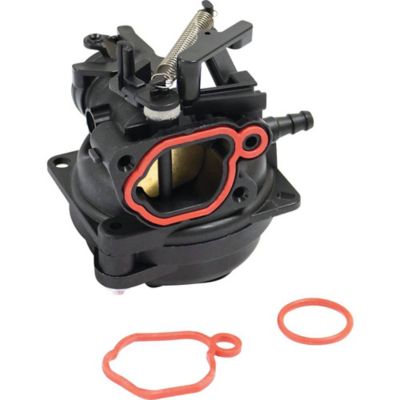
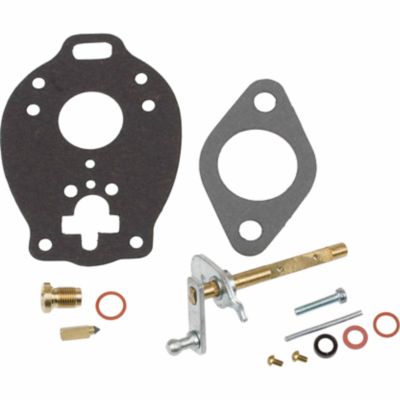
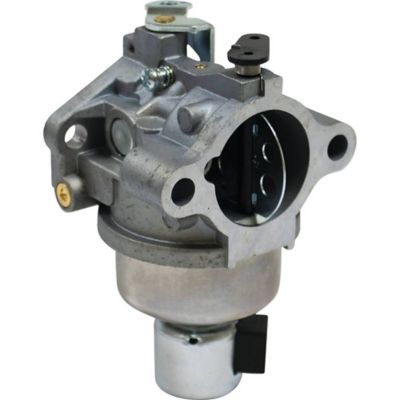
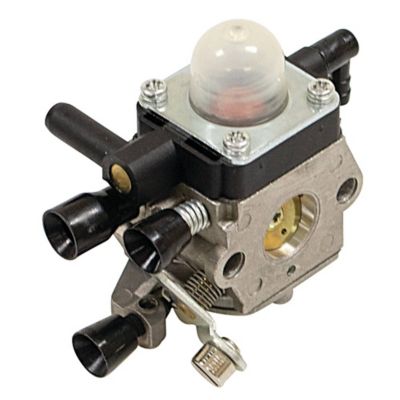
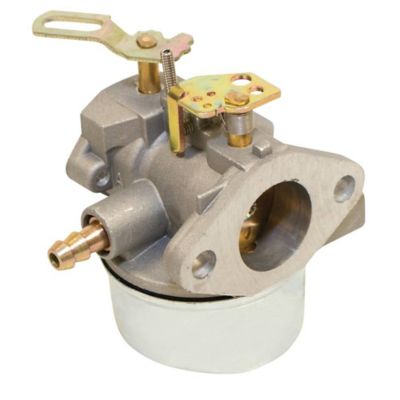
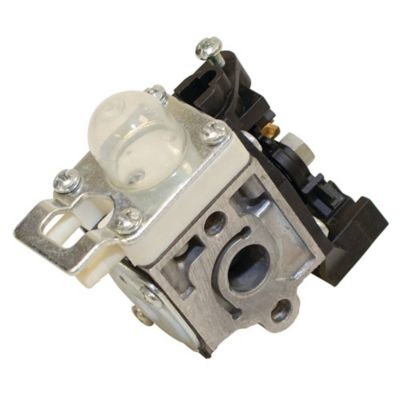
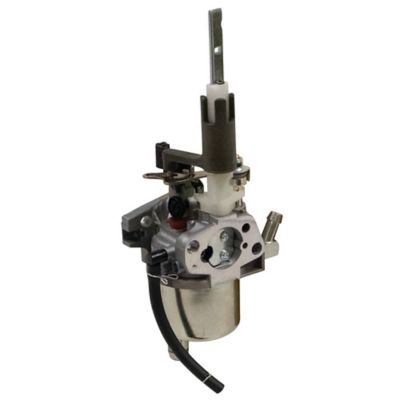
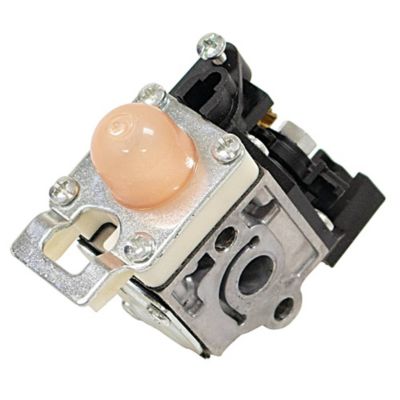
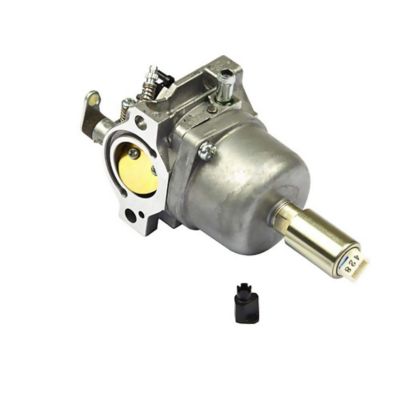
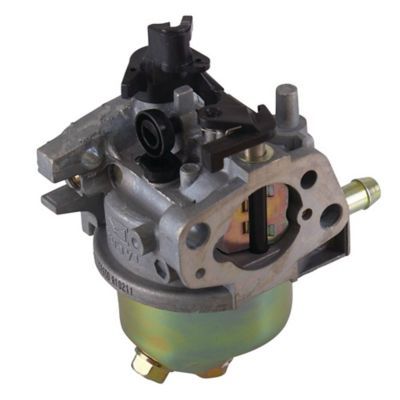
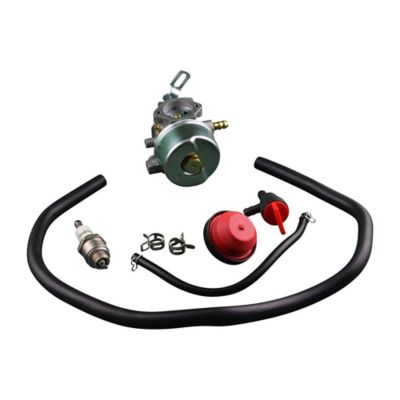
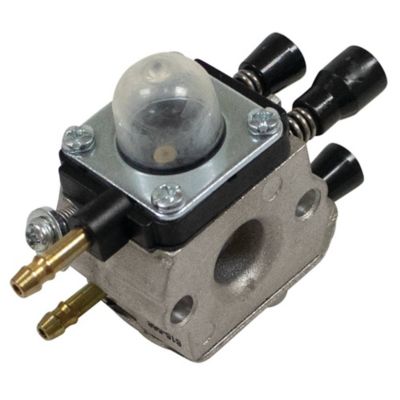
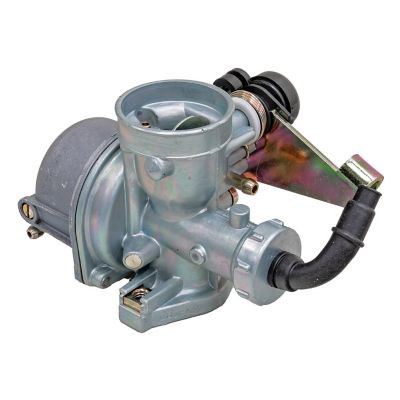
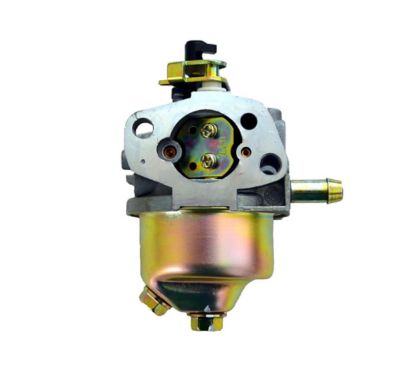
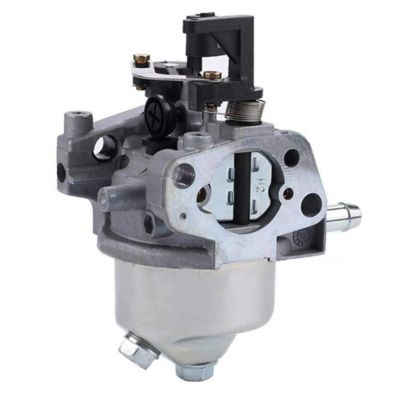
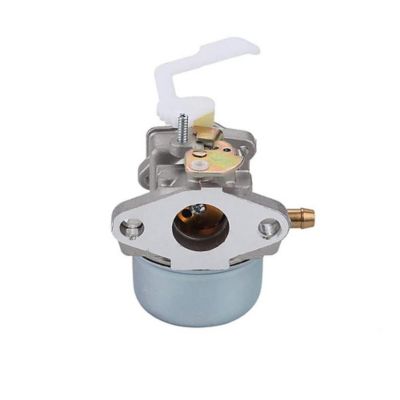
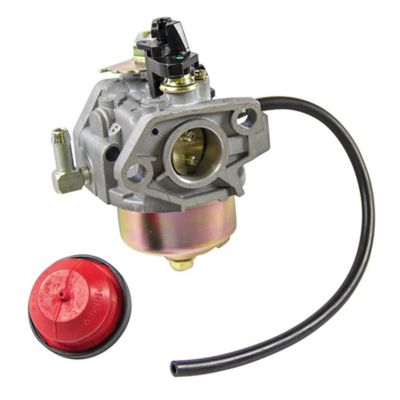
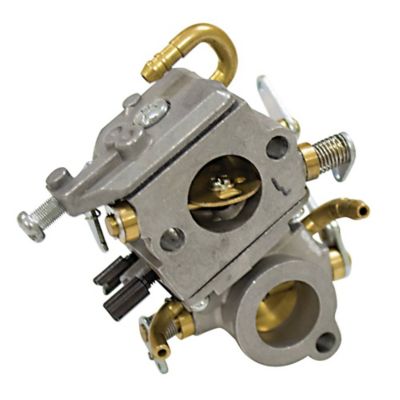
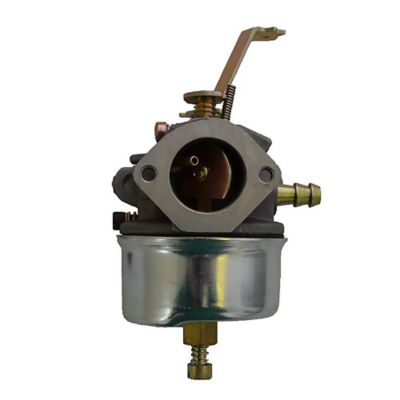
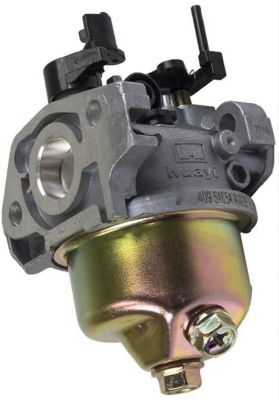
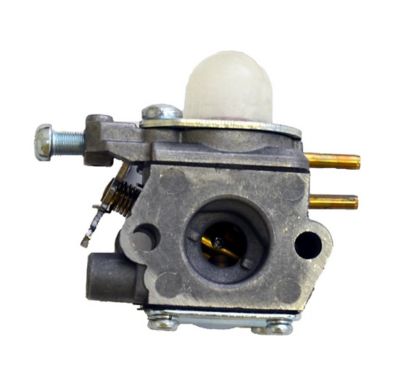
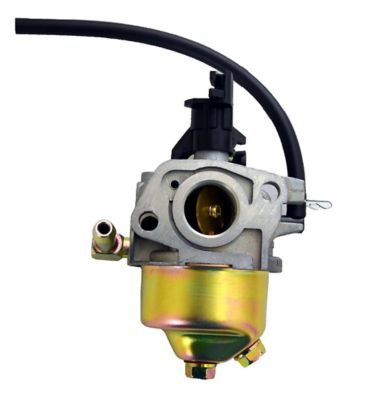
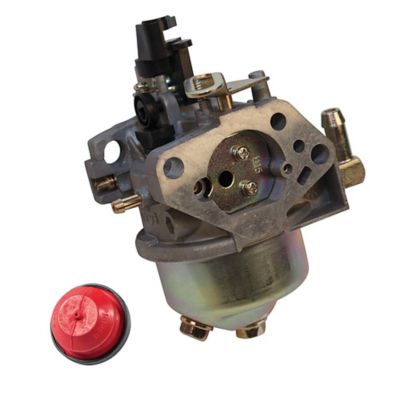
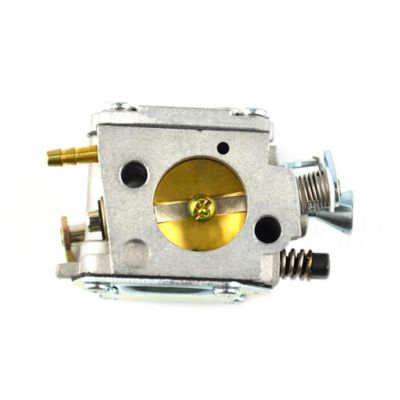
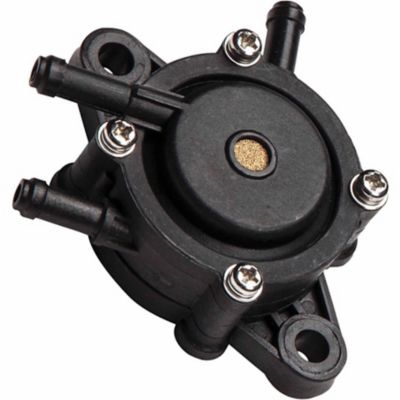
Carburetor parts help a gasoline engine get the right mix of air and fuel for starting, idling and working under load. That job looks a little different on a riding mower making steady passes across a pasture edge than it does on a tiller that has to keep pulling when the tines bite into packed ground. Inside a float-style carburetor, the float and inlet needle work together to keep fuel at a steady level in the bowl. As the level drops, the float lets the needle open so more fuel can enter. As the bowl fills, the float rises and the needle shuts off the flow. Jets meter fuel through small, precisely sized openings. The idle circuit supplies fuel when the throttle is nearly closed, while the main circuit takes over as airflow increases. Some designs have a metering rod that changes how much fuel can pass through a jet. A choke plate cuts down incoming air to make the mixture richer for starting, while the throttle plate controls how much of the mixture the engine can draw as it runs. Where fitted, an accelerator pump supplies a brief shot of extra fuel when the throttle opens quickly. Not every carburetor has a bowl, though. On equipment such as a chainsaw that gets tipped and turned during work, a flexible metering diaphragm can control fuel delivery in place of a float. Gaskets and O-rings do a quieter job: They keep fuel and air from slipping past the joints and passages meant to contain them. Taken together, those parts explain why two engines that both stumble can need very different repairs. An engine that loses power only when the mower deck is engaged places a different demand on the carburetor than one that won’t settle into a steady idle with the deck off.
Fit comes down to the engine and carburetor design, not just the kind of machine parked in the shed. Two riding mowers that look nearly alike can have different engines, and even similar engines can take different carburetor parts. The engine model and any type or specification code on its identification tag are better starting points than the name on the hood. A number stamped on the carburetor body can help narrow the match, too. A jet can thread into place and still have the wrong opening for the engine. A float can look right on the bench but sit differently on its hinge, changing the level at which the needle stops fuel flow. Gaskets deserve the same attention: A matching outer edge doesn’t mean the bolt holes, fuel passages or small air openings line up. The selection of
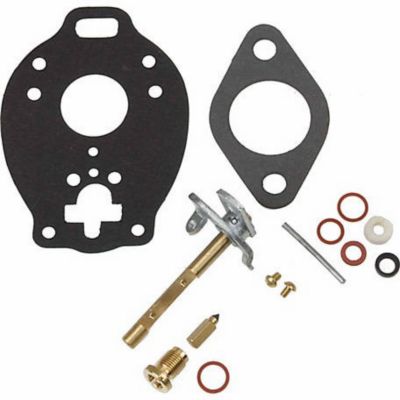
Carburetor Gaskets covers the sealing side of the job, where the joint matters as much as the outline. A bowl gasket seals a different surface than the intake gasket between the carburetor and engine, and a poor seal at the intake can let in air that the carburetor hasn’t accounted for. Materials matter for fit and service life as well. Brass often makes sense for jets because the tiny openings can be machined to a precise size. Floats may be brass or molded plastic, depending on the design, and flexible diaphragms and seals need materials suited to the fuel they’ll contact. A flattened O-ring may no longer press firmly into its groove, while a diaphragm that has gone stiff may not flex enough to do its job. Those differences are worth keeping in mind when choosing between a single part for a known fault and a rebuild kit for a carburetor with wear in several places. Kit contents vary with the design, so a kit that covers gaskets and the inlet needle may not cover a damaged float or worn linkage.
How the equipment earns its keep helps put those choices in perspective. A log splitter may spend stretches sitting between jobs, then run at a steady setting through a whole pile. A mower spends more time moving from easy cutting to thick patches that make the engine pull harder. A portable generator may run steadily until another electrical load kicks on. In each case, the parts that control fuel flow have to suit the original carburetor and the way the engine is meant to run. A larger jet isn’t a step up for an engine that was set up for a smaller opening, and a new set of seals won’t make up for a cracked carburetor body or a throttle shaft that has worn loose in its bore. Sometimes a sound body with a worn seal or needle is a good candidate for a small repair; damage to the body itself may point toward a complete replacement instead. Care extends the working life of either choice. Clean fuel and a sound filter help keep grit out of the small passages, and the engine maker’s storage guidance is worth following when equipment will sit between jobs. A steel wire can scratch or enlarge a soft brass jet, so a plugged opening calls for a cleaning method that leaves its size and shape intact. On the bench, even a bit of grit caught under an inlet needle can keep it from seating, and a gasket pinched at one edge may leak even if the screws feel snug. For the person who keeps the place running, whether that means tending a few acres or looking after a shed full of equipment, the most useful carburetor parts are the ones that match the engine, address the wear at hand and let the machine get back to the work it was built to do.