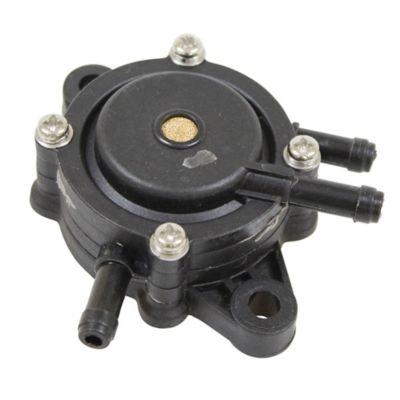
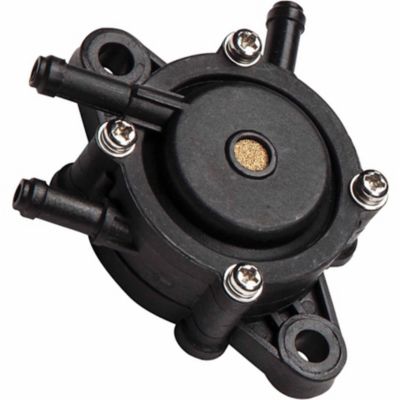
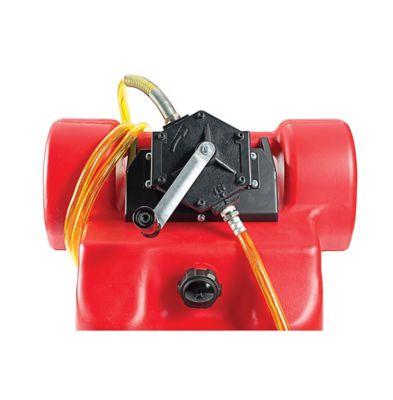
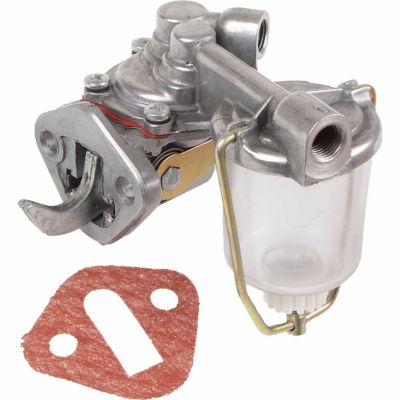
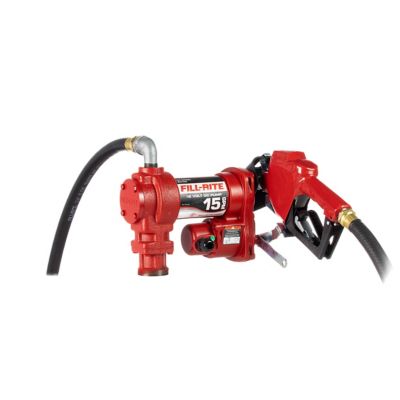
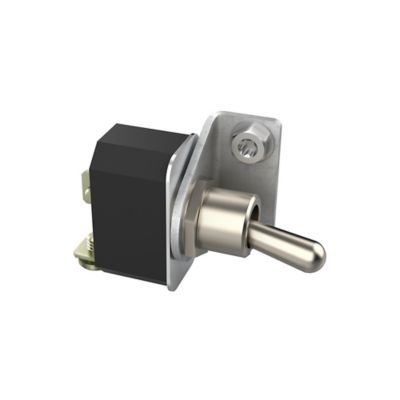
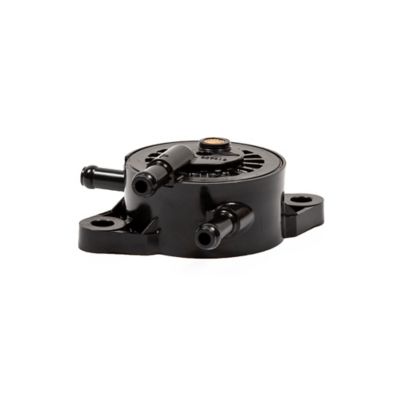
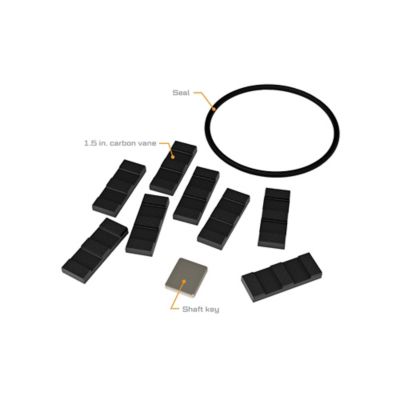
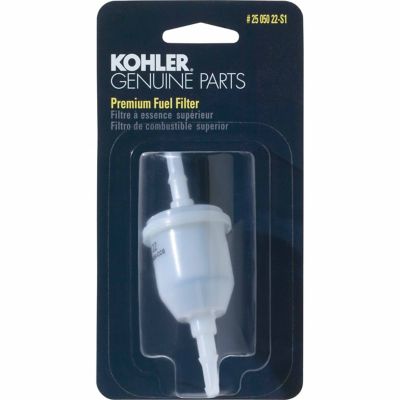
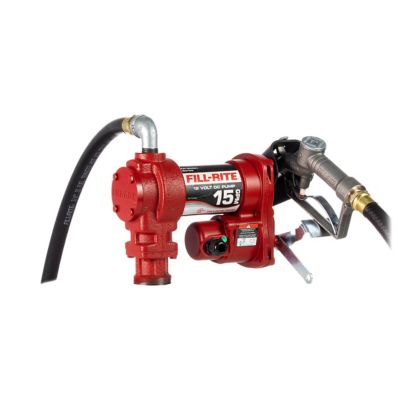
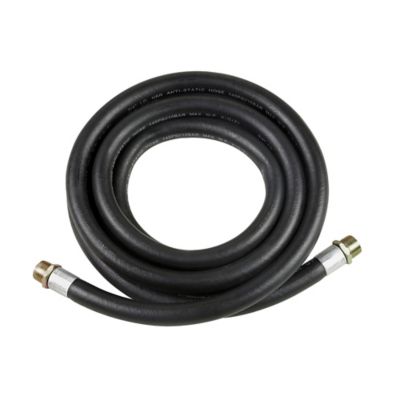
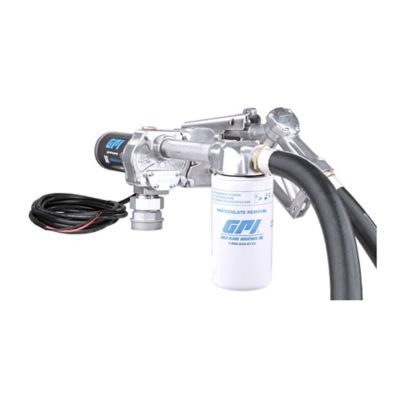
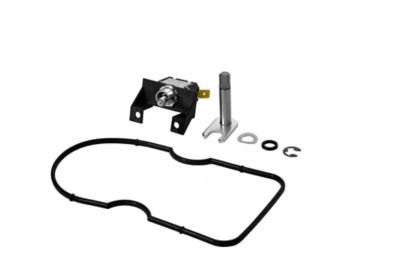
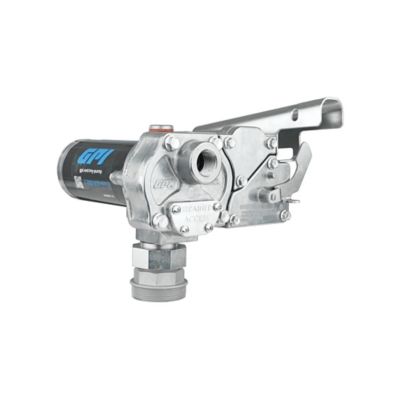
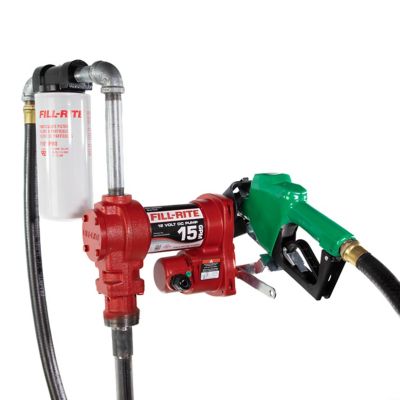
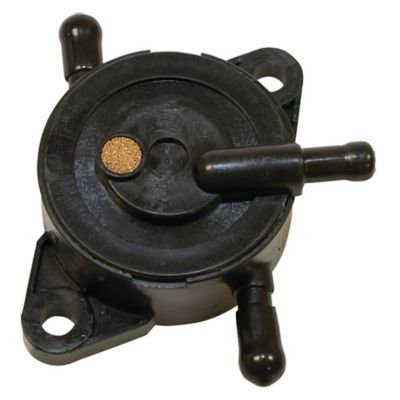
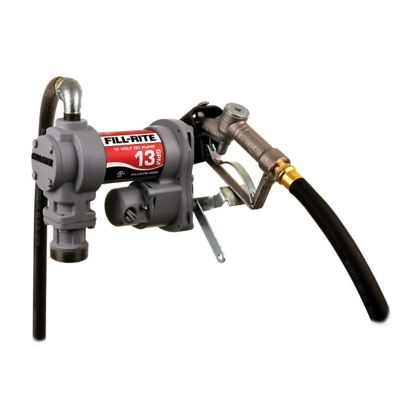
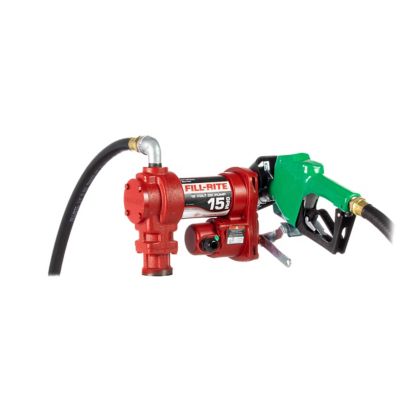
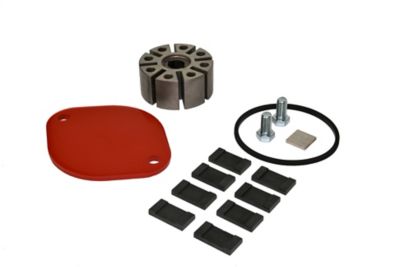
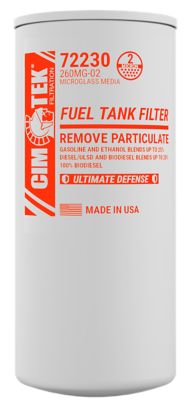
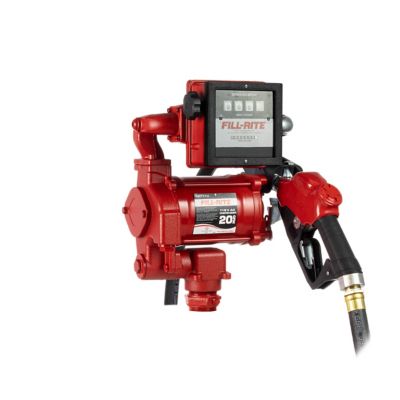
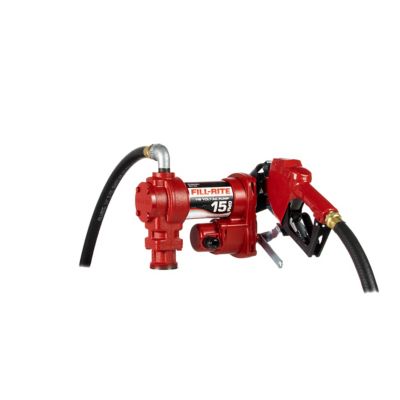
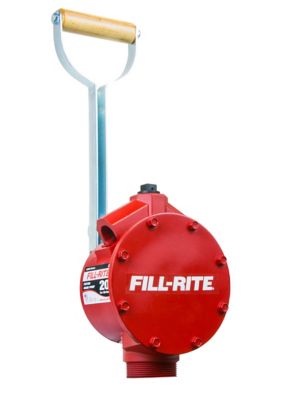
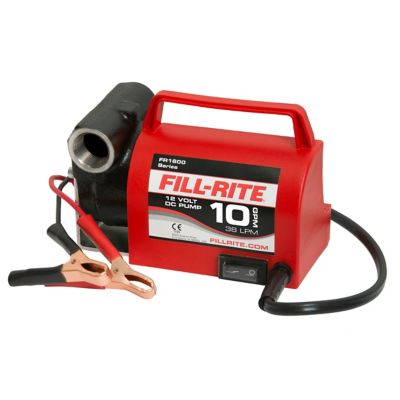
Fuel pump parts help keep fuel moving from the tank to the engine at the steady pressure a vehicle, tractor, mower, utility machine, or other piece of equipment needs to run properly. A fuel pump assembly is made up of several working pieces, and a problem with one small part can lead to hard starting, stalling, rough running, poor acceleration, or an engine that cranks without catching. Common replacement components include electric pump motors, fuel strainers, filters, pressure regulators, check valves, springs, fuel level sensors, floats, hanger assemblies, electrical connectors, tank seals, and O-rings. Some repairs call for one worn or damaged piece, while others make more sense with a complete replacement assembly that brings several matching components together. The right choice depends on the vehicle or machine, the fuel system design, and the symptoms you are seeing. A pump that hums but does not build enough pressure may point to a failing motor, clogged strainer, weak electrical connection, or pressure regulator issue. A fuel gauge that reads empty or full all the time may involve the sender or float rather than the pump itself. Fuel draining back toward the tank after shutdown can be related to a check valve, while a smell of gasoline around the tank opening may indicate a worn seal or O-ring. These parts are useful for farm and ranch owners, mechanics, small-engine repair shops, roadside repair kits, and anyone who keeps older equipment working through long days in the field, on the road, or around the property. Before ordering, write down the year, make, model, engine size, and equipment type, then compare the original part with the replacement. Factory-style connectors, mounting points, hose sizes, electrical terminals, and pressure ratings all need to match. A part that looks close may still fit differently or deliver the wrong pressure, so checking the equipment manual and application information is time well spent.
Choosing fuel pump parts starts with identifying the fuel system and the actual source of the trouble. Many newer vehicles and machines use an in-tank electric pump mounted on a hanger or module, while some older equipment uses an external pump or a mechanical design. The assembly may include a pump motor at the bottom of the tank, a mesh strainer that catches dirt and rust, a pressure regulator that keeps fuel delivery even, and a sending unit with a float that reports fuel level to the dashboard or gauge. The electrical connector supplies power, and the tank seal or O-ring helps keep fuel and vapors from escaping where the assembly meets the tank. When replacing a pump, inspect related pieces instead of assuming the motor is the only concern. Rust or sediment in the tank can clog a new strainer, old wiring can cause voltage drop, and a flattened seal can create leaks even after the pump is working correctly. It is also smart to pay attention to fuel quality and storage conditions. Equipment that sits during the cooler months, or machines that work in dusty lots and rough fields, may collect moisture, debris, or stale fuel that puts extra strain on the fuel system. A clean tank, fresh fuel, and a properly seated filter or strainer can help a replacement part last longer. Always relieve fuel-system pressure according to the service instructions before opening lines or removing an access cover, disconnect the battery when appropriate, and work outdoors or in a well-ventilated area away from flames, heaters, cigarettes, and anything that could make a spark. Wear suitable eye protection and gloves, keep a rated fire extinguisher nearby, and collect spilled fuel right away. Gasoline is highly flammable, and diesel fuel still requires careful handling. If the tank is full, the assembly is hard to reach, or the wiring and pressure-testing steps are unfamiliar, a qualified technician can help prevent a small repair from becoming a costly one.
Fuel pump parts can be a practical addition to a maintenance shelf, especially for people who depend on equipment for daily work and cannot afford extended downtime. A livestock owner may keep commonly needed service items on hand before moving cattle or hauling feed, while a farmer may inspect the fuel system before equipment is needed for heavier fieldwork. Owners of older pickups, tractors, generators, side-by-sides, boats, and lawn equipment can also benefit from having the correct replacement parts identified before a failure leaves the machine sitting in the driveway. These components are generally purchased for repair rather than given as a traditional gift, but they can make a thoughtful and useful present for a hands-on family member, hunting buddy, neighbor, or friend who enjoys restoring equipment and turning wrenches in the garage. When building a small maintenance supply, pair the fuel pump component with compatible filters, clean fuel-line supplies, electrical test tools, and the service information for the machine. Keep spare seals and connectors sealed in their packaging and store fuel-system parts in a cool, dry place away from direct sunlight and chemical exposure. Do not mix up fuel pump parts with equipment designed for other fluids; a fuel system requires materials, seals, pressure ratings, and construction made for gasoline, diesel, or the specified fuel type. For water movement around a farm, garden, livestock area, or jobsite, see
Water Pump Kits instead. Taking a few minutes to confirm the fuel type, operating pressure, electrical setup, mounting arrangement, and application details can make installation smoother and help the repaired engine start reliably when the weather warms, during busy work seasons, and through the cooler months when dependable equipment matters just as much.