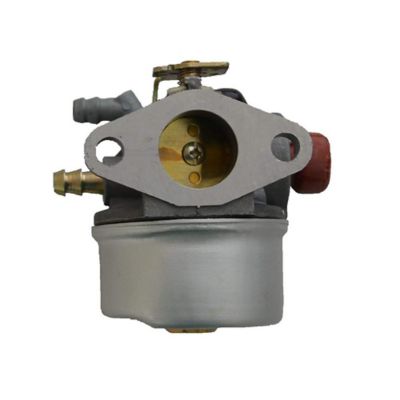
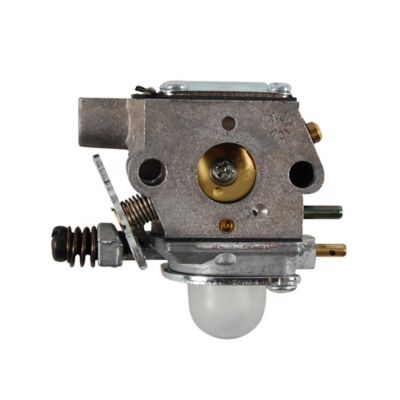
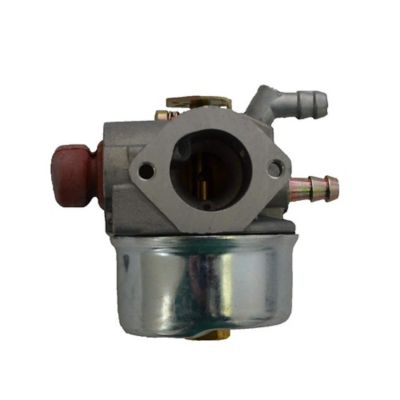
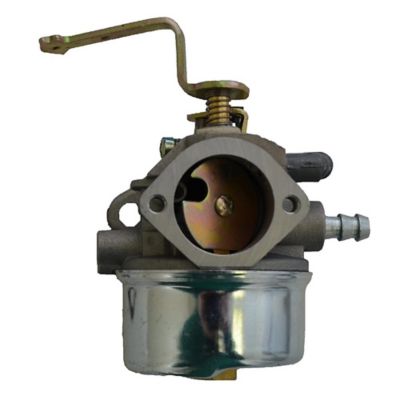
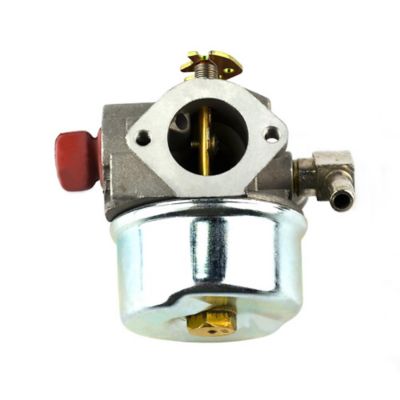
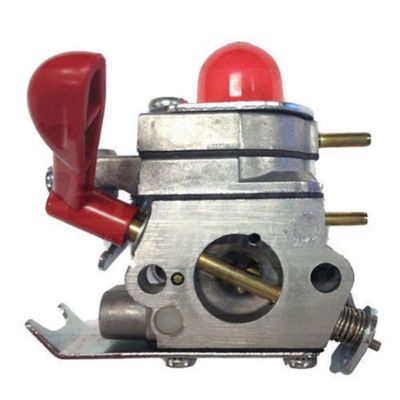
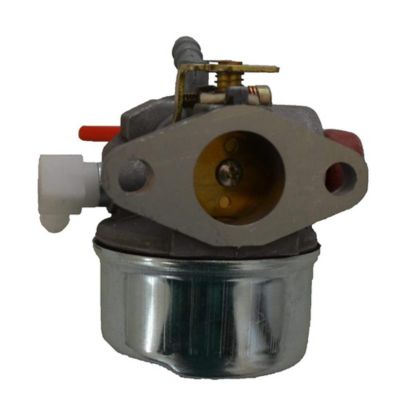
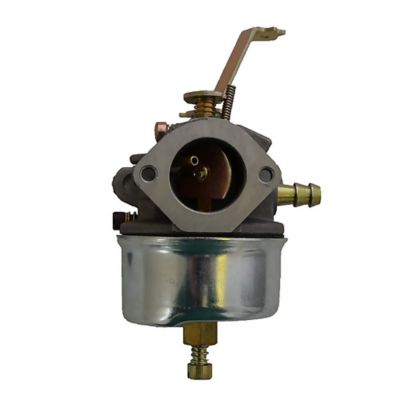
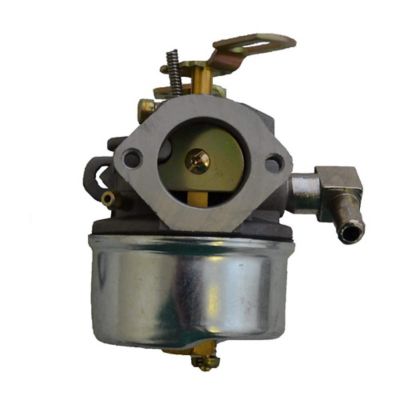
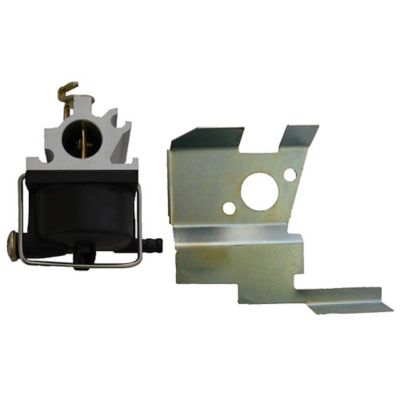
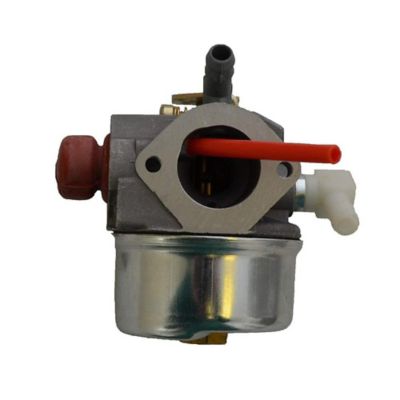
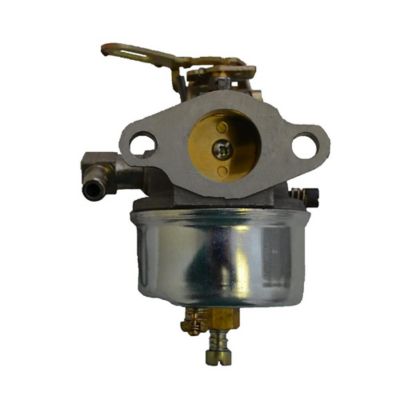
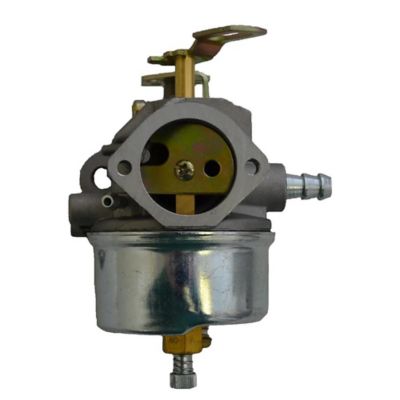
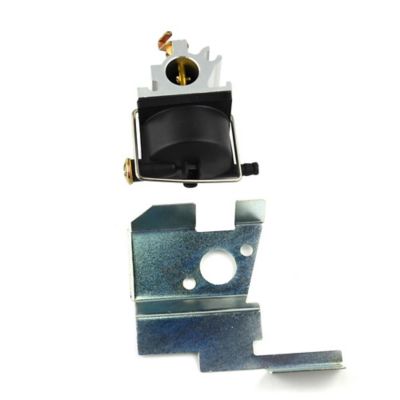
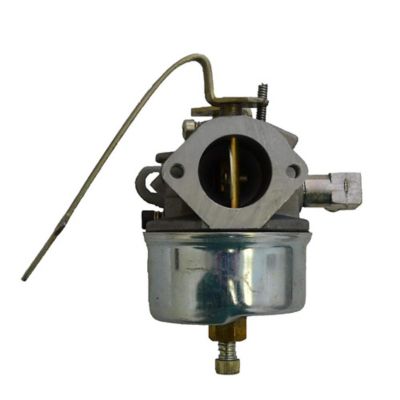
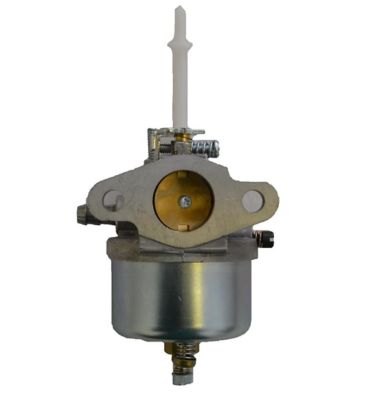
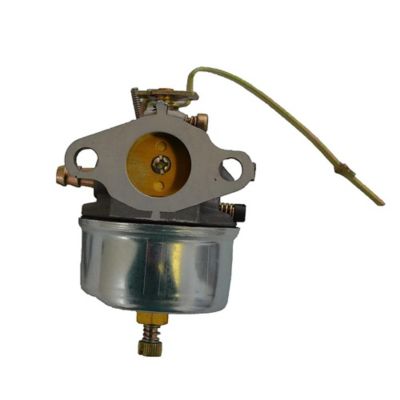
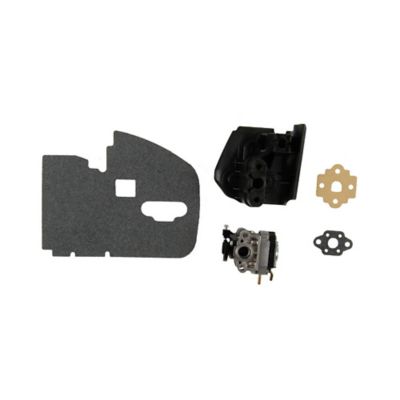
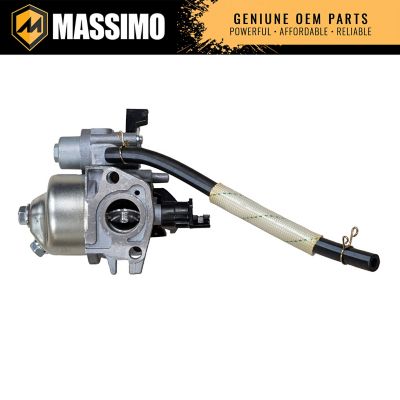
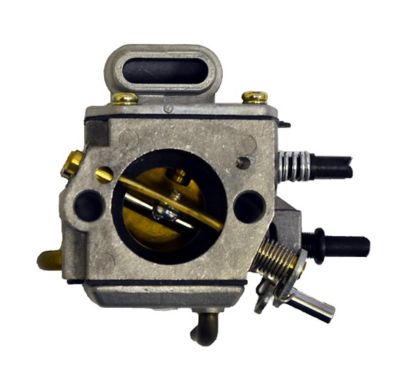
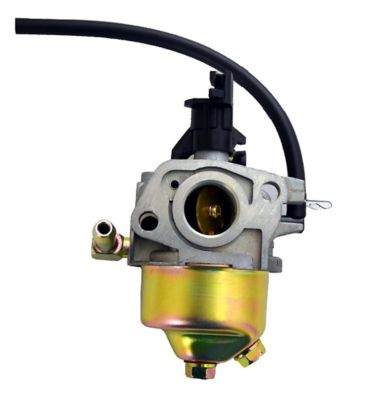
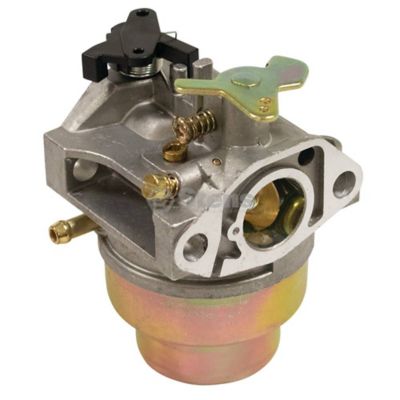
Small engine carburetors blend gasoline with incoming air so an engine can make the power needed to cut grass, turn a tiller, run a pump or keep a generator working. Inside the carburetor, air passes through a narrowed opening called a venturi, where a pressure difference draws fuel through small metering passages. That fuel mixes with the airflow before entering the engine. The throttle regulates how much mixture reaches the engine, while a choke or another starting-enrichment system helps supply the richer mixture needed for starting. On equipment with a governor, the throttle works with that mechanism to help maintain engine speed as the load changes. Those little passages and moving parts have a big job: a mower pushing into thick grass and a water pump working through a long stretch both need consistent fuel delivery. Small engine carburetors come in several configurations because a walk-behind mower and a handheld trimmer do not operate the same way. Float-style carburetors hold a supply of fuel in a bowl, with a float and inlet needle controlling the fuel level. Diaphragm-style carburetors rely on flexible diaphragms to help move and meter fuel, making them well suited to equipment that changes position during operation. Many four-cycle engines feature float-bowl designs, while many two-cycle handheld engines have diaphragm designs, though engine specifications—not that general pattern—determine the right match. For property owners, farm crews and folks who maintain their own equipment, a replacement carburetor can be part of getting a familiar machine back to work when its original assembly is worn, corroded or beyond practical repair. Hard starting, uneven idling, surging and fuel leakage can point toward carburetor trouble, but they can also have other causes. Fuel supply restrictions, intake leaks, ignition faults and engine wear may produce similar symptoms. A carburetor is one part of the engine’s fuel and air system, so identifying the source of a problem matters before choosing a replacement.
Fit starts with the engine identification, not just the name on the mower deck or equipment frame. Engine model, type and specification numbers help distinguish assemblies that may look alike but have different internal calibration or external connections. A replacement carburetor needs the correct mounting pattern, intake opening, fuel inlet orientation and clearance around the air cleaner and nearby engine parts. Throttle and choke linkages must connect in the proper locations and move through their intended range. Even a small difference in a linkage hole or lever shape can affect how the engine responds to its controls. Some configurations also include a primer connection, an automatic choke arrangement or an electrically operated fuel shutoff solenoid. Those features need to match the engine’s requirements rather than simply resemble the old assembly. Matching the manufacturer’s replacement part reference, when provided, is a stronger starting point than comparing horsepower alone. Engines with the same power rating can have different fuel systems, and a carburetor that bolts into place is not necessarily calibrated for that engine. Equipment purpose matters, too. A generator needs a carburetor compatible with its governed operating speed, while a handheld cutting tool needs a design suited to its operating positions and throttle demands. For mower-focused replacement needs,
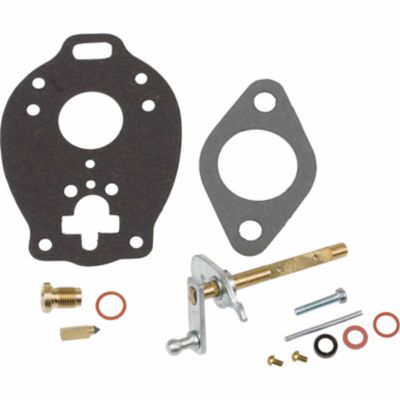
Lawn Mower Carburetors narrows the category to that equipment type, with engine-level compatibility still the deciding factor. Complete assemblies and repair kits serve different needs: an assembly replaces the carburetor body and its fitted components, while a repair kit addresses designated service parts within a compatible carburetor. Package contents vary, so gaskets, mounting hardware, fuel lines, primer components and other connections should not be assumed to come with every assembly. For a machine that gets hauled between properties or spends long hours working around the farm, secure mounting and properly routed connections matter just as much as the carburetor’s basic dimensions. The best match is the one that fits the engine’s specified setup without improvised brackets, stretched fuel hose or altered governor connections.
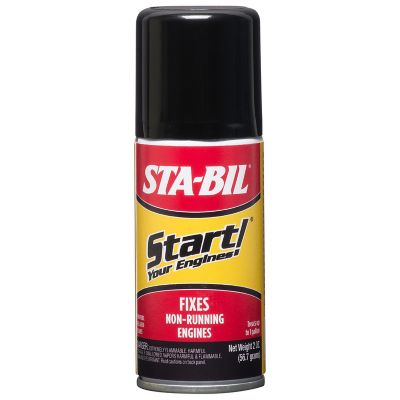
Materials and upkeep play a large part in how a small engine carburetor holds up over time. Carburetor bodies commonly feature cast aluminum or zinc alloys, with brass metering components and a mix of metal, plastic and elastomer parts inside. The body needs sound mounting surfaces and intact threads, while the inlet needle, seals and gaskets need to control fuel without seepage. Diaphragms must remain flexible enough to respond as intended; stiff or damaged material can interfere with fuel delivery even when the outer housing looks fine. These parts also need compatibility with the fuel specified for the engine, including any limits on ethanol content. Fresh gasoline of the recommended type helps reduce fuel-related trouble, and two-cycle engines that require premixed fuel need the manufacturer’s specified oil ratio. Fuel left sitting can oxidize and leave gum or varnish in narrow passages, while water and debris can contribute to corrosion, restrictions or a sticking inlet needle. A working fuel filter, where specified, and a properly maintained air filter help keep contamination out of the system. Cleaning can address certain deposits, but it cannot restore a damaged casting, worn throttle shaft bore or deteriorated diaphragm. Carburetor cleaning products also differ in their compatibility with rubber and plastic, making the engine and cleaner instructions important whenever service is needed. For extended storage, the engine manufacturer’s fuel-treatment and draining recommendations take precedence; stabilizer does not turn deteriorated gasoline fresh again. After replacement, correct gaskets, leak-free connections and free-moving controls help the assembly function as intended. Some carburetors have service adjustments, while others have fixed or restricted settings that should remain within manufacturer specifications. A well-matched carburetor supports steady operation whether the day’s job is clearing a fence line, mowing around outbuildings or powering equipment away from an outlet. Paying attention to engine fit, fuel compatibility and serviceable components helps keep the focus on the work instead of repeated stops beside a machine that will not run right.