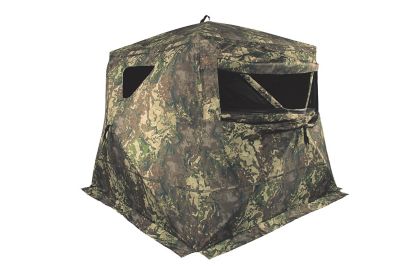
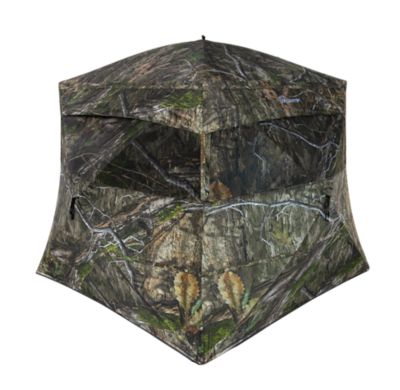
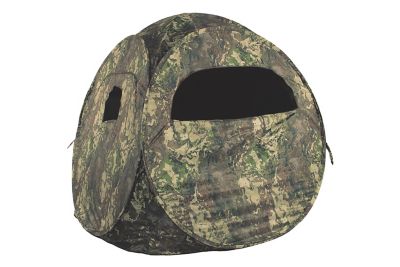
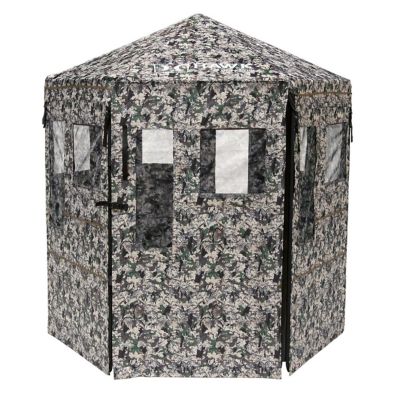
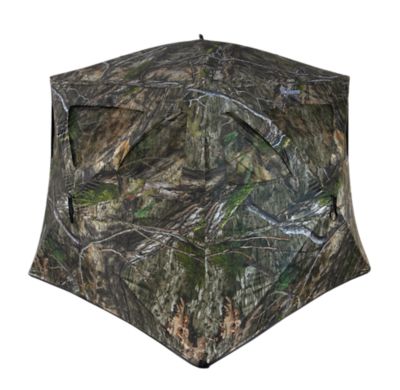
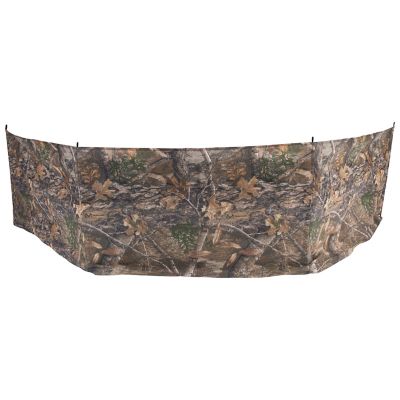
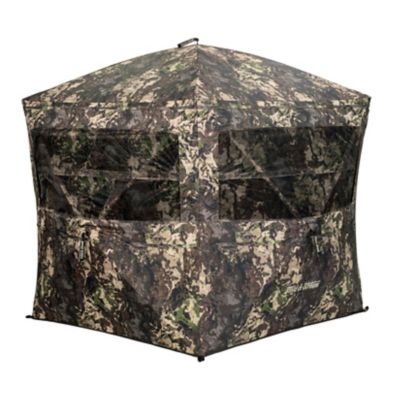
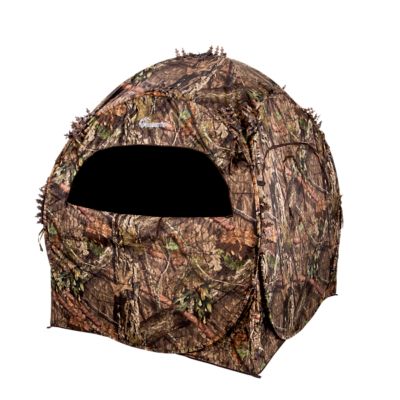
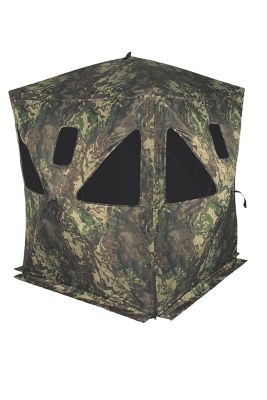
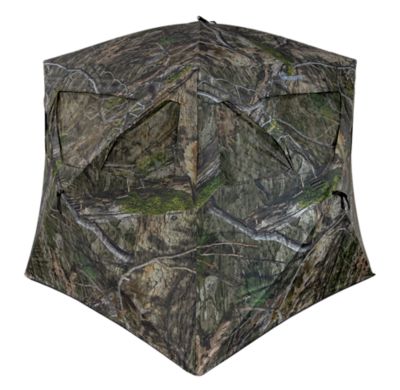
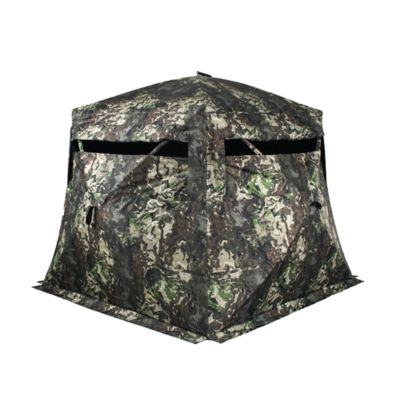
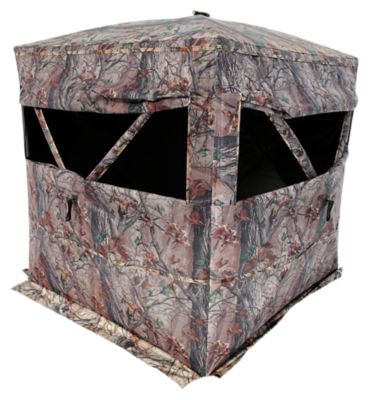
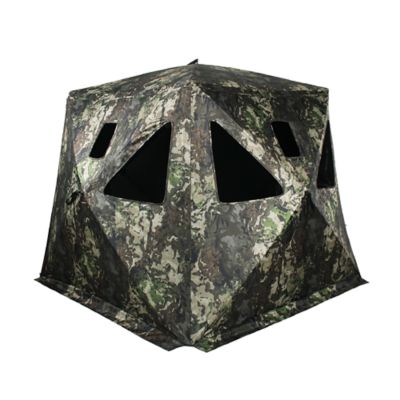
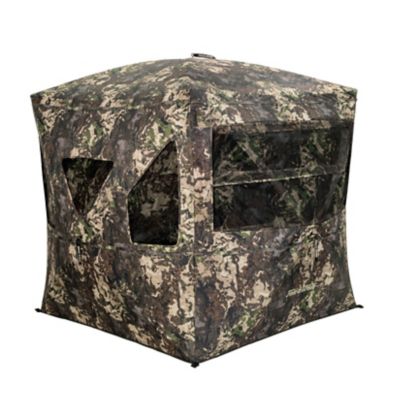
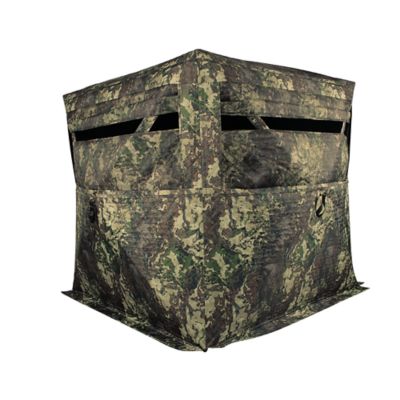
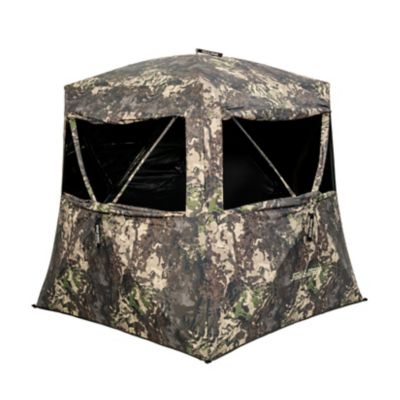
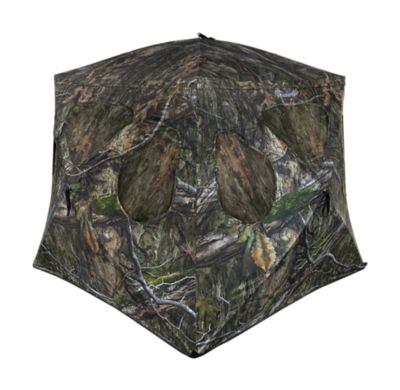
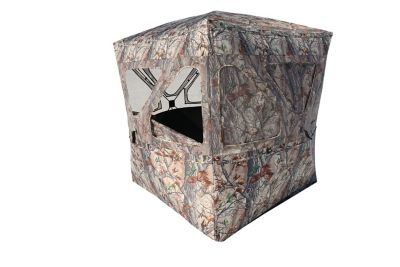
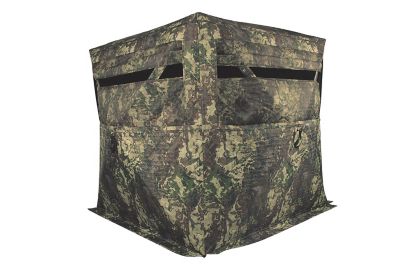
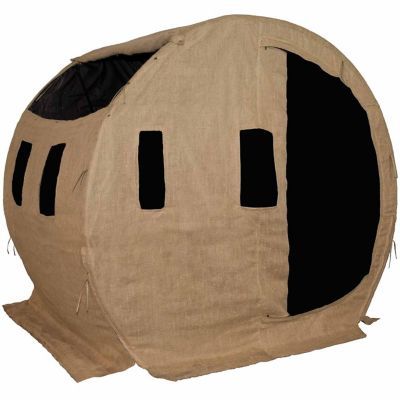
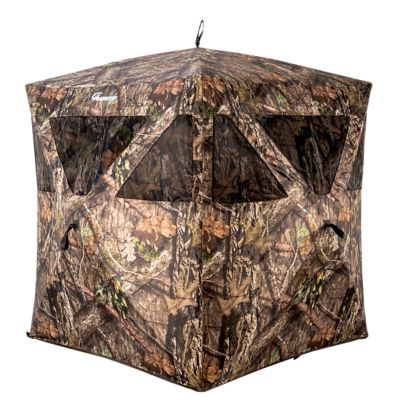
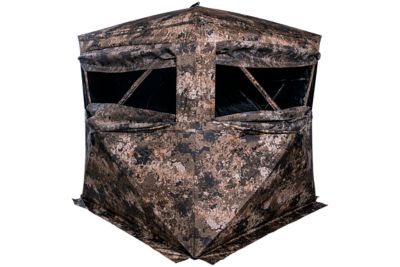
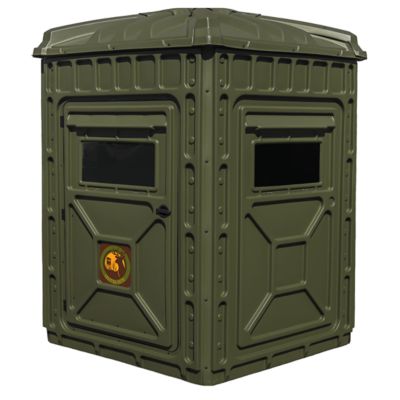
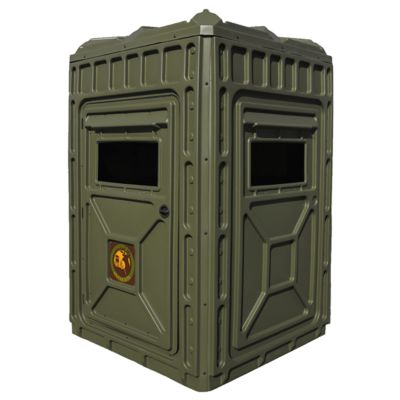
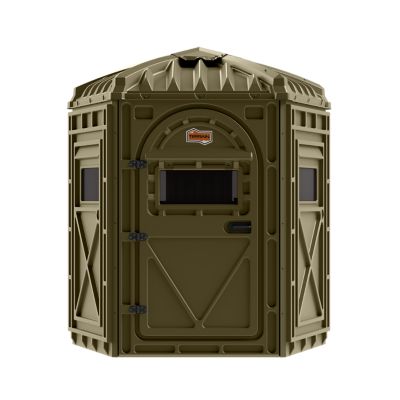
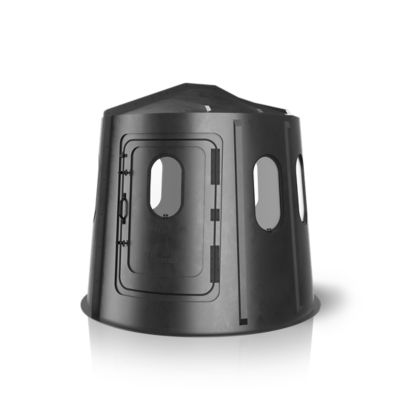
Camo hunting blinds help break up the shape, movement and shine of a hunter, making it easier to settle into a natural-looking spot near a field edge, timberline, creek bottom or brushy trail. They can be useful for deer, turkey, elk and other game, and the right style depends on how and where you hunt. A portable pop-up hub blind is a handy choice when you need to carry gear in, set up quickly and move on without leaving a permanent structure behind. Flexible rods give these blinds their shape, while folding frames make them practical for a truck, ATV or pack. Some are sized for one hunter and basic gear, while larger models provide room for two, three or even four people, making them a comfortable option for a parent introducing a young hunter to the outdoors or for a couple spending a quiet morning together. Compact run-and-gun panels offer another mobile solution, especially for hunters who cover ground while calling turkey. These low-profile folding screens can be tucked against brush, a fallen tree or a field boundary and are built for hunters who value light weight and fast repositioning. See-through blinds use specialized mesh that allows a broad view from inside while helping conceal movement outside, with some designs offering a 270-degree or nearly full surrounding view. That extra visibility can be useful when watching several approach routes, but it is still important to keep movements slow and controlled. For a longer-term setup, hard-sided elevated blinds offer greater weather protection, overhead visibility and room for a chair, shooting rest and extra equipment. An elevated blind can also provide a clearer view over tall grass and low brush, while a ground-level blind may blend more naturally into thick cover. Before choosing, consider the terrain, the length of your sit, the number of people using the blind and how far the blind must be carried from the vehicle.
Camouflage works best when the blind fits the surroundings instead of standing out as a neat, artificial shape. Look for a pattern and color mix that suits the cover around your hunting area, whether that means leafy green timber, faded grass, open farmland or darker woodland. Exterior brush loops are useful for weaving in local branches, grass and other natural cover, helping soften straight edges and add texture. Use only loose, natural material that does not damage living plants or create an unsafe tangle around windows, doors or shooting ports. A blind should also have enough interior room for the hunter’s clothing, firearm or bow, pack, shooting rest and other essentials without forcing everything against the walls. Check the window layout before buying. Quiet slide openings, magnetic closures or silent window flaps help reduce the sharp zipper sound that can carry through still woods, and adjustable shooting ports make it easier to stay concealed while taking a safe, ethical shot. Door placement matters too, particularly on uneven ground or when the blind will be used by more than one person. A wide entrance is convenient for larger gear, while a smaller opening may better preserve concealment. Pay attention to the frame, fabric weight, packed size and included stakes or tie-downs. A lightweight blind is easier to carry, but a heavier construction may provide more stability during wind and rough weather. For elevated or semi-permanent structures, consider the platform, ladder access, insulation, ventilation, drainage and the amount of maintenance involved. Hunters who spend long hours in a blind may appreciate room for a cushion, heater approved for enclosed use and extra layers, while anyone hunting with a young person may want a little more space for movement and comfort. A well-planned blind can also make a thoughtful gift for a new hunter, landowner or outdoorsman who is building out a hunting setup, especially when paired with practical accessories or
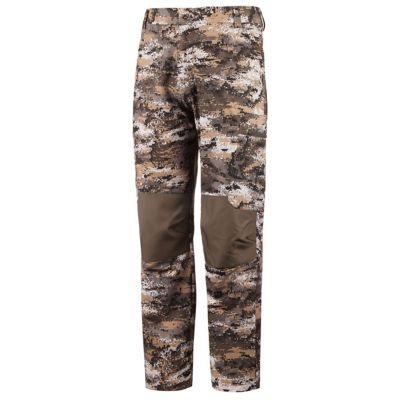
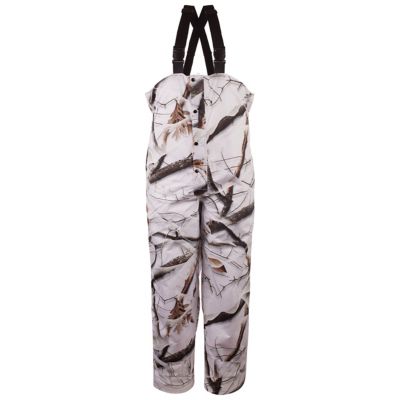
Camo Hunting Clothes for a complete, low-profile field outfit.
Set up any camo hunting blind with care, even when the forecast looks mild. Choose a location that offers natural concealment and a clear, safe direction for shooting, then check local hunting rules for blind placement, distance from roads, property lines and other requirements. Give yourself time to assemble and inspect the blind before the hunt so there is no need to wrestle with poles or loud fasteners as game approaches. Use every included ground stake, and add the recommended tie-down cords or other secure anchors when wind may be a concern. A sudden gust can shift or collapse a portable blind, damage the frame or create a dangerous situation, particularly on open ground. Keep doors, windows and shooting lanes clear, and make sure firearms and bows can be handled safely without catching on fabric or brush. Scent control remains important; a well-camouflaged blind cannot make up for strong odors or careless movement. Let the blind air out before use, avoid unnecessary handling and place it with the prevailing wind in mind. After the hunt, inspect the fabric for mud, burrs and moisture. Never fold or pack a fabric blind while it is damp. Open it fully and allow it to air-dry completely, preferably out of direct, harsh sunlight, before storage to help prevent mildew and mold. Long exposure to strong sun can also fade fabric and weaken materials over time, so store the blind in a dry, protected place and limit unnecessary UV exposure when it is set up for extended periods. Hard-sided blinds benefit from checking hinges, windows, seals, ladders and fasteners before the cooler months bring rain, frost or heavier wind. With the right size, camouflage pattern, viewing options and anchoring system, a hunting blind becomes a dependable part of the setup—one that helps hunters stay comfortable, keep movement quiet and spend more time watching the woods, field or brush line.