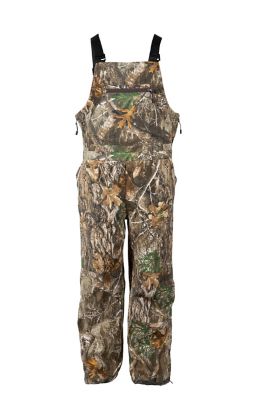
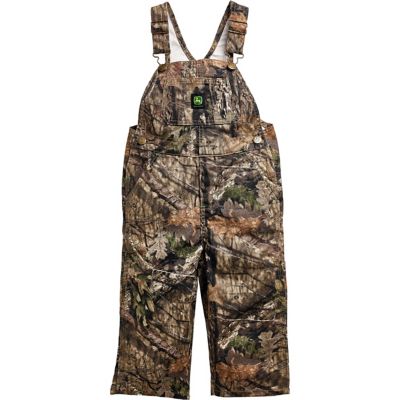
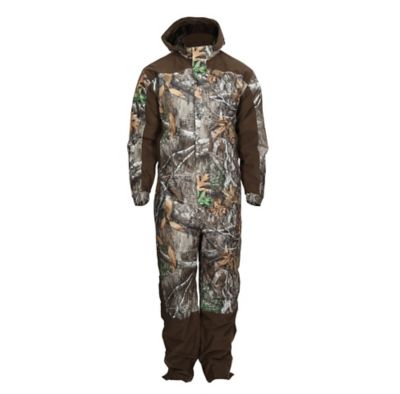
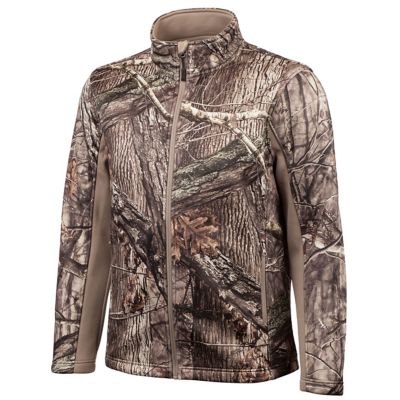
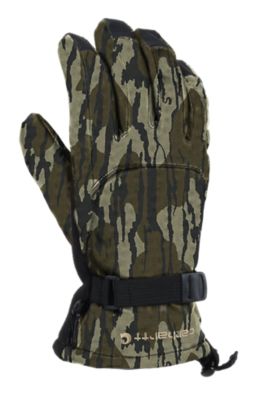
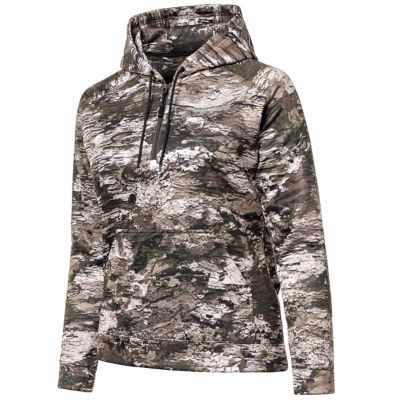
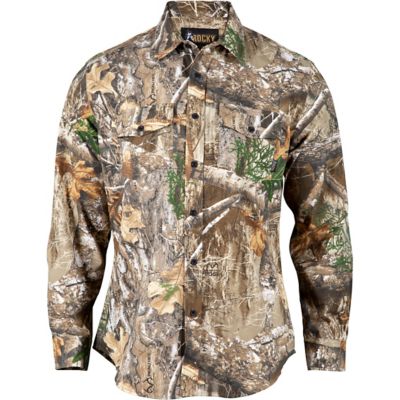
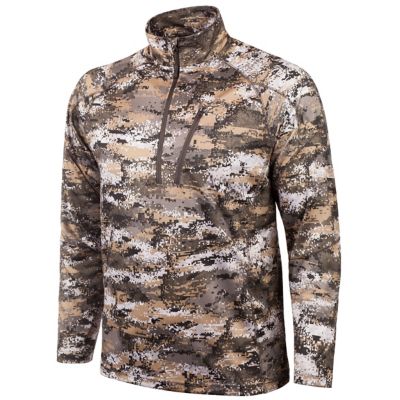
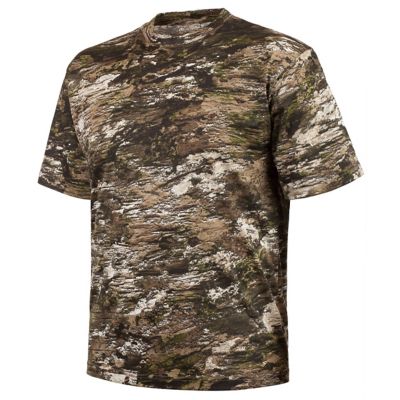
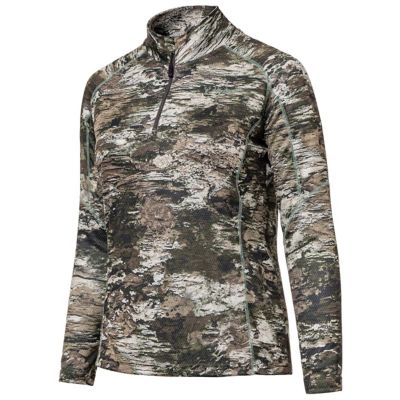
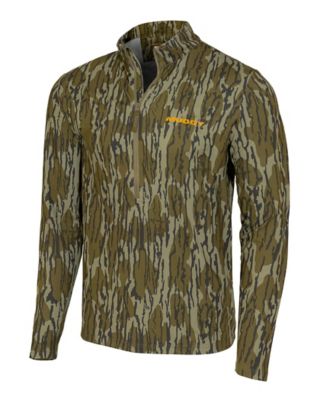
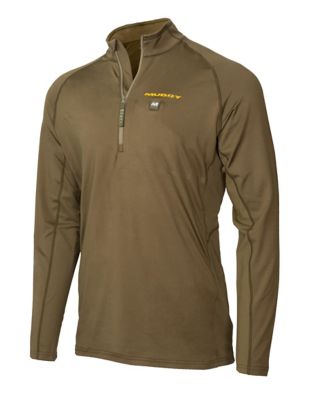
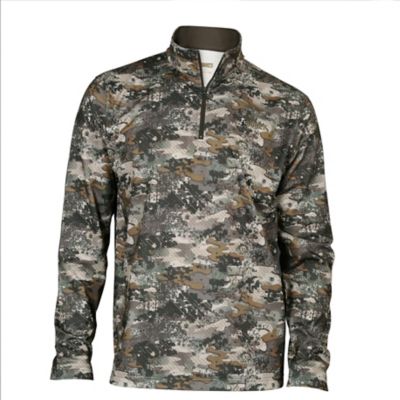
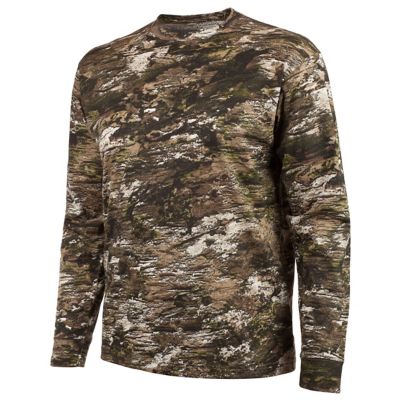
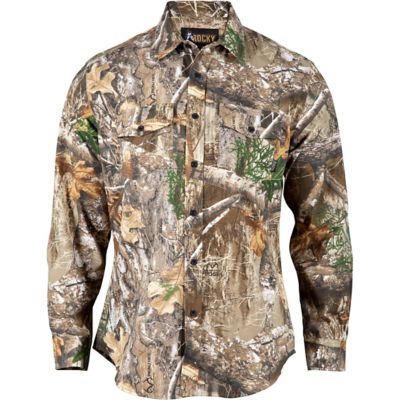
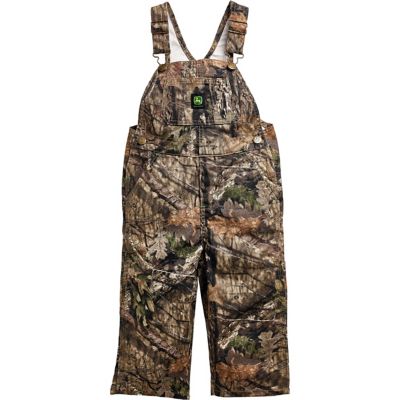
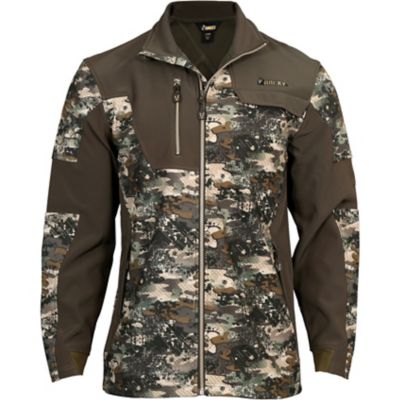
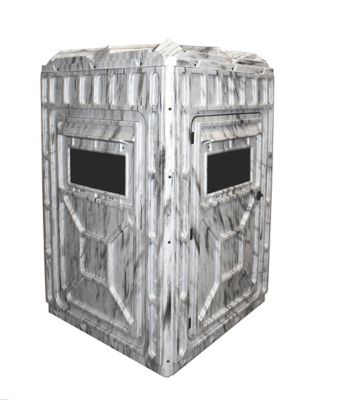
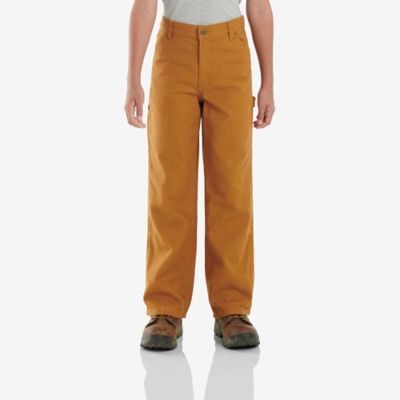
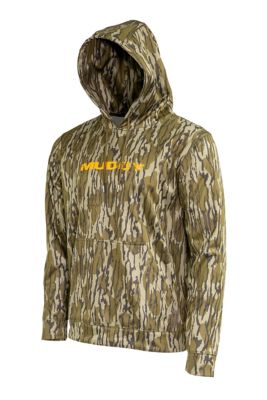
Camo hunting clothes bring together concealment, comfort, and freedom to move, whether the day starts along a brushy fence line or deep in a stand of hardwoods. The right combination depends on the country, the weather, and how much walking sits between the truck and the hunting spot. Woodland camouflage often blends leaf, limb, and bark shapes, while patterns suited to open ground tend to feature broader shapes and lighter earth tones. Marsh settings call for colors that work against reeds, grasses, and muddy banks. A pattern that blends into dark timber may stand out against pale, dry grass, so the background matters as much as the print itself. Camouflage helps break up a hunter’s outline, but it does not replace careful movement, good positioning, or attention to wind direction. Clothing also has to suit the pace of the hunt. Covering rolling pasture or climbing a ridge builds heat quickly; sitting still before daylight calls for more warmth and protection from a steady breeze. Lightweight camo hunting clothing makes sense for active stretches and milder conditions, while insulated layers serve a different purpose when temperatures drop and movement slows. During the cooler months, a flexible mix of layers can handle a chilly start, a warmer walk, and a long sit without forcing one garment to do every job. Fit deserves just as much attention as pattern. Enough room through the shoulders, seat, and knees allows for stepping over a fallen limb, kneeling beside a trail, or settling into a seated position. Excess fabric can bunch beneath straps or brush against equipment, while a tight fit can restrict movement once extra layers go underneath. Camo hunting apparel should feel comfortable in the positions a hunter actually holds, not just while standing in front of a mirror. For bowhunters especially, a smooth-fitting forearm and unrestricted shoulder movement help keep clothing out of the way during a draw.
Fabric construction makes a noticeable difference when the woods are quiet and the weather turns. Brushed surfaces and soft fleece can reduce the swishing sound of sleeves rubbing against the body, a useful detail when game is close. Heavier woven fabrics may offer better resistance to scrapes from brush, though noise, weight, and flexibility vary by construction. Reinforced knees, sturdy seams, and secure pocket stitching help clothing stand up to kneeling on rough ground and repeated trips through cover. Synthetic fabrics often dry faster than cotton and can move moisture away from the skin, making them practical for hunters who work up a sweat on the way in. Merino wool can help manage moisture and temperature across changing activity levels. Cotton can feel comfortable in mild, dry conditions, but it holds moisture and loses much of its insulating value when wet, making it a less suitable choice for cold, damp hunts. Insulation adds warmth for long periods of sitting, while breathable construction helps release heat during a climb or a steady walk. Wind-resistant fabric can take the edge off an exposed field crossing, but water resistance and waterproof protection are not interchangeable. A water-repellent finish helps shed light moisture; extended rain calls for clothing designed for waterproof protection, with attention to seam sealing and closures. Soft, quiet fabric may be the priority for close-range hunting, while stronger weather protection may matter more during a wet, windy sit. Useful details include pockets that remain reachable while seated, cuffs that close neatly over layers, and hems that stay in place when bending. Hoods need enough room to turn the head without blocking peripheral vision or hearing. Zipper pulls that are manageable with cold fingers can save a lot of fumbling before sunrise. Scent-control treatments may help limit certain odors in fabric, but they do not make a hunter undetectable or take the place of sound field habits. The most practical features are the ones that match the terrain and routine, rather than adding weight or extra fuss.
A well-fitting set of camo hunting clothes works as a system, with each layer leaving enough space for the next without turning every movement into a tug at a cuff or waistband. Measurements and garment size charts give a better starting point than assuming every fit runs the same. Hunters who spend hours seated may appreciate a little more room through the thighs and a waistband that stays comfortable beneath their gear. Those who cover ground on foot may prefer a closer fit with stretch in key areas. When comparing fits and layering options,
Men's Camo Clothing is another place to explore camouflage apparel for time outdoors. For a gift, knowing the recipient’s usual size, hunting terrain, and preference for walking or sitting is more helpful than choosing a pattern on looks alone. Clothing for someone who hunts sheltered woods has a different job from clothing for someone facing wind across an open field. Care also affects how well hunting apparel performs over time. Follow the care label, close fasteners before washing, and avoid fabric softeners when the manufacturer advises against them, since residue can interfere with moisture management or water-repellent finishes. Fragrance-free detergent can help keep added perfume out of hunting layers. Mud and burrs are easier to deal with before they settle into seams and pocket corners, and clothing should be fully dry before storage. Waterproof and water-repellent garments may need specific cleaning or treatment to maintain their performance, so the garment’s instructions matter more than a general laundry routine. Check seams, closures, and high-wear areas between outings to catch small problems before the next trip. Camouflage is only one part of getting dressed for the field: required hunter-orange clothing must remain visible according to local regulations, and layers should not interfere with the proper fit or operation of a tree-stand safety harness. Comfortable, well-maintained hunting clothes leave more attention for the trail underfoot, the changing wind, and the woods ahead.