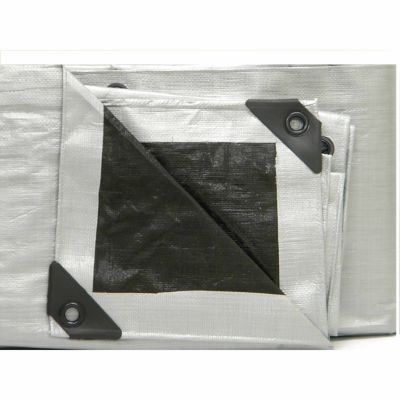
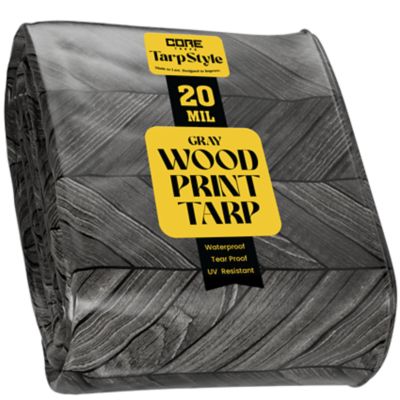
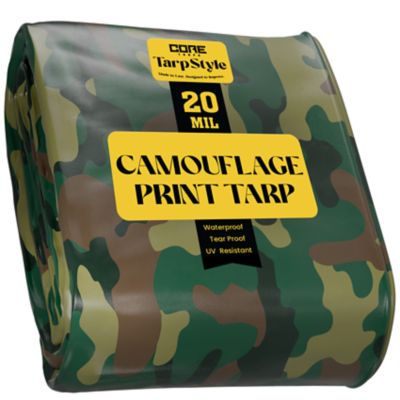
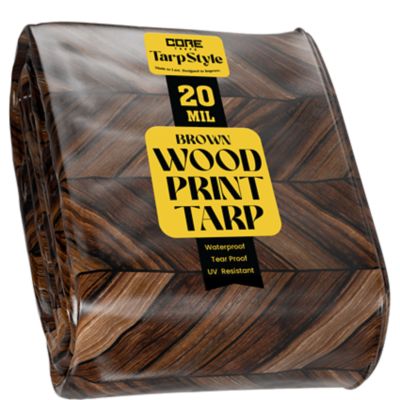
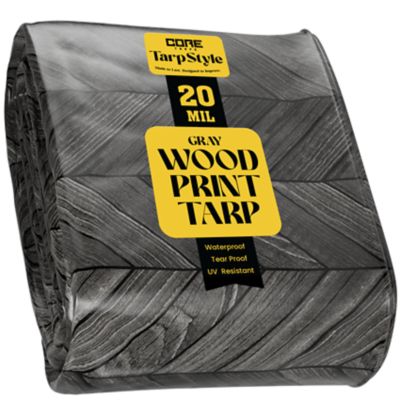
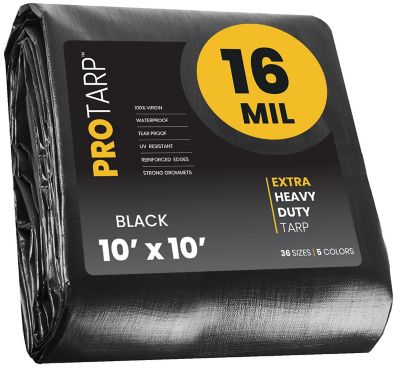
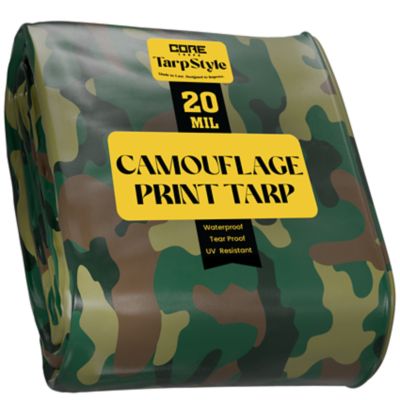
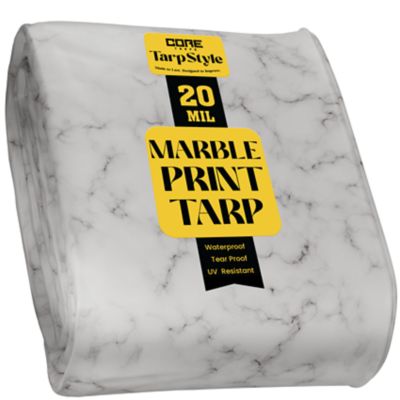
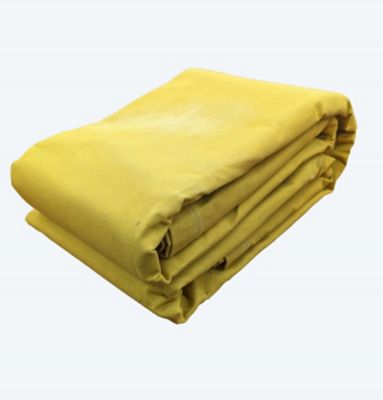
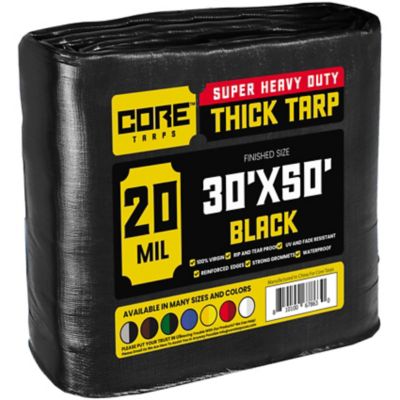
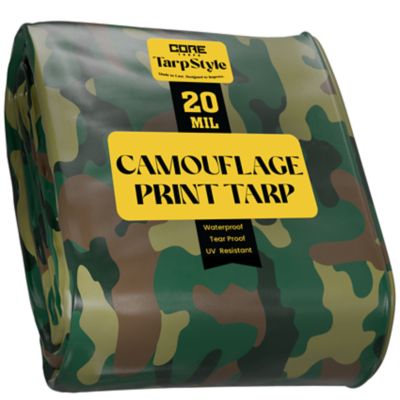
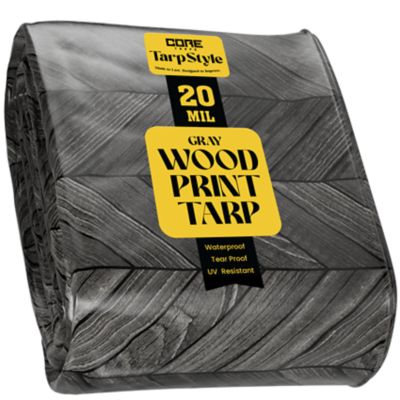
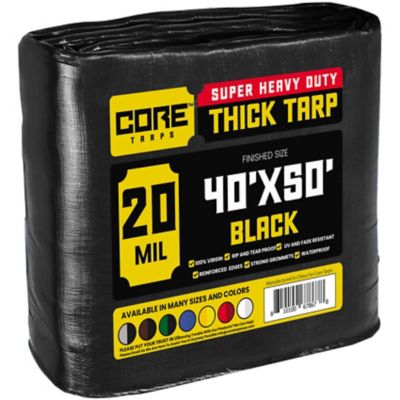
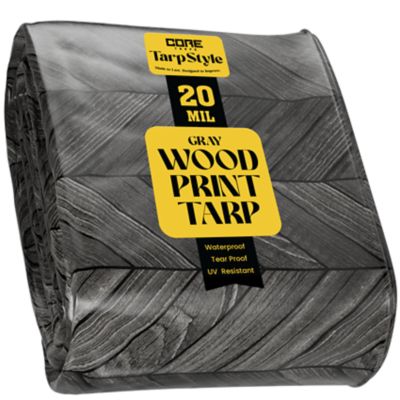
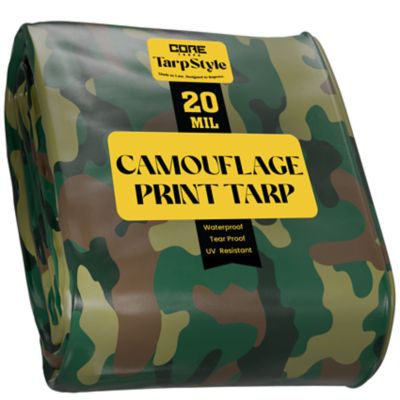
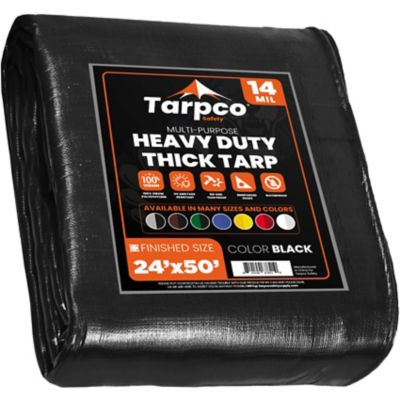
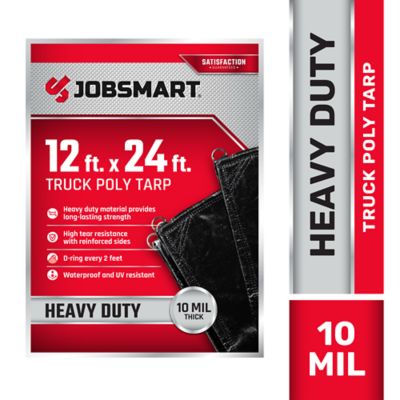
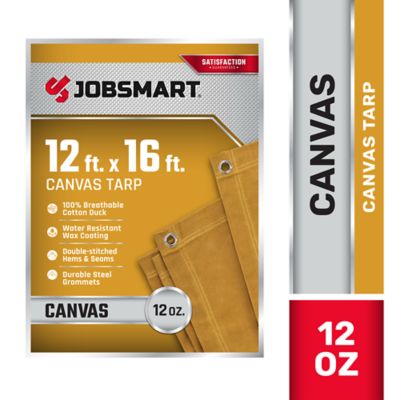
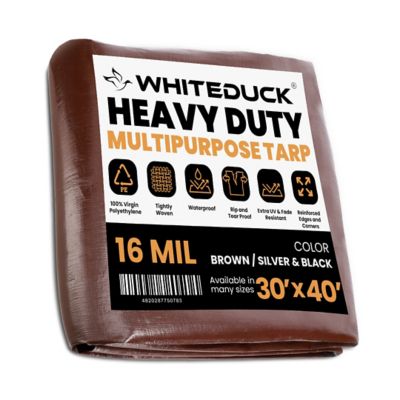
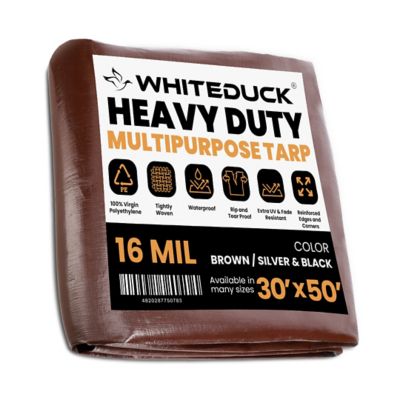
Super heavy duty tarps are made for jobs that call for more than a basic cover. When a tarp will be pulled across rough ground, tied down in strong wind, exposed to rain for weeks, or used to protect valuable equipment, a heavier construction can make a real difference. These tarps are commonly made from tightly woven polyethylene or thick PVC-coated vinyl, with waterproof layers that help keep moisture out and reinforced edges that stand up better to repeated handling. Polyethylene tarps are often a practical choice when you need a tough cover that is easier to move, while heavy vinyl tarps offer a thicker, more commercial-grade option for demanding agricultural, construction, transport, and storage work. Material thickness may be listed in mils for polyethylene or ounces per square yard for vinyl; in general, a higher rating means more heft, strength, and resistance to punctures, though it also means the tarp may take more effort to fold, carry, and secure. Heavy-duty waterproof construction is especially helpful when covering hay, lumber, firewood, landscaping materials, machinery, trailers, boats, or outdoor work areas during changing weather. For additional options in this category, browse
Heavy Duty Waterproof Tarps to compare covers suited for different sizes and outdoor jobs. A good tarp should match the work instead of simply being the biggest or thickest one available. Measure the length, width, and height of what you plan to cover, then allow enough material to hang down the sides for fastening without stretching the tarp tight over sharp corners. A cover that is too small can leave gaps and put excess strain on the grommets, while one that is much too large may collect water, flap in the wind, or become difficult to handle safely.
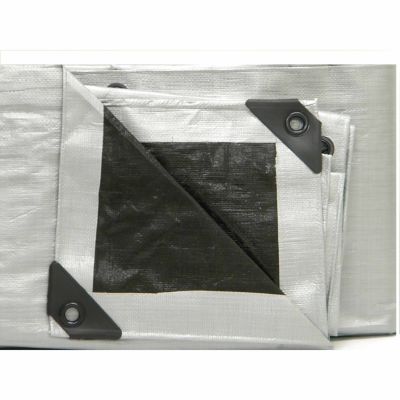
Look for features that help a tarp hold up through real farm and property work. Reinforced hems add strength along the edges, where tie-down pressure is greatest, and closely spaced grommets give you more places to secure the cover. Rust-resistant grommets are useful when the tarp will spend time outside in damp conditions, while UV treatment helps slow the damage caused by repeated sun exposure. A woven, coated surface can provide a helpful balance of flexibility and toughness, and a thicker vinyl construction may be worth considering for repeated use around construction sites, commercial vehicles, or heavy equipment. Keep in mind that even the strongest tarp works best when it is installed with care. Use rope, straps, bungee cords, or other suitable tie-downs through the grommets rather than pulling directly on the fabric with a sharp hook. Pad rough edges and corners with old blankets, foam, or a piece of cardboard so they do not rub through the cover. Leave some room for air to move beneath the tarp when covering equipment, especially if the item is damp, because trapped condensation can encourage rust, mildew, or musty odors. When covering a truck bed, trailer, or lumber stack, create a slight slope so rain can run off instead of settling in a heavy pocket. For roof patching or emergency storm protection, a super heavy duty tarp can help limit water intrusion until proper repairs are made, but it should be secured safely and should not be treated as a permanent roofing material. On a farm, one tarp may serve several purposes over the years: shielding a tractor from a hard shower, covering feed or bedding, creating a temporary windbreak, or protecting a stack of materials from sun and rain. Cleaning off dirt, letting the tarp dry before folding, and storing it away from rodents, chemicals, and standing water can help extend its useful life.
These covers are useful for farmers, ranchers, contractors, landscapers, haulers, campground hosts, homesteaders, and anyone responsible for property that spends time outdoors. During the warmer part of the year, they can help protect equipment and supplies from intense sun, sudden thunderstorms, and dusty work conditions. As the weather turns cooler, they are handy for covering firewood, seasonal equipment, outdoor furniture, trailers, lumber, and other items that need a little extra protection from wind and wet weather. A super heavy duty tarp can also make a practical gift for a new landowner, a neighbor setting up a workshop, a friend who hauls equipment, or a family member who spends weekends fixing up barns, fences, and outbuildings. It is the kind of useful present that often earns its keep long after the wrapping is gone, especially when the first unexpected storm rolls across the property. Before choosing a size, think about whether the tarp will be used as a flat cover, a draped enclosure, a ground sheet, or a temporary shelter, since each use may call for a different amount of extra material. Consider how often it will be moved, whether one person needs to handle it, and how much wind the location receives. A smaller, easier-to-manage tarp may be the better choice for regular equipment access, while a larger and heavier cover may suit a hay stack, commercial load, or long-term storage area. Always secure all sides, check tie-downs after strong weather, and avoid placing the cover where it can contact hot exhaust, open flames, energized wiring, or sharp metal. With the right material, size, fastening method, and care, a super heavy duty tarp becomes a dependable part of the tool pile—ready to help keep work, supplies, and hard-earned equipment covered when the outdoors does its worst.