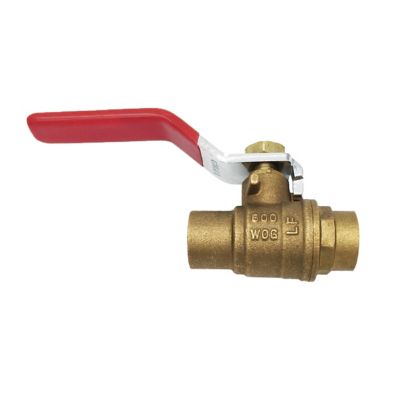
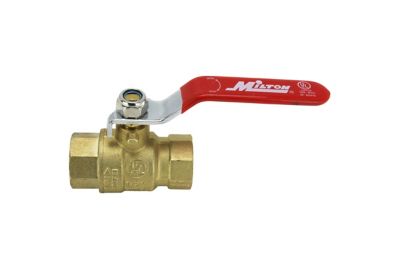
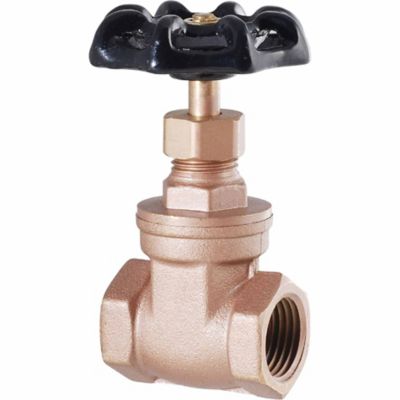
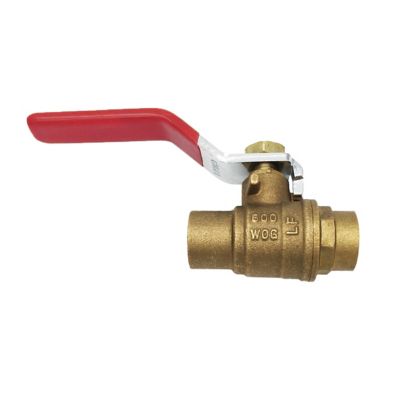
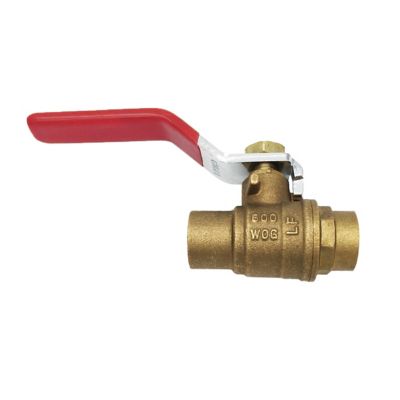
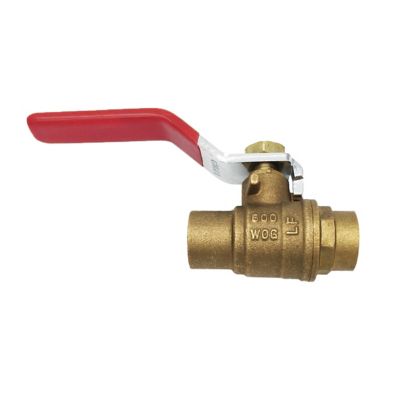
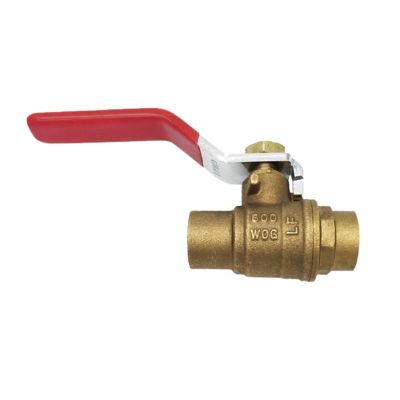
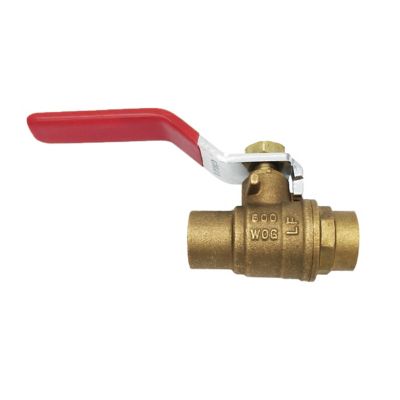
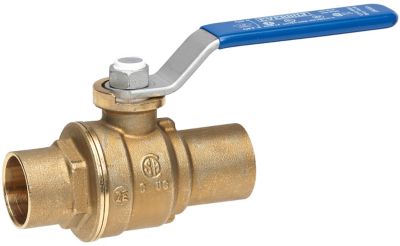
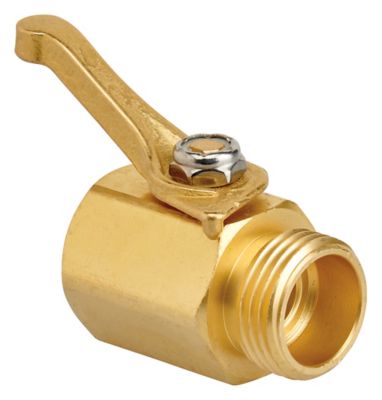
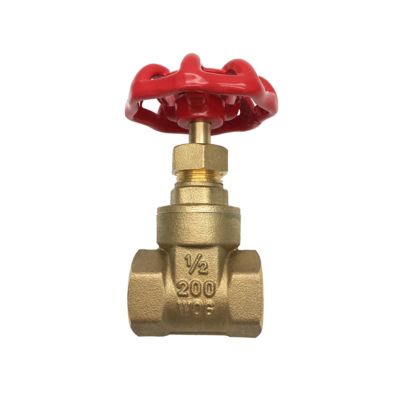
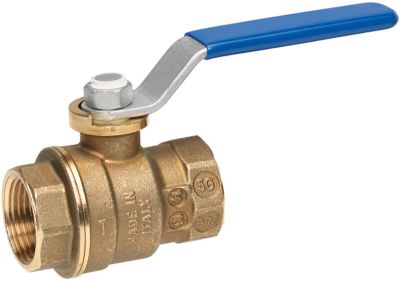
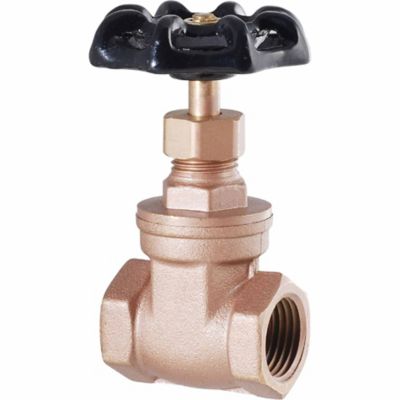
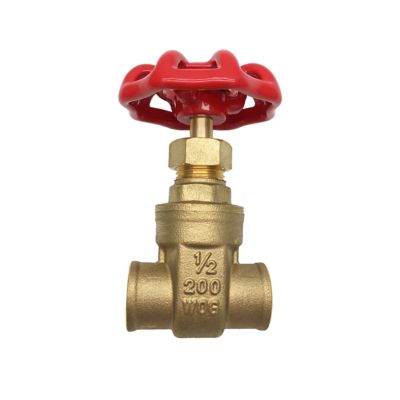
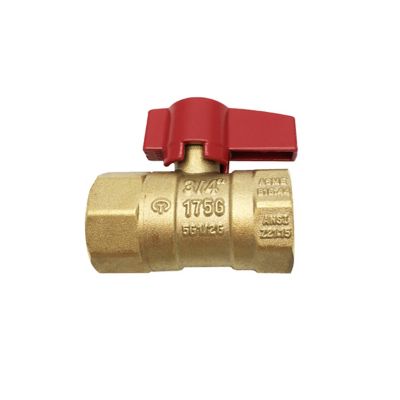
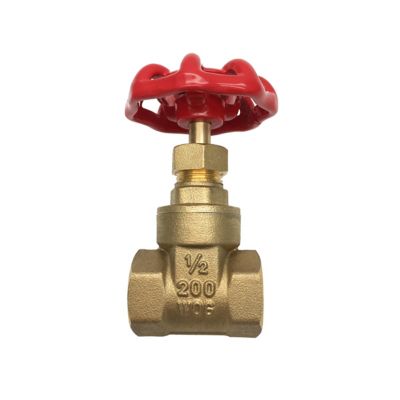
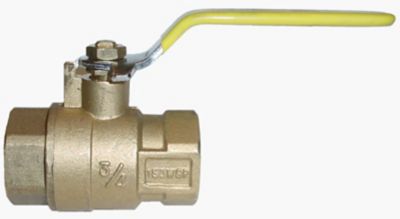
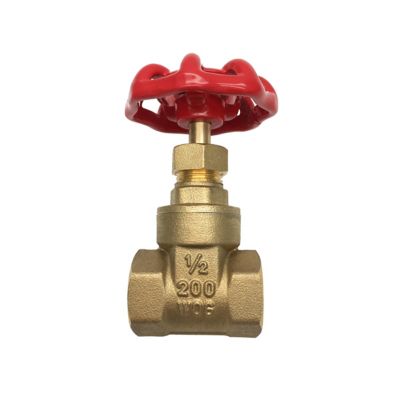
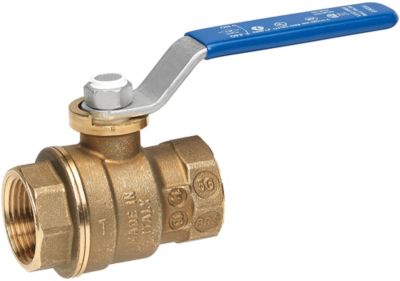
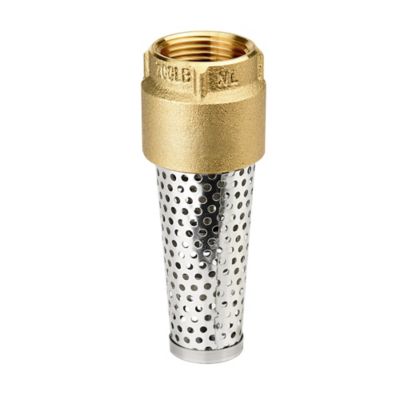
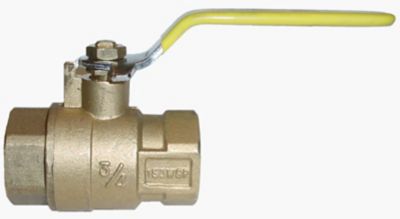
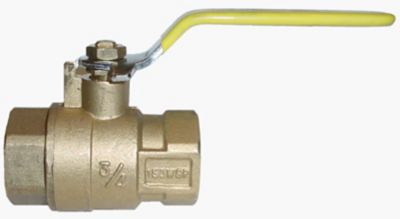
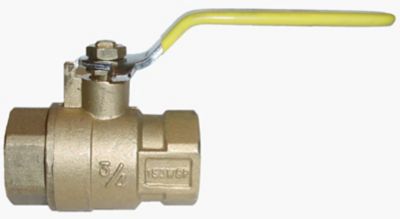
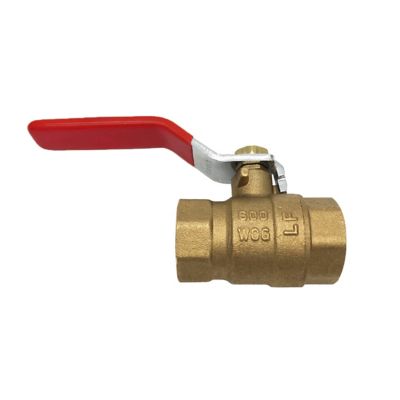
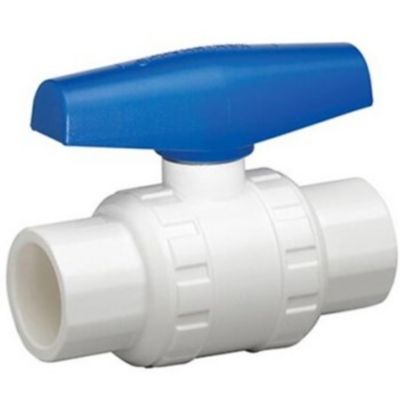
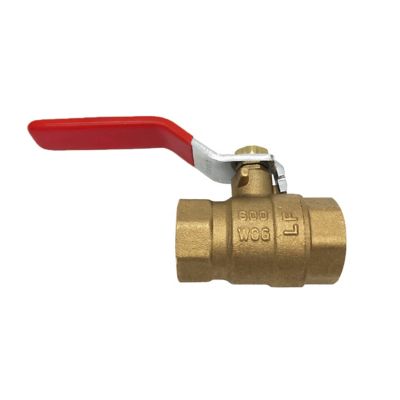
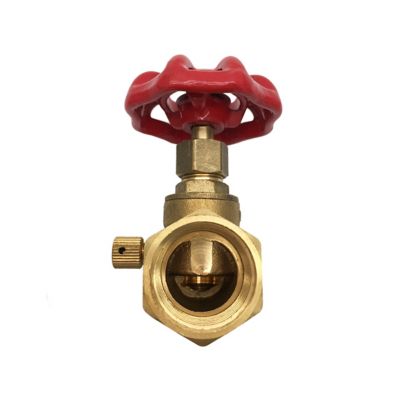
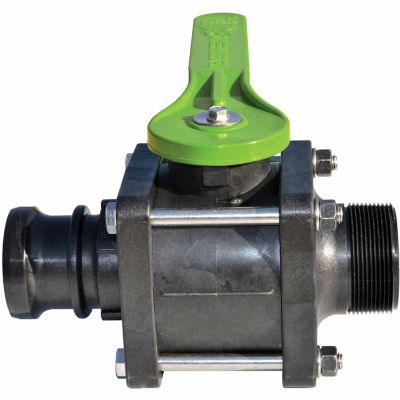
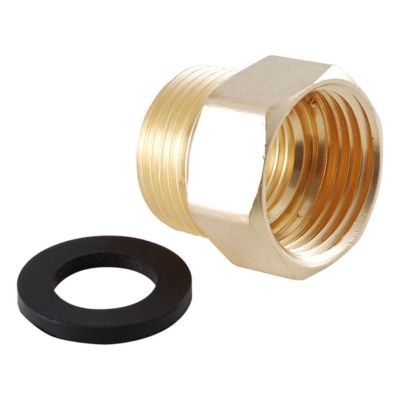
Brass valves help manage the flow of water, air, gas and other approved fluids through piping, making them a practical part of plumbing, irrigation, livestock watering, shop air and farm maintenance systems. Built with a brass body and carefully fitted internal parts, these valves can stop flow, start it again or direct it where it needs to go. A ball valve is a handy choice when you want a quick quarter-turn shutoff, such as isolating a hose line before working on a pump or closing off a branch of a water system during the cooler months. Gate valves open and close by raising or lowering an internal gate, making them suited to lines that are opened or shut less often. Check valves allow flow in one direction while helping prevent backflow, which can be important around pumps, tanks and irrigation equipment. Relief valves serve a different purpose by releasing pressure when it rises beyond a set point; browse
Brass Relief Valves when pressure protection is part of the job. Whether you are tending a small acreage, maintaining a barn, setting up a garden watering line or keeping shop plumbing in good shape, the right brass valve can make routine shutoffs and system checks easier to manage.
Start by identifying exactly what will pass through the valve. Water for a sink, stock tank or garden line may call for a valve approved for potable water, while fuel, oil, compressed air and natural gas require parts specifically rated for those services. Lead-free brass valves contain very little lead and are required for drinking water lines in many applications, so check the applicable requirements before installing a valve on a line that supplies people or animals. Brass valves made with lead may be suitable for gas, oil or outdoor irrigation when the product is rated for that service, but they should not be placed on drinking water lines. Next, match the valve to the pipe size. Pipe measurements can be confusing because a nominal pipe size does not always match the outside diameter, and older farm plumbing may include adapters or fittings that change the connection. Look for the size marked on the existing pipe or fitting, then confirm the valve’s inlet and outlet dimensions before heading to the supply counter. Connection style matters, too: threaded ends screw onto matching fittings, sweat connections are soldered to copper pipe, and push-fit connections are designed to join compatible pipe with the proper preparation. A mismatch can lead to leaks, extra adapters or a long afternoon spent taking apart work that seemed simple at first.
Think about the way the valve will be operated and the conditions around it. A lever handle on a ball valve is easy to see and turn when you need a fast shutoff, even if the line is tucked beneath a workbench or beside a water trough. A wheel handle on a gate valve may fit better where space is limited above the pipe, though gate valves are generally intended for fully open or fully closed service rather than fine flow adjustment. Check the pressure and temperature ratings, along with the materials inside the valve, before putting it into service. If the line carries gas, follow local rules and choose a valve marked for that fuel; gas work may also require a licensed professional. Shut off the supply and relieve pressure before removing an old valve, keep pipe threads clean, and apply an approved thread sealant when the connection calls for one. After installation, open the supply slowly and inspect each joint for drips, hissing or signs of stress. On a rural property, a small leak can hide behind a bale of hay or freeze inside an exposed line when the weather turns cold, so leave access around shutoff points and protect outdoor plumbing from freezing conditions. Brass valves fit many repair and maintenance tasks, but the best choice always comes from matching the valve type, connection, material and ratings to the exact line in front of you.