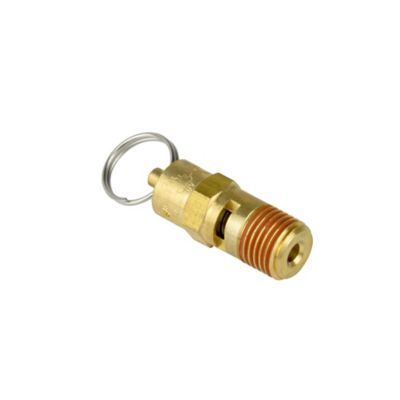
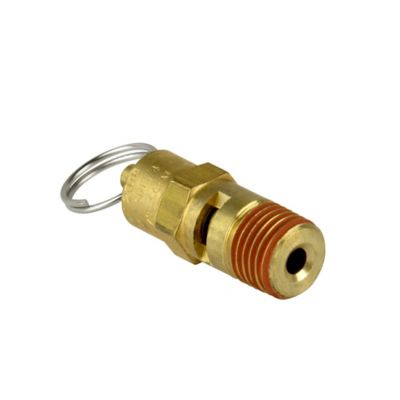
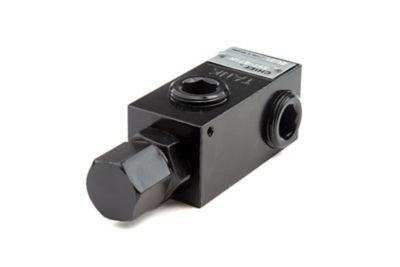
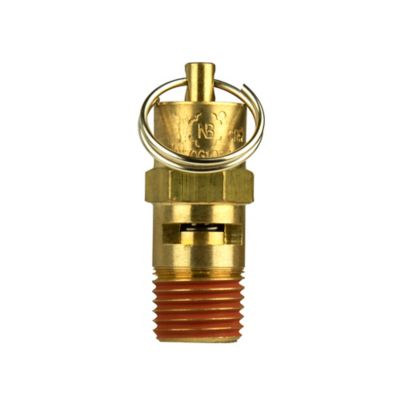
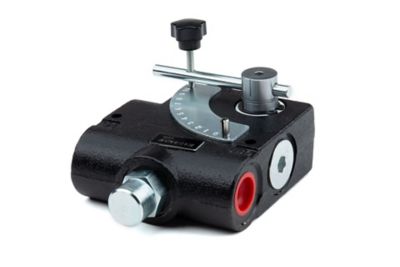
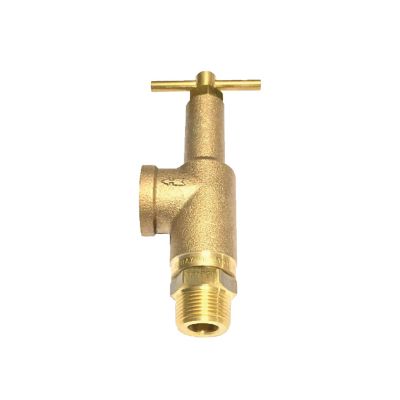
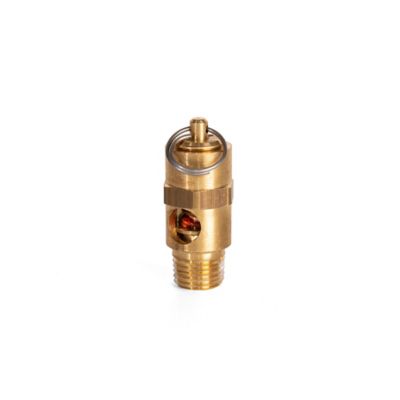
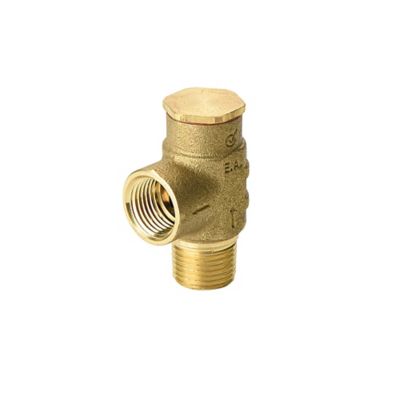
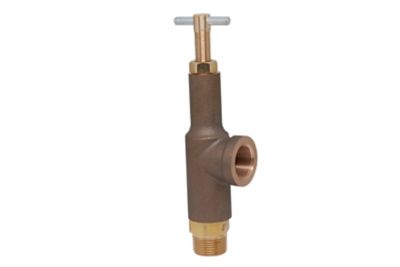
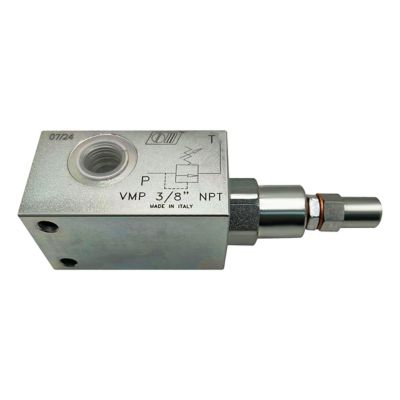
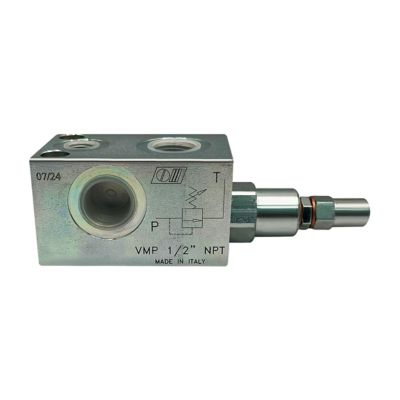
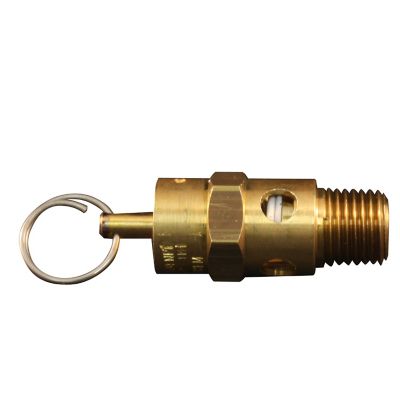
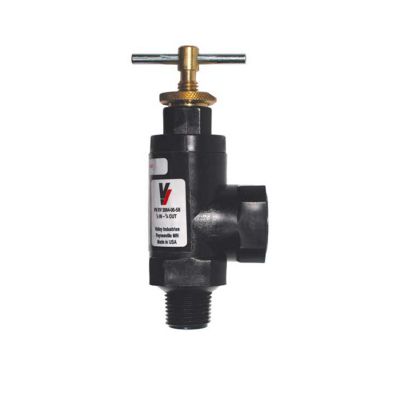
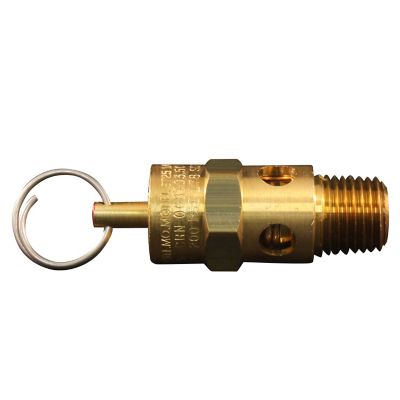
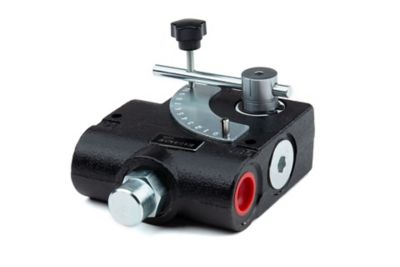
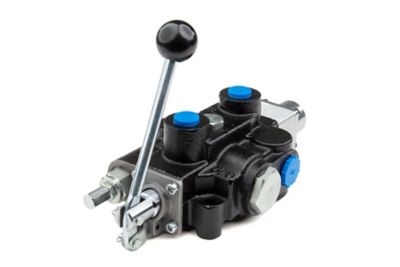
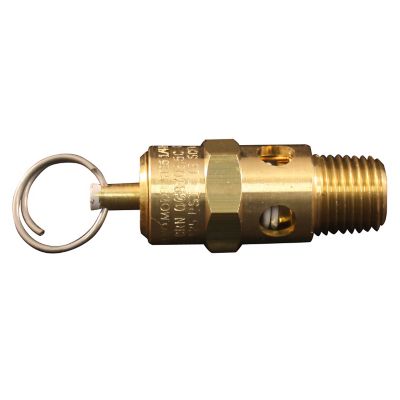
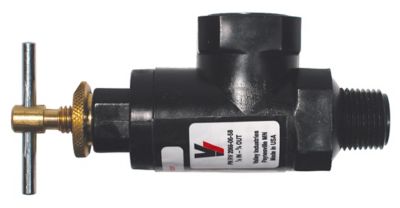
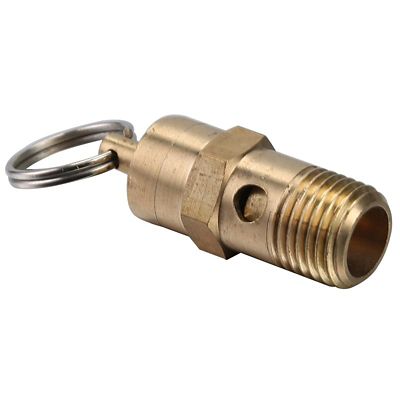
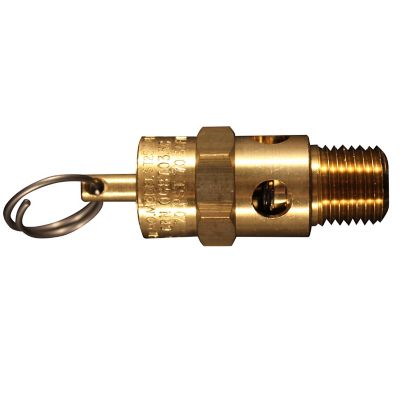
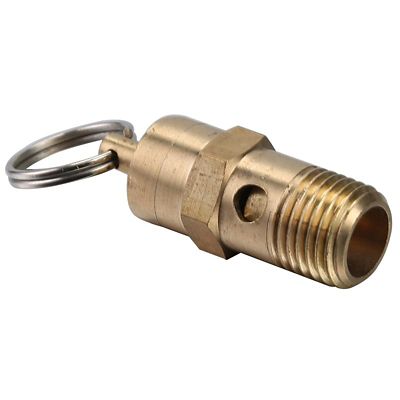
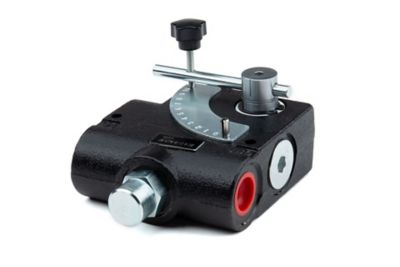
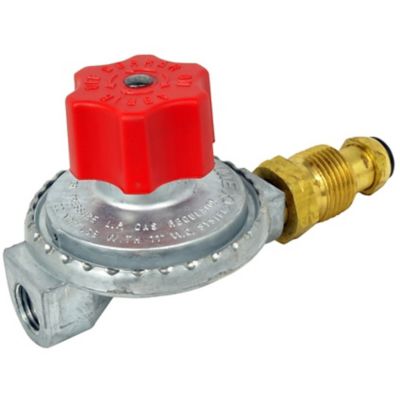
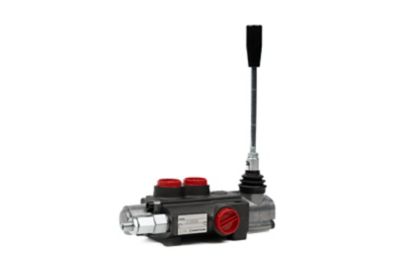
Pressure valves help keep water, air, fuel, hydraulic fluid, and other liquids or gases moving at a safe, useful pressure inside a system. They are found in farm equipment, livestock watering setups, irrigation lines, air compressors, sprayers, pressure washers, plumbing systems, shop tools, and many other setups around the homestead, barn, garage, or worksite. The right valve can protect pumps, tanks, hoses, gauges, fixtures, and other downstream parts from pressure that runs too high or changes from one moment to the next. A pressure relief valve normally stays closed during regular operation and opens when pressure reaches its set limit, giving excess fluid or gas a way out before it damages equipment. A pressure reducing valve lowers a higher incoming pressure to a safer, steadier level for the parts that follow it. A pressure control valve manages system pressure as flow and workload change, helping equipment run more consistently. While these valve types all deal with pressure, they are not interchangeable, so matching the valve to the job matters. A well-chosen valve can make the difference between a system that quietly does its work and one that rattles, leaks, strains, or shuts down at the worst possible time. Anyone who has listened to a pump cycle too often or watched a hose jump when a valve opens knows how quickly pressure problems can turn into worn parts and a messy cleanup.
When shopping pressure valves, start by identifying the system they will serve and the kind of pressure control it needs. Water lines, compressed air systems, hydraulic circuits, fuel equipment, and chemical-handling applications may require different valve designs and materials. Check the working pressure range, maximum pressure rating, temperature range, flow capacity, and connection size before making a selection. The valve’s inlet and outlet connection must match the pipe, hose, fitting, or manifold, including thread type and gender. A valve intended for a low-pressure water line should not be used in a high-pressure hydraulic application simply because the fittings look similar. Material is important, too. Brass, stainless steel, steel, plastic, and specialty seals each have different strengths when exposed to moisture, heat, vibration, oils, fuels, or corrosive fluids. Look for a pressure setting that suits the equipment manufacturer’s requirements, and pay attention to whether the setting is fixed or adjustable. An adjustable model can be useful when one setup serves more than one task, while a fixed setting may offer straightforward operation in a dedicated system. Flow direction markings on the body should line up with the direction of travel through the pipe, and any gauge ports or adjustment features should remain accessible for inspection. For more options intended to help manage changing system demands, browse
Pressure Control Valves. It is also worth considering the surrounding parts: a pressure valve works as part of a system, not as a stand-alone cure for an undersized pump, clogged filter, damaged hose, or incorrectly sized line. A valve that is too small may restrict flow and create unwanted pressure drop, while one that is too large may not respond as intended at low flow. Product specifications, equipment manuals, and the advice of a qualified technician can help narrow the choice when the application is unusual or the pressure rating is critical.
Pressure valves are useful for homeowners, farmers, ranchers, maintenance crews, mechanics, contractors, and do-it-yourselfers who need dependable control over equipment and utility systems. They may be installed on an irrigation line to protect fittings when a pump starts, on a livestock watering system to keep supply pressure manageable, or on a compressor line to protect tools and hoses from excessive air pressure. In a hydraulic application, proper pressure control helps support safe operation of loaders, log splitters, lifts, and other equipment, but hydraulic energy can remain dangerous even after a machine is turned off. Always follow the equipment manual, shut down the power source, relieve stored pressure, and wear suitable eye and hand protection before servicing a valve. Never block, cap, or bypass a relief valve, and never raise an adjustable setting beyond the safe limit of the system. Installation should be clean and secure, with compatible sealant used only where appropriate and with no tape or debris allowed to enter the flow path. After installation, inspect connections for leaks, bring pressure up gradually, and watch the gauge and nearby fittings while the system operates. During the cooler months, exposed water lines and valves deserve extra attention because freezing fluid can expand and crack housings, seals, and connected pipes; draining, insulating, or protecting vulnerable sections can prevent a small repair from becoming a long interruption. Regular checks for corrosion, mineral buildup, damaged springs, stiff adjustment knobs, leaking vents, and pressure readings that drift from normal can help catch trouble early. A pressure valve is a small component, but it often protects the larger investment around it. With the right pressure range, connection, material, and valve function, it can help keep chores moving steadily from the pump shed to the barn, from the shop compressor to the tool at hand, and from one season of hard work to the next.