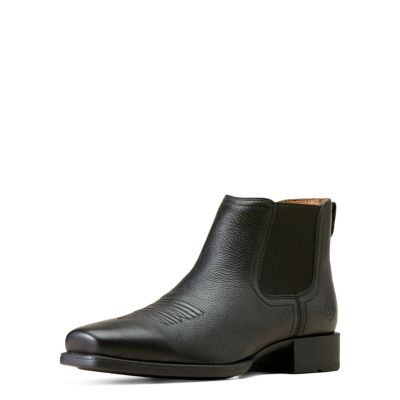
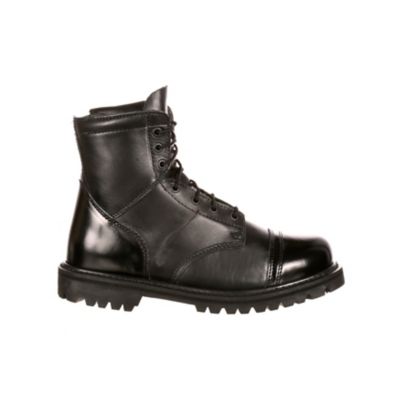
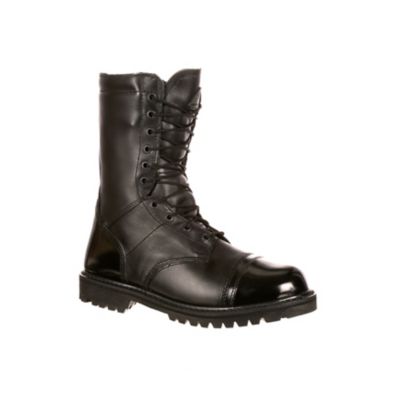
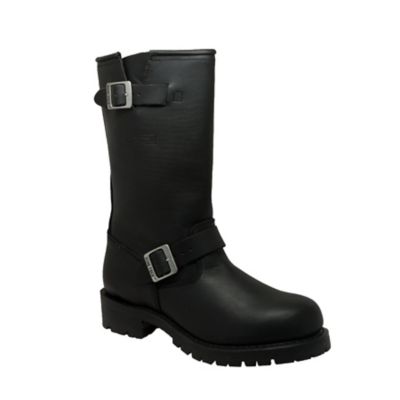
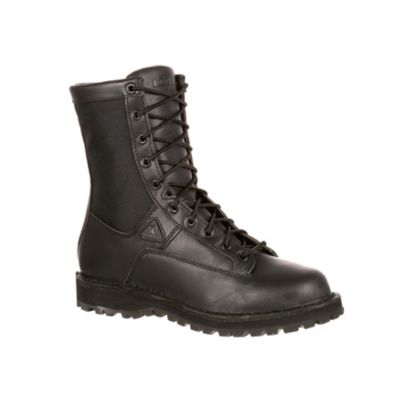
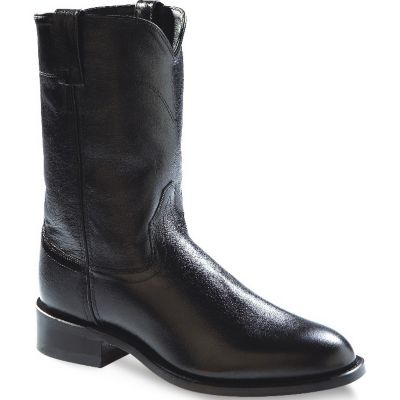
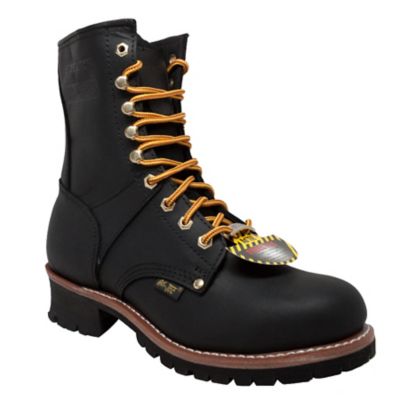
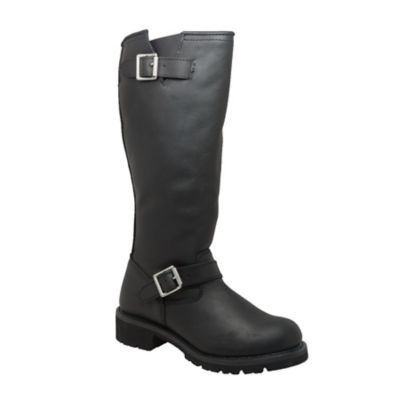
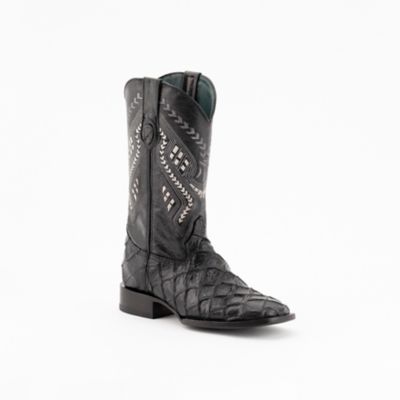
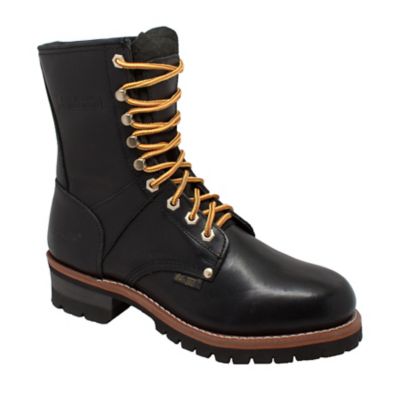
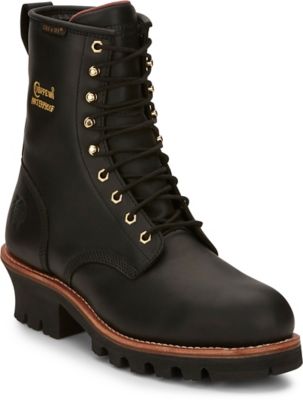
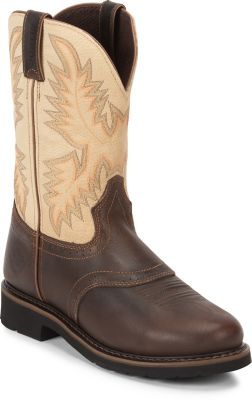
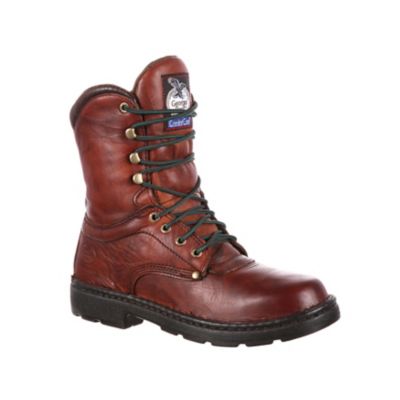
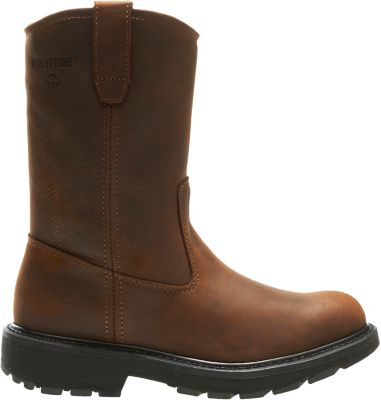
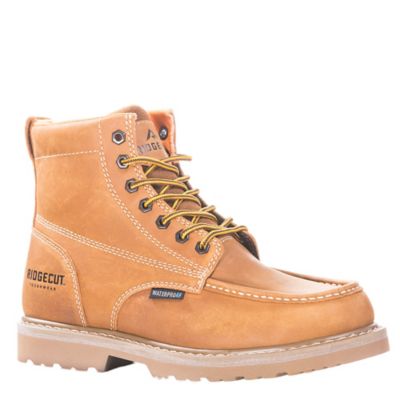
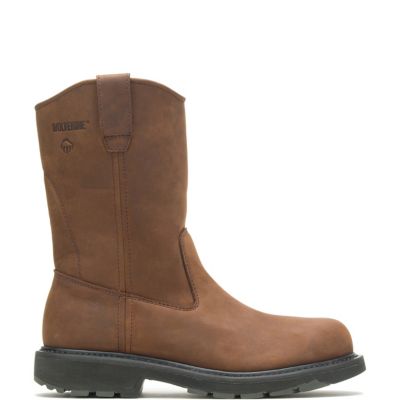
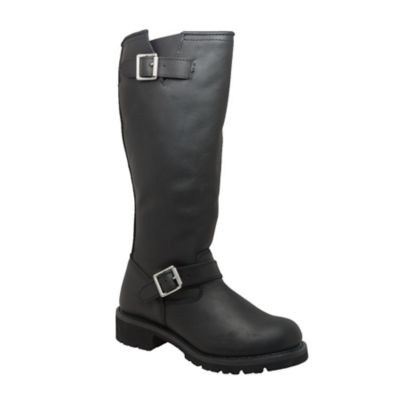
Black leather boots for men cover a broad range of styles, from lace-up work boots and pull-on western boots to Chelsea boots and dressier ankle boots. What ties them together is a leather upper and a black finish that works with denim, work pants and dress trousers without much fuss. The right shape depends on where the day takes you. A lace-up design lets you adjust the hold across the instep and ankle, which can be helpful when walking property lines, handling chores or spending hours on your feet. Chelsea boots have elastic side panels and a pull-on shape that suits everyday wear, trips into town and workplaces where protective footwear is not required. Dress boots tend to have a slimmer profile, less pronounced tread and a finish that pairs well with a button-down shirt or jacket. The taller shafts and western styling of
Mens Black Leather Cowboy Boots bring a different look, with toe shapes and heel heights that affect both fit and feel. For horseback riding, the boot’s heel, sole and fit should suit the stirrup and the activity rather than simply look the part. Leather itself also makes a difference. Full-grain leather retains its natural grain surface and can develop creases and character with wear, while top-grain leather has a refined surface that often gives a more even appearance. Oiled leather generally has a less polished look than smooth finished leather, and each finish calls for its own care routine. A black color does not tell the whole story about performance: the upper, lining, stitching and sole all matter. A pair that looks right with a belt and jeans may serve everyday outings well, while a job around equipment calls for closer attention to protective features. Choosing by intended use keeps appearance and function working together, whether the boots are headed to the shop, the barn aisle or a family gathering.
Fit is one of the biggest differences between boots that feel good all day and boots that stay by the door. Men's black leather boots should hold the foot securely without squeezing the toes or pressing hard across the instep. Try them with the socks that will normally go inside them, and check both feet while standing and walking. Feet can change slightly in volume through the day, so a fitting after several hours on your feet may give a better sense of everyday comfort. Toes need room to move, but extra length is not a substitute for enough width. A pointed or narrow-looking toe can still have room inside, depending on the shape of the boot, so the interior fit matters more than the outline alone. Pull-on boots may allow a little heel movement at first, while lace-up boots offer more adjustment; neither style should cause rubbing, numbness or a struggle to keep the foot in place. Leather can soften with wear, but breaking in a boot will not correct a cramped toe box or the wrong size. Underfoot construction deserves just as much attention. Cushioning can take some of the edge off a long stretch on a concrete shop floor, while a supportive footbed can help the boot feel steadier through repeated walking and standing. Deep tread can provide grip on uneven ground, though it may also carry dirt into a truck cab or house. Shallower tread is easier to brush clean but may suit a different kind of footing. For workplace use, look for the safety markings required by the job. Steel or composite safety toes, electrical hazard protection and slip-resistant outsoles are separate features, not benefits that every leather boot provides. Match the stated ratings to workplace requirements, and remember that slip resistance does not mean a sole cannot slip. Welted or stitched construction may allow resoling in some designs, while other construction methods may not. That distinction, along with sound stitching and a sole suited to the task, can influence how long a pair stays in service.
Regular care helps black leather boots keep their shape, finish and usefulness through repeated wear. Dust from a feed room, grit from a gravel lane and grime from a shop floor can settle along seams and around the welt, so a soft brush or cloth is a good place to start after a full day. Clean away loose dirt before applying leather cleaner, and follow the footwear maker’s directions for the particular finish. A damp cloth may be enough for light marks on smooth leather, but soaking the upper can create more trouble than it solves. If boots get wet during a chore or cleaning, let them dry at room temperature away from direct heat. Pull out removable insoles when the care instructions allow, loosen the laces and give the inside time to dry before the next wear. Leather conditioner can help keep suitable finishes from becoming stiff, but too much can leave residue or alter the appearance. Test a care product in a less visible spot first. Black polish can freshen the appearance of compatible smooth leather, while suede and nubuck need different tools and treatments. Keep polish off tread and areas where it could interfere with grip. Between wears, store boots upright in a dry place, and use boot trees or shaft supports when appropriate to help limit slouching. Check soles, heels and stitching from time to time; uneven wear, loose seams or tread worn smooth can signal that repair or replacement needs attention. These practical details also matter when choosing boots as a gift for a dad, husband, brother or friend. Knowing the recipient’s size is a start, but width, preferred toe shape and everyday activities are just as helpful. A man who spends his day in a workshop may want something quite different from someone who mainly wears boots to dinner or community events. The best match fits his routine, feels right underfoot and suits the clothes he already reaches for.