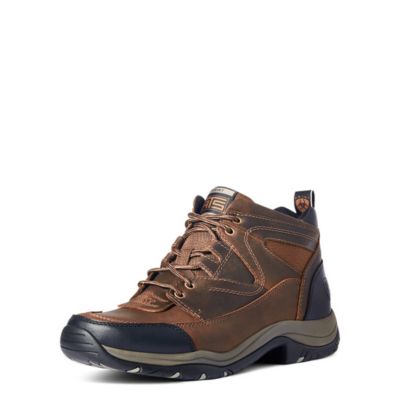
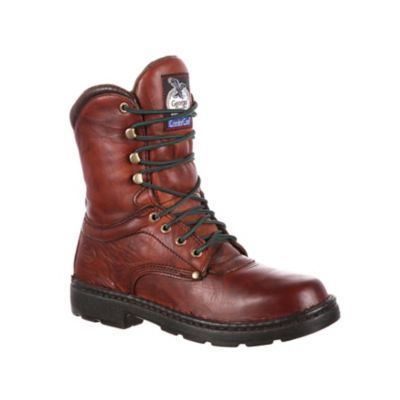
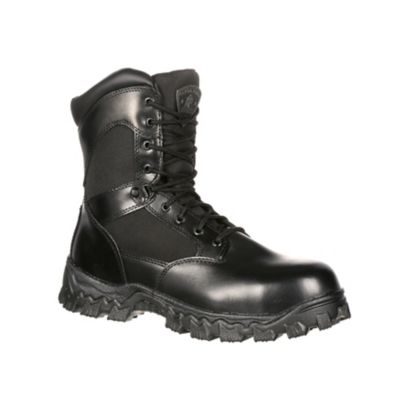
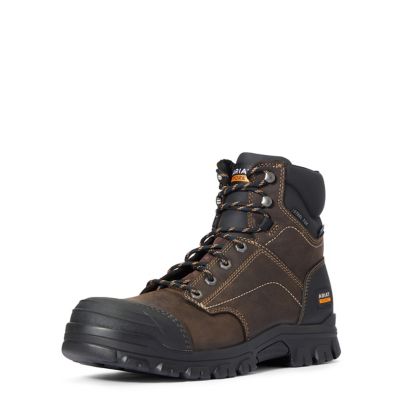
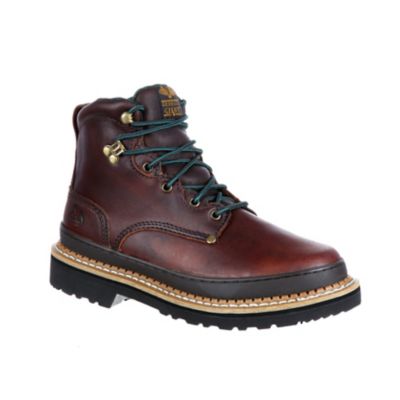
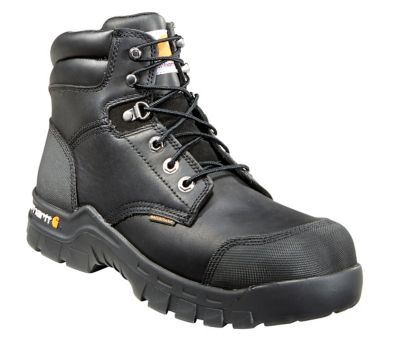
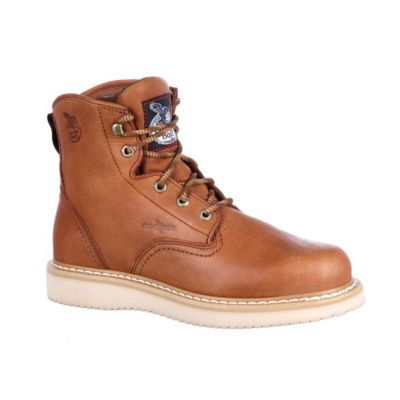
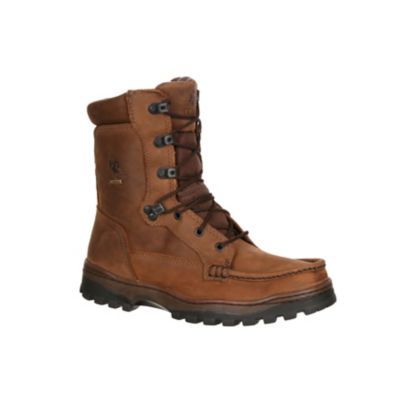
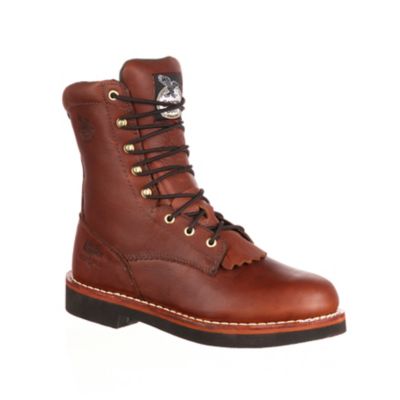
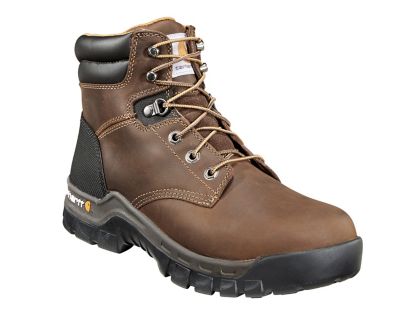
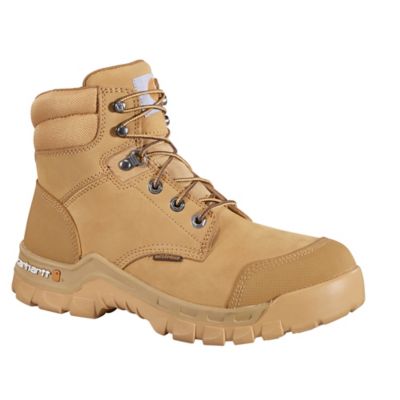
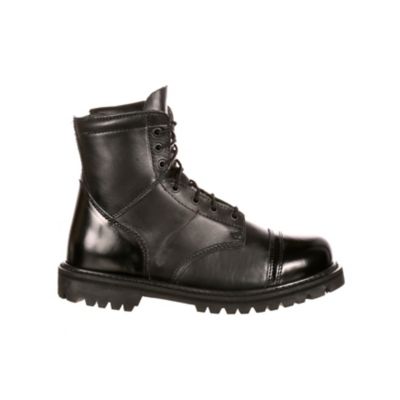
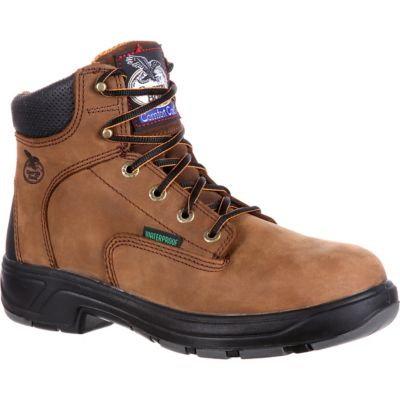
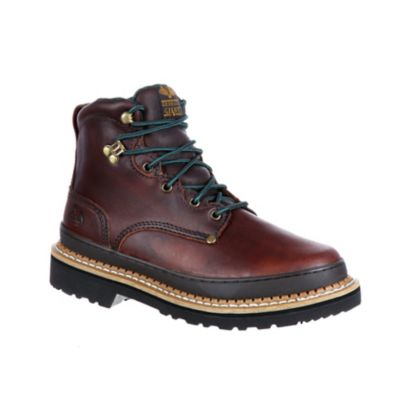
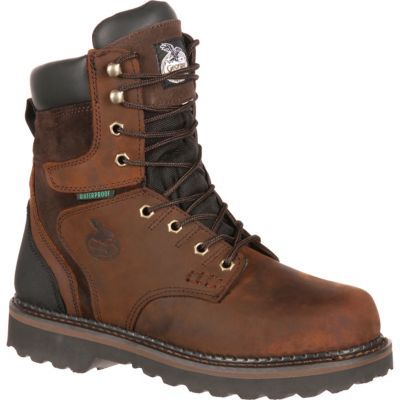
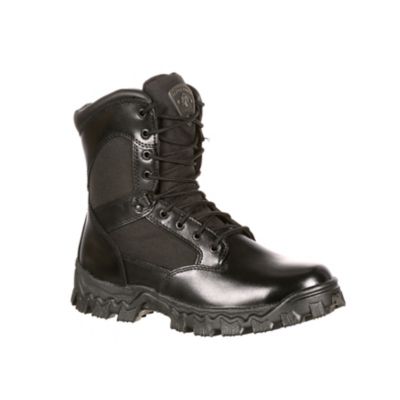
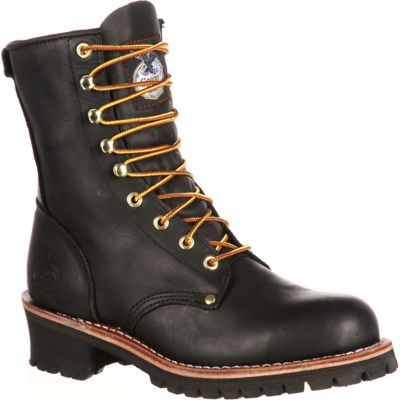
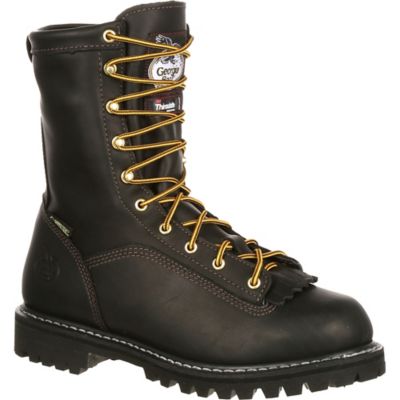
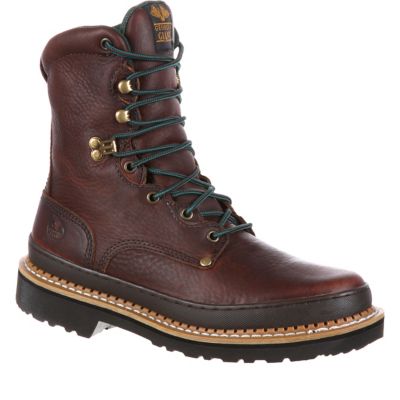
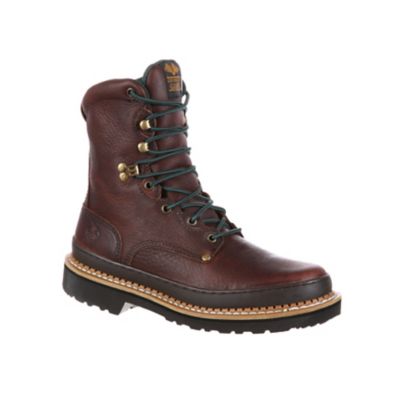
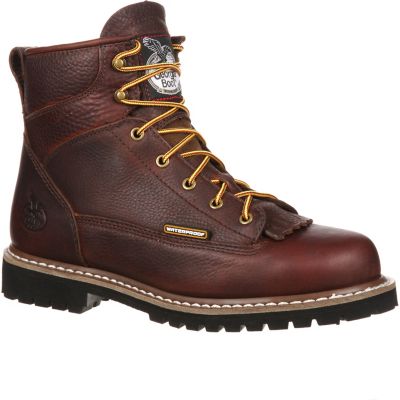
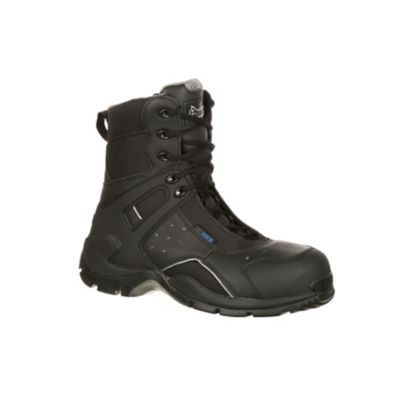
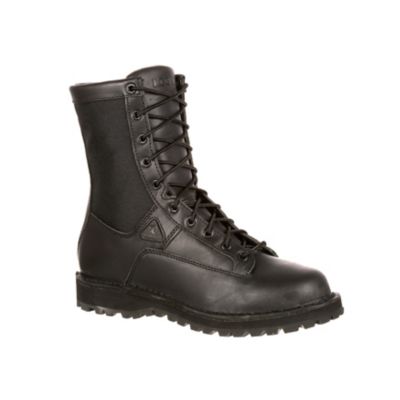
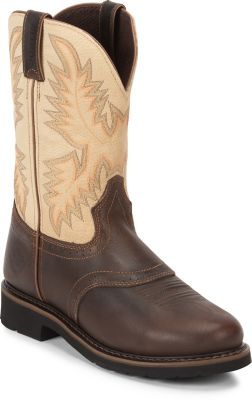
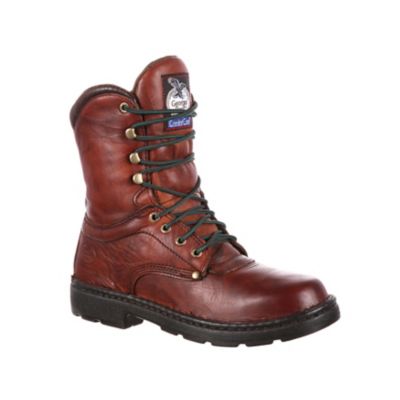
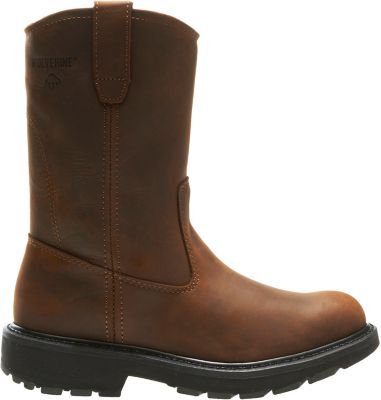
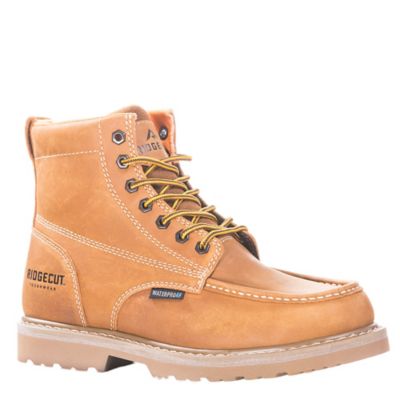
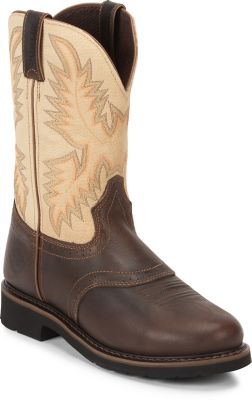
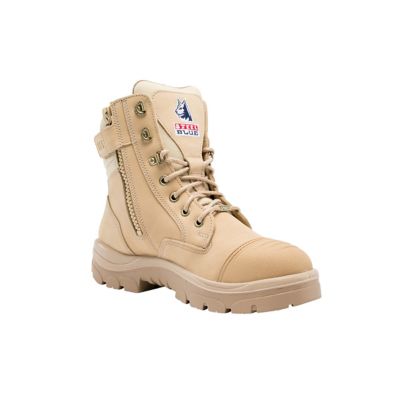
Leather lace-up boots for men bring together the feel of leather uppers, an adjustable fit and styles that range from everyday ankle boots to substantial work footwear and dressier designs. A plain-toe pair can look right with jeans at the feed store, while a cap-toe or wingtip style pairs well with chinos for dinner in town. Work-focused versions put more emphasis on protective features, underfoot support and soles suited to demanding surfaces. That range makes the intended use just as important as the look: a boot for walking shop floors has different demands than one worn mainly to church or family gatherings. Leather type helps shape both appearance and upkeep. Full-grain leather retains its natural surface and can develop creases and character with wear, while top-grain leather has a sanded surface that often gives it a more even appearance. Suede has a soft, napped finish and calls for different care than smooth leather. Oiled and waxed finishes tend to have a more rugged look, though the finish alone does not establish whether a boot is waterproof. Brown shades pair easily with denim and canvas work pants, and black leather can suit either a straightforward work style or a more polished outfit, depending on the shape and sole. Shaft height changes the feel, too. An ankle-height boot leaves less material around the lower leg, while a taller lace-up shaft provides more coverage. Padded collars, tongue construction and the placement of seams can make a noticeable difference when a boot stays on from morning chores through the last stop in town. Eyelets offer a familiar lace-through setup, and speed hooks on some taller styles make the upper section quicker to loosen. These details give men's leather lace-up boots their broad appeal: the same general footwear style can lean toward work, everyday wear or a dressed-up occasion without looking out of place.
Fit matters well beyond the size printed inside the boot. Lace-up construction lets the wearer adjust tension across the instep and around the ankle, but it cannot make a narrow toe box wider or give a short boot enough length. A comfortable fit leaves room for the toes to move without allowing the foot to slide forward on a slope. The heel should feel secure, and the tongue should lie smoothly rather than bunching beneath the laces. Leather may soften and flex with wear, but pinching, numbness or toes pressed against the front are not problems to count on break-in time to solve. The socks worn for the job belong in the fit equation, especially when switching between a thinner everyday sock and a cushioned work sock. Removable footbeds can offer room for a suitable replacement insole or orthotic, although the boot still needs enough internal space to accommodate it. Underfoot construction is another useful distinction among leather lace-up boots. Cushioned midsoles can take some of the harsh feel out of repeated steps on concrete, while firmer structures may feel more supportive during long stretches of standing. Wedge soles generally provide broad ground contact; defined heels and lugged outsoles offer a different feel underfoot and may suit tasks involving uneven ground. Outsole material, tread pattern and the surface itself all affect traction, and slip-resistant does not mean slip-proof. The
Leather Work Boots for Men collection is a relevant place to focus when job requirements matter more than dress details. Safety-toe construction, electrical hazard ratings and other protective features need to match the workplace requirements shown in the boot's specifications. A soft-toe boot does not provide impact protection simply because the leather feels thick. Likewise, a waterproof lining or construction must be stated rather than assumed from the upper material. Around wash areas, shop floors or livestock facilities, those distinctions can matter more than color or stitching.
Long wear starts with construction suited to the task and continues with regular care. Reinforced stitching, firmly attached eyelets and well-finished seams are worth noticing on leather lace-up boots that will see repeated bending, kneeling and walking. The connection between the upper and outsole also matters. Some welted boots can be resoled by a repair shop, depending on their construction and condition, while other sole attachments are not intended for the same kind of repair. Leather thickness alone does not tell the whole story; flexibility, fit and how the sole wears all contribute to how a pair holds up. Dirt packed around the welt, grit under the laces and residue along the sole edge deserve attention before they build up. A soft brush handles loose dirt on many smooth-leather boots, and a lightly damp cloth can help wipe away surface grime when the maker's care directions allow it. Leather conditioner should match the leather and finish, with a small hidden-area test helping reveal any color change. Suede generally needs a suede brush and products intended for its napped surface rather than the same treatment as smooth leather. Wet boots need time to dry away from direct heat, which can damage leather and other components. Loosened laces and removable footbeds can help the inside air out, and alternating between pairs gives each one more drying time between wears. Laces, hooks, stitching and tread are also worth checking as part of ordinary upkeep, especially on boots worn for daily work. For a gift, men's leather lace-up boots make the most sense when the recipient's size, preferred width and usual activities are already known. A ranch hand, tradesman or fellow who simply likes leather boots may want very different features, even if all three reach for jeans every day. Matching the boot to that daily routine makes it a pair that earns its place by the door.