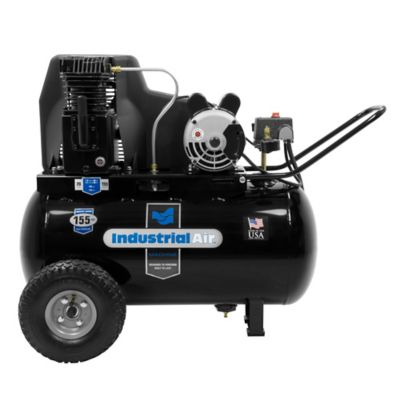
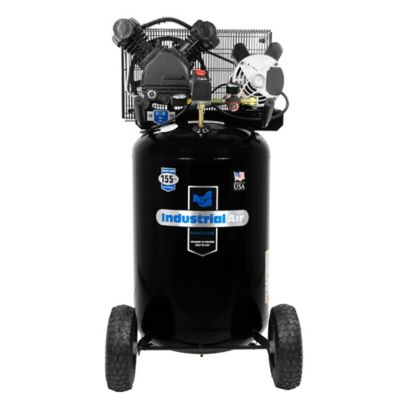
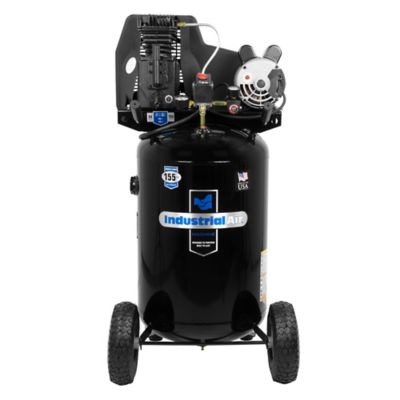
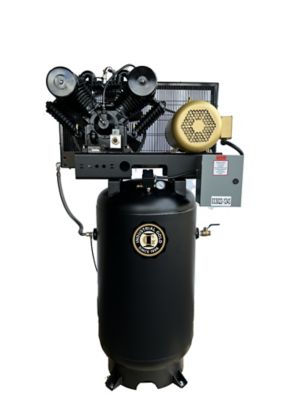
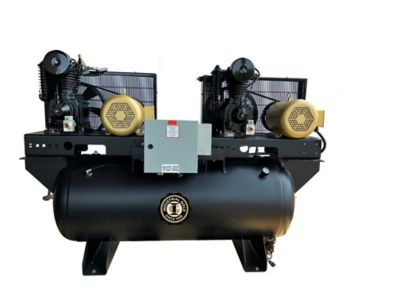
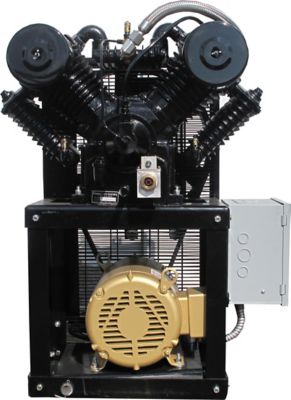
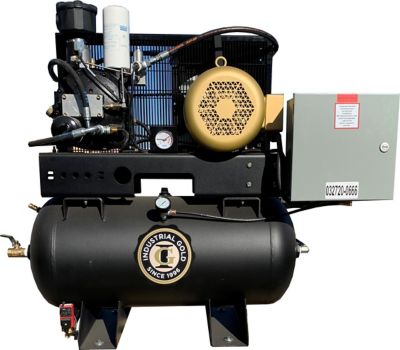
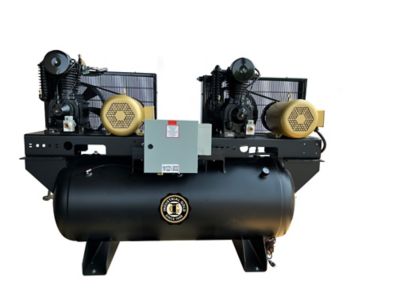
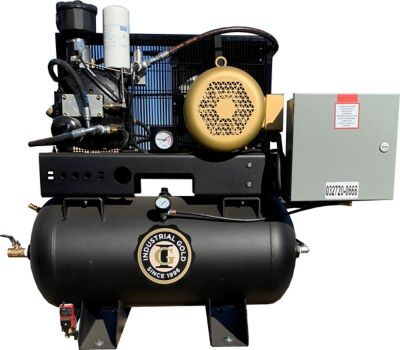
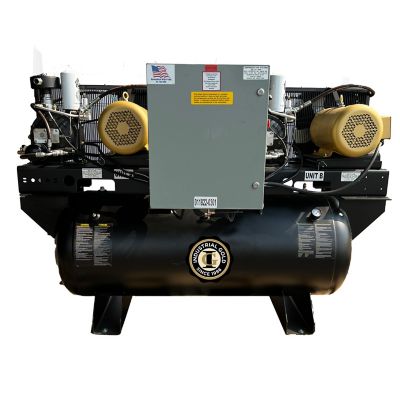
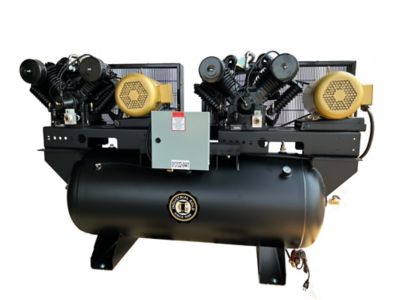
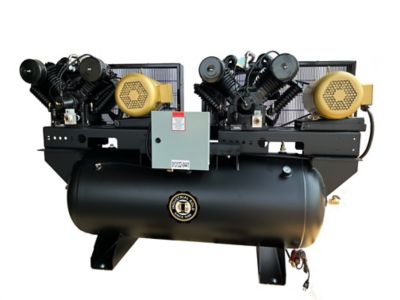
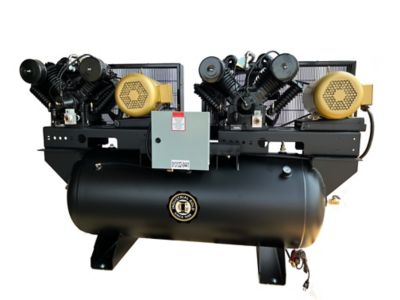
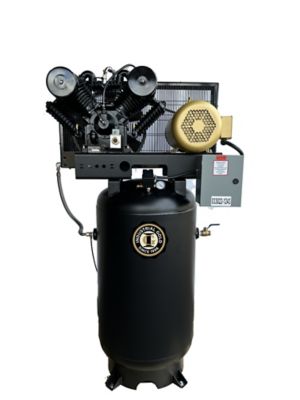
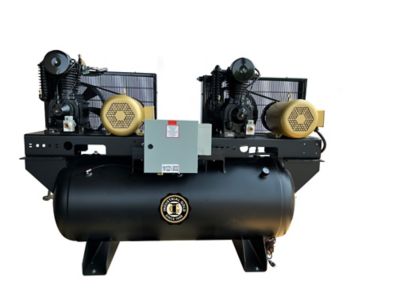
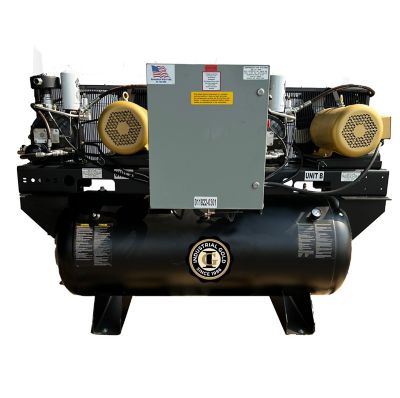
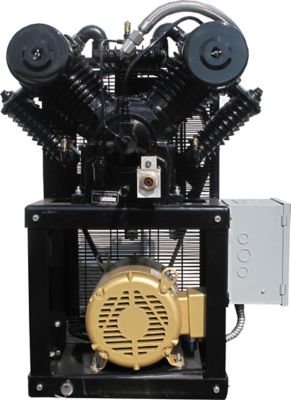
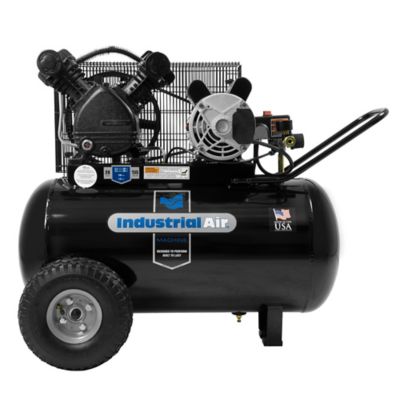
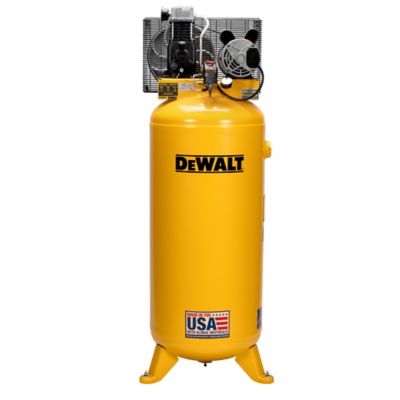
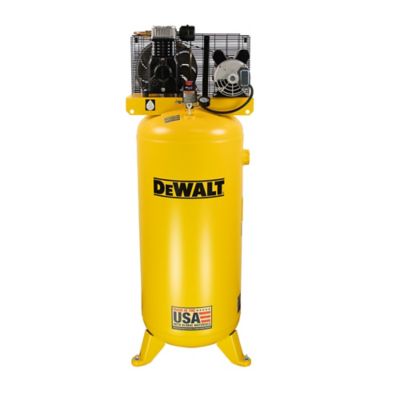
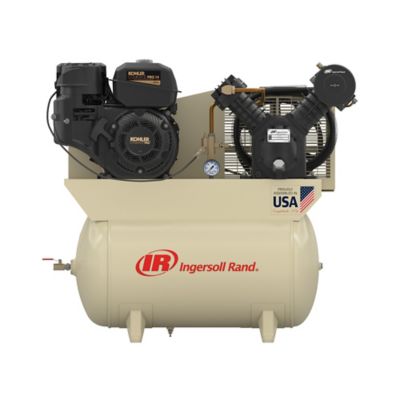
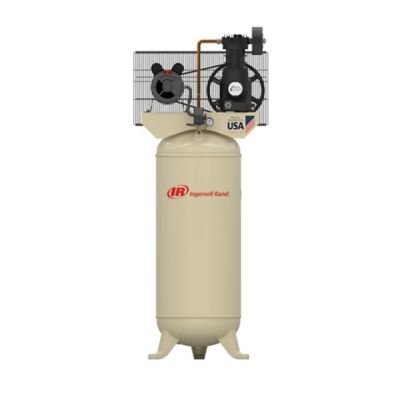
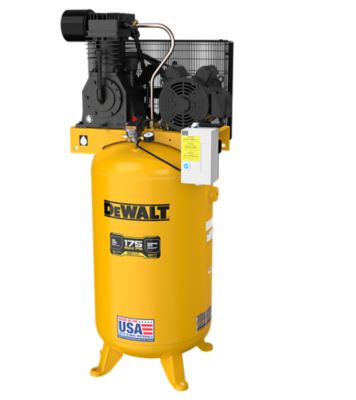
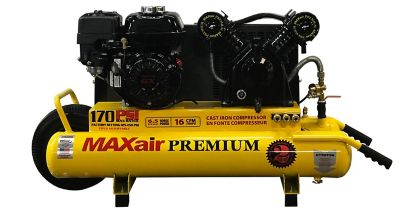
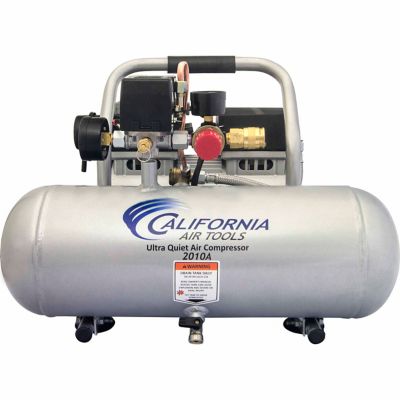
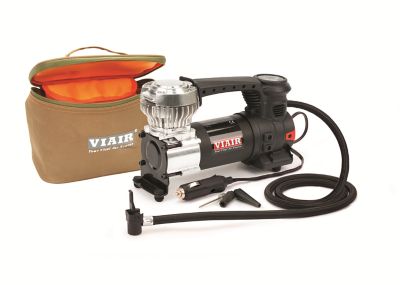
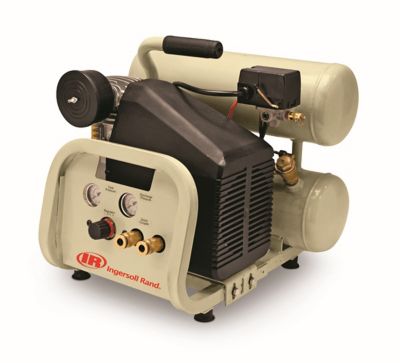
Belt drive air compressors are a solid choice for the farm shop, home garage, barn, or small worksite where dependable compressed air matters. In these models, the motor turns the pump through a belt and pulley system instead of connecting directly to the pump. That setup helps absorb some of the shock and vibration created as the compressor runs, often making belt drive models quieter and more comfortable to use during long stretches of work. The pump can also run at a lower speed, which may help manage heat and reduce wear on internal parts over time. For folks who spend a Saturday filling tires, cleaning equipment, running a nail gun, or working on a project at the bench, that smoother operation can make a noticeable difference. Belt drive air compressors are commonly used for jobs that call for steady airflow, including framing, roofing, trim work, automotive repair, grinding, sanding, painting, and blowing dirt or sawdust from hard-to-reach places. They can be especially handy around a property where one compressor may serve several purposes, from topping off trailer tires and tractor tires to powering an impact wrench during seasonal maintenance. Compared with many direct-drive compressors, belt drive models tend to have a larger footprint and may weigh more, so it helps to think about where the unit will live before choosing one. A level spot with good ventilation, enough room to inspect the belt, and convenient access to an electrical outlet can make everyday use much easier. Stationary units are a practical fit for a dedicated workshop, while wheeled models may offer more flexibility when tools and equipment are spread between the garage, shed, and driveway.
When comparing belt drive air compressors, start with the air tools you expect to use and pay close attention to the compressor’s CFM rating, PSI range, tank size, motor power, and duty cycle. CFM, or cubic feet per minute, indicates how much air the compressor can deliver to a tool; air-hungry equipment such as grinders, sanders, spray guns, and some impact tools generally needs more continuous airflow than a brad nailer or blow gun. Match the compressor’s delivered CFM at a specific PSI to the tool’s requirements rather than relying on horsepower alone. A larger tank stores more compressed air and can help handle short bursts of demand without the motor starting every few seconds, while a smaller tank may be easier to fit in a compact shop and can work well for intermittent tasks. A two-stage pump may be worth considering for demanding applications that require higher pressure or longer run times. Check the electrical requirements as well, since some larger compressors need a dedicated circuit. It is also smart to consider noise, especially if the compressor will be used near the house, in an enclosed garage, or while other people are working nearby. Belt drive operation can offer a lower, less jarring sound than many direct-drive designs, but every compressor still produces mechanical noise and should be placed on a stable surface with room for airflow. Look for accessible controls, an easy-to-read pressure gauge, a dependable regulator, and a drain valve that is simple to reach. A drainable tank matters because moisture naturally collects as air is compressed, particularly in humid conditions. Draining the tank as recommended helps limit internal corrosion and keeps the compressor ready for the next job. For a closer look at equipment suited to demanding shop and jobsite work, browse
Professional Air Compressors.
Belt drive air compressors can be a practical investment for experienced tradespeople, farmers, ranchers, mechanics, serious DIYers, and anyone who wants one air system to support a wide range of tools. They also make a thoughtful gift for a new homeowner, a handy family member setting up a workshop, or a friend who enjoys restoring equipment and working on vehicles. Before buying, consider how often the compressor will run, how far it may need to move, and whether future projects could require more airflow than today’s jobs. A unit that handles occasional tire inflation and light nailing may be different from one expected to spray paint panels, run a die grinder, or keep up with a framing crew. Belt inspection and adjustment are part of regular ownership; belts can stretch, glaze, crack, or wear with use, and the tension should be checked according to the manufacturer’s instructions. Keep the pump and motor free of heavy dust, replace filters as needed, and use the recommended oil when the compressor has an oil-lubricated pump. Never remove a belt guard while the machine is connected to power, and give the compressor time to cool before servicing it. During the warmer part of the year, good ventilation helps keep the motor and pump from building excess heat, while in cooler months it is wise to protect the unit from freezing temperatures and drain moisture after use. With the right capacity, a sensible location, and routine care, a belt drive compressor can become one of those dependable shop tools that earns its space year after year. It may hum along while you repair a gate, seat a tire bead, fasten boards for a livestock project, or clean mud from equipment, then be ready for the next job when the workday starts.