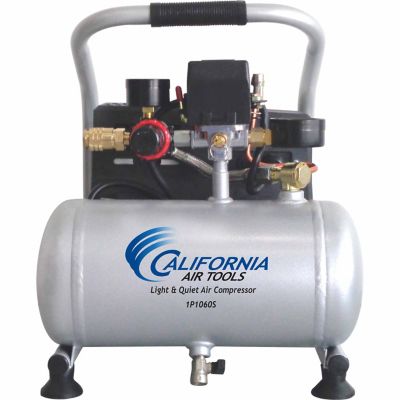
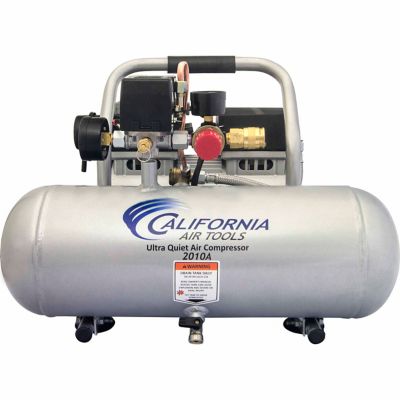
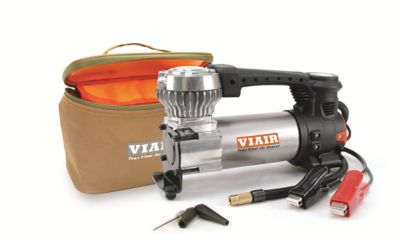
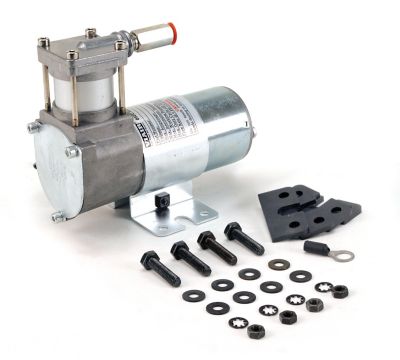
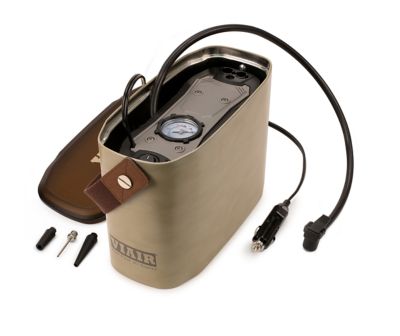
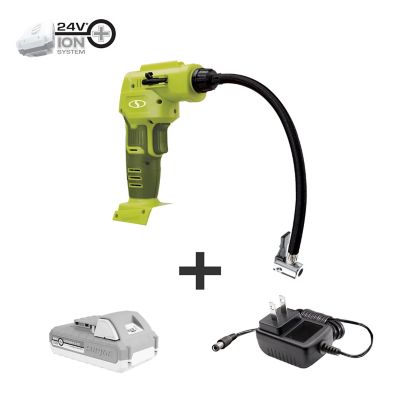
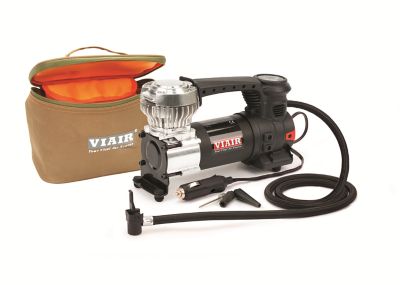
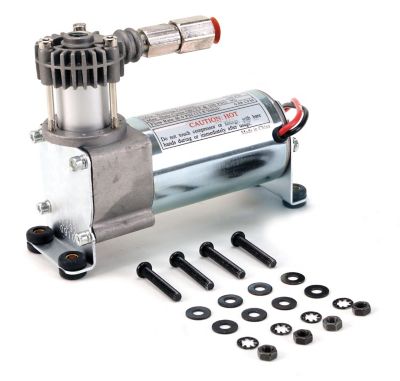
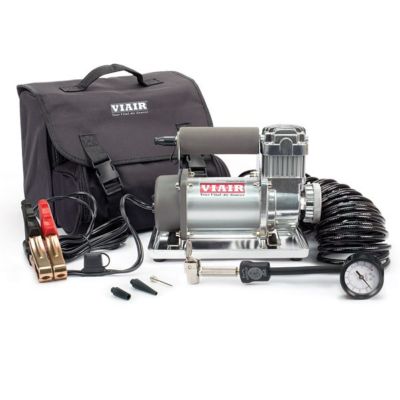
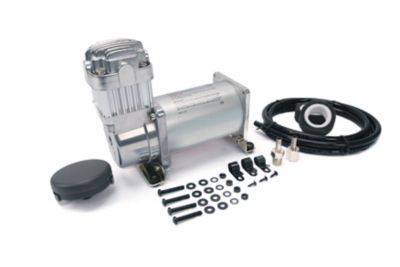
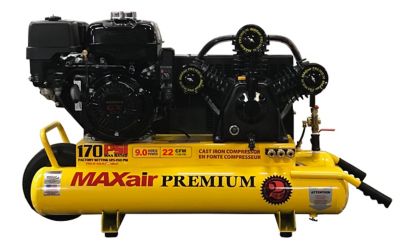
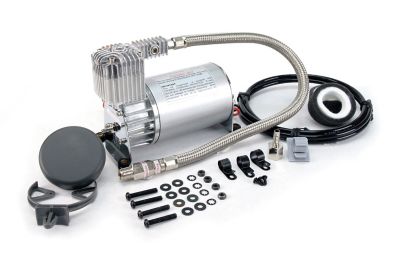
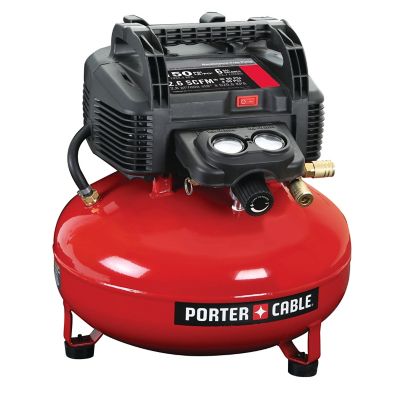
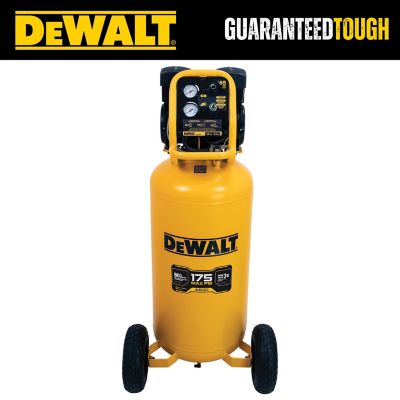
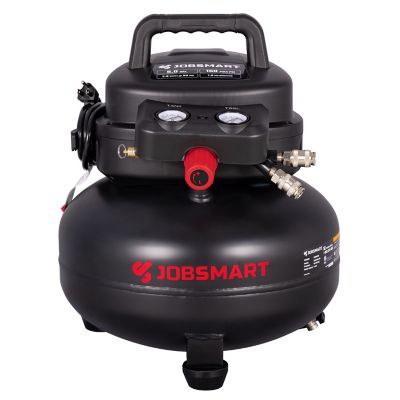
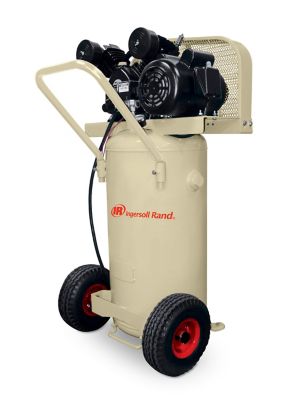
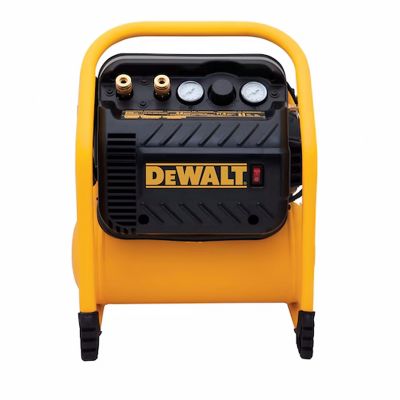
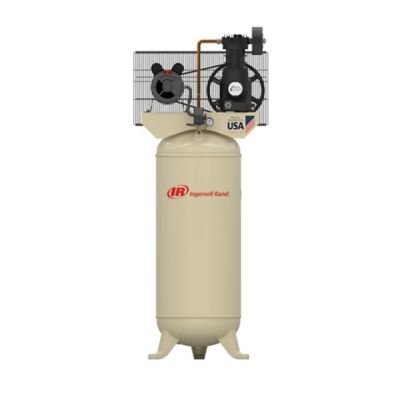
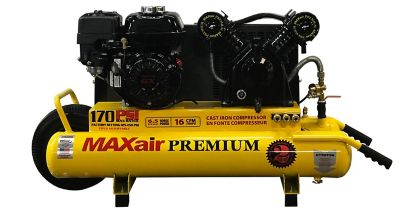
Lightweight air compressors bring handy compressed air to places where a full-size shop compressor would be more trouble than it is worth. These compact units are often built with small tanks ranging from about 1 to 6 gallons, while cordless inflators may skip the tank altogether for a lighter, hose-free setup. Many weigh under 30 to 35 pounds, making them easier to carry between the garage, barn, shed, trailer, and jobsite. A small compressor can handle everyday work such as filling tires, blowing dust from workbenches, cleaning out equipment, inflating sports gear, and running light-duty nailers. It can also be a good fit for trim work, small repairs, craft projects, and punch-list jobs around the house. If you are comparing options, start with the work you expect to do most often rather than choosing by tank size alone. A compact tank may be plenty for short bursts with a brad nailer or stapler, while a larger 6-gallon tank can provide longer run time between motor cycles for general garage tasks. For quick tire or toy inflation, a cordless inflator is especially easy to keep in a vehicle or toolbox. For a broader look at compact electric options, visit
Small Electric Air Compressors. Keeping the intended job in mind helps you choose a lightweight air compressor that is easy to move and still has enough muscle for the work at hand.
Pay close attention to pressure and airflow ratings when matching a compressor to an air tool. Maximum PSI tells you how much pressure the compressor can build, but the CFM rating, usually listed at a specific PSI, gives a better idea of how much air it can deliver while a tool is running. Brad nailers, finish nailers, and small staplers generally use short bursts of air, so a compact compressor with a modest tank can often keep up. Blowing off a work surface or filling a tire also tends to be a short job. Tools that run steadily, including some sanders, grinders, paint sprayers, and larger impact wrenches, may need more CFM and a bigger tank than a lightweight unit can provide. Checking the tool manufacturer’s air requirements before buying can save a lot of frustration. Other details matter, too. Oil-free pumps are popular for portable work because they require less routine maintenance and do not add oil to the air stream. A low-noise design is useful in an attached garage, basement, tack room, or other spot where a loud motor can make conversation difficult. Look for a sturdy handle, balanced shape, rubber feet, and a hose connection that is easy to reach while wearing work gloves. Pancake-style tanks are known for a stable footprint, while upright designs may take up less floor space. Cordless models add convenience in a pasture, driveway, or unfinished building where an outlet is out of reach, though battery run time and recharge needs should be part of the comparison.
A lightweight air compressor can earn its keep through every season. As the weather warms, it can top off trailer tires before a trip, inflate bicycle tires, blow grass clippings from equipment, or help with small fence and repair projects around the property. During the cooler months, it is useful for keeping vehicle and utility trailer tires at the proper pressure, cleaning sawdust from a shop, and handling indoor trim work when outdoor projects slow down. It also makes a practical gift for a new homeowner, do-it-yourselfer, gardener, hobby farmer, weekend mechanic, or anyone building a better setup in the garage. A compact compressor is easier to store than a large shop unit and simple to carry when the job moves from one side of the property to the other. For safe operation, use an air hose and fittings rated for the pressure, wear eye protection, keep the compressor on a clean and stable surface, and follow the manufacturer’s instructions for electrical connections and maintenance. Drain moisture from the tank as directed, especially after use in humid conditions, and give the motor time to cool during demanding jobs. Never point compressed air at people or animals, and use care when cleaning machinery because flying grit and debris can cause injuries. With the right pressure, airflow, accessories, and power source, a lightweight air compressor can be a dependable helper for small repairs, routine upkeep, and the everyday jobs that pop up around a country home.