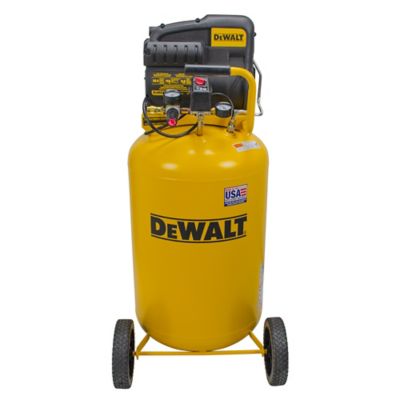
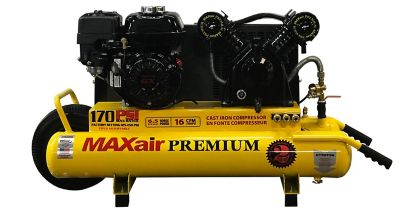
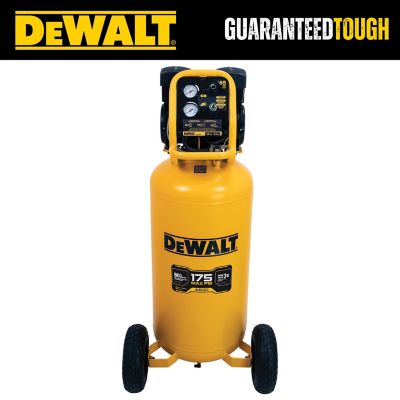
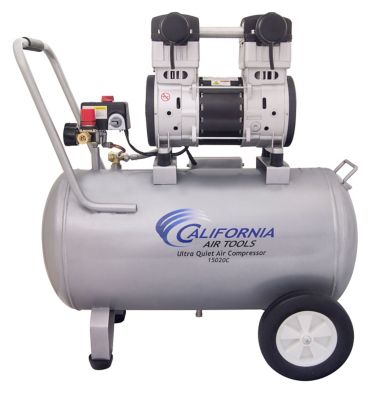
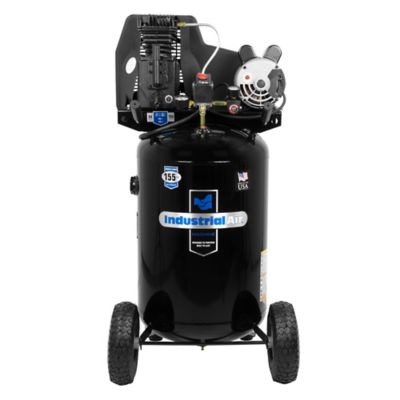
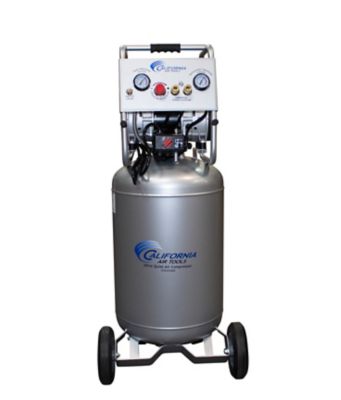
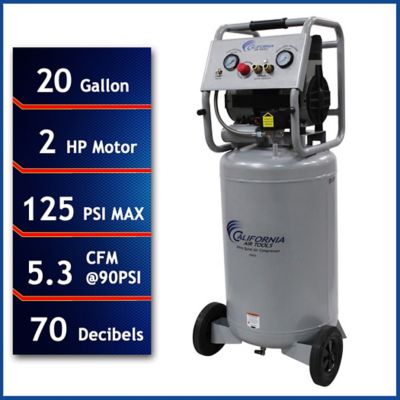
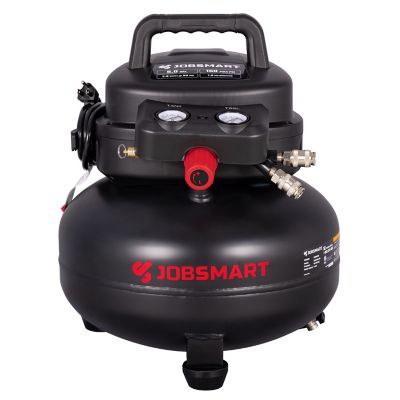
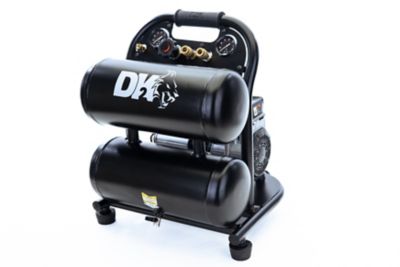
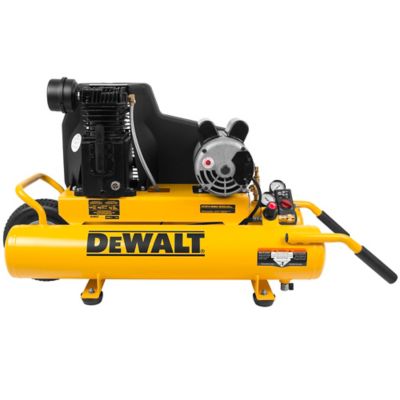
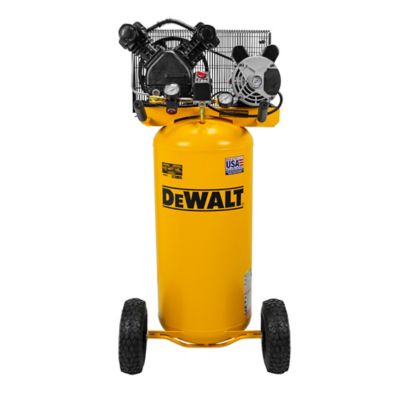
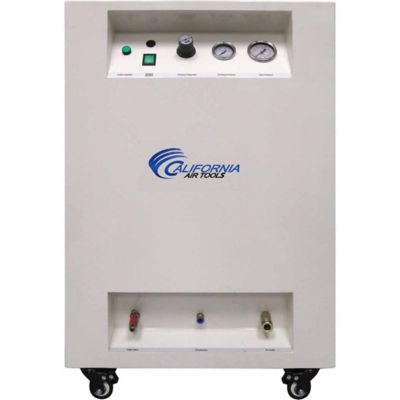
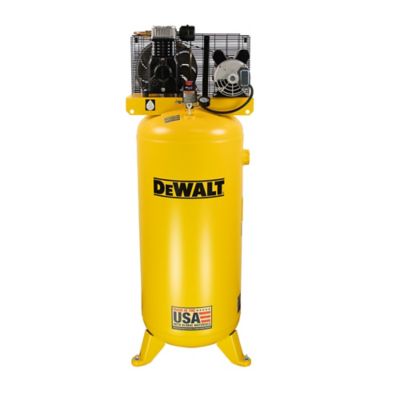
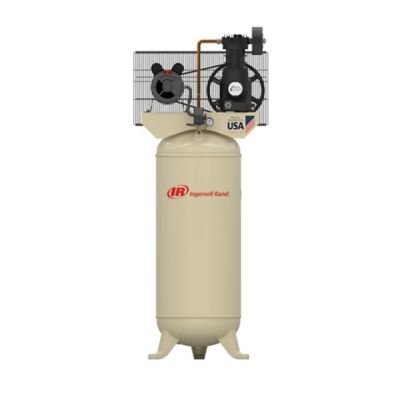
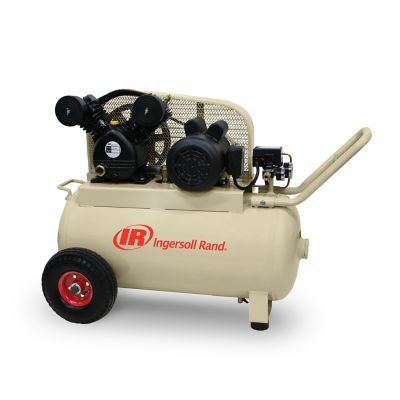
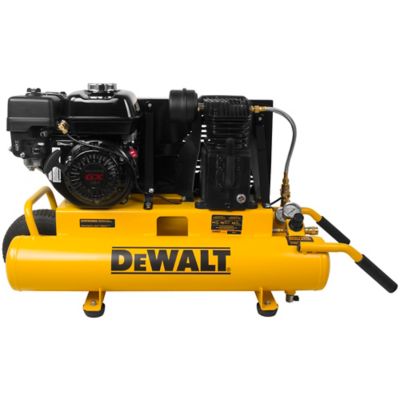
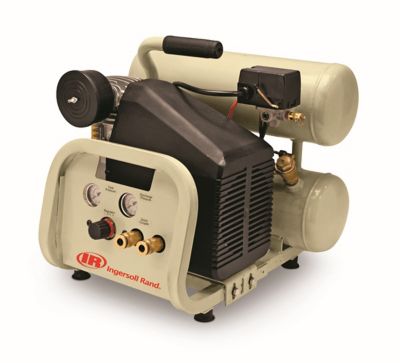
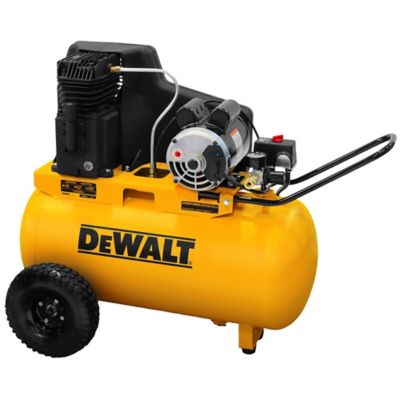
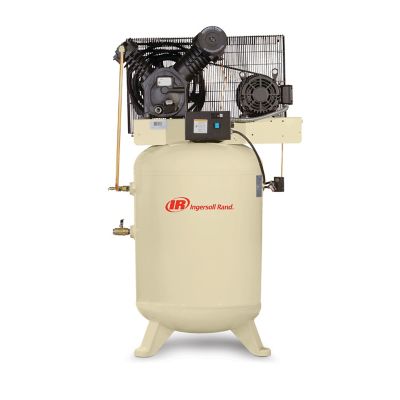
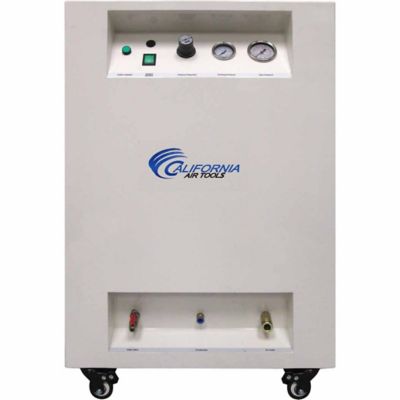
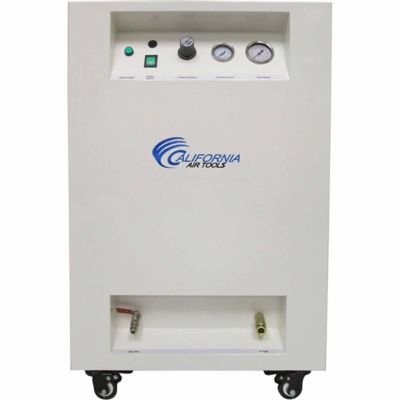
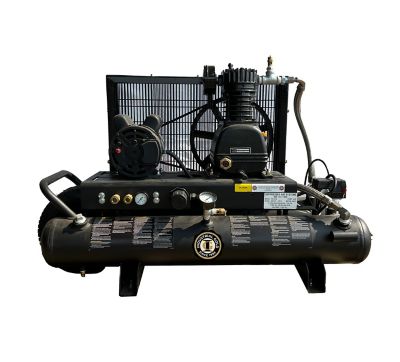
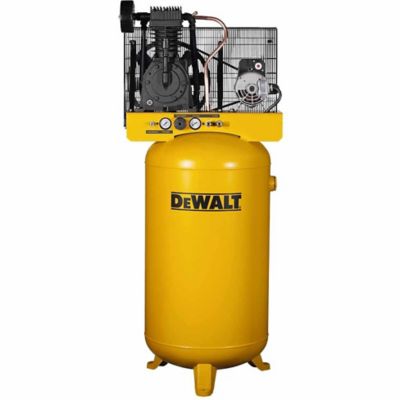
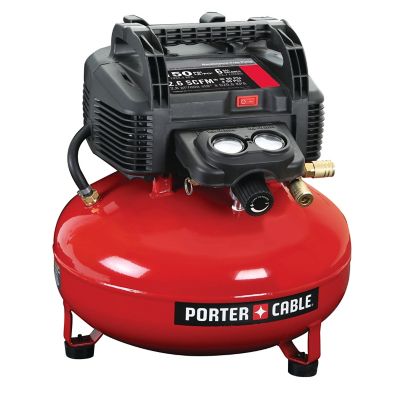
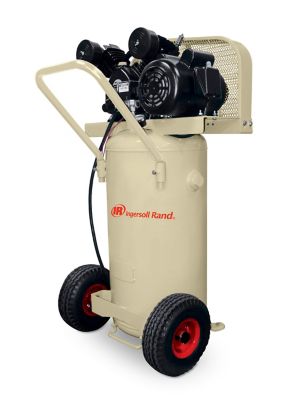
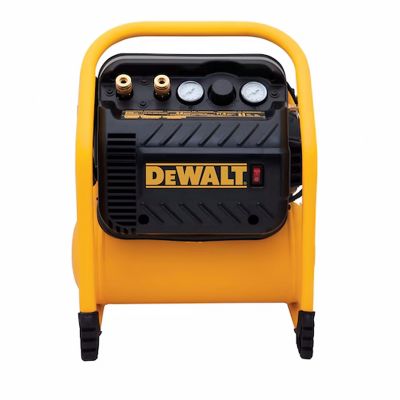
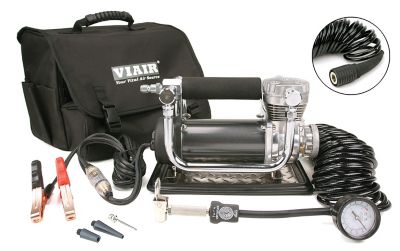
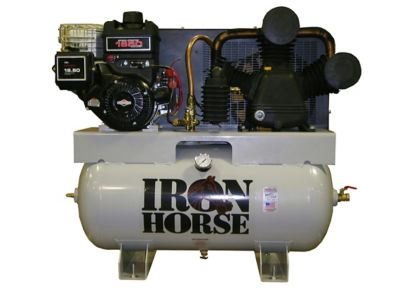
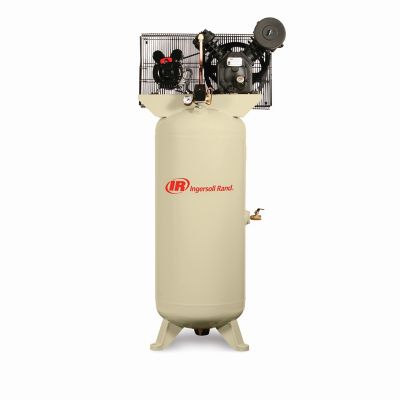
Air compressors with wheels make it easier to bring dependable air power wherever the work takes you, from a home garage and barn to a gravel driveway, fence line or active jobsite. Unlike a stationary compressor that stays put, a wheeled model can be rolled into position for inflating tires, powering nailers and staplers, blowing debris from equipment or handling repair work around the property. Compact twin-stack and hot-dog styles are handy when space is tight and the job calls for light, intermittent use. They can be useful for topping off tractor, trailer, ATV and truck tires, running a brad nailer during trim work, or taking care of small projects in a shed or workshop. Wheelbarrow-style compressors are built with a rugged frame, large center wheel and handles that help them move across packed dirt, gravel and construction debris. Larger vertical and horizontal models typically hold more air and may be a better fit for a shop where tools such as impact wrenches, grinders, ratchets and spray equipment need a steadier supply. A wheeled compressor can also make a practical gift for a new homeowner, weekend mechanic, serious DIYer or anyone setting up a garage workspace. It is the kind of equipment that earns its keep over time, whether it is helping with a tire repair before a long trailer haul or making quick work of a fencing project as the weather warms and outdoor chores pick up.
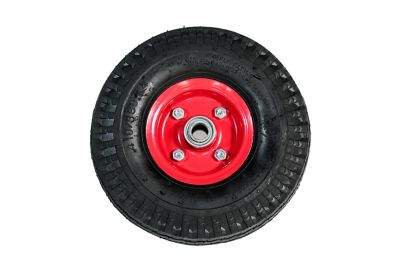
Choosing the right air compressor starts with matching the machine to the tools and tasks ahead. Tank size, measured in gallons, affects how much compressed air is stored before the motor needs to run again. Smaller tanks are generally easier to move and work well for short bursts of air, while larger tanks can support longer jobs and reduce how often the motor cycles. Airflow matters just as much: compare the compressor’s cubic feet per minute, or CFM, at 90 PSI with the tool’s recommended requirement. A brad nailer or finish nailer usually needs less air than an impact wrench, die grinder or spray gun, so checking the tool specifications helps prevent buying a unit that struggles under load. For tools that run continuously, look for enough CFM with some extra capacity rather than choosing a compressor that only meets the bare minimum. Electric models that use a standard 115- or 120-volt outlet are convenient for garages, barns and covered work areas with dependable power. Gas-powered units can be a better choice for remote outdoor work where an extension cord is impractical, though they require proper ventilation and routine engine care. Think about the compressor’s total size and weight, too. A compact unit may fit neatly beside a workbench, while a 20- to 30-gallon model offers more reserve air but takes more room to store and maneuver. Vertical tanks use floor space efficiently, and horizontal designs may be easier to load or tuck beneath a bench. Handles, balance, wheel clearance and tire construction all make a difference when rolling over a threshold, pasture lane or uneven jobsite. Pneumatic or flat-free foam-filled tires tend to handle rough ground better than small hard plastic wheels, while sturdy rubber feet can help keep the compressor steady once it is parked. If indoor noise is a concern, a quieter design may be worth considering for a garage attached to the house or a shop where conversations and other tools are running nearby. For expanded options suited to demanding shop and farm work, browse
Professional Air Compressors.
Before putting a wheeled air compressor to work, give it a stable home and a little room for safe operation. Roll the unit onto a level surface, set the wheel lock or parking mechanism if equipped, and make sure the frame cannot drift while the motor is running. Never depend on the wheels alone to hold a compressor in place, especially on a slope, loose gravel or a concrete floor with oil on it. Keep the intake and cooling areas clear, and follow the manufacturer’s instructions for extension cords, oil level, break-in procedures and maximum pressure. Wear eye protection when inflating tires, cleaning machinery or using an air blow gun, since dust, metal chips and small bits of debris can travel fast. Compressed air should never be aimed at skin, clothing or another person. Drain moisture from the tank as recommended, particularly when the compressor is used in humid weather or stored during cooler months, because collected water can contribute to rust inside the tank. Inspect hoses, fittings and couplers for cracks or leaks, and replace worn parts before they fail during a job. A quick leak check with soapy water can help find escaping air around connections. Store hoses neatly, protect the compressor from rain and standing water, and give gas-powered models plenty of fresh air outdoors. Seasonal chores often bring a steady run of small repairs, from maintaining equipment before harvest work to winterizing trailers, clearing dust from shop tools and keeping vehicle tires properly inflated. With the right tank capacity, airflow, power source and wheel design, an air compressor with wheels can serve as a reliable all-around helper for the farm, home, garage or jobsite.