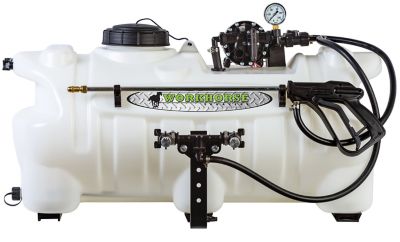
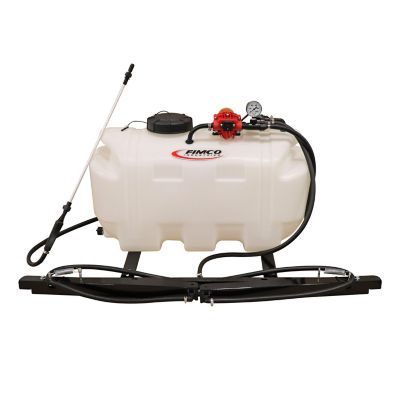
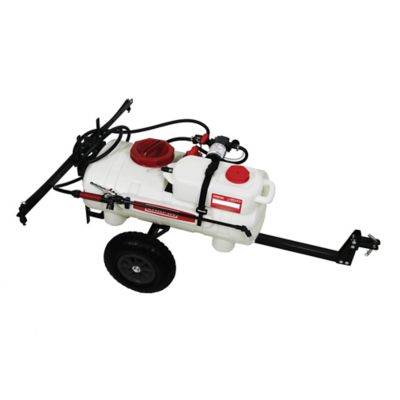
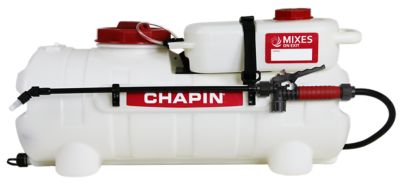
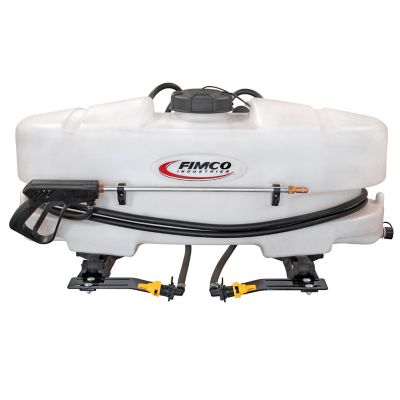
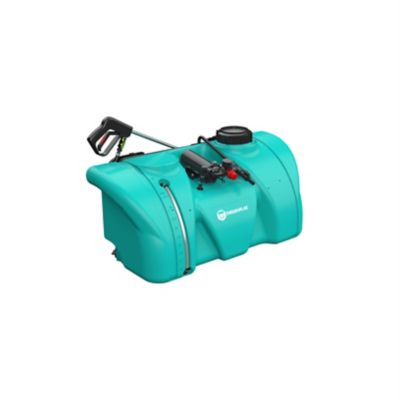
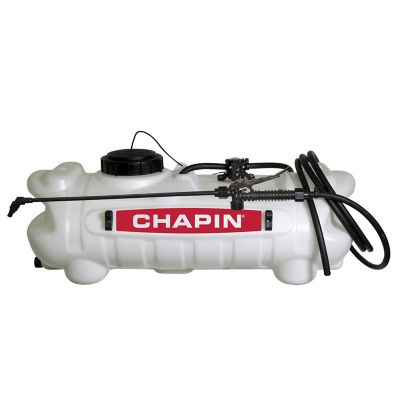
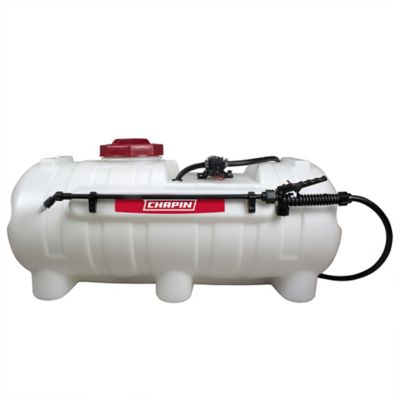
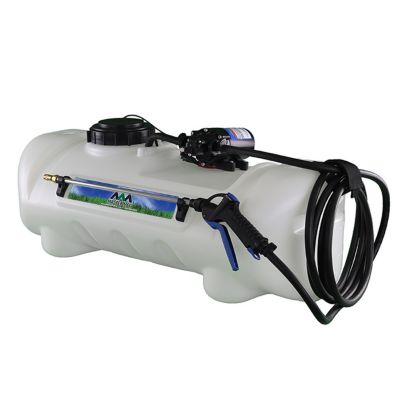
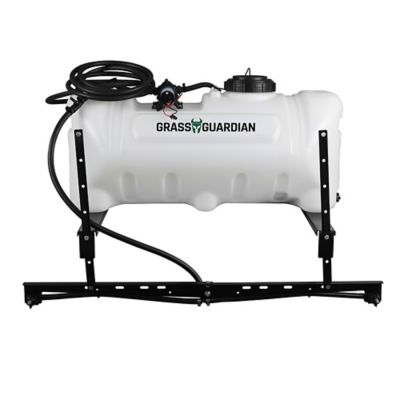
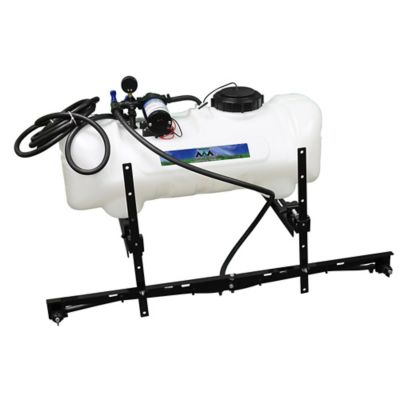
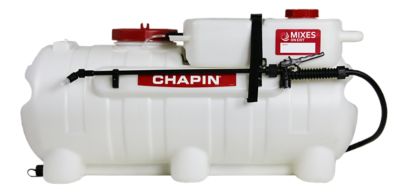
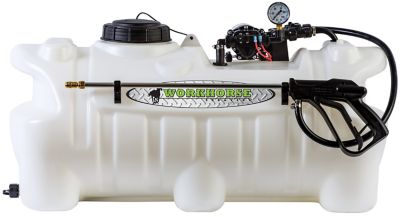
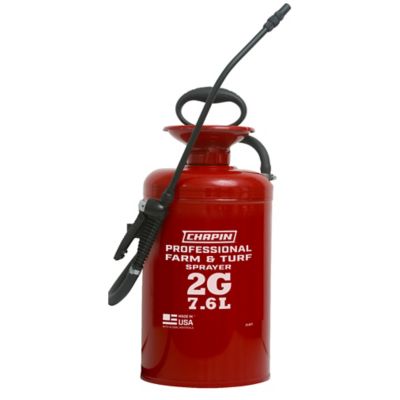
ATV pasture sprayers bring treatment equipment closer to the places that need attention, whether that means a patch of weeds beyond the barn, a stretch of fence line or several paddocks spread across a property. For livestock owners, small-acreage farmers and folks looking after rural land, a sprayer that travels with an ATV can cut down on carrying a loaded backpack sprayer across open ground. These setups generally pair a liquid tank with a pump, hose and spray attachment, giving the operator a way to handle targeted applications or cover broader areas with compatible equipment. A hand wand suits individual patches and tight spaces around gates, while a wider spraying setup makes more sense for open stretches with fewer obstacles. The right arrangement depends on how the property lays out, how much ground needs treatment and how closely the application needs to follow pasture boundaries. A narrow lane between paddocks calls for a different reach than a wide, fairly level field. Around fence posts, troughs and access gates, hose length and comfortable wand handling can matter as much as tank capacity. Pasture treatment also takes more thought than simply knocking back whatever is growing tallest. Grasses, forage plants and troublesome weeds may respond differently to the same treatment, and the material in the tank needs to match the intended job. Any pesticide or herbicide application belongs within the directions on its label, including permitted application sites, rates, protective equipment and restrictions for livestock access, grazing or hay harvest. Keeping treatments away from feed, drinking water and neighboring areas is part of choosing a suitable application setup. An ATV pasture sprayer is a practical tool for carrying out that work, not a substitute for identifying the target plants or checking whether a treatment belongs on that pasture. For a smaller property with scattered problem spots, maneuverability may be the biggest benefit; for larger grazing areas, tank capacity and spray coverage become more important parts of the decision.
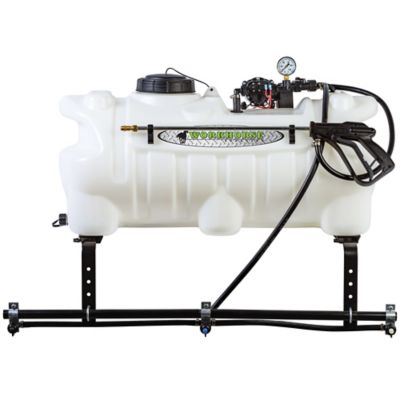
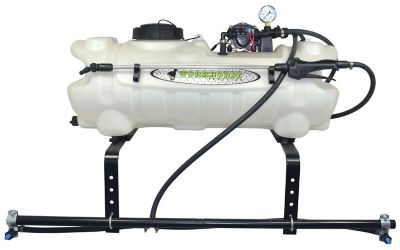
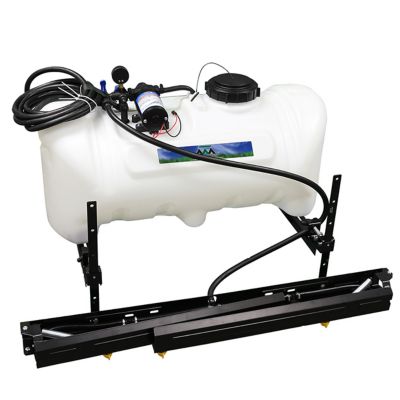
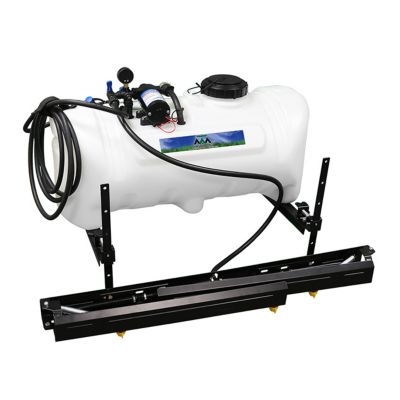
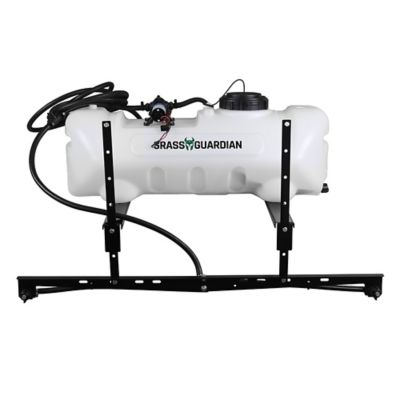
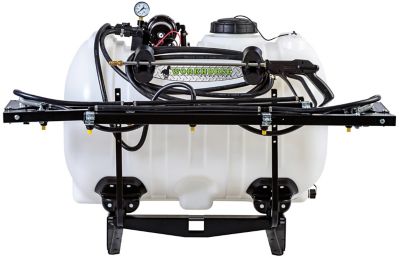
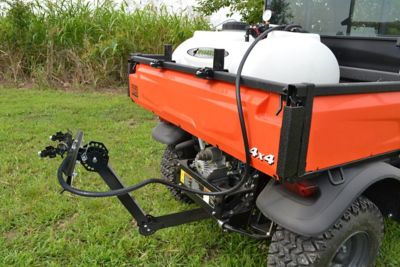
Tank size is an easy specification to notice, but the full setup needs to fit the ATV and the way it travels through the pasture. Water weighs about 8.3 pounds per gallon, so a filled tank adds substantial weight before accounting for the pump, mounting hardware and other equipment. The ATV’s rack rating, total carrying limits and manufacturer’s mounting guidance all matter, along with secure attachment points and balanced placement. A tank that looks manageable sitting beside the vehicle can be a very different load once filled, especially where the route includes ruts, slopes or tight turns. Molded polyethylene tanks are common in this category, with chemical compatibility, wall construction and resistance to impact worth considering alongside capacity. A clearly marked fill scale helps with measuring liquid, while an accessible opening and drain make filling and cleanup less awkward. Pump specifications deserve a close look, too. Many ATV spraying setups run on 12-volt power, but electrical connections, current requirements and wiring protection need to suit the vehicle. Flow rate and working pressure should match the spray attachment rather than simply being the largest numbers on the label. A hand wand, a multi-nozzle boom and a boomless nozzle can place different demands on the pump. Pressure regulation, shutoff controls and filtration help the system support an even application when properly matched and maintained. For open pasture coverage,
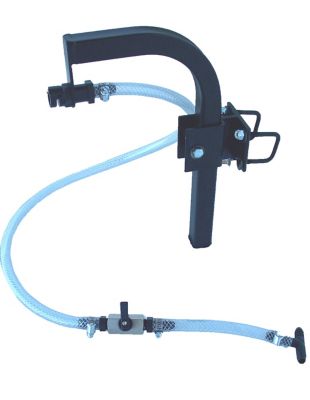
ATV Sprayer Boom Kits are a related equipment category to consider, with mounting fit, nozzle spacing and working width shaping how a spraying system covers the ground. Folding sections may help with travel through gates, while the clearance around fences and uneven ground still needs attention. Hose routing should leave room for normal steering and operation without loose loops near tires or hot engine parts. A comfortable grip, manageable trigger and enough hose reach can make spot spraying less tiring when several scattered patches need attention. These details help match the equipment to the property instead of making every chore fit around the equipment.
Long service life starts with materials that suit the spray solution and components that can be checked, cleaned and replaced without a struggle. Tank material alone does not establish compatibility; hoses, pump seals, fittings and nozzle parts also need to tolerate the intended liquid. Abrasion-resistant hose construction is useful where a line may brush against a rack or mounting bracket, and secure fittings help keep connections tight through repeated trips across the property. Accessible strainers and filters make it easier to address debris before it interferes with flow. Nozzle condition matters because worn or partly blocked openings can change the spray pattern and the amount applied, even when the pump seems to be running normally. Matching replacement parts to the system’s specifications helps maintain its intended performance. Equipment care also has a direct connection to pasture management. Residue left in a tank or hose can affect the next application, particularly when changing between treatments. Cleaning procedures should follow both the sprayer manufacturer’s directions and the chemical label, with rinse liquid handled as directed rather than emptied beside a barn or near a drain. Properly rinsed components, a clean filter and protected electrical connections give the setup a better starting point for its next job. Storage space should keep the sprayer secure, away from livestock and children, with hoses arranged so they are not pinched or stretched. Before another trip through the pasture, visible leaks, loose mounting hardware and damaged wiring deserve attention. Application planning matters just as much as equipment upkeep: vehicle speed, nozzle output and spray width work together to determine how much liquid reaches a given area. A setup suited to careful spot treatment may need different attachments and settings for broader coverage. For anyone tending grazing land, the most practical ATV pasture sprayer is one that fits the vehicle, supports the approved treatment and is straightforward to maintain between jobs. That combination helps turn a necessary pasture chore into work that fits the property’s everyday routine.