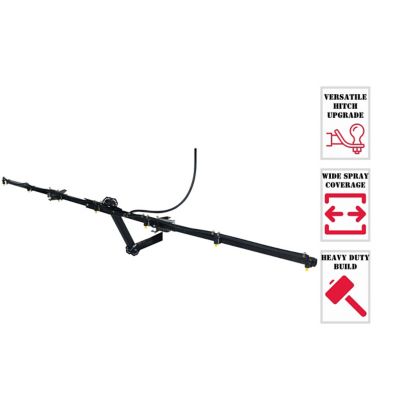
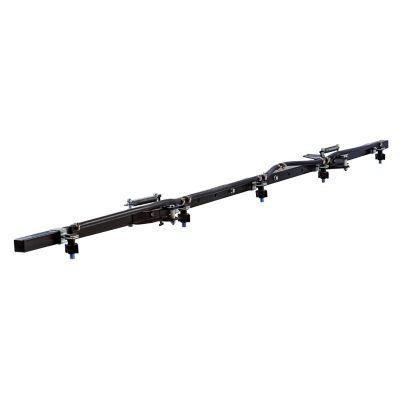
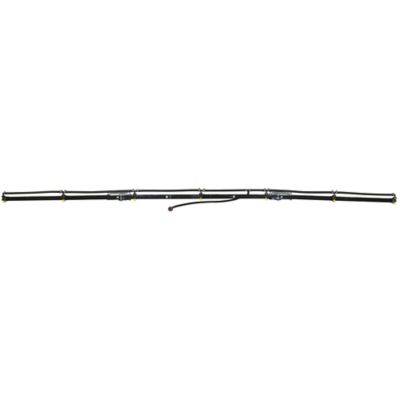
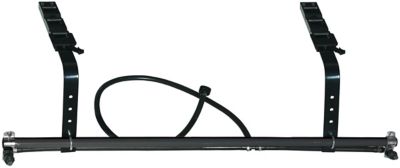
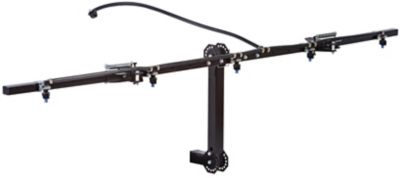
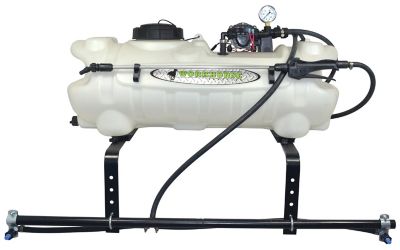
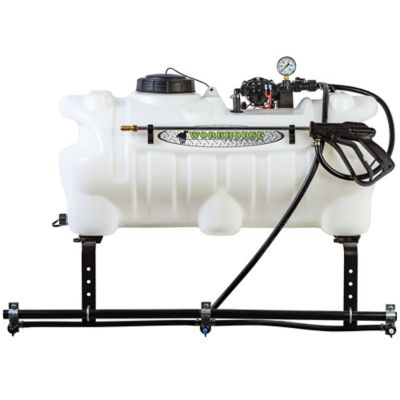
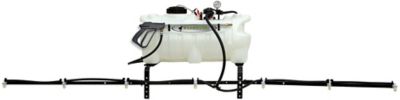
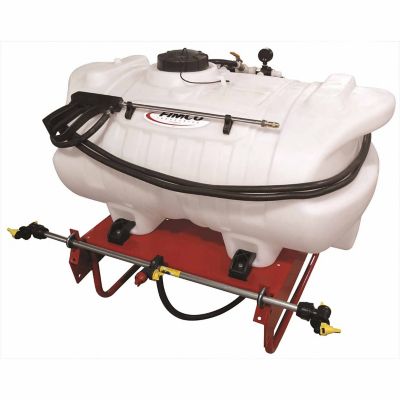
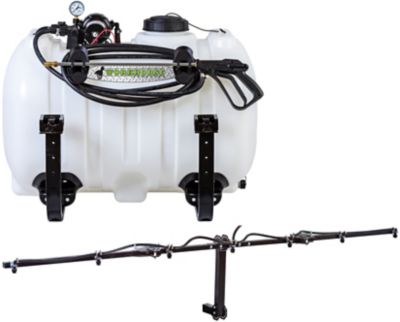
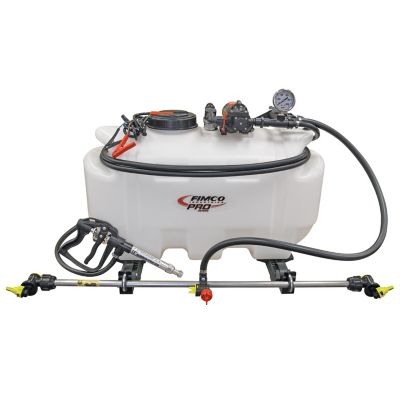
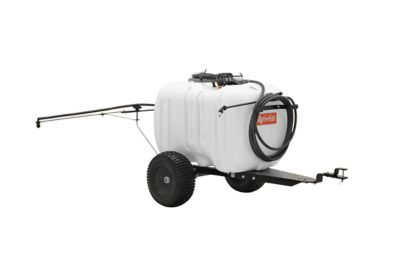
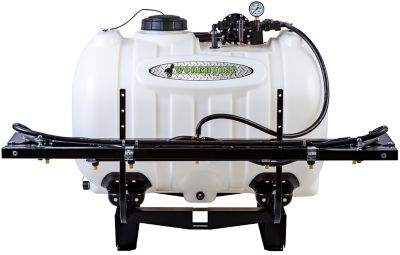
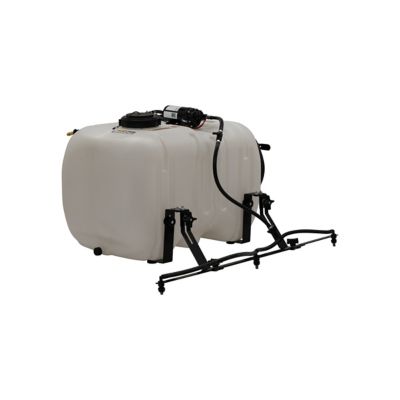
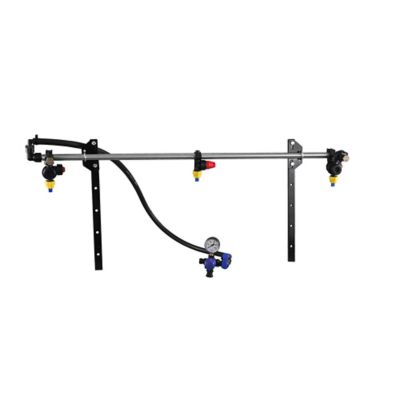
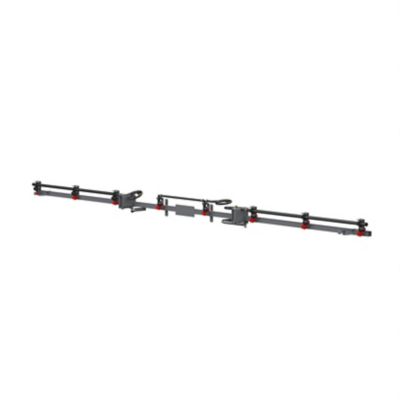
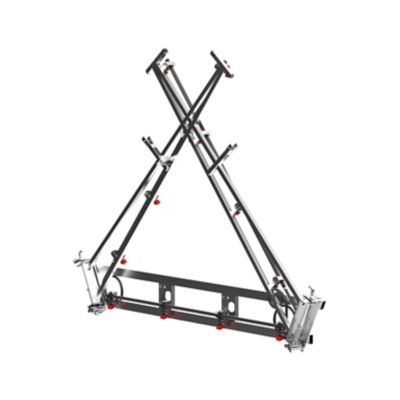
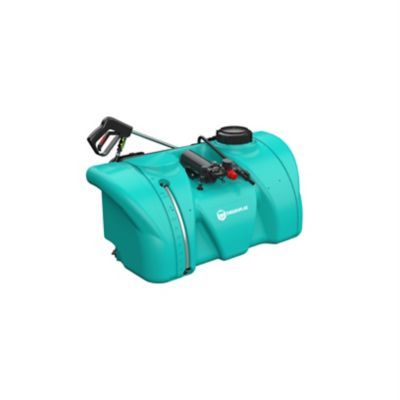
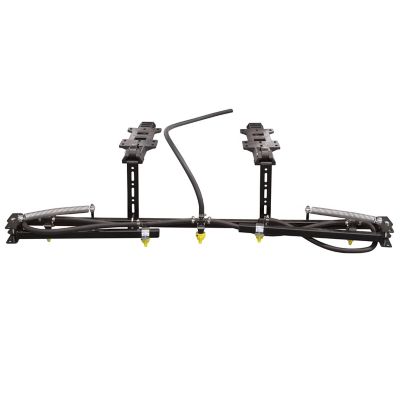
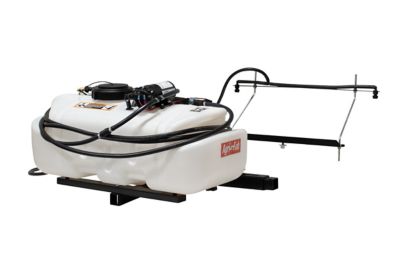
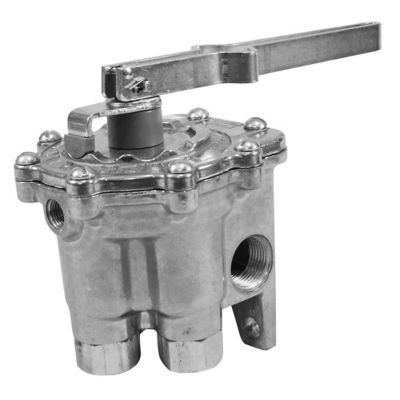
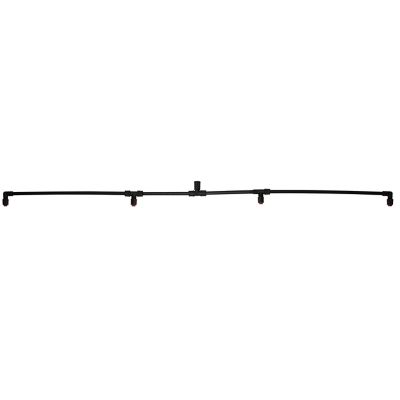
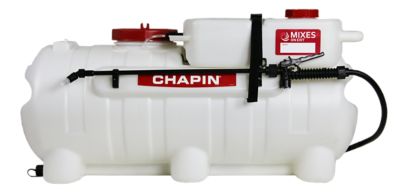
ATV sprayer boom kits turn a compatible tank-and-pump setup into a broadcast sprayer that covers a swath of ground instead of treating one spot at a time with a wand. That wider spray pattern comes in handy across pasture sections, food plots, open lawn areas, and other ground where the treatment label permits application. For acreage owners, livestock keepers, and folks maintaining hunting property, a boom attachment can make repeated passes more consistent while cutting down on wand work. A typical kit brings together a boom frame, spray nozzles, and plumbing connections, though mounting hardware, hoses, valves, and other components vary by design. The tank and pump may be separate, so the kit’s contents matter as much as its working width. Compact two-nozzle designs may cover roughly 7 to 8 feet, while larger multi-nozzle arrangements can reach about 12 feet or more; the stated coverage depends on the nozzle pattern and recommended operating height. Physical frame width and sprayed width are not always the same measurement. A wider swath means fewer trips across an open patch, but a smaller setup can be easier to manage around trees, fence corners, and narrow access lanes. Folding boom arms can reduce the space needed for transport and storage, while certain breakaway designs let an arm swing back after incidental contact with an obstruction. Those features offer some protection, but they do not make a boom suited to pushing through brush or dragging against posts. On a place with a broad back pasture and a tight gate near the barn, both working width and folded dimensions deserve attention. The broader
Sprayers Farm Tools category provides context for how boom attachments fit alongside other spraying equipment. The right match starts with the ground being treated, the equipment already on hand, and the amount of maneuvering each job involves. A boom suited to long, straight runs may feel quite different on a small plot broken up by sheds, ditches, and garden fences.
Fit goes beyond whether an ATV sprayer boom kit can bolt onto a rear rack. Mounting style, bracket spacing, fastener size, hose diameter, and fitting type all affect how the attachment connects to an existing sprayer. Some assemblies mount to an ATV rack, while others attach to a compatible sprayer frame or trailer; those arrangements are not interchangeable without the manufacturer’s approved hardware. Clearance around tires, exhaust components, lights, and the hitch matters, especially when the suspension moves over ruts. A full tank also adds substantial weight: water alone weighs about 8.3 pounds per gallon, before accounting for the tank, boom, pump, and attachments. The ATV’s rack, payload, and towing limits remain part of the setup, along with the mounting instructions. Pump capacity is another important match. Nozzle count alone does not establish the pump requirement because each tip draws a particular flow at a particular pressure. The pump needs to supply the combined nozzle demand at the intended operating pressure, plus any flow required for agitation or bypass operation. A free-flow gallons-per-minute rating does not necessarily describe what the pump delivers under pressure. Too little flow can leave an uneven pattern, and turning up pressure is not a substitute for matching the components. Nozzle charts connect tip size, pressure, spacing, and travel speed to the application rate, making them more useful than a coverage-width claim by itself. Across a level stretch, steady speed and the recommended boom height help neighboring spray patterns overlap as intended. On rolling ground, a securely supported frame helps limit bouncing, though the operator still needs to slow down as conditions require. Features such as an accessible shutoff valve, pressure gauge, nozzle strainers, or check valves can simplify operation when included or supported by the setup. Check valves may help reduce dripping after shutoff, while strainers catch particles that might otherwise obstruct a tip. For a property owner moving between open grass and tighter patches, compatibility and control often matter more than choosing the widest boom.
Materials and upkeep play a big part in how an ATV spray boom handles regular work around the property. Steel frames provide firm support, and protective coatings help resist corrosion where moisture and spray residue meet the metal. Coatings still need attention at scratches, hinges, and mounting points, where wear can expose the surface underneath. Depending on the design, plumbing components may include polymer nozzle bodies, reinforced hose, and metal fittings. Each wetted part, including seals and gaskets, needs chemical compatibility with the intended spray solution; a frame that fits the ATV does not establish that compatibility. Replaceable tips, accessible strainers, and serviceable hose connections can make routine care less of a chore after a long pass along a pasture edge. A clean-water check before mixing a treatment helps reveal leaks, loose connections, and differences in nozzle output without spreading chemicals. Calibration establishes how much liquid reaches a given area at a set speed and pressure, which is essential when following the treatment label’s application rate. Worn tips can deliver more liquid than expected even when the pattern still looks reasonable, so output checks matter alongside a visual inspection. Nozzle choice also affects droplet size and drift potential, but no tip makes spraying appropriate in every wind or weather condition. Nearby gardens, ponds, livestock areas, and neighboring crops all call for attention to label restrictions, buffers, and any grazing or reentry intervals. During the cooler months, suitable treatment timing depends on the target plants, temperature, and the product label rather than the calendar alone. After spraying, cleaning belongs on the same job list as parking the ATV: follow the chemical and equipment instructions, manage rinsate as directed, and keep residue away from wells and waterways. Before freezing conditions, drain or winterize the system according to the equipment manufacturer’s directions, including the pump, valves, and nozzle bodies where liquid can remain trapped. Sheltered storage, secured folding arms, and a quick check of hoses and mounting bolts help keep the attachment ready for the next suitable stretch of fieldwork.