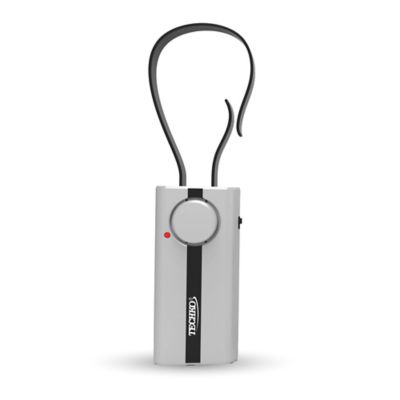
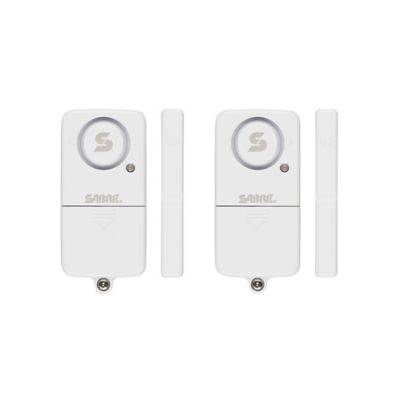
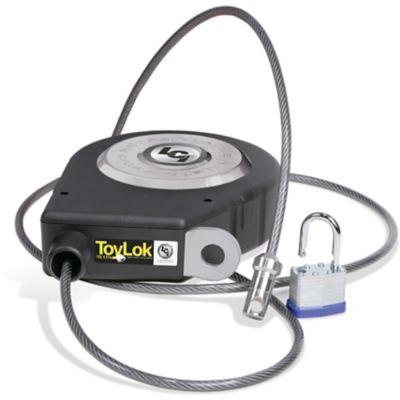
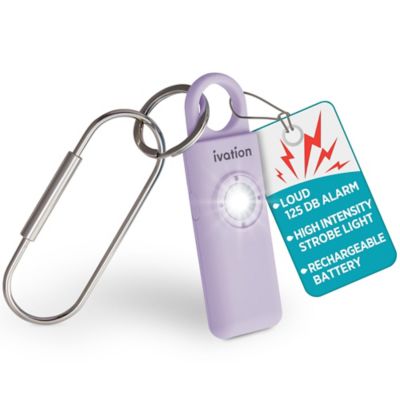
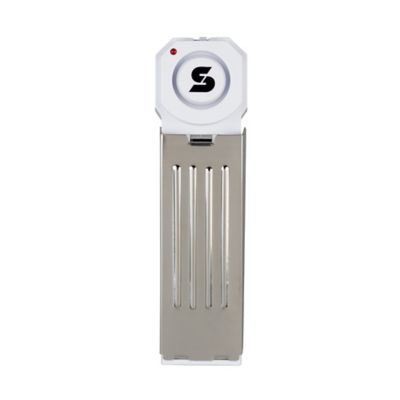
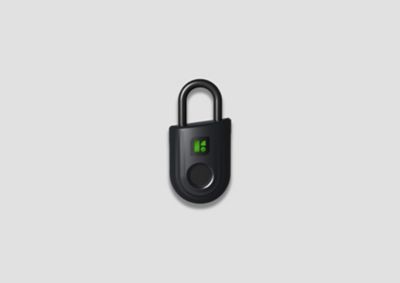
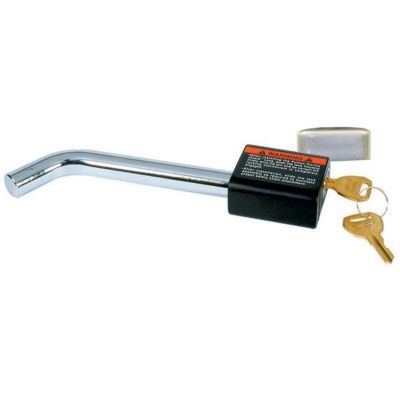
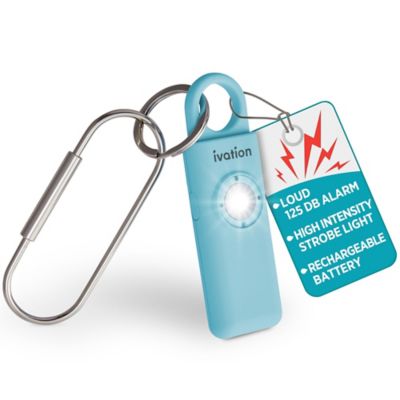
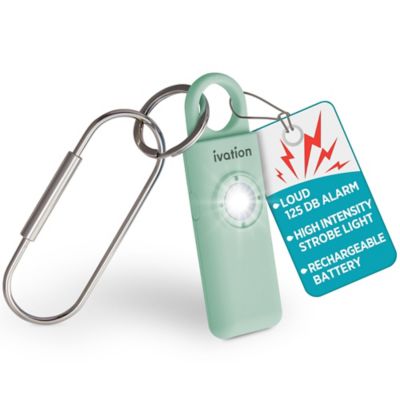
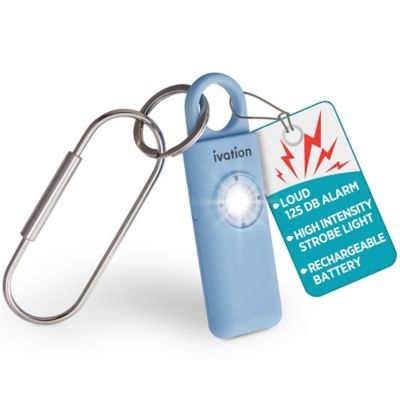
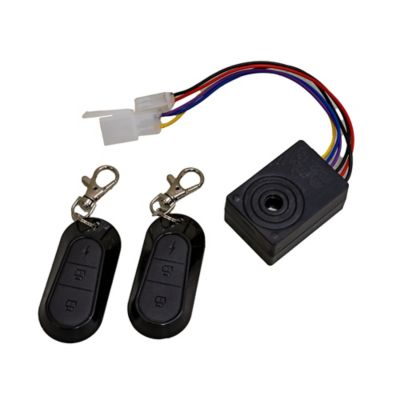
Anti-theft alarms help add an extra layer of protection when you want to know about unwanted movement, tampering, or entry around your home, vehicle, shop, barn, garage, shed, or personal belongings. Depending on the style, an alarm may use vibration, motion, contact, tilt, or door and window sensors to detect activity, then respond with a loud siren, flashing light, phone notification, or a combination of alerts. That quick warning can startle a trespasser, alert people nearby, and give you time to check what is happening before a small problem turns into a costly one. These devices can be especially handy on rural properties where buildings may sit a fair distance from the house. A barn door opening after dark, a gate being disturbed, or movement near a detached garage may not be easy to hear from inside, particularly when wind, rain, livestock, or equipment is making its own racket. Some alarms are made for a single door, window, cabinet, toolbox, bicycle, or vehicle, while others can monitor a larger area with multiple sensors. As you compare options, start with the item or space you want to protect and think about how far away it is from your usual living or working area. A simple local siren may be all you need for a nearby entry point, while a connected alarm that sends real-time alerts to a phone can be useful for a vacation property, workshop, outbuilding, or driveway. For broader coverage around a home or acreage, explore
Driveway Alarms alongside other security equipment.
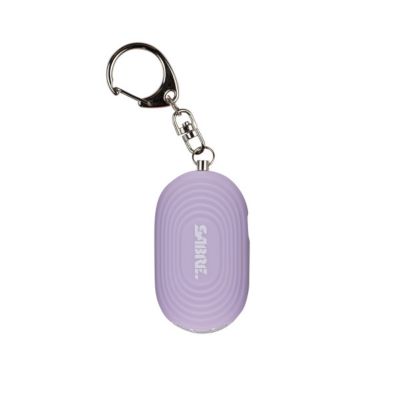
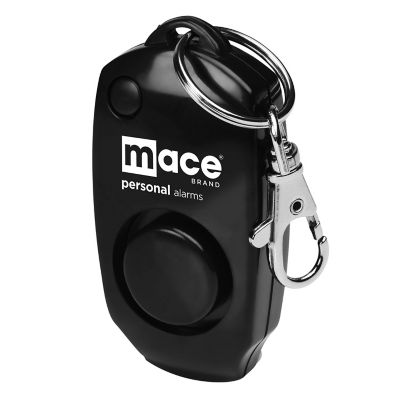
Choosing the right anti-theft alarm comes down to matching the detection method and power source to the job. Vibration alarms can help protect motorcycles, bicycles, trailers, gates, tool chests, and other items that may be disturbed, lifted, or moved. Door and window contact sensors are a practical fit for homes, sheds, tack rooms, cabinets, and storage areas because they sound when the two sensor pieces separate. Motion sensors can cover rooms, porches, hallways, garages, or approaches to a building, though they should be positioned with care to reduce false alarms caused by pets, wildlife, moving branches, or rapid temperature changes. Tilt sensors may be useful for vehicles and equipment, while a compact personal alarm can be carried on a key ring, backpack, or bag for an attention-getting sound in an uncomfortable situation. Check the alarm’s sound level, sensing range, weather resistance, mounting method, and operating temperature before buying. Outdoor units should be rated for exposure to moisture, dust, and changing conditions, and they need a location where the sensor has a clear view without being easily reached or covered. Battery-powered alarms are often simple to install in places without wiring, but remember to check battery life and choose a model with a low-battery warning when possible. Hardwired or rechargeable options can reduce routine battery changes, although they may take more planning. If an alarm uses Wi-Fi, Bluetooth, a hub, or a mobile app, confirm that the connection will reach the intended location and that the setup works with your phone. A loud alarm is useful only when it can be heard, and a phone alert is useful only when the device stays connected and notifications are enabled.
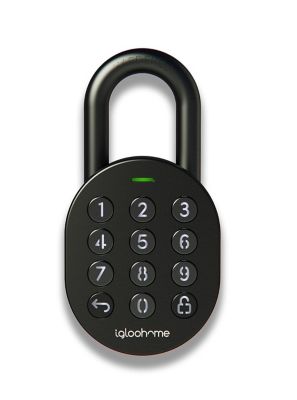
Anti-theft alarms can be a thoughtful, practical gift for new homeowners, college students, commuters, cyclists, travelers, small-business owners, and anyone moving into a garage, apartment, camper, workshop, or rural property. They also make sense for family members who keep expensive tools, outdoor power equipment, hunting gear, farm supplies, or recreational equipment in a detached building. During the cooler months, doors and windows may stay closed for longer stretches, and holiday travel or weekend trips can leave a property unattended, making a simple alert system a reassuring addition to a broader security routine. An alarm is not a replacement for strong locks, good lighting, secure fencing, or responsible storage, but it can make those measures work harder by drawing attention when something changes. Before installing one, walk the property in daylight and after dark to notice blind spots, normal sources of motion, and places where a sensor could be shielded. Keep entry codes and app access private, let trusted household members know how to arm and disarm the system, and test the alarm after installation so you know exactly what happens when it triggers. For vehicles and bicycles, place sensors where they will detect tampering without interfering with safe operation, and make sure an alarm is disarmed before moving or starting the vehicle. For sheds and barns, consider the daily routine of feeding animals, bringing in equipment, or opening doors in the early morning so the system fits real-life use instead of becoming a nuisance. With the right placement and a little maintenance, anti-theft alarms can provide a straightforward way to keep watch over the places and belongings that matter, whether you are close by, working across the property, or away for a few days.