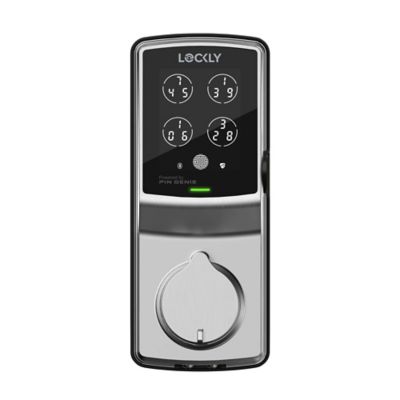
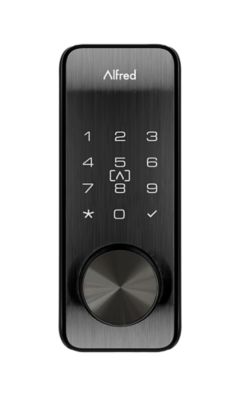
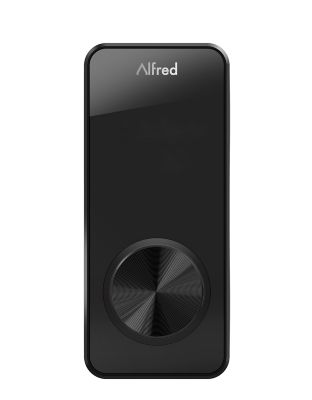
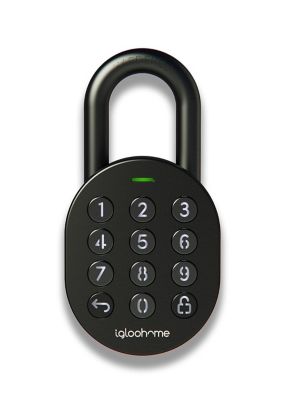
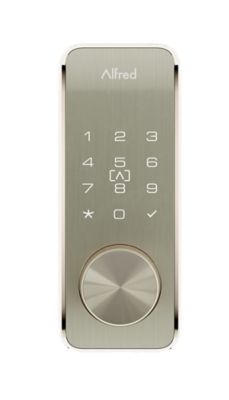
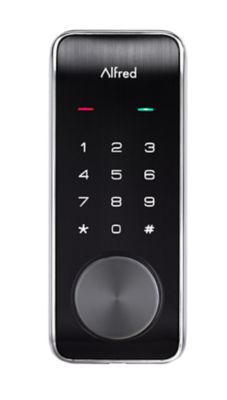
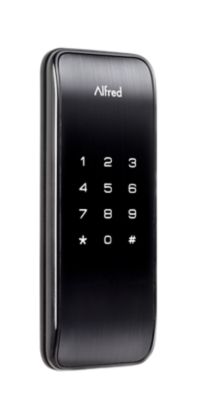
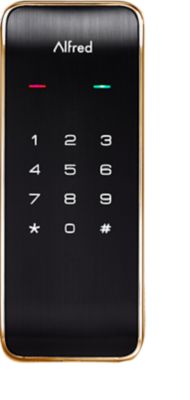
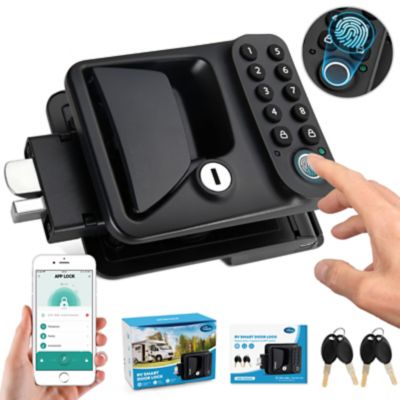
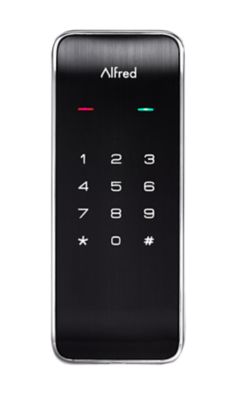
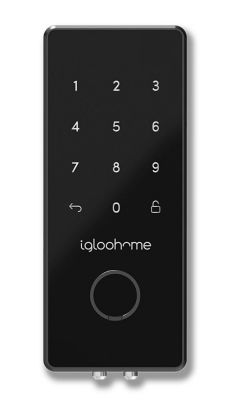
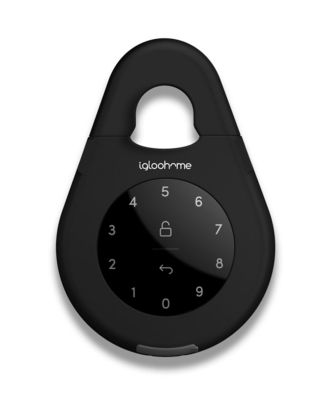
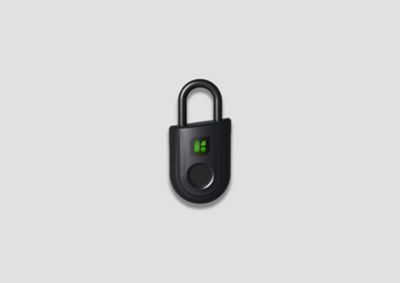
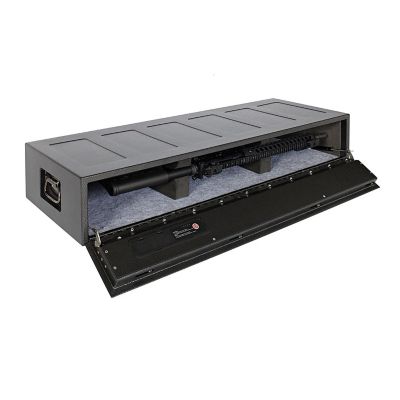
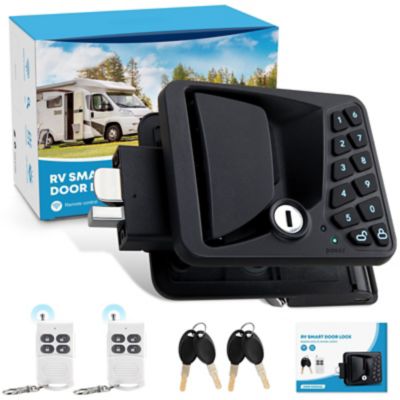
Smart locks let you lock and unlock a door through electronic access methods such as a PIN code, smartphone app, fingerprint reader, or supported phone tap. Depending on the design, a physical key may remain available as a backup. These locks bring everyday convenience to home entrances, attached garages, workshops, and other spaces where the door and hardware meet the lock’s installation requirements. Coming home with feed sacks, groceries, or a child in tow is simpler when there’s no need to dig through a pocket for the right key. For households with several people coming and going, individual entry codes can help keep access organized without handing out another key to everyone. Some smart door locks support temporary or scheduled codes for a visiting relative, house sitter, or contractor, with options to remove that access when the visit or job is over. The exact controls vary, so the distinction between basic keypad entry and connected access management matters. A keypad can handle everyday entry without requiring everyone to carry a smartphone, while app-enabled features may allow an owner to manage permissions or check lock activity. Fingerprint entry offers another way in, though reader placement and recognition performance matter for people whose hands are often dusty from chores. Large, clearly marked buttons can be easier to operate than a small touchscreen for someone who prefers straightforward controls. A lighted keypad helps make numbers easier to see in a dim entryway, and audible or visual feedback can confirm that a command registered. For families, shared homes, or a place where neighbors occasionally stop by to check on things, the best fit is often the lock that makes everyday access simple without giving everyone the same level of control. A smart lock can also be a practical housewarming gift, provided the recipient’s door, phone, and installation preferences are known beforehand. Access convenience matters most when it fits the way people actually move through the property, whether that means a busy front entrance or a workshop door that needs its own access rules.
Door fit and the condition of the surrounding hardware are just as important as electronic features. Full-replacement smart deadbolts replace the existing deadbolt assembly, while retrofit designs typically attach to the inside of a compatible lock and keep the exterior key cylinder in place. A retrofit can appeal to someone who wants to retain an existing key arrangement, although rental agreements and property rules still apply. Door thickness, backset, bore-hole size, bolt spacing, and clearance around the interior thumb turn all affect compatibility. The backset is the distance from the door edge to the center of the lock opening, and it needs to match the supported dimensions. An interior battery housing also needs enough room to clear nearby trim, handles, or glass. Not every electronic lock fits a narrow door stile, sliding door, gate, or multipoint locking system, so intended application deserves close attention. A deadbolt should move freely into its strike plate without someone lifting the handle or leaning against the door. Binding can strain the motor and shorten battery life, and an electronic mechanism will not correct a sagging door or a loose frame. Metal housings, reinforced mounting points, and well-fitting fasteners contribute to a solid installation, while finish options can coordinate with existing handles and hinges. Where a lock lists an ANSI/BHMA grade or certification, that information offers a useful reference for tested performance; the door, strike, and frame still form part of the overall security setup. Supporting hardware from
Lock Accessories may also belong in an entryway project, with compatibility checked for each component. For a frequently opened family entrance, smooth operation and comfortable interior controls deserve as much attention as app features. Doors serving living spaces also need an exit arrangement that meets applicable requirements, so convenience never comes at the expense of getting out promptly. A solid fit helps the lock do its job without turning every trip through the doorway into a wrestling match.
Connectivity determines how a smart lock works with a phone and the rest of a connected home. Bluetooth commonly supports communication nearby, while Wi-Fi can enable remote access when the lock has built-in support or a compatible bridge. Matter support may help a lock work across compatible smart-home platforms, but controller requirements, network connections, and available functions still vary. Some Thread-based setups require a compatible border router as part of that connection. Remote locking, notifications, voice controls, and scheduled access should be treated as model-dependent features rather than standard equipment. A lock-status report also does not necessarily confirm that the door itself is shut; that generally requires a compatible door-position sensor. Automatic relocking can engage the bolt after a set interval, but it cannot pull an open door closed. Battery power deserves attention, too. Many smart locks operate on replaceable or rechargeable batteries, with service life affected by motor workload, connection type, settings, and frequency of operation. Low-battery alerts are helpful, but a backup entry plan still matters. Depending on the design, that might mean a physical key kept somewhere secure or an exterior emergency-power connection. Basic keypad operation often remains available during an internet interruption, though remote features may not, and the lock’s stated behavior should match the household’s needs. Routine care is usually straightforward: keep the keypad and fingerprint reader clean with a soft cloth, follow the maker’s cleaning directions, and avoid spraying cleaner into openings. Periodic checks of mounting screws, bolt alignment, and battery contacts help keep operation smooth. Software updates, strong account passwords, and multifactor authentication where supported add another layer of account protection. Old access codes should be removed when someone no longer needs entry, and shared codes deserve the same care as spare keys. Together, a sound installation, sensible access settings, and manageable upkeep make smart locks a useful part of an entryway that works for everyday life.