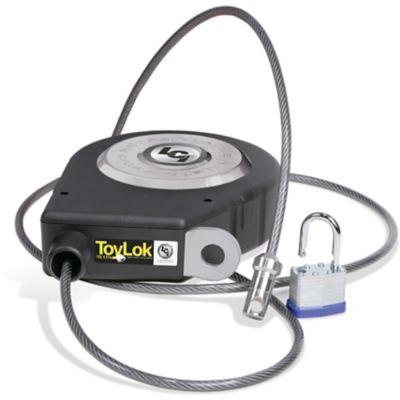
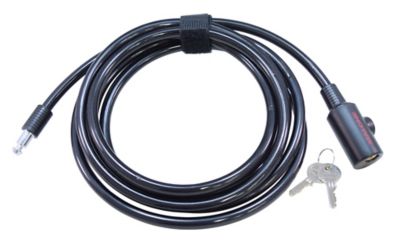
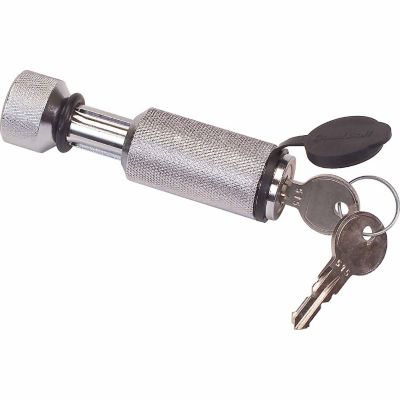
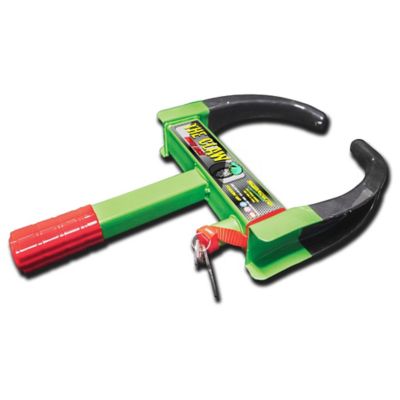
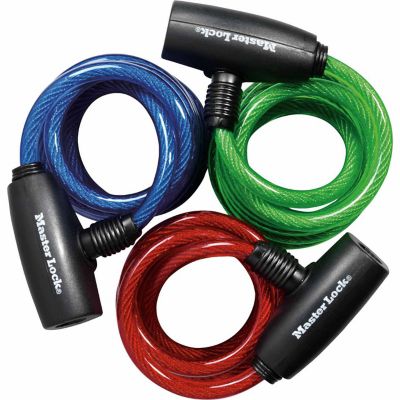
Anti-theft devices help add another layer of protection for cars, trucks, farm equipment, trailers and other valuable property. Depending on the type, they can make a vehicle harder to drive away, keep someone from starting the engine, hide or block a key signal, or help locate an asset after it has been moved. A visible deterrent may be enough to make a thief pass by in search of an easier target, while a concealed immobilizer or tracking unit can provide additional security when a vehicle is parked overnight, left at a jobsite or stored during the cooler months. Steering wheel locks use a strong bar or similar physical barrier to limit wheel movement and are easy to see through the windshield. Pedal-to-wheel locks secure the brake or clutch pedal to the steering wheel, creating another physical obstacle. Tire clamps and wheel boots keep a vehicle from rolling, which can be useful for trailers, utility vehicles, campers and equipment that may sit unattended for extended periods. These options are especially helpful for older vehicles that do not have modern built-in security features, as well as for work trucks that regularly spend long hours away from home. Look for a device that fits the vehicle properly, is made with sturdy materials and can be operated without a lot of fumbling in the dark or cold. A lock that stays in the glove box because it is difficult to install is not doing much good; the best choice is one that fits naturally into the daily routine, whether that means securing the truck at the farm gate, the trailer beside the barn or the car in the driveway.
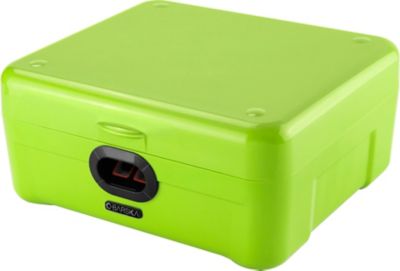
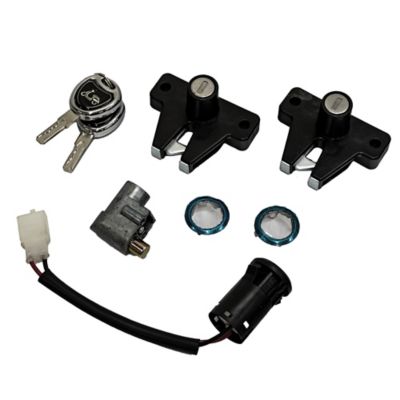
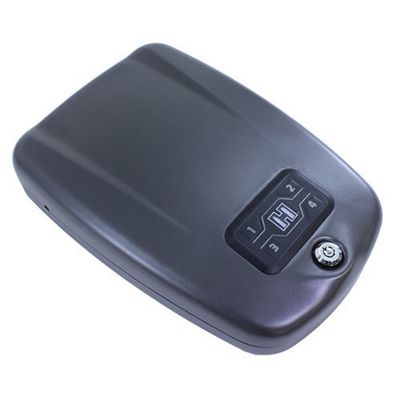
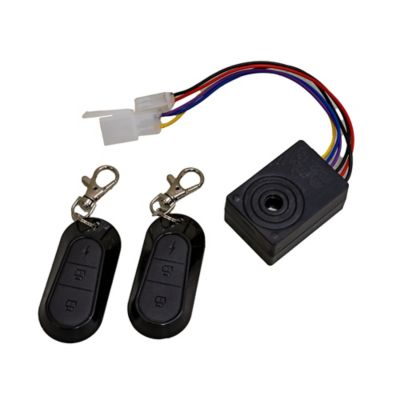
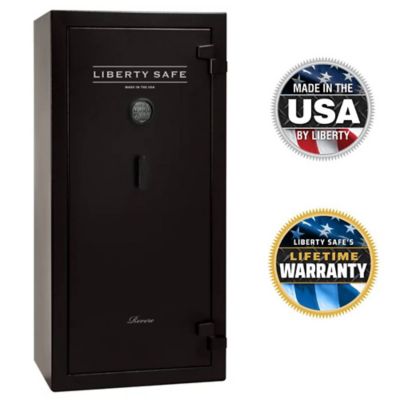
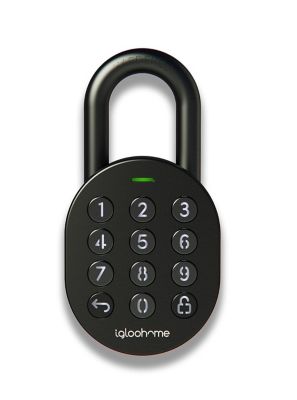
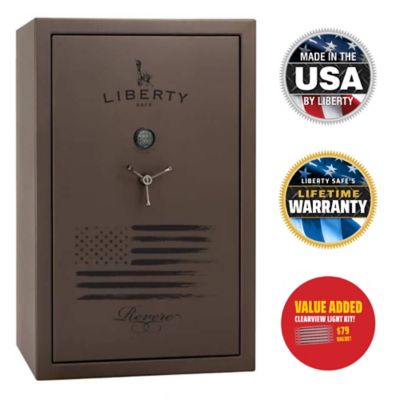
Electronic anti-theft devices work in a different way by interrupting starting functions, protecting key-fob signals or sending location information. A hidden kill switch can cut power to the starter, ignition or fuel system so the engine will not run unless the switch is activated. Some immobilizer systems use a separate plug, code or concealed control to complete the starting circuit. Because wiring varies from one vehicle to another, installation should be handled carefully and may be best left to a qualified automotive technician. An incorrectly installed system can cause starting problems, drain a battery or interfere with factory electronics. Signal-blocking pouches and containers are designed to isolate the radio signal from a key fob, helping reduce the risk of wireless relay theft when keys are kept near an exterior door, window or garage wall. They need to close fully and should be tested from time to time, since worn fabric, gaps or improper use can reduce their effectiveness. GPS and cellular asset trackers serve a different purpose: they generally do not prevent a theft in progress, but they can provide location updates, movement alerts or boundary notifications that may help with recovery. Before choosing one, check whether it requires a monthly service plan, how often it reports its location, how long the battery lasts and whether it needs a clear view of the sky or a dependable cellular connection. For equipment that works far from town, coverage matters just as much as the tracker itself. It is also wise to review app permissions, account security and who will receive alerts. Anti-theft protection works best as a layered approach. A steering wheel lock can make the threat obvious, a hidden immobilizer can stop the engine from starting, and a tracker can supply useful information if the vehicle is moved despite those precautions. Keep keys, spare remotes and access codes secure, lock doors and storage compartments every time, and avoid leaving tools, firearms, paperwork or other tempting items in plain sight. For valuables stored at home, a connected option such as
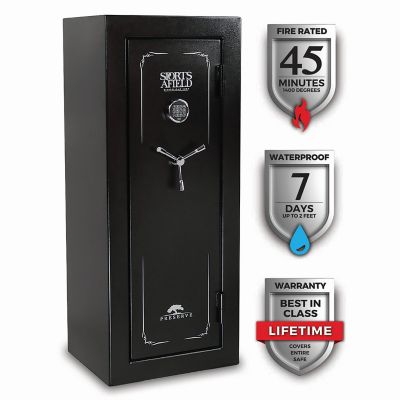
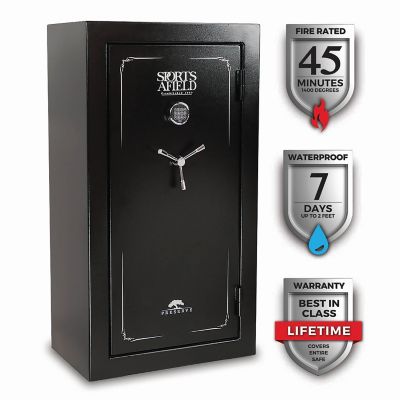
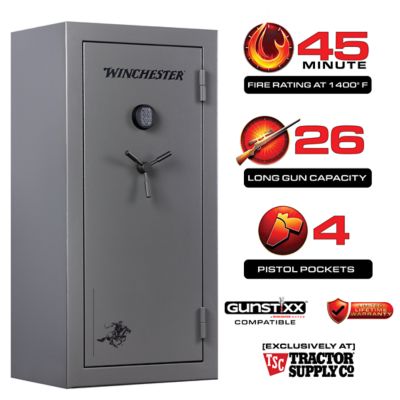
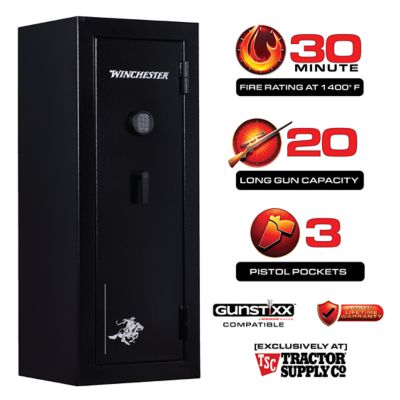
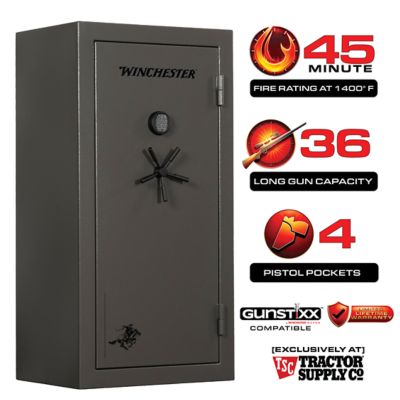
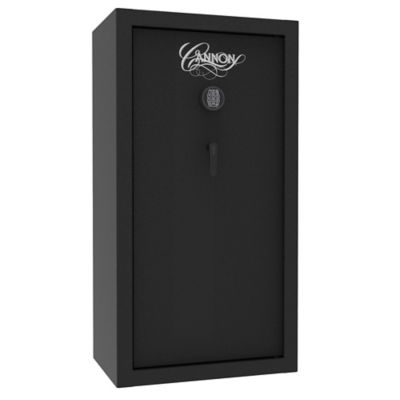
Smart Safes can add controlled access and activity notifications alongside vehicle security measures.
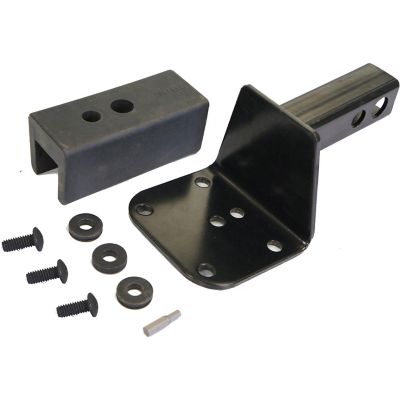
These devices may be a practical purchase for anyone who owns a truck, car, motorcycle, camper, trailer or piece of movable equipment, including rural homeowners, contractors, delivery drivers, hunters, small businesses and farmers who leave machinery at fields or remote work areas. They can also make a thoughtful gift for a new driver, a college student taking a vehicle away from home, a family member who has recently purchased a work truck or a neighbor who keeps a trailer parked outside. Consider the way the vehicle is used before settling on a security setup. A daily driver may benefit from a quick-to-use steering wheel lock and key-signal protection, while a rarely moved trailer may call for a wheel clamp or hitch security along with a tracker. Check measurements, steering wheel and pedal clearance, power requirements, weather resistance, mounting options and compatibility with the vehicle’s make, model and year. Outdoor equipment sees plenty of dust, rain, mud and temperature swings, so a device intended for exterior use should be built to stand up to those conditions and stored where it will not be forgotten. During the warmer part of the year, open windows, road trips, fairs and outdoor projects can mean more vehicles are parked away from home; as routines shift into cooler weather, early darkness and longer periods of equipment storage bring their own security concerns. A quick inspection of locks, cables, batteries, mounting hardware and tracking subscriptions before those changes can prevent a small problem from becoming a costly one. No anti-theft device replaces sensible habits, insurance or local reporting procedures, and no single device guarantees that a vehicle or asset cannot be stolen. Still, a well-matched combination of visible deterrents, physical barriers, electronic immobilization and recovery support can slow down unauthorized access, discourage opportunity theft and give owners greater peace of mind when valuable property is parked near the house, along a gravel drive or out on the back forty.