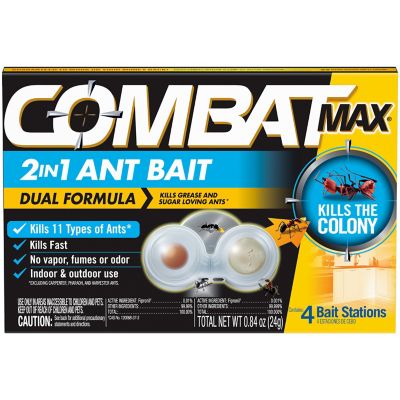
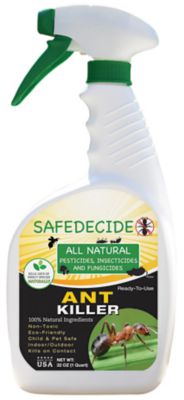
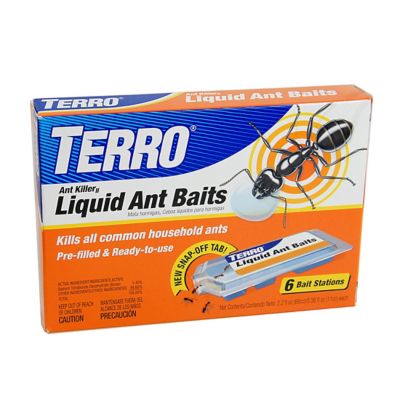
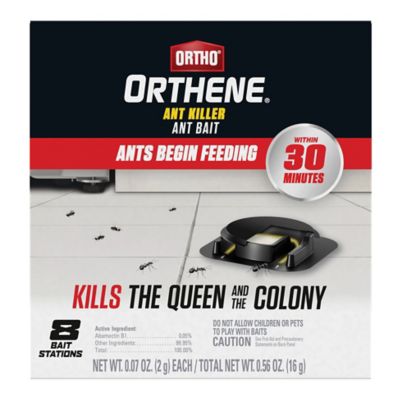
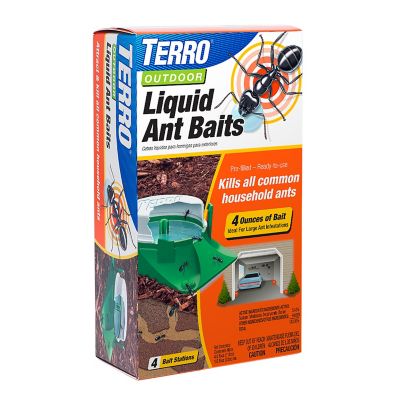
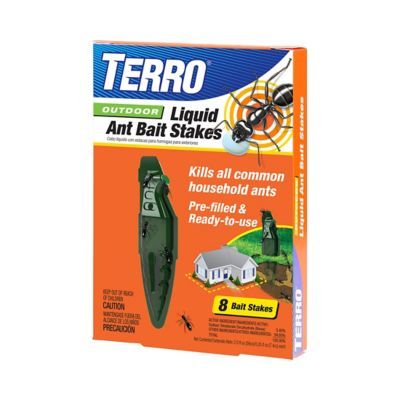
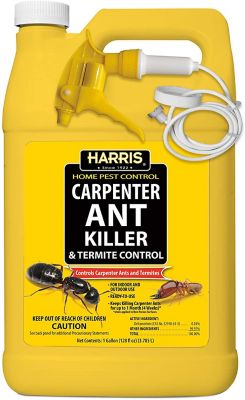
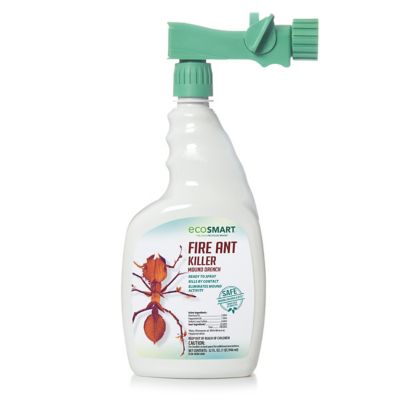
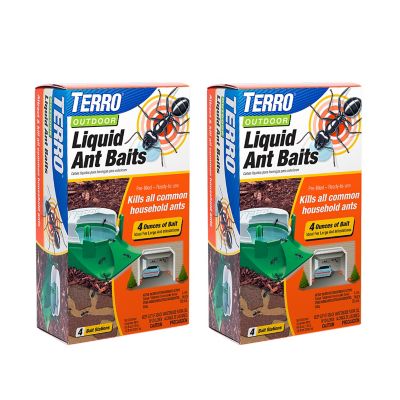
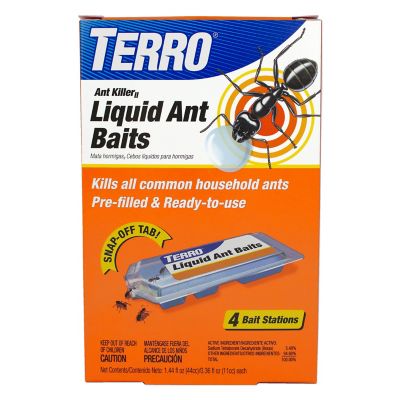
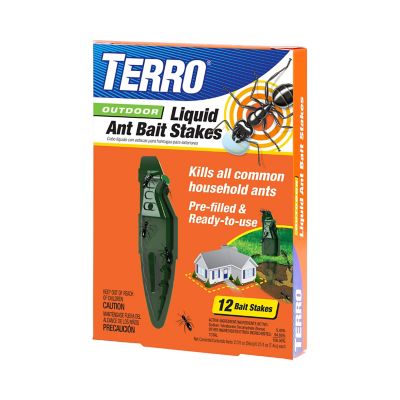
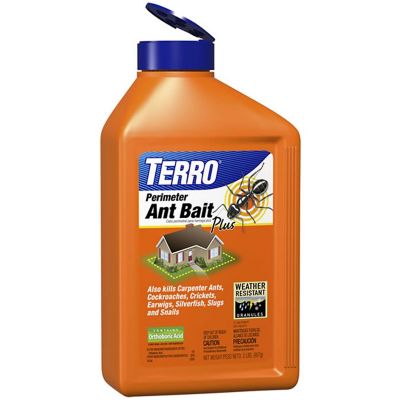
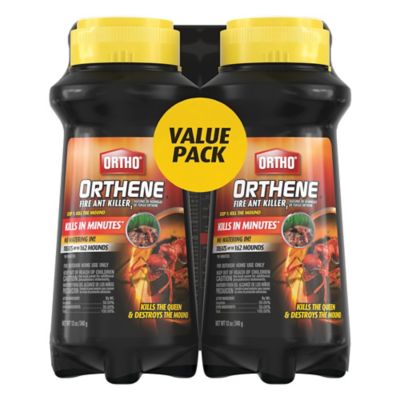
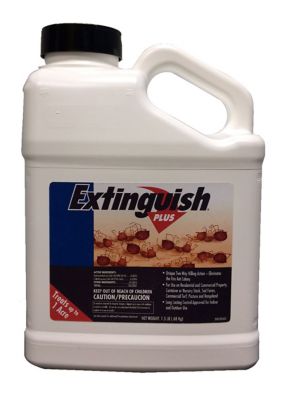
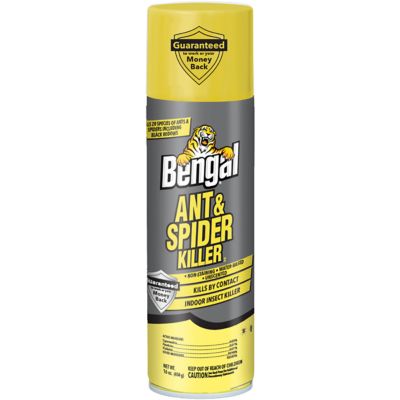
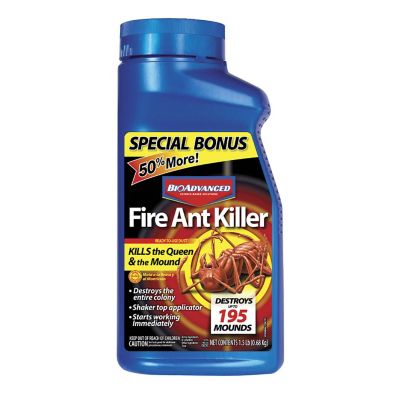
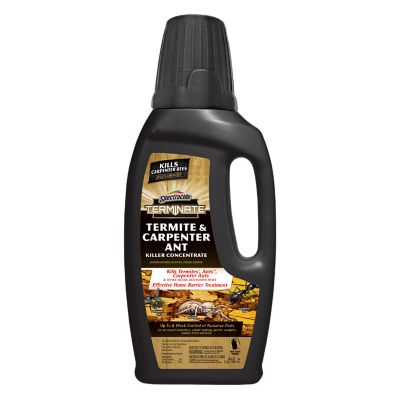
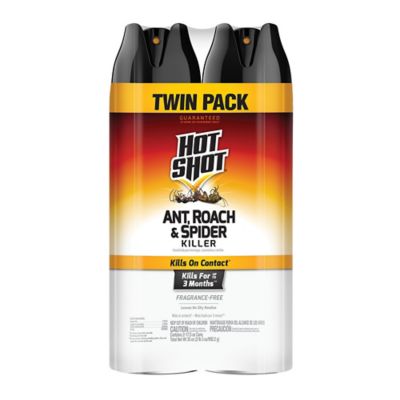
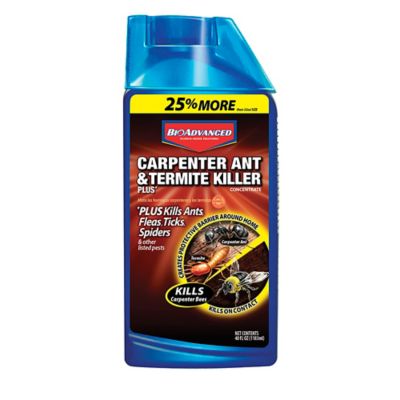
Ant control products help manage everything from a thin trail along the kitchen baseboard to persistent activity around porch steps, foundations and outbuildings. The right fit depends on the ants involved, where they’re traveling and whether the goal is controlling visible workers or reaching the colony behind them. Ant baits and contact treatments serve different purposes. Slow-acting baits pair an attractant with an insecticide, allowing foraging ants time to carry food back and share it with other colony members. That makes bait a practical option for ongoing activity, although results take time and depend on the ants accepting the bait. Contact sprays kill ants they reach, while some labeled residual treatments continue working on treated surfaces for a stated period. Killing the workers crossing a doorway does not necessarily eliminate the nest. Liquid baits, gels, enclosed bait stations, granular baits and other insecticide granules offer different ways to address those situations. Ant feeding preferences can shift between sweet foods and protein or grease sources, so bait acceptance matters as much as the package format. A trail beside the pet food area may respond differently from ants moving through damp wood near a back door. Species identification helps narrow the choice, too: carpenter ants nest in wood rather than eating it, and their presence can point to moisture trouble that insecticide alone will not fix. Fire ants present a different concern because their stings make activity near walking paths, play spaces and animal areas more than a nuisance. Labels identify the ant species and treatment sites a formula is intended to address. For homeowners, renters and folks keeping up a rural property, those details make it easier to match indoor ant control or outdoor ant control to the actual problem, rather than treating every trail and mound the same way.
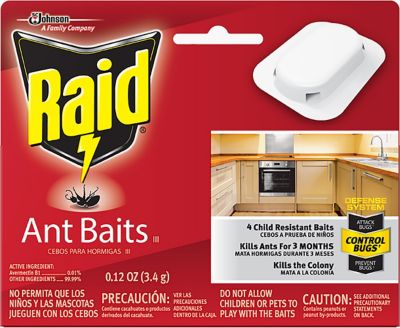
Indoor ant control products need to suit the space as well as the pest. An enclosed bait station holds its contents inside a housing, while a gel applicator allows small placements in cracks and crevices where the label permits. Neither format makes placement around children or animals risk-free, and a station should never be treated as a chew-proof container. In a busy farmhouse kitchen, the important fit considerations include clearance behind an appliance, access for checking the bait and separation from food preparation surfaces. A utility room with plumbing gaps calls for different placement than an open pantry shelf. Ready-to-apply formulas reduce measuring and mixing, while concentrates require the dilution, application equipment and protective gear specified on the label. Spray patterns and applicator tips also affect how neatly a treatment reaches its intended spot. Surface compatibility matters around painted trim, flooring and finished cabinetry; permitted surfaces and any spot-testing directions belong in the buying decision. Strong odor is not a measure of effectiveness, and plant-derived ingredients do not automatically make an insecticide harmless to pets or people. The same attention belongs on storage and upkeep. Original labeled containers, secure storage away from feed and food, and protection from temperature extremes help keep pest-control supplies contained and identifiable. Bait stations may need replacement when their contents are depleted, contaminated or dried out, according to their directions. Fresh bait can matter because ants may pass over material that is no longer appealing. Spraying insecticide on or near bait can interfere with feeding or repel ants from the placement, so compatibility between treatments deserves attention. Even a well-matched formula works within the conditions around it: spilled sweet tea, crumbs under a boot bench and a dripping sink connection can keep drawing ants inside. Ant control products fit best alongside ordinary cleanup, leak repairs and attention to entry gaps, not as a substitute for them.
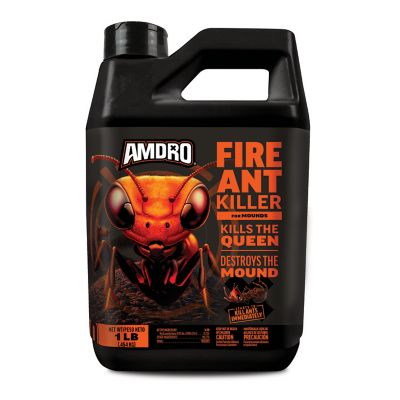
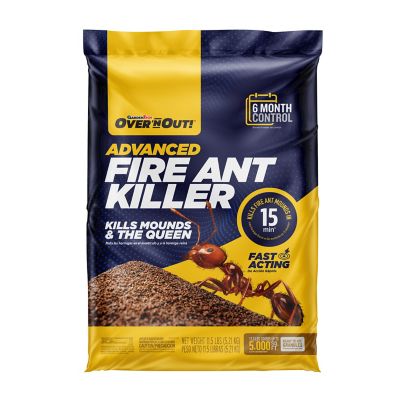
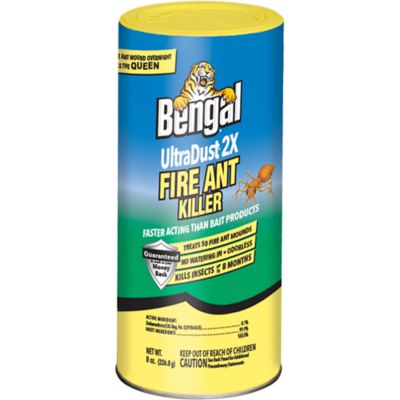
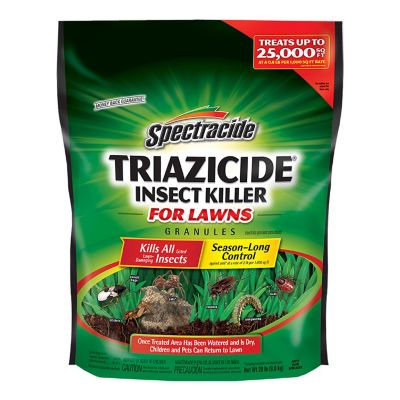
Outdoor ant control products cover a broader range of conditions, from sheltered foundation edges to open turf exposed to rain, irrigation and foot traffic. Granular bait and granular contact insecticide may look similar in the bag, but their application requirements can be very different. Bait generally needs to remain appealing for ants to collect it, whereas some other granule treatments require watering after application to move the insecticide into the treatment area. The label determines whether dry ground, watering or a rain-free interval is necessary; one set of directions does not apply to every lawn treatment. For properties where activity is concentrated in grass,
Ant Killers for Lawns focuses on that part of outdoor pest control. Lawn suitability still depends on the listed ant species, permitted turf sites and application restrictions. Individual mound treatments address a defined spot, while broadcast treatments cover a larger labeled area at a specified rate. A mound beside the mailbox and scattered activity across a wide yard call for different coverage and application planning. Package coverage, spreader compatibility and the need for a hose or other equipment help determine whether a treatment fits the property and the job. For perimeter sprays, exposure to weather, the treatment surface and the stated reapplication interval all affect expectations for lasting control. Outdoor labeling does not automatically authorize application in vegetable gardens, pastures, poultry runs or livestock housing. Around a barn or feed room, permitted treatment locations deserve especially close attention, along with restrictions involving feed, drinking water and animal access. Children and pets must stay out of treated areas for the period specified on the label, which may include waiting until a spray has dried or watered-in granules have dried. During cooler weather, outdoor activity may slow while ants remain noticeable in sheltered indoor spaces. Matching treatment to those observed conditions keeps the focus on the places that need attention, whether that’s a crack beside the mudroom threshold or an active mound along the yard’s edge.