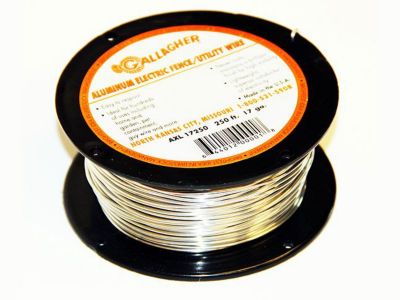
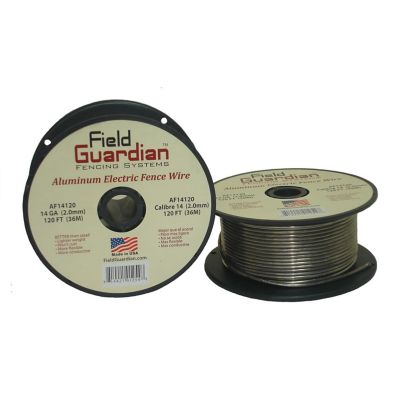
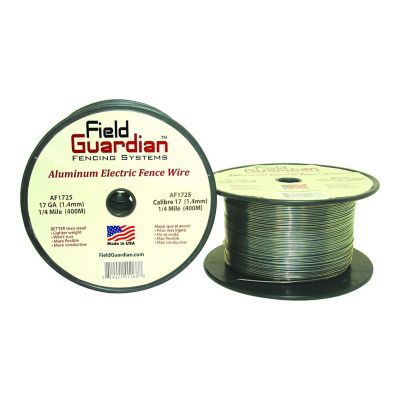
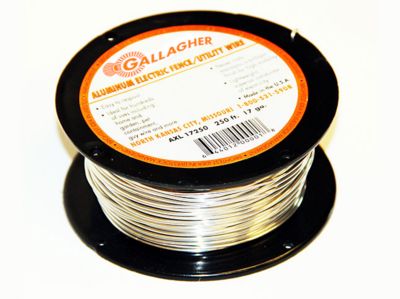
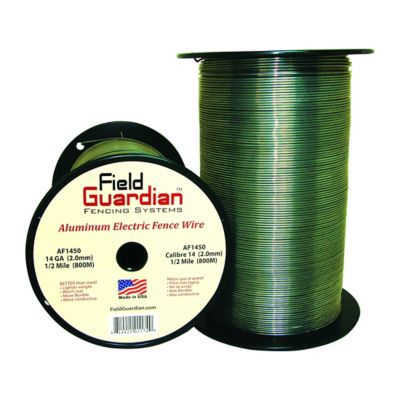
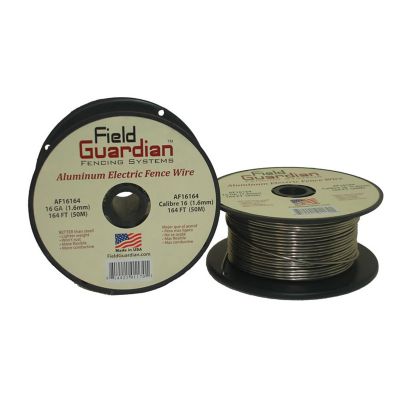
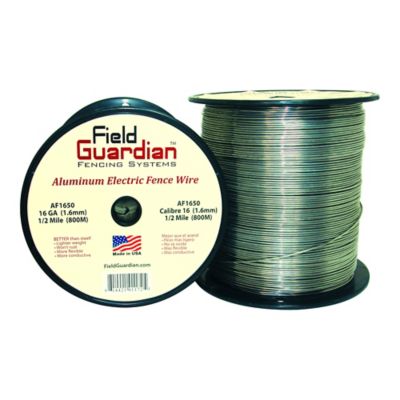
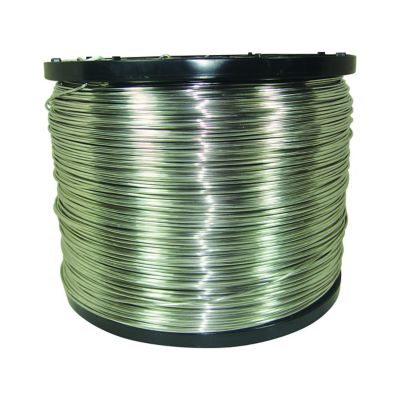
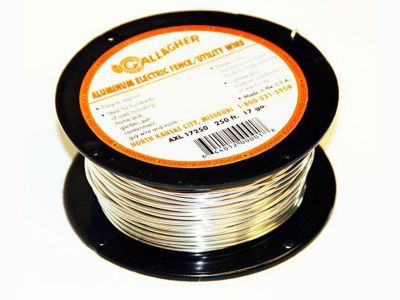
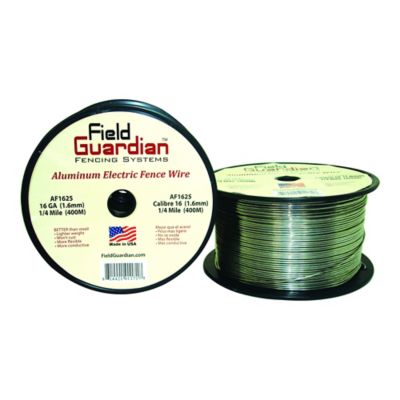
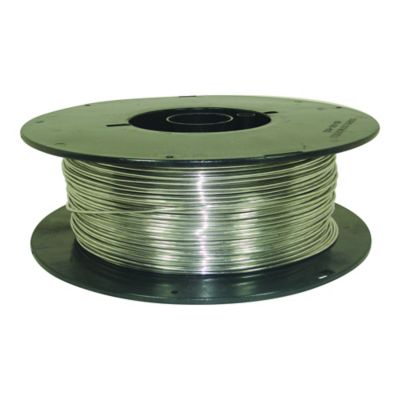
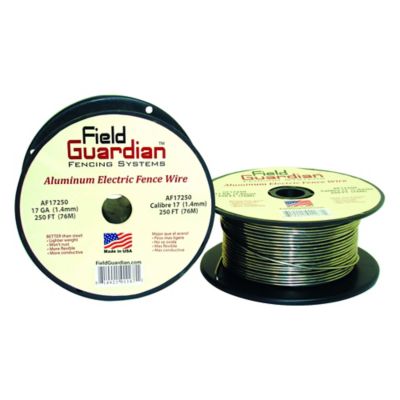
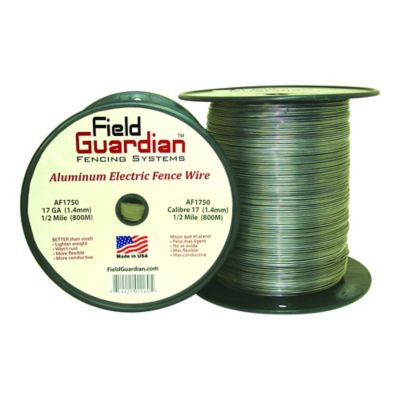
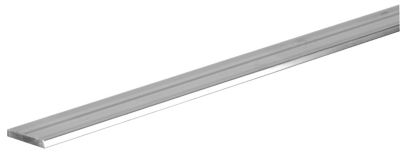
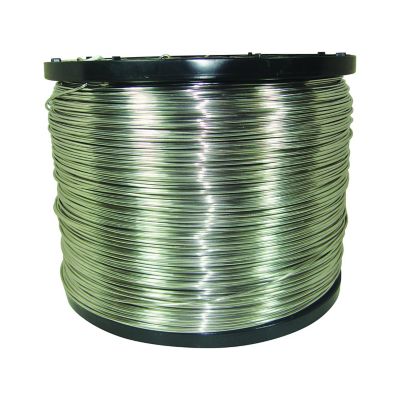
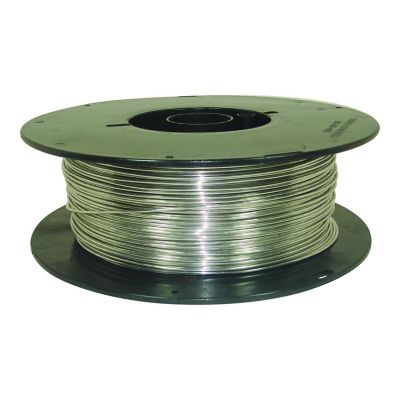
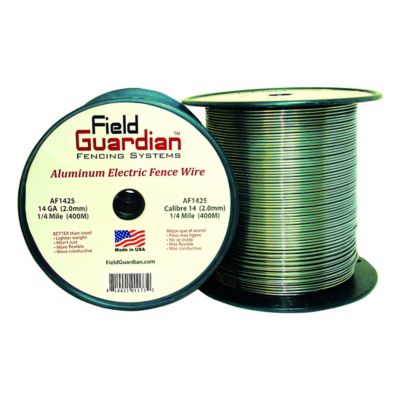
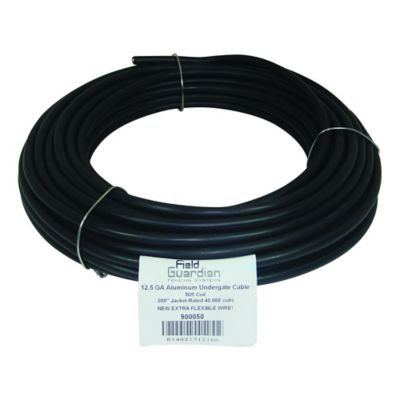
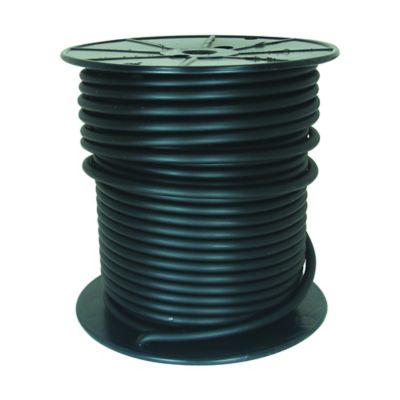
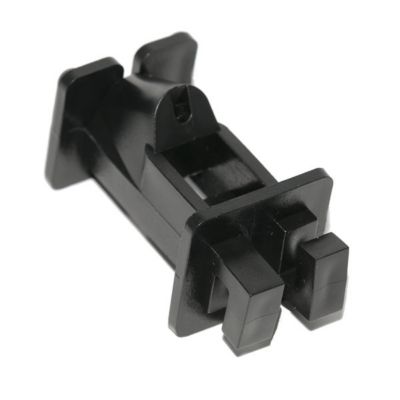
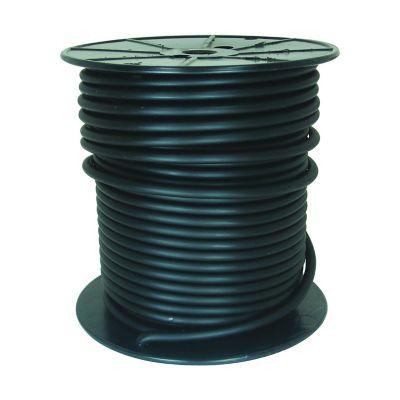
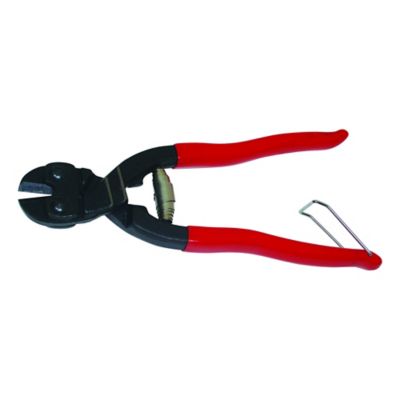
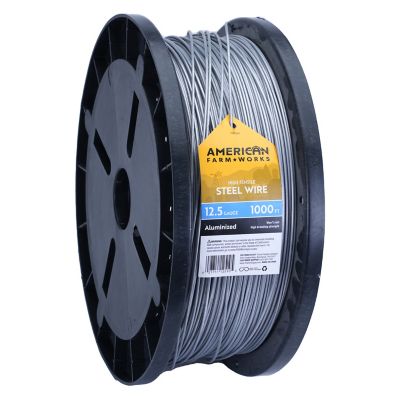
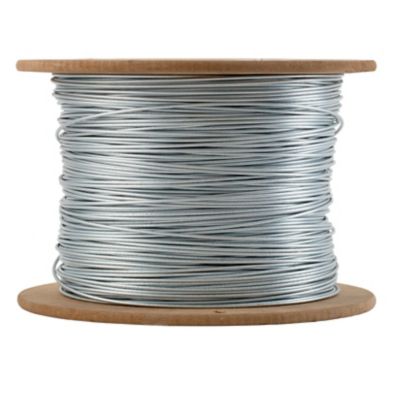
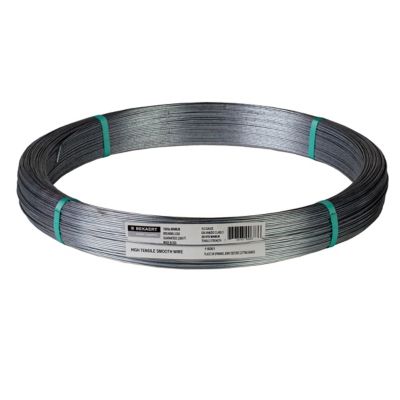
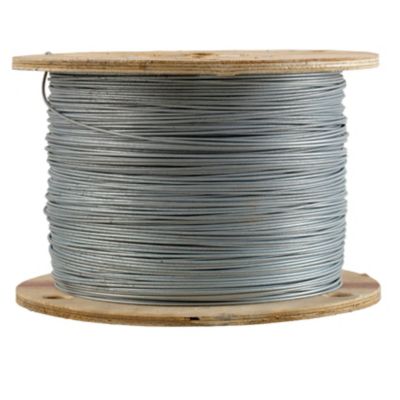
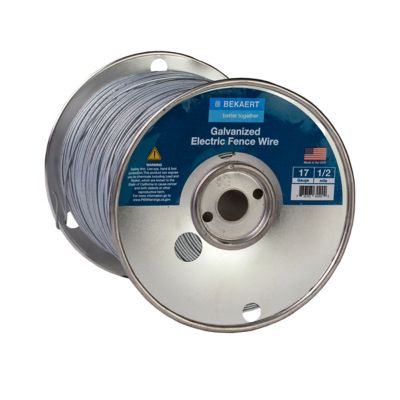
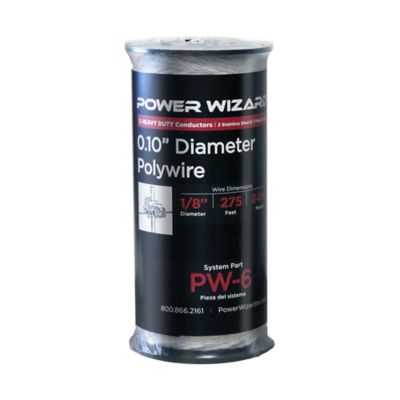
Aluminum wire is a lightweight metal conductor that serves several different jobs, from carrying a pulse along an electric fence to supplying power through properly rated electrical cable or forming a bendable framework for craft projects. Those applications call for different wire, even when the metal looks much the same on the spool. Bare electric fence wire, insulated electrical conductors, and soft craft wire are not interchangeable. For a farm, small acreage, or working homestead, aluminum electric fence wire is often the most familiar choice. Its low weight makes a long roll easier to carry down a fence line, while its electrical conductivity helps carry the energizer’s pulse through the fence system. Compared with steel wire of the same diameter, aluminum generally offers better conductivity, though it does not provide the same strength or resistance to stretching. That balance matters when a fence runs past a cattle lot, around a garden, or alongside an existing pasture boundary. An electric fence relies on an animal’s learned response to the pulse rather than wire strength alone, so the energizer, grounding system, post spacing, and wire placement all contribute to its performance. Aluminum naturally develops a thin oxide layer that helps protect the underlying metal from further corrosion. It does not form the red rust associated with iron, but that does not make every connection trouble-free or every setting suitable. Contact with incompatible metals can contribute to corrosion, and a poorly matched splice can interfere with electrical continuity. Properly rated connectors and insulators matter just as much as the wire itself. For property owners comparing an energized wire boundary with a separate panel-style enclosure,
Aluminum Fencing offers another category to consider. The shared material does not mean the two systems serve the same purpose: an electric wire fence and a rigid aluminum fence differ in construction, visibility, animal containment, and the support they need.
The right aluminum fence wire depends on the length of the run, the animals near it, and how the whole fence will come together. Gauge describes wire size, and within the same gauge system, a lower number generally means a thicker wire. Comparing the stated diameter along with the gauge helps avoid confusion between listings. Thicker wire generally has less electrical resistance and greater breaking strength than thinner wire of the same material and construction, but the manufacturer’s specifications remain the best basis for a comparison. Roll length deserves a close look, too. A boundary with several strands takes several times the wire of a single-strand run, with additional length needed for terminations and connections. On a spread-out property, that difference adds up well before the last corner post. Breaking strength and recommended tension are separate considerations; a wire’s breaking limit is not a target for installation. Aluminum can stretch or break if pulled beyond its intended tension, and repeated bending at the same spot can weaken it. A tidy fence line therefore depends on sound corner assemblies, compatible tensioning hardware, and connections made for the wire material. At gates and other crossings, insulated lead-out cable rated for the fence system serves a different role from exposed fence wire. Visibility is another practical concern, especially around horses, where thin bare wire can be hard to see and a more visible fencing system may be appropriate. Livestock species, animal behavior, and local requirements should shape the final arrangement rather than wire material alone. For day-to-day upkeep, look for sagging stretches, damaged insulators, vegetation touching energized strands, and loose or corroded connections. A fence tester suited to the system can help reveal a weak section that looks fine from the truck. Keep spare rolls secured and loose ends contained, and disconnect the energizer before handling the line. These small details help make aluminum wire a workable part of a fence system rather than an isolated purchase.
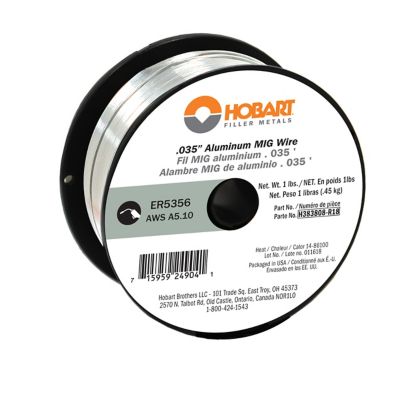
Aluminum electrical wire belongs to a different set of specifications than pasture fencing. Properly listed aluminum conductors appear in service entrances, feeders, and other electrical applications where their lighter weight can be useful, particularly in larger sizes. Aluminum has lower conductivity than copper, so an aluminum conductor generally needs a larger cross-sectional area to carry a comparable electrical load under the same installation conditions. That does not mean wire size can be selected by a simple material swap. Ampacity, insulation rating, run length, voltage drop, terminal ratings, and installation method all affect what belongs in a circuit. A feeder supplying a detached shop or barn needs cable or individual conductors listed for that installation, not bare fencing wire or a craft spool. Connections are especially important because aluminum’s surface oxide and its expansion and contraction under electrical load require compatible terminals and proper installation. Connections must be identified for the conductor material and size, tightened to the specified torque, and treated with an oxide-inhibiting compound only when required or permitted by the component manufacturer. An electrician familiar with aluminum wiring can assess those details and applicable electrical codes. Older small-gauge aluminum branch-circuit wiring also warrants professional evaluation; it is not the same situation as a modern, properly installed aluminum feeder. Away from electrical work, soft aluminum craft wire offers a lightweight, bendable material for sculpture armatures, model making, jewelry projects, and bonsai training. Here, temper, diameter, finish, and surface condition matter more than current-carrying capacity. Soft wire bends readily around a form, while a harder temper resists reshaping. Thicker wire can support a larger form but takes more effort to bend neatly. Smooth ends and suitable tools help protect hands and prevent scratches on the workpiece, and bonsai wire needs regular attention so it does not bite into growing branches. Keeping coils organized, protecting finishes from abrasion, and avoiding sharp kinks help preserve the wire for its intended task. Whether the job is a pasture boundary, a building feeder, or a small workshop project, matching aluminum wire to its stated application is the detail that matters most.