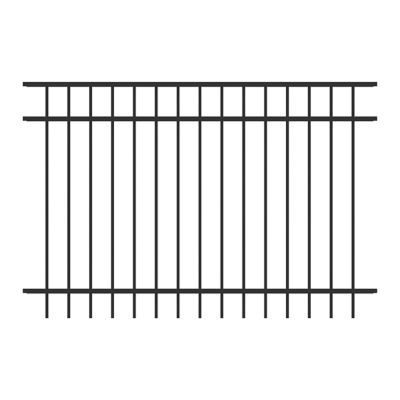
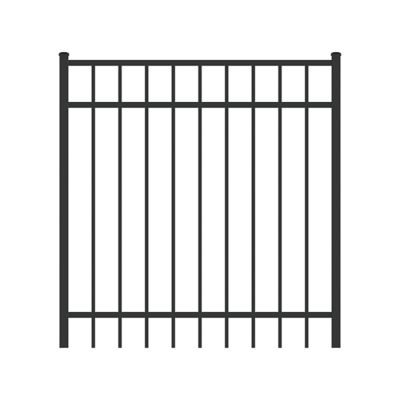
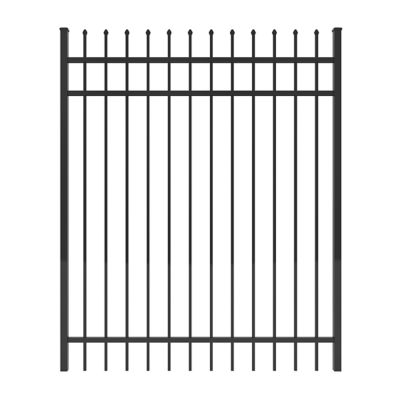
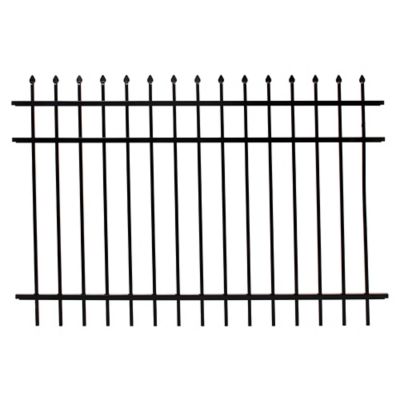
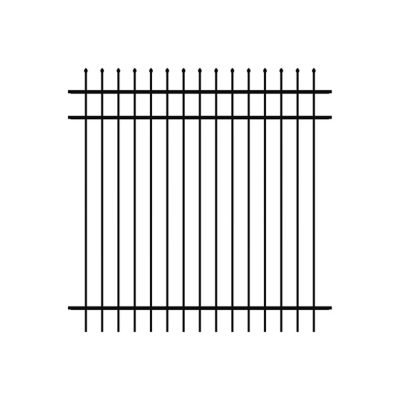
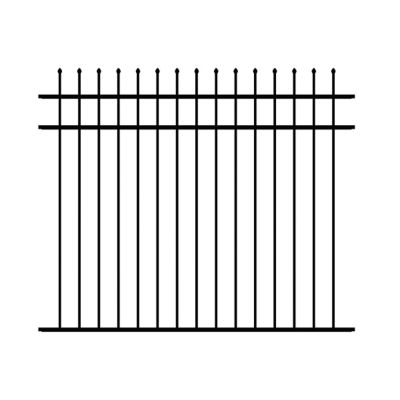
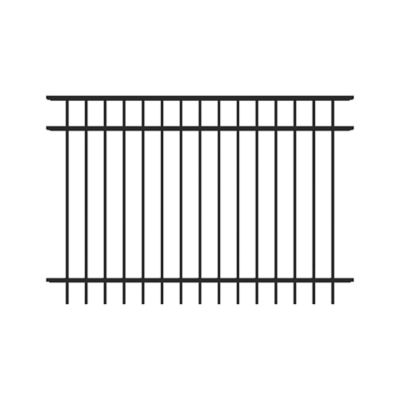
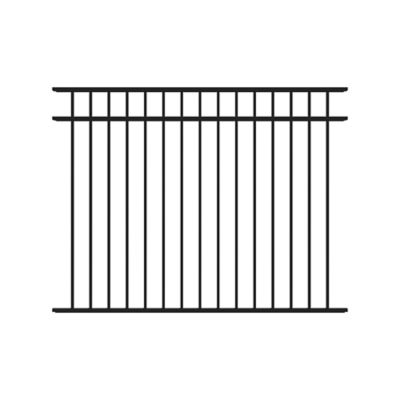
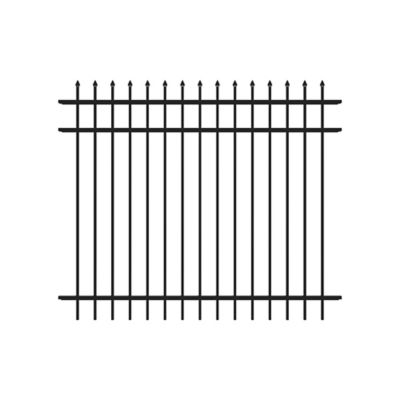
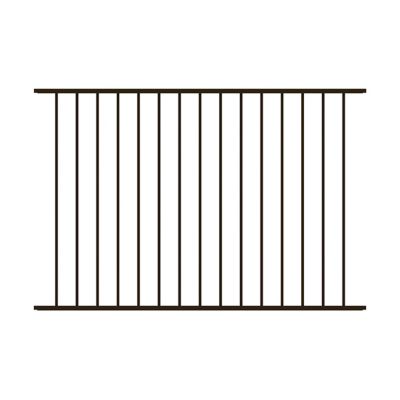
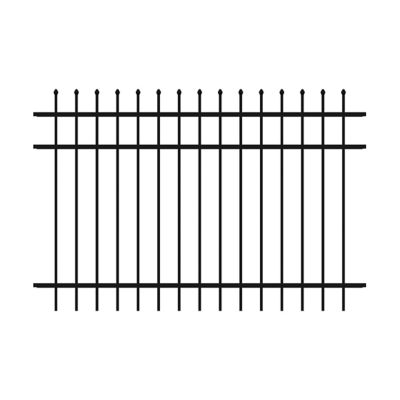
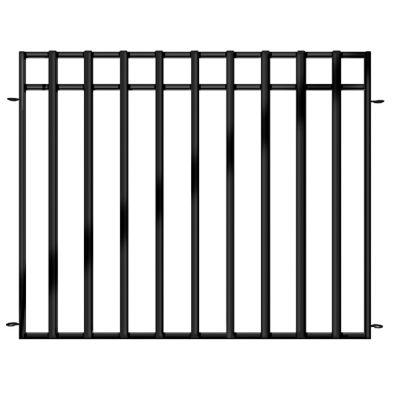
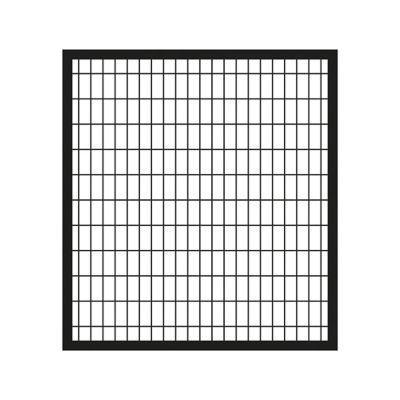
Aluminum fencing is a lightweight, corrosion-resistant fencing option for residential yards, pool enclosures and light commercial properties. It defines an outdoor space while leaving sightlines open, making it a practical fit around a front lawn, a garden sitting area or the grounds beside a small business. Unlike iron or steel, aluminum does not develop iron rust, although its surface can still corrode under certain conditions. A protective finish, often a powder coating, adds another barrier and gives the fence its color. That combination helps keep routine upkeep manageable without the recurring staining associated with many wood fences. Many ornamental aluminum fence systems bring together vertical pickets, horizontal rails and posts for a tidy, open appearance. Flat-top designs keep the upper edge simple, while spear-top styles create a more pronounced outline. Picket spacing, rail placement and overall height affect both the look and what the fence can help contain. A low fence across the front of a farmhouse can mark the edge of the lawn without hiding the porch. A taller enclosure around a backyard can establish a clearer boundary while keeping a view of the surrounding acreage. Black finishes tend to blend into the view, while other finishes can coordinate with nearby trim, masonry or outbuildings. Aluminum fencing makes the most sense where a defined perimeter and an open view matter more than complete screening. Standard open-picket panels provide little privacy and are not intended to stop a vehicle or withstand livestock pushing against them. Their relatively low weight can simplify handling compared with similarly sized steel sections, but weight alone does not establish strength. Post design, rail dimensions, picket construction and connection points all contribute to how the assembled fence performs. For a yard beside a working property, that distinction matters: the fence around the patio serves a different purpose from the fence around a cattle lot.
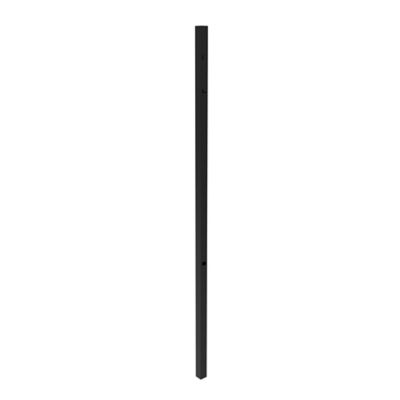
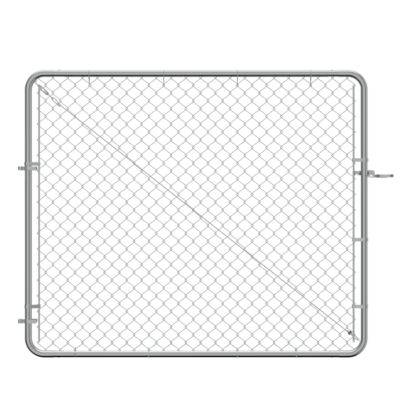
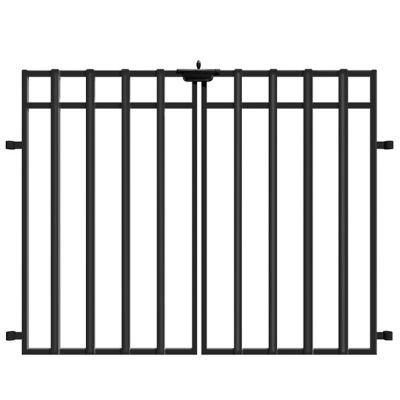
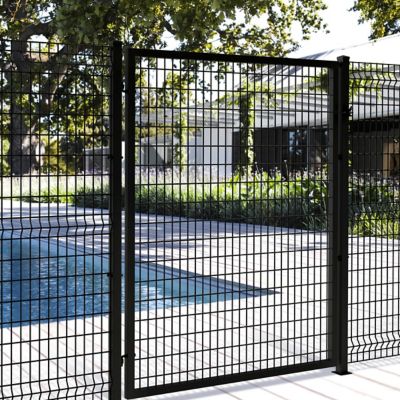
The fit of an aluminum fence depends on more than the total distance around the property. Panel width, post spacing, corner locations and gate openings all shape the layout. Fence height is generally measured from the surrounding grade, so changes in ground level can affect both the finished appearance and the space beneath the bottom rail. On a sloping yard, rackable panels can follow a grade within the manufacturer’s stated limits. Other layouts call for stepped sections, which keep panels level but may leave larger gaps underneath. That difference deserves attention wherever a small pet might slip through or a pool barrier must meet opening restrictions. Posts also need to suit their role: line posts support straight runs, corner posts handle changes in direction, and gate posts carry moving loads. Matching components from a compatible system helps keep rail connections and mounting points lined up. Soil conditions, footing requirements and attachment surfaces influence how those posts are supported, while underground utility locations and property boundaries affect where the fence can go. Gates deserve just as much thought as the straight runs. A walk-through opening near the porch has different clearance needs from an opening meant for a riding mower, wheelbarrow or garden cart. Clear passage width matters more than the gate’s stated size alone, since posts and hardware can reduce the usable opening. Hinges need room to swing without the gate dragging across a rising grade or striking a nearby wall. Compatible
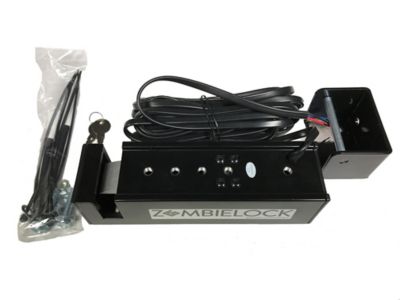
Aluminum Fence Gate Latches help complete the closure, with fit depending on the gate frame, post dimensions, mounting arrangement and intended function. A latch that catches cleanly, paired with properly supported hinges, makes everyday trips between the yard and driveway less of a chore. For wider openings, the gate design and supporting posts need to account for the added span rather than simply stretching a walk gate layout.
Intended use should stay at the center of any aluminum fencing choice. Around a pool, appearance is only part of the picture: fence height, openings, climbability, gate operation and latch placement must satisfy the applicable local barrier requirements. Self-closing hinges and a self-latching closure may be required, and the complete enclosure matters just as much as any individual component. A pool designation alone does not establish that a particular installation meets local rules, and a barrier never takes the place of adult supervision around water. For a pet enclosure, the spaces between pickets and beneath panels need to suit the animal’s size and behavior. A small dog may fit through an opening that looks narrow from the porch, while a determined climber or jumper may need another fencing approach. Horses, cattle and other large livestock call for fencing designed for their size, movement and contact, rather than a standard residential aluminum perimeter. Routine care is generally straightforward, though low maintenance does not mean no maintenance. Gentle cleaning with water, a mild soap and a soft cloth can remove dirt and residue without roughing up the finish; manufacturer care directions should take priority. Abrasive cleaners and harsh chemicals can damage coatings, and fertilizer or other corrosive residue should not sit against the metal. Mowers and string trimmers can also nick the finish near posts, so clearance along the fence line helps protect its appearance. Loose fasteners, sagging gates and damaged rails deserve attention before they put extra strain on adjoining parts. Coating scratches may call for a manufacturer-approved repair, while bent structural pieces may need replacement. With the right dimensions, compatible hardware and an installation suited to the site, aluminum fencing offers a defined boundary that keeps the yard feeling open and leaves everyday upkeep manageable.