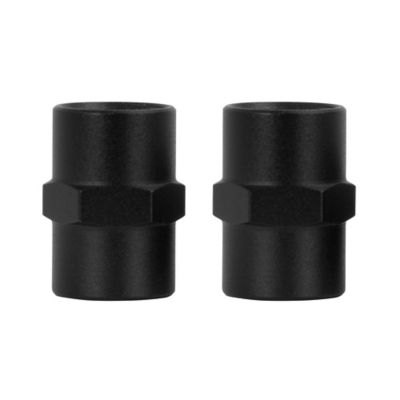
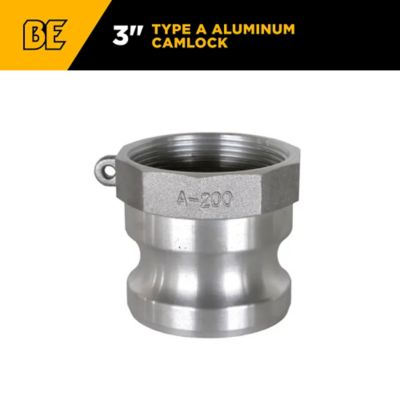
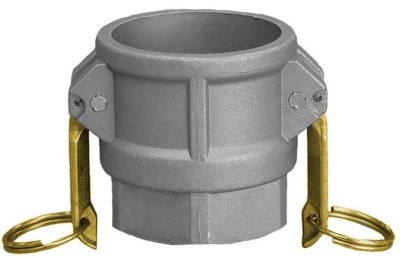
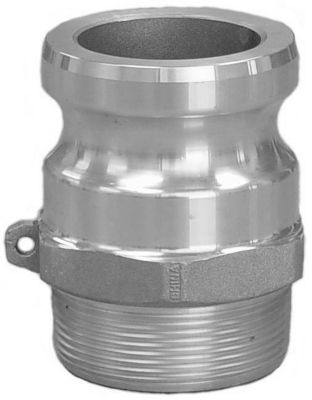
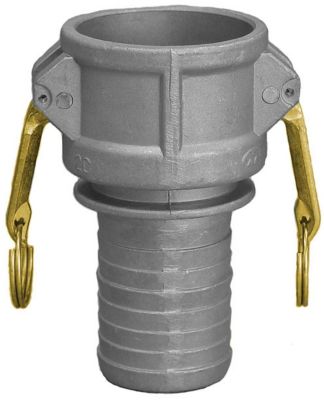
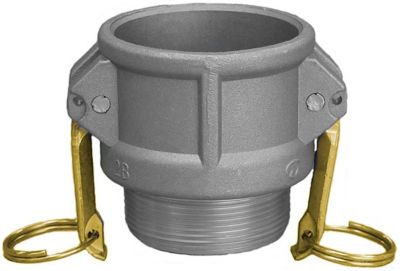
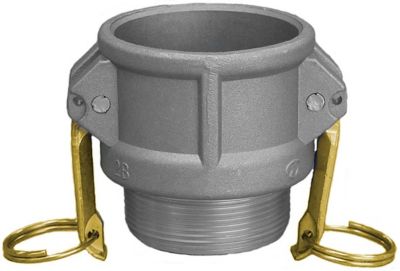
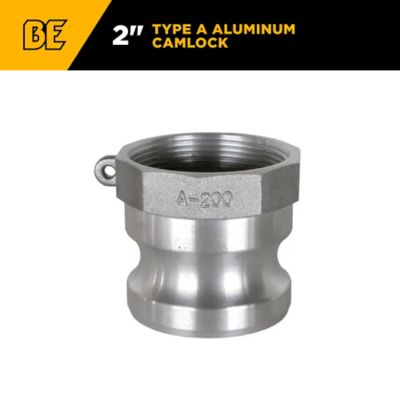
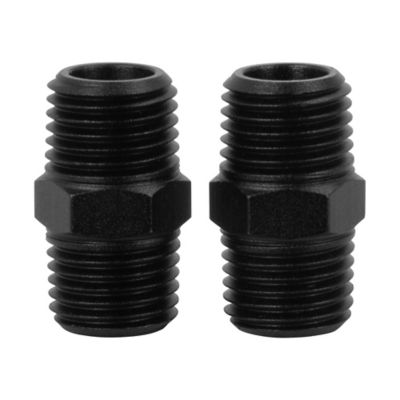
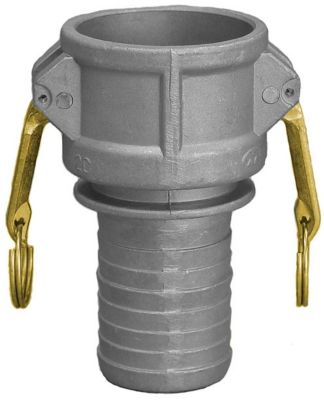
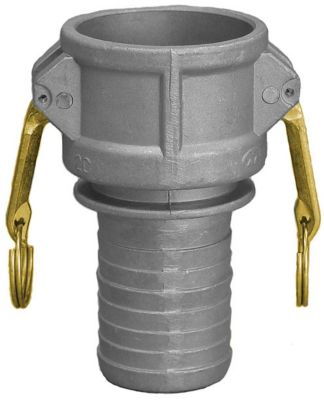
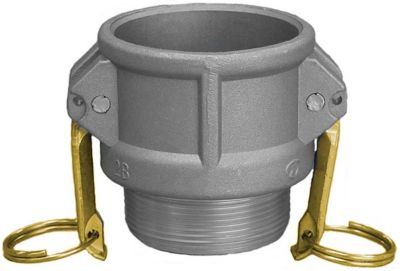
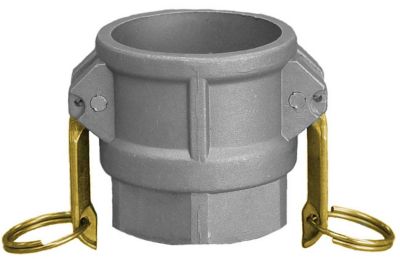
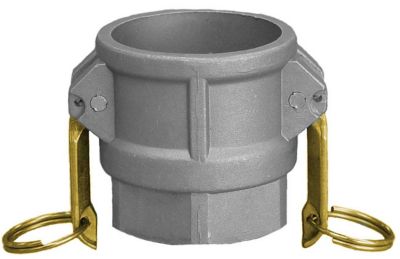
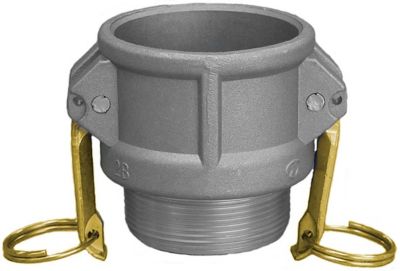
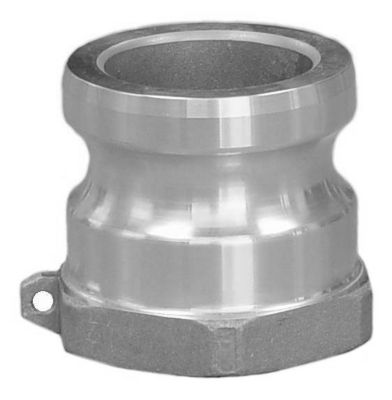
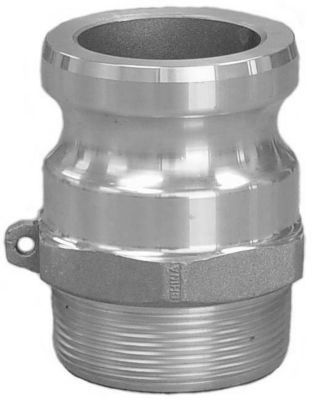
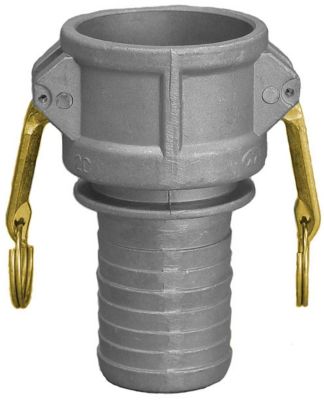
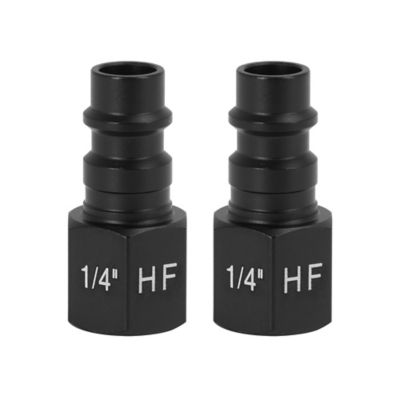
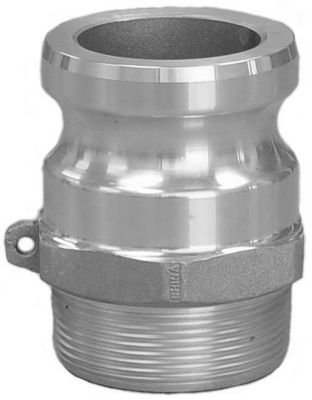
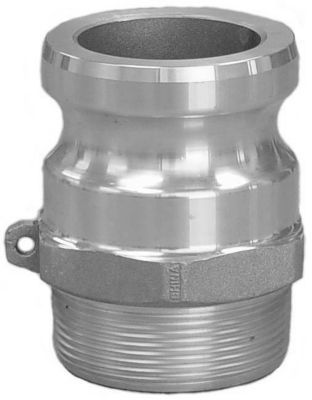
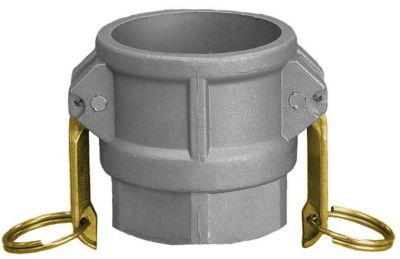
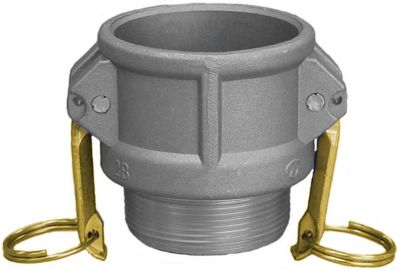
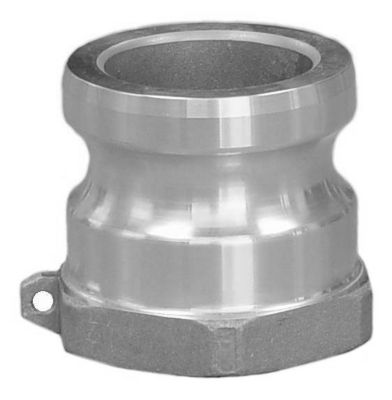
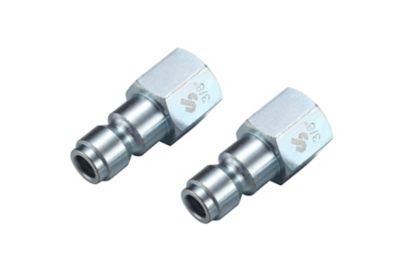
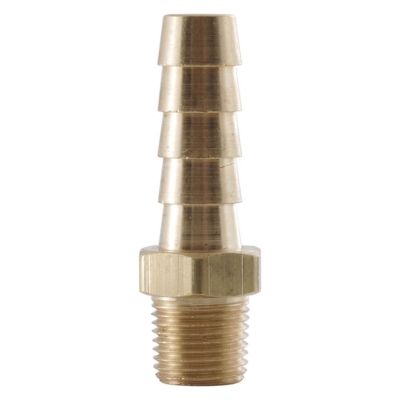
Aluminum fittings are lightweight, corrosion-resistant components that connect, join or adapt hose, pipe, tubing and compatible framework. Depending on their design, they can carry fluid through a connection, change the direction of a line, join different connection sizes or secure sections of a structural assembly. Around a farm, acreage or workshop, that can mean connections on an irrigation setup, a water-transfer line or a purpose-built rail system. The important distinction is that fittings belong to particular systems: a connector meant for a framework is not a substitute for a pressure-rated plumbing connection, even when the openings look similar. Aluminum’s relatively low weight makes it practical for equipment that gets moved, carried or taken apart between jobs. A portable transfer setup, for example, can involve several connections before the hose ever reaches its destination, and the weight of those components adds up. Aluminum also forms a thin surface oxide layer that helps protect the metal from corrosion. It does not develop the reddish rust associated with iron, but that does not make it immune to pitting, chemical attack or corrosion where incompatible metals meet. The alloy, manufacturing method, surface finish and surroundings all affect how a fitting holds up. Cast and machined construction can each serve different purposes, while an anodized finish, when present, changes the surface characteristics without making the fitting suitable for every application. Strength depends on more than the material name, too. Wall thickness, thread engagement, connection design and the manufacturer’s ratings matter just as much when a joint has work to do. For a property owner moving water between locations, a maintenance crew servicing equipment or a fabricator assembling compatible tubing, aluminum fittings offer a useful balance of manageable weight and resistance to everyday exposure. That balance makes the most sense when the fitting’s stated purpose matches the job, rather than when appearance alone drives the choice.
Fit starts with the connection standard, not just the size printed on the fitting. A nominal pipe size does not necessarily match a measurement across the opening, and tubing dimensions may refer to outside diameter rather than inside diameter. Hose connections bring their own measurements into the picture, including hose diameter and the way the hose attaches. Threaded, barbed, clamped and quick-connect designs all make connections differently, so matching two ends involves more than finding pieces that seem close. Male and female threads must share the correct size and thread form; tapered pipe threads and straight threads are not interchangeable simply because they begin to screw together. Some connections seal at the threads, while others depend on a gasket, an O-ring or a seated mating surface. That difference determines which sealing materials belong at the joint and which do not. On a water-transfer setup running from a pump to a storage tank, the connection size also affects the flow path. A narrow opening or a series of abrupt reductions can restrict flow, even when the hose itself is large enough for the task. An elbow changes direction, a tee creates a branch and an adapter bridges compatible connection types, but each adds another point that needs to suit the system. Orientation matters as well: a connection tucked beside a pump housing may need clearance for a wrench, a clamp or a release lever. Hose weight and movement can put sideways strain on a fitting that was meant to carry load in another direction. Proper support helps keep that strain off the joint. Aluminum is not automatically appropriate for drinking water, fuel, compressed air or high-pressure fluid service. Those applications call for fittings rated for the medium and operating conditions, along with any required approvals. For structural connections, the relevant considerations include tubing dimensions, fastening method and load limits rather than fluid pressure. Matching these details helps keep a straightforward repair from turning into repeated disassembly.
Long service life also depends on what happens after the connection goes together. Dirt caught in threads, grit across a sealing face or a damaged gasket can prevent a sound joint, even when both fittings are the right size. Clean mating surfaces and seals compatible with the fluid help the connection perform as intended. Aluminum threads can suffer from cross-threading, galling or excessive tightening, particularly when tools force a joint that is not aligned. Manufacturer instructions govern torque, lubrication and sealant selection; extra force is not a substitute for the correct fit. On equipment that moves around a property, vibration and hose movement deserve attention during routine inspections. A fitting beside a pump may face repeated starts and stops, while a connection near a gate or walkway may be vulnerable to bumps from tools, boots or passing equipment. Support and placement can make a real difference in how much stress reaches the metal. Cleaning methods matter, too. A cleaner suitable for one metal may attack aluminum or damage a surface treatment, so compatibility belongs on the checklist alongside the connection dimensions. Contact with dissimilar metals can create galvanic corrosion when moisture or another electrolyte is present, and any isolation method needs to suit the system’s design. Comparing aluminum with other
Metal Fittings comes down to those working conditions, including chemical exposure, mechanical loads, weight and the materials already in the assembly. When fittings are removed between jobs, keeping openings clean and protecting threads from knocks makes later assembly easier. Visible cracks, distorted openings, deep pitting and damaged threads are signs that a component needs attention rather than another turn of the wrench. Whether the task involves maintaining irrigation connections, keeping a transfer setup ready or assembling a compatible tube framework, the right aluminum fittings bring the dimensions, connection style and material properties together in a way that suits the work.